The “matching” issue that triggers claim fights after partial repairs
Photo credit: CRobertson/istock.com
When only part of your home is damaged, the real fight often starts after the contractor packs up. The insurer may be willing to replace the broken pieces, but not the undamaged ones that no longer match, leaving you with a patchwork roof, siding, or flooring and a dispute over what “making you whole” really means. That aesthetic gap, and who pays to close it, is the “matching” issue that quietly drives some of the fiercest claim battles after partial repairs.
To navigate those fights, you need to understand how insurers frame matching, how state rules and policy language shape your rights, and how courts are slowly redefining what a fair repair looks like. You also need a strategy for pushing back when an adjuster insists that a visibly mismatched fix is “good enough,” even though it clearly diminishes your home’s value.
Why partial repairs create a matching flashpoint
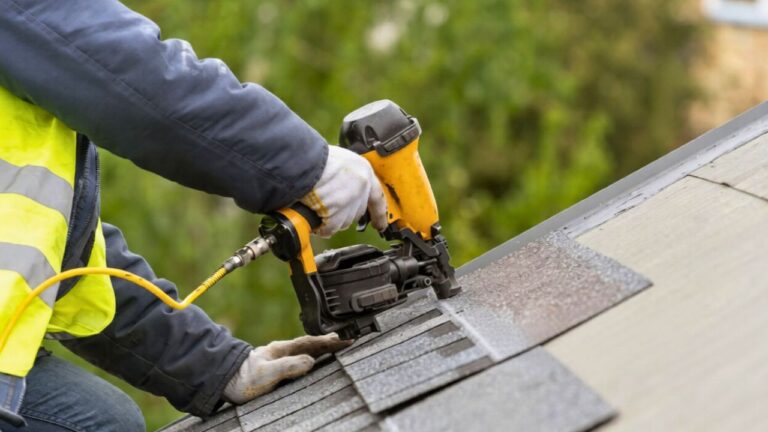
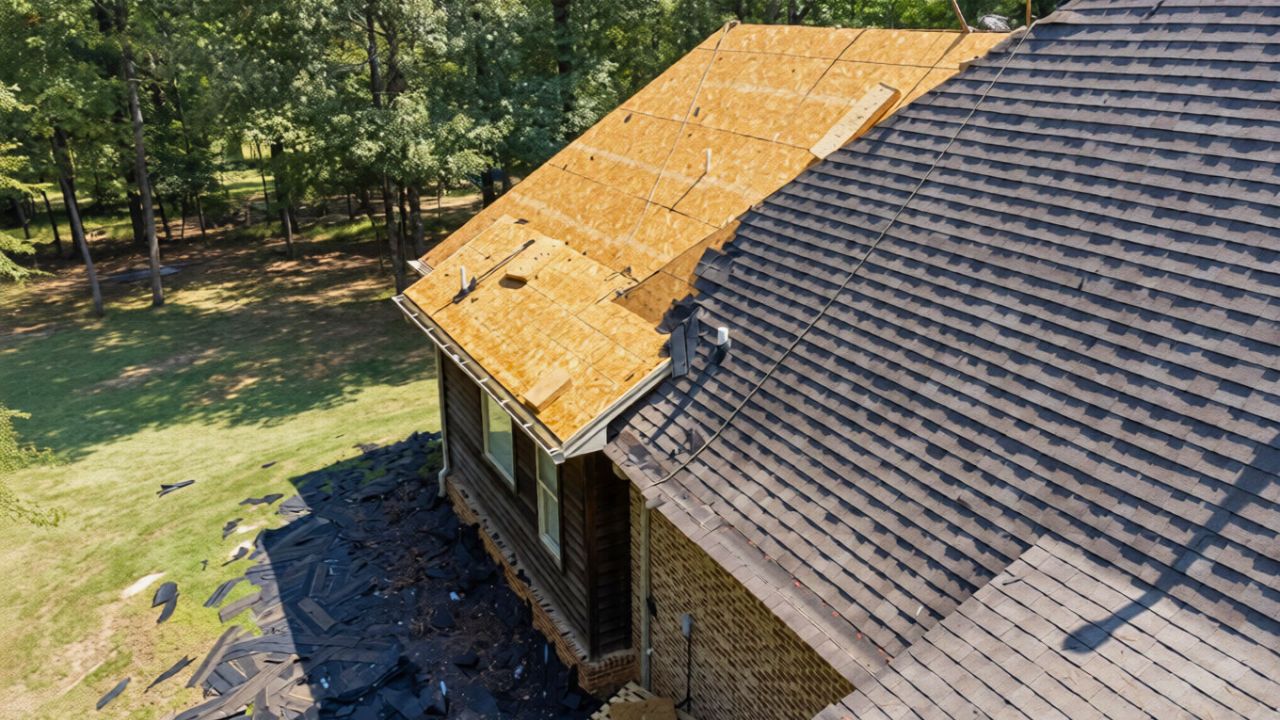
Most homeowners do not discover the matching problem until a storm or leak damages only part of a system, such as one slope of a roof or a single wall of siding. You expect your carrier to restore the property to its pre loss condition, but the adjuster may approve replacement of only the directly damaged materials, even if the new shingles or panels are obviously different in color or texture from the rest of the house. The result is a home that is technically repaired yet visibly altered, which is where arguments over what your policy really promises begin.
Insurers often lean on the idea that their obligation is limited to the specific items physically harmed by the covered event, not every component that shares a color or pattern. Industry guidance on matching regulations notes that carriers frequently argue the property lacks a uniform appearance requirement, that the policy does not mention matching, or that paying to replace undamaged items would amount to betterment. From your perspective, however, a roof with one new slope and three faded slopes, or a living room with one fresh plank of flooring in the middle of a worn field, is not truly restored to its prior condition, which is why these disputes so often escalate.
What “matching” really means in property insurance
In insurance jargon, matching is not just about cosmetics, it is a principle tied to the promise that you will be made whole after a covered loss. Legal commentary on What is Matching explains that the concept is generally unique to this industry, yet it has become a prominent concern because a repair that leaves obvious mismatches can mean the policyholder is not sufficiently made whole. In practice, matching disputes arise when the damaged portion can be repaired, but the replacement materials do not align in quality, color, size, or pattern with the undamaged portions.
Technical experts point out that Sometimes matching is not possible, not because materials are unavailable, but because the existing materials have aged, faded, or weathered in ways that cannot be replicated. This lament is heard often when there is a loss to siding, roofing, carpeting, or flooring, where even a slight variation is obvious across a large surface. That is why some policies try to exclude or clearly cover matching, and why the exact wording of your contract, especially around Replacement Cost Value (RCV) and what it means to restore property to its condition prior to loss, becomes so critical.
How insurers frame the dispute and limit payouts
When you push for a uniform appearance, carriers typically respond with a familiar set of arguments designed to keep the scope of work as narrow as possible. Industry lawyers describe how companies emphasize that the policy covers “direct physical loss” to damaged property, not undamaged areas that only suffer an aesthetic mismatch, and that nothing in the contract requires a perfect visual match. In some cases, adjusters will insist that a reasonable person would accept a slight variation in shade or texture, even when the difference is obvious from the curb.
Guidance on Replacement Cost Value explains that RCV is usually defined as the cost to replace the damaged property with new property of like kind and quality, without deduction for depreciation, to restore it to its condition prior to loss. Insurers often interpret “like kind and quality” narrowly, focusing on function rather than appearance, and argue that paying for otherwise undamaged property would go beyond indemnity. Policyholder attorneys counter that The Problem With Matching is precisely that companies do not like to pay for undamaged items, even when the mismatch clearly reduces market value, and that a purely functional repair falls short of the RCV promise.
State statutes, NAIC standards, and why your ZIP code matters
Your leverage in a matching dispute depends heavily on where you live, because state regulators and courts have taken very different approaches. Some jurisdictions have adopted explicit Matching Requirements that require carriers to replace undamaged items when a loss requires replacement and the new items do not match in quality, color, or size, subject to the applicable deductible. A state by state survey notes that when only part of the property is damaged, such as siding or a roof, and the carrier cannot match the existing materials, some laws require additional replacement when the value of the property is diminished, which can force insurers to pay for a full elevation or slope rather than a patch.
Regulators have also leaned on model rules. Policyholder advocates highlight how The NAIC has taken a straightforward and policyholder protective position on matching, with Uniform Appearance Requirements that say when a loss requires replacement of items and the replaced items do not match in quality, color, or size, the insurer should replace all items in the area so the property has a reasonably uniform appearance. That guidance explicitly prohibits charges for betterment, which undercuts the argument that paying for undamaged but mismatched items is an improper upgrade. At the same time, a detailed MATCHING REGS chart shows that many states still lack clear statutes, leaving courts to interpret ambiguous policy language and often producing inconsistent outcomes.
Courts, case law, and the evolving definition of a “uniform” repair
Where statutes are silent or vague, judges have become the referees in matching fights, and their rulings are slowly reshaping expectations. Legal analysis of Matching in West Virginia, for example, notes that matching is not one of the most clear cut issues in first party property coverage, yet courts there have tended to construe ambiguities in favor of the insured. That means when policy language around “like kind and quality” or “comparable material” is unclear, judges may side with homeowners who argue that a patchwork repair does not satisfy the promise of indemnity.
Recent decisions in other states show a similar trend. A Massachusetts matching ruling described how a court confronted the contentious issue of the degree to which an insurer must replace undamaged property to achieve a consistent appearance, and ultimately ruled in the insured’s favor. Commentary on storm claims notes that With the precedence set by court rulings in 2019, case law has shifted toward requiring insurers to consider the overall appearance and value of the property, not just the square footage directly struck by hail or wind. For you, that means prior decisions in your state can be a powerful tool when you argue that a full slope or elevation replacement is necessary.
Matching exclusions, endorsements, and the fine print in your policy
Even in states with favorable case law, the language in your own contract can tilt the playing field. Some carriers have responded to matching disputes by adding explicit exclusions that say they will not pay to replace undamaged materials solely to achieve a uniform look. Consumer guidance on What is a Matching Exclusion in Your Homeowners Insurance Policy explains that such clauses allow insurers to deny coverage for replacing undamaged items when the goal is simply to achieve a uniform look, and that policies with matching exclusions can lead to potential aesthetic mismatches that you must pay to correct out of pocket.
On the other side of the ledger, some companies now sell endorsements that expand matching protection. One example is Matching roofing and siding coverage, an endorsement that can be added to your homeowner’s policy to help pay for replacement of undamaged roofing or siding when materials cannot be matched. Roofing specialists also describe Limited matching coverage, an endorsement that caps the amount an insurer will pay to match undamaged shingles, often as a percentage of Coverage A or a fixed dollar limit. If you live in a hail prone state like Colorado, where Colorado is blessed with nearly 300 days of sunshine but also frequent storms, these add ons can be the difference between a fully matched roof and a permanent patchwork.
When under scoped repairs come back to haunt future claims
The matching fight is not just about how your home looks after the first loss, it can also affect how your insurer treats you the next time something goes wrong. Roofing contractors warn that when carriers insist on minimal, under scoped repairs, they may later argue that any resulting problems fall under exclusions for faulty, inadequate, or defective work. One analysis of storm claims notes that Here is where the absurdity peaks, because Most homeowners’ policies include exclusions for “faulty, inadequate or defective” construction, repairs, or maintenance, which can leave both you and your contractor caught in the crossfire if a partial fix fails.
Imagine a scenario where only a portion of your roof is replaced after hail, even though the rest of the system is near the end of its life and does not match. If that older section later leaks or blows off, the insurer may point to the prior under scoped repair and argue that the damage stems from defective work or wear and tear, not a new covered event. That is why some public adjusters and attorneys urge you to document when an adjuster refuses to approve a more comprehensive, matching oriented repair, and to consider invoking appraisal or other dispute mechanisms before accepting a settlement that could undermine future claims.
How to push back when your claim is lowballed or denied
When an adjuster insists that a mismatched repair is adequate, your first move should be to slow down and study the paperwork. Consumer advocates emphasize that you should Steps To Take When Your Insurer Refuses to Pay, starting with Review Your Policy Terms and Start by carefully reading through your insurance contract to understand what is and is not covered. That means looking for any matching exclusions, endorsements, or references to “comparable material and quality,” as well as checking whether your state has adopted regulations or case law that favor a uniform appearance.
If the carrier issues a denial or a low settlement, you should follow a structured appeal process. Guidance on Here are the steps explains that you should Step 1: Review Your Denial Letter and Read it carefully to understand the exact reasons for the decision, then Write a formal appeal letter that addresses each point with photos, contractor estimates, and any relevant statutes or case law. Financial experts also suggest that when you are Having homeowners insurance is supposed to relieve stress, But if a claim settlement feels unfair, you may need to Consider mediation or appraisal before heading to court, especially if you and the insurer are no closer to a resolution after informal negotiations.
When to bring in professionals and escalate the fight
Matching disputes can quickly move beyond what you can comfortably handle on your own, particularly when the carrier digs in or the dollar amounts are significant. Legal guides on There
Consumer law firms advise that you Contact an Insurance Lawyer when negotiations stall, since Another option is to seek legal assistance for insurance disputes and Local attorneys can evaluate whether the carrier’s position violates state matching statutes or unfair claims practices rules. Broader guides on matching problem in property insurance also note that commercial policies sometimes address the issue using different language, which can be relevant if you own rental property or a small business. In any setting, the goal is to create a credible threat of litigation or regulatory complaint that encourages the insurer to revisit a narrow interpretation of its obligations.
Planning ahead so the next claim fight is easier to win
The most effective way to handle matching disputes is to reduce the odds you will have one in the first place. That starts with shopping for coverage that aligns with how you actually live in and value your home. When you review quotes, ask specifically about matching exclusions and endorsements, and press agents to explain whether your policy would pay to replace undamaged siding or roofing if materials cannot be matched. Some carriers will offer broader matching protection as part of a premium package, while others rely on Feb era policy forms that leave more room for dispute.
It also helps to understand how your state’s rules are evolving. A Jul state by state look at matching statutes notes that When only part of the property is damaged and the carrier cannot match existing materials, some laws now require additional replacement when the value of the property is diminished. Public adjusters who focus on Public Adjusters What Are Matching Exclusions Within Insurance Policies also stress that in states like Colorado, where hail and sun exposure are constant threats, you should weigh the cost of endorsements against the likelihood of future disputes. By aligning your coverage with the legal landscape and documenting the condition of your home before any loss, you put yourself in a far stronger position the next time a partial repair threatens to leave you with a mismatched, and undervalued, property.
Like Fix It Homestead’s content? Be sure to follow us.
Here’s more from us:
- I made Joanna Gaines’s Friendsgiving casserole and here is what I would keep
- Pump Shotguns That Jam the Moment You Actually Need Them
- The First 5 Things Guests Notice About Your Living Room at Christmas
- What Caliber Works Best for Groundhogs, Armadillos, and Other Digging Pests?
- Rifles worth keeping by the back door on any rural property
*This article was developed with AI-powered tools and has been carefully reviewed by our editors.