The biggest reason homeowners get underpaid after a loss
Photo credit: Alona Siniehina/istock.com
After a fire, burst pipe, or hurricane tears through your home, the last thing you expect is a payout that barely covers the first contractor’s invoice. Yet the biggest reason homeowners walk away underpaid after a loss is not a single bad actor or obscure clause, but a structural information gap between you and your insurer. The company arrives with experts, software, and a playbook, while you are often documenting damage and reading policy language for the first time.
Closing that gap starts with understanding how underpayment actually happens, why it is so common, and what concrete steps you can take to push back. When you know how claims are evaluated, how estimates are built, and how to challenge low numbers, you are far less likely to accept a check that leaves you funding repairs out of pocket.
1. The real “biggest reason” you get shortchanged
The core driver of low payouts is simple: you and your insurer are not working from the same understanding of the loss. The company leans on its own adjusters, preferred contractors, and pricing tools, while you may have only a rough sense of what repairs should cost. That imbalance lets the insurer frame the narrative of your claim, from how severe the damage is to which repairs are “necessary,” and it often results in an initial offer that is lower than what your policy and the facts support.
Attorneys who handle property cases describe What Is Claim Underpayment as a gap between what your contract promises and what the insurer actually pays, frequently driven by disputes over the cost of repairs, the scope of damage, or limitations buried in the policy. Public adjusters warn that many homeowners never realize their claim has been underpaid at all, because they do not know how to read the estimate line by line or compare it to real-world contractor bids, which is why guides on signs your insurance claim may be underpaid focus so heavily on teaching you how to spot missing items and unrealistic pricing.
2. How insurers quietly minimize your loss
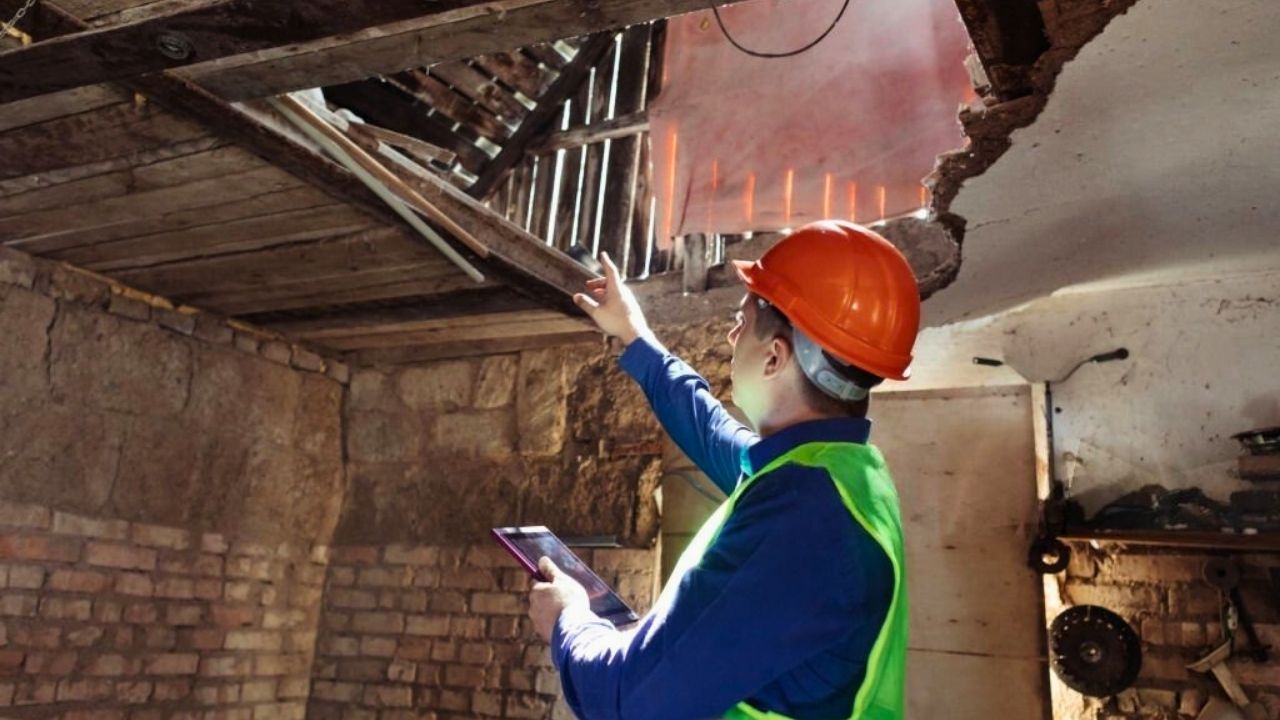
Once a claim is opened, the insurer’s first move is often to control the inspection and the numbers that flow from it. Company adjusters may spend limited time on site, rely on photos instead of invasive testing, or focus on obvious damage while overlooking hidden problems inside walls, under flooring, or in attics. That “quantity over quality” approach to inspections can miss entire categories of loss, from smoke infiltration in insulation to moisture trapped behind drywall.
Advocates who reviewed storm claims have flagged Quantity driven inspections as a major reason policyholders are underpaid, because rushed adjusters simply do not capture the full scope of damage. Law firms that challenge low offers note that insurers also lean on internal guidelines and software to argue that your loss is not as severe as you describe, which is why they frame a low offer as reasonable even when it will not cover actual repairs, a pattern detailed in analyses of Why Is My Insurance Settlement Offer Too Low.
3. Your own missteps that make underpayment easier
Insurers are not the only ones shaping the outcome. The mistakes you make in the first days after a loss can lock in a low payout before you realize what is happening. If you fail to document every room, throw away damaged items before photographing them, or start repairs without keeping receipts, you hand the insurer an easy argument that the loss is smaller than you claim. That lack of proof becomes a convenient ceiling on what the company is willing to pay.
Attorneys who see these cases every week list “Failing to Documen” damage thoroughly as one of the top errors homeowners make after a property loss, warning that once you miss that window, you may never be able to recreate the evidence the insurer wants to see, a point underscored in guidance on Top Mistakes Homeowners Make After a Property Loss. Other practitioners stress that incomplete inventories, missing photos, and vague descriptions are classic examples of Lack of Documentation and “Insufficient” evidence that insurers use to justify both denials and underpayments.
4. When a “covered” claim gets chipped away by exclusions
Even when your loss is clearly tied to a covered event, the insurer can still shrink the payout by invoking exclusions and limitations you may not have noticed when you bought the policy. Standard contracts often carve out certain types of water damage, earth movement, or maintenance issues, and they may cap coverage for items like roofs, fences, or outbuildings. If the company can reframe part of your loss as falling into one of those carveouts, it can legally pay less than you expected.
Consumer advisories on Common reasons home insurance claims are denied highlight how “Policy exclusions” for things like gradual leaks or poor maintenance give insurers room to argue that only part of a loss is covered, even when a burst pipe or fire is involved. Legal guides on limitations in the policy explain that underpayment often stems from these built-in caps, not just from disputes over what repairs should cost, which is why reading the fine print on sublimits and exclusions before a loss is as important as shopping for the right premium.
5. The role of loss settlement language you barely notice
Another quiet driver of underpayment is the way your policy defines “loss settlement,” the formula that decides how much you receive after a covered event. Some contracts pay the “actual cash value” of damaged property, which subtracts depreciation, while others promise “replacement cost” coverage that is supposed to fund a full rebuild. If you do not understand which version you have, you may be shocked when the check arrives hundreds or thousands of dollars below what you thought you were buying.
Insurance educators explain that loss settlement is simply the method used to calculate your payout, whether based on replacement cost or actual cash value, and that this choice can dramatically change the size of your check, as outlined in resources on what type of loss settlement is best for your home. Lawyers who handle underpayment cases add that insurers sometimes apply depreciation or policy limitations incorrectly, turning what should be a full replacement cost claim into something closer to an actual cash value payout, which is one of the reasons Low Damage Estimates and misapplied terms end up reducing what you receive.
6. Why the first offer is almost never the final word
When the insurer finally sends a check, it is easy to assume the number is fixed, especially if the letter is wrapped in dense policy language. In reality, that first offer is often a starting point, not a verdict. Companies know that a portion of homeowners will accept whatever is put in front of them, even if it does not cover the full cost of repairs, and they structure their process around that expectation.
One public adjuster in a widely viewed video bluntly states that people “often times get their claims underpaid actually it’s about 99% of the time that your claims are underpaid,” a figure meant to drive home how routine low initial offers have become. Legal analyses of What Happens when an insurance company does not pay enough describe how policyholders are left in financial limbo, forced to delay repairs, live in unsafe conditions, or take on debt, all because they assumed the first check was the best they could do instead of treating it as an opening bid.
7. The paperwork traps that turn underpayment into denial
Underpayment and denial often sit on the same spectrum, and the line between them can be as simple as a missed deadline or a form filled out incorrectly. If you submit late, fail to respond to a request for more information, or do not follow the policy’s proof-of-loss requirements, the insurer can use those technicalities to shut down parts of your claim. Even when the company does not deny outright, it may use those missteps to justify paying less than the full amount needed to restore your property.
Claims professionals point to Missed Deadlines and “Filing Errors” as some of the most common reasons homeowner insurance claims get denied, and they note that in many cases the initial offer is lower than what is truly needed to restore the property. Law firms that focus on underpaid claims emphasize that incomplete documentation, late submissions, and failure to comply with policy conditions are all cited as Understanding Why Claims Are Denied or underpaid, which is why treating every letter and email from your insurer as a deadline-driven task is critical.
8. How to recognize an underpaid claim in real time
Spotting underpayment while your claim is still open gives you the best chance to fix it. Warning signs include estimates that ignore entire rooms, line items labeled as “not covered” without a clear policy citation, or pricing that is far below what local contractors are quoting. If your adjuster refuses to consider additional damage you have documented, or insists that obvious problems are “pre-existing,” you are likely dealing with a payout that does not match the real loss.
Guides on Common Reasons Insurance Claims Are underpaid highlight patterns like incomplete inspections, lowball repair estimates, and failure to account for code upgrades as red flags that your payout is being held down. Legal resources that explain How to “Tell If Your Insurance Underpaid Your Claim” stress comparing the insurer’s scope to independent contractor bids, checking that all damaged items are listed, and making sure depreciation and deductibles are applied correctly, so you can challenge errors before evidence is lost to time.
9. Concrete steps to push back and get paid what you are owed
Once you suspect your payout is too low, your leverage comes from information and persistence. Start by requesting a detailed, itemized estimate from the insurer and comparing it to your own documentation and contractor quotes. Ask the adjuster to explain, in writing, any line items that are missing or marked as not covered, and point to specific policy language that supports your position. If the company relied on a brief or remote inspection, push for a reinspection that includes areas you believe were overlooked.
Consumer advocates recommend using formal tools like a written demand for reconsideration, an internal appeal, or a complaint to your state insurance regulator if the company will not budge, steps that are laid out in guides for homeowners who think your homeowners insurance payout is too low. If that still does not move the needle, you can escalate by hiring a public adjuster or attorney, especially in complex cases like storm or wind damage where Reasons an “Insurance Company May Underpay Your Wind Damage Claim” include “Policy” exclusions, “Inadequate” evidence, and “Failure” to meet deadlines. When your insurer still will not resolve a clear shortfall, some advocates advise filing a formal complaint with your state Department of Insurance, which can trigger regulatory scrutiny and, in some cases, a more realistic settlement.
Like Fix It Homestead’s content? Be sure to follow us.
Here’s more from us:
- I made Joanna Gaines’s Friendsgiving casserole and here is what I would keep
- Pump Shotguns That Jam the Moment You Actually Need Them
- The First 5 Things Guests Notice About Your Living Room at Christmas
- What Caliber Works Best for Groundhogs, Armadillos, and Other Digging Pests?
- Rifles worth keeping by the back door on any rural property
*This article was developed with AI-powered tools and has been carefully reviewed by our editors.