The electrical upgrade that becomes required once you open a wall
Photo credit: Leezsnow/istock.com
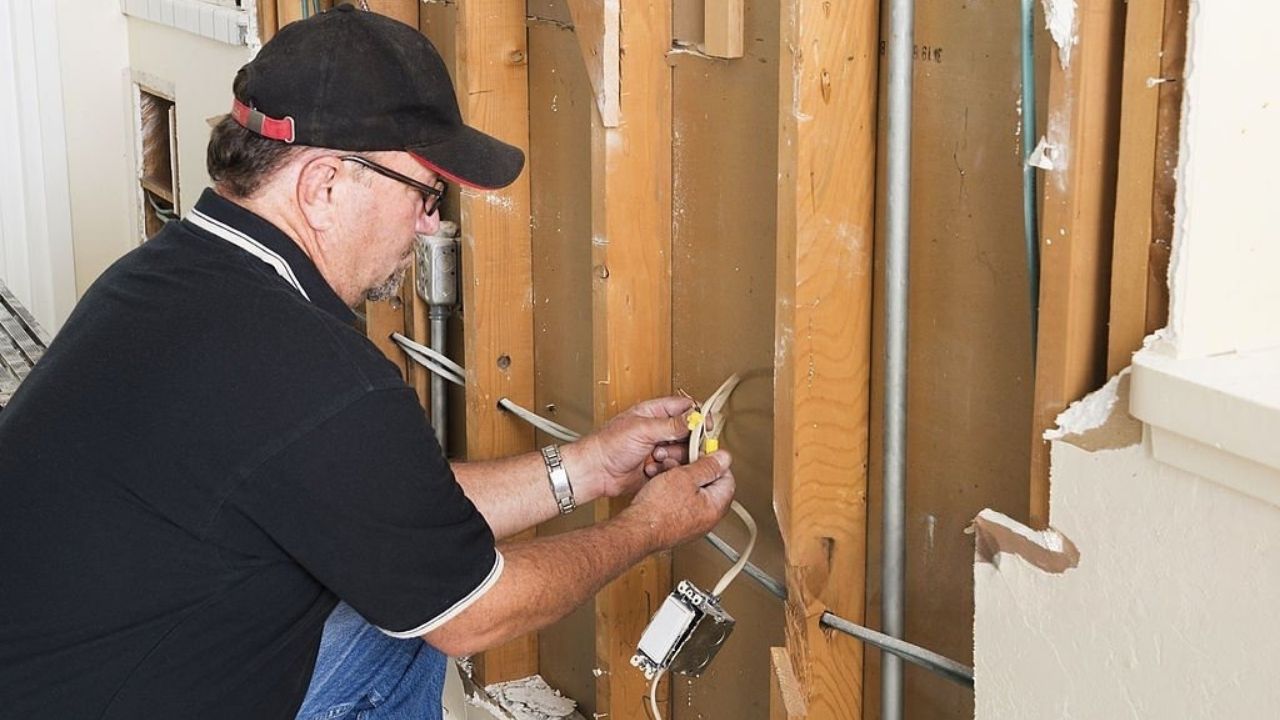
Once you cut into a wall, you are not just exposing studs and insulation, you are exposing the history of your home’s wiring and the legal obligations that come with touching it. Modern codes treat that opening as an opportunity, and sometimes a requirement, to correct old hazards, add protection, and prepare for heavier electrical loads. If you plan ahead, the upgrade that becomes mandatory when the wall is open can also be the smartest investment you make in the entire remodel.
When “grandfathered” wiring stops being legal
Older homes often rely on the idea that if something was legal when it was built, it is still legal today, which is why you can live for years with two-prong outlets or limited circuits without failing an inspection. That protection is not absolute, however, and it tends to evaporate the moment you extend or significantly alter a circuit inside an opened wall. Homeowners discussing inspections note that, in most cases with electrical code, if it was legal as built it remains acceptable only until a substantial modification or extension is made, at which point current rules apply to the work and sometimes to the affected run of wiring as well, so your remodel can quietly flip a switch from “grandfathered” to “must upgrade” the instant you tie into an old branch circuit.
That shift matters because once you pull a permit for electrical work, inspectors can require that ALL wiring in the scope of that permit meet current standards in the USA. Another homeowner points out that, in most cases with electrical code, if it was legal as built it is still legal now unless renovation or extension or addition to circuits has been made, which is exactly what you are doing when you splice into a junction box or add a new receptacle in an open stud bay. Once you understand that threshold, you can decide whether to leave an untouched wall alone or embrace the fact that opening it means bringing at least part of your system up to the latest National Electrical Code, often shortened to NEC, rather than relying on decades old exceptions.
The hidden problems you are likely to uncover
Behind finished drywall, many homes carry a mix of eras: cloth sheathing, aluminum branch circuits, undersized junction boxes, and mystery splices buried where no one should have left them. Remodelers routinely report that electrical issues are among the most common surprises once demolition starts, from overloaded circuits to wire whose gauge is not sufficient for the breakers protecting it, and that these discoveries can derail a schedule if you have not budgeted for corrections. When you open a wall and find brittle insulation, ungrounded cable, or a tangle of unboxed connections, you are no longer dealing with a cosmetic project, you are dealing with safety defects that inspectors and insurers expect you to fix.
That is why experienced renovators advise treating exposed framing as a one time chance to address Electrical Issues It is common to find when remodeling, rather than patching around them. In older houses, contributors in one discussion note that since your house is older and did not have modern wiring when it was built, you should expect to encounter outdated cable types and limited circuits once the plaster is gone, and they warn that the last thing you want is to throw the breaker and have things trip because you missed a hidden fault. Treat every open cavity as a diagnostic window: trace each cable, verify box fill, and assume that anything you can see will be fair game for an inspector once the permit is in play.
Why code changes make upgrades effectively mandatory
Even if your existing wiring has not failed, the rules that govern how it should be installed have moved steadily toward more protection, more labeling, and more working space around equipment. The NEC has expanded requirements for overcurrent protection and coordination to handle the demands of today’s power needs, especially as homes add high draw appliances, electric vehicle chargers, and sensitive electronics that do not tolerate voltage drops or nuisance trips. When you open a wall and touch a circuit, you are expected to meet the version of the NEC your jurisdiction has adopted, which can mean new breaker types, additional outlets, or revised clearances that did not exist when your home was first wired.
Forthcoming changes add even more pressure to get ahead of the curve. Guidance on the 2026 edition highlights Top Technical Changes to the NEC, including an update to section 110.16 that tightens arc flash labeling so workers are better informed about hazards. Another analysis of How the NEC 2026 Impacts Electricians and Contractors notes an Increased Focus on Electrical Safety and Arc-Flash Awareness, which will influence how panels, disconnects, and even some feeders are installed. For homeowners, that means the work you do now in open walls should anticipate not only today’s inspection but also the tighter standards that will govern future additions, so you are not forced into another round of demolition just to add a circuit or label.
Panel capacity and the “no rewiring” myth
One of the most consequential decisions you face when walls are open is whether your existing service panel can support the circuits you want to add. Many owners hope they can simply swap in a larger panel without touching the rest of the house, and in some cases that is realistic, but only if the branch wiring is in good condition and properly sized. Electricians point out that the ideal scenario for a panel only upgrade is a home with Modern Copper Wiring, since Most houses built after the mid 1960s used copper conductors that can typically be reused safely on new breakers as long as they meet current code for grounding and overcurrent protection.
That does not mean you can ignore what you see in the studs. If you open a wall and discover aluminum branch circuits, undersized conductors on long runs, or circuits that already serve too many receptacles, a new panel alone will not solve the underlying risk. Guidance on when you can upgrade an electrical panel without rewiring stresses that the good news only applies when the existing wiring is modern copper and in sound condition, and that any damaged or obsolete cable discovered during a remodel should be replaced while access is easy. In practice, once you have studs exposed, inspectors are far more likely to insist that questionable runs be corrected rather than reburied behind new drywall.
Branch circuits, receptacles, and the kitchen trap
Kitchen and dining areas are where code requirements most often force your hand once cabinets and walls come out. Modern rules expect a dense pattern of outlets so that no point along the floor line of a wall is more than 6 feet away from a receptacle, and that spacing can be difficult to achieve without adding boxes when you reconfigure counters or remove a peninsula. If you are moving appliances or adding an island, you may also trigger requirements for dedicated small appliance circuits, GFCI protection, and in some jurisdictions arc fault breakers, all of which are easier to install when the framing is bare than after tile and cabinets go back in.
Inspectors rely on clear guidance that Wall receptacles should be installed so that no point along the wall line is more than 6 feet from an outlet, and that islands and peninsulas have their own receptacle rules. Separate commentary on Next Steps While this is a 2023 NEC code update notes that some local codes may not be applicable until 2026, but once your jurisdiction adopts them, any new island wiring will be judged against those standards. That is why many electricians treat a kitchen gut as an automatic trigger to rewire the entire room’s branch circuits, rather than trying to preserve a patchwork of old and new outlets that will be hard to defend during inspection.
Future proofing while the studs are exposed
Beyond what the code forces you to do, an open wall is a rare chance to add capacity and convenience that would be prohibitively expensive later. Seasoned builders urge you to think in terms of what you might want in ten or twenty years, not just what you need for the current layout, because fishing new cable through finished walls is slow, messy, and often impossible without cutting fresh holes. That means running extra home runs to the panel, adding conduit for low voltage and data, and installing blocking and backer boards where you know you will want to mount heavy items like televisions or cabinets.
One widely shared tip is to install Plywood blocking the same thickness as the sheetrock you are installing so you can easily mount any TV bracket or shelving later, and to run smurf tube or similar conduit for future cables. Contributors also recommend using 12 AWG conductors for receptacles in the US so you can safely support 20 amp circuits where allowed, and adding insulation in interior walls for sound deadening as well as in exterior walls for temperature control. Expert Member BILL WICHERS echoes that once all drywall is down, you should upgrade any electrical you can reach, including low voltage runs for fiber, which behaves very differently from legacy copper phone lines and benefits from thoughtful routing while access is open.
New safety devices and working space rules
Modern codes do not just care about the wires inside the wall, they also care about how safely you and future electricians can work on the system. Requirements for clearances around panels and disconnects, as well as labeling and arc flash information, are tightening as regulators respond to real world incidents. When you relocate a panel, add a subpanel, or move a major disconnect while walls are open, you may be required to provide more generous working space and clearer access than your original layout allowed, which can affect framing, door swings, and even how you arrange storage in a utility room.
Guidance on Article 110.26 on Equipment Working Space explains that the Code change revises how entrances and egress to the working space around electrical equipment are handled, compared with how they Previously were defined. At the same time, commentary on Starting September 1, 2026, notes that outdoor HVAC equipment will need protection from one of several GFCI options, including a standard Class A device, which can influence where you place disconnects and how you route circuits through exterior walls. For a homeowner, the practical takeaway is that any time you move or expose major equipment, you should verify that the new layout will satisfy both current and near future rules for clearance, labeling, and protection before you close the wall.
How inspectors and contractors view “while you are in there” work
From the professional side, the phrase “while the wall is open” is not a casual suggestion, it is a signal that certain upgrades are expected if you want a clean inspection and a durable installation. Electricians and contractors are watching the same NEC updates you are, and many are already adjusting their bids and standard practices to align with the 2026 cycle so they are not installing work that will soon be obsolete. That can mean recommending arc fault or dual function breakers even where they are not yet mandated locally, upsizing conductors for long runs, or adding spare conduit for future circuits, all of which are far easier to justify when the studs are already exposed.
Industry commentary on the latest electrical standards notes that the NEC has expanded requirements for overcurrent protection to accommodate increasingly complex systems, and that professionals are expected to design installations that can handle today’s power needs without constant tripping. Another analysis of Why the 2026 NEC Update Matters explains that the NEC sets the benchmark for safe electrical design across the U.S., and that Its revisions often reflect lessons learned from failures and incidents. When you hire a licensed electrician, you are not just paying for labor, you are paying for someone who understands those benchmarks and will insist on upgrades that keep your project aligned with them, even if that means adding work you did not originally plan once the wall is open.
Shopping smarter for the right gear
Once you accept that opening a wall will likely trigger at least some electrical upgrades, the next challenge is choosing the right devices, breakers, and wiring methods without overspending. The market for electrical products is crowded, and the difference between a bargain outlet and a commercial grade one can be the difference between a nuisance failure and decades of reliable service. You also need to match components to the specific code requirements in your jurisdiction, such as GFCI or AFCI protection, tamper resistant receptacles in certain rooms, and weather resistant devices outdoors, all of which can vary based on which NEC edition your local authority has adopted.
One way to navigate that complexity is to lean on tools that aggregate Product information from brands, stores, and other content providers so you can compare specifications, ratings, and prices before you buy. At the same time, you should cross check any shopping list against the specific requirements your electrician or inspector cites, such as the need for Class A GFCI protection on outdoor HVAC circuits or the labeling expectations in section 110.16 for arc flash awareness. Homeowners who have been through the process also stress the value of buying a few extra boxes, fittings, and lengths of cable while the wall is open, since returning unused items is easier than stopping work because you are short a single connector that matches the rest of the installation.
Turning a code obligation into an upgrade strategy
Once you see how quickly a simple wall opening can trigger code obligations, it becomes clear that the smartest move is to treat those requirements as the backbone of a broader upgrade plan. Rather than fighting every new outlet or breaker your electrician recommends, you can prioritize the circuits and rooms that will benefit most from modern protection and capacity, such as kitchens, laundry rooms, and home offices. That mindset also helps you budget realistically, since you can assume that any wall you open will require at least some new cable, boxes, and devices, and you can phase cosmetic work around those higher stakes interventions.
Homeowners who have navigated inspections emphasize that, in most cases with electrical code, if it was legal as built it remains acceptable only until you renovate or extend the system, at which point the new work must meet current standards and may pull adjacent wiring into the same scrutiny. One discussion of Electrical Upgrades While Walls are Open notes that since your house is older and did not have modern wiring, you should expect to upgrade circuits while access is available, and another comment in the same thread underscores that every time someone has taken a wall down, they have found at least one issue worth fixing. A separate conversation about inspections and GFCI requirements reinforces that once renovation or extension or addition to circuits has been made, the old assumptions no longer apply. If you plan for that reality from the start, the electrical upgrade that becomes required once you open a wall stops feeling like an unwelcome surprise and starts functioning as a deliberate step toward a safer, more capable home.
Supporting sources: Electrical Upgrades While Walls are Open : r/HomeImprovement, Electrical Upgrades While Walls are Open : r/HomeImprovement, ADVICE! What QOL improvements can I do before adding drywall?, NEC 2026 Edition Changes Overview – Nassau National Cable, How the NFPA 70 (NEC) 2026 Affects Electricians and …, Making Upgrades While Walls are Open – GreenBuildingAdvisor, Can I Upgrade My Electrical Panel Without Rewiring My House?, Big NEC Code Changes Are Coming in 2026. Here’s What …, What to know about 2026 NEC® updates for commercial and …, Are electrical upgrades routinely folded into installation? : r/solar, Kitchen Receptacle Requirements Based on 2024 IRC and 2023 NEC, Google’s Shopping Data, Common Problems You Might Encounter When Remodeling, The Latest Electrical Standards for Commercial Buildings, 2023 Updates to Kitchen Island Receptacles, What the 2026 NEC Changes Mean for Generators, Question about home inspection and GFCI’s : r/HomeImprovement.
Like Fix It Homestead’s content? Be sure to follow us.
Here’s more from us:
- I made Joanna Gaines’s Friendsgiving casserole and here is what I would keep
- Pump Shotguns That Jam the Moment You Actually Need Them
- The First 5 Things Guests Notice About Your Living Room at Christmas
- What Caliber Works Best for Groundhogs, Armadillos, and Other Digging Pests?
- Rifles worth keeping by the back door on any rural property
*This article was developed with AI-powered tools and has been carefully reviewed by our editors.