The secondhand item category that has the highest recall risk
Photo credit: JackF/istock.com
When you shop secondhand, you are not just hunting for a bargain, you are also inheriting the safety history of whatever you bring home. Some categories carry far more hidden danger than others, because they are at the center of frequent recalls and evolving safety standards. Among all of them, children’s and baby products stand out as the single riskiest type of item to buy used if you want to avoid recalled or unsafe goods.
Understanding why that category is so hazardous, and how recall systems actually work, helps you decide what is worth the risk in a thrift aisle or online marketplace and what you should leave behind. It also shows you how to check other popular secondhand buys, from used cars to kitchen gear, so you can keep the savings without importing someone else’s safety problem.
Why children’s and baby products top the recall risk list
If you had to name one secondhand category with the highest recall risk, it would be children’s and baby products. These items are designed for people who cannot recognize danger or escape it on their own, so regulators and manufacturers treat even small design flaws as serious hazards. Injury lawyers who track household recalls point out that children and baby products sit at the top of the list of items pulled from the market, and that Following those, sports and recreation items are next in line, which underlines how often kids’ gear ends up in recall notices.
Because parents cycle through gear quickly, from infant sleepers to strollers and high chairs, these products flood resale platforms and thrift stores, where you may never see the original packaging or safety warnings. A federal review of secondhand outlets found that, Overall, 69 percent of the thrift shops visited had at least one hazardous product on the shelves, and the top three problem categories included children’s items that no longer met current safety standards. When you combine that with the sheer volume of recalls involving kids, it becomes clear that secondhand baby gear is where your recall risk is most concentrated.
How recall systems work, and why they miss the secondhand market
To understand your risk, you need to know how recalls are supposed to function. For most consumer products, the U.S. Consumer Product Safety Commission maintains a searchable database of recall announcements, where you can scan categories ranging from Aquariums and Accessories to Area Rugs and Carpets, Art and Ceramics Supplies And Equipment, and even Butane or LP Gas Meters. Food, drugs, and cosmetics are handled separately, with the Food and Drug Administration publishing detailed alerts about contamination, mislabeling, or undeclared allergens through its own system of recalls, market withdrawals, and safety alerts.
On paper, these systems are comprehensive, but they are built around the idea that the original buyer is reachable by email, mail, or a product registration card. Once an item moves into the secondhand market, that chain of communication breaks. Regulators have warned that infant gear in particular can slip through the cracks, which is why they have created specific guidance to stop the online sale of recalled products. In that guidance, they single out Infant Sleep Products and Baby Loungers Some of the recalled products listed as having resulted in multiple infant deaths, and they stress that it is illegal to resell them even if you are an individual seller on a marketplace app.
The specific baby items that should never be bought used
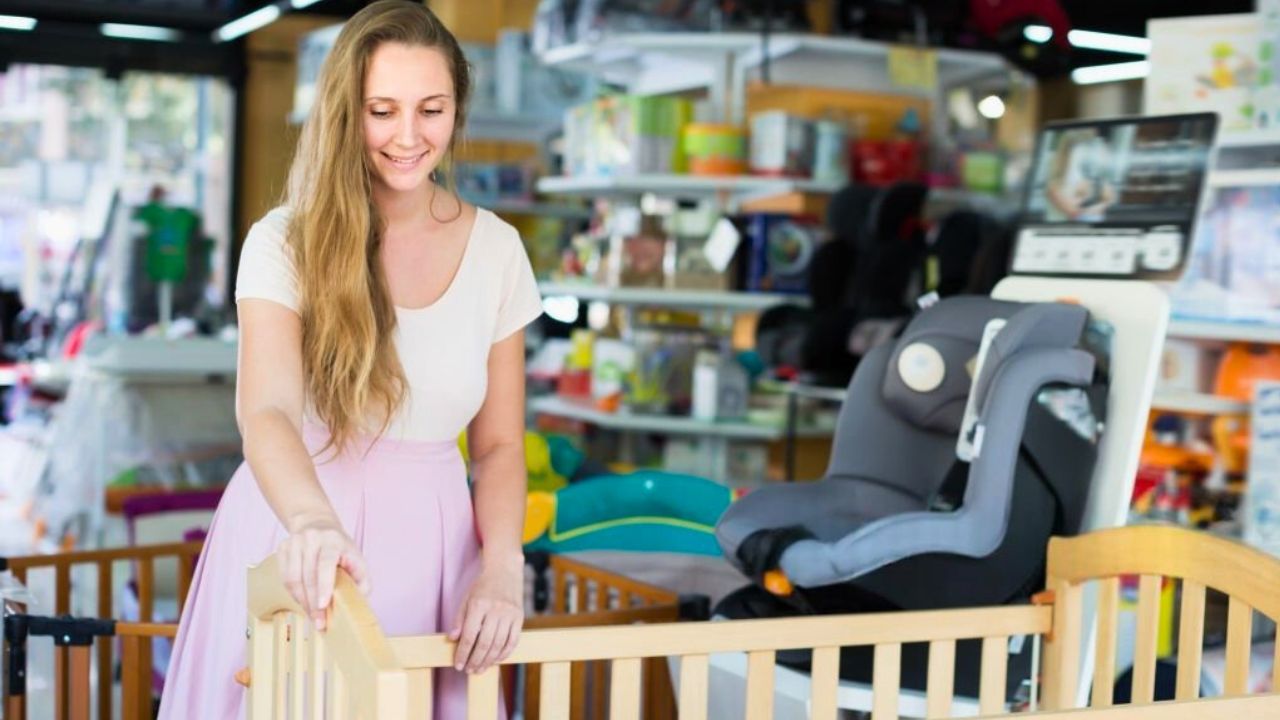
Within the broad category of children’s goods, certain products are so tightly linked to recalls and evolving standards that buying them used is a gamble with very little upside. Cribs are at the top of that list. Consumer finance and safety writers have flagged Baby Cribs as one of the Top 7 Most Dangerous Products to Buy Used, noting that Many parents fantasize about giving their babies the best, but older crib designs may not be safe enough for your baby under current rules. Drop side models, missing hardware, or homemade repairs can all turn a seemingly solid crib into a trap.
Soft sleep surfaces and loungers are just as fraught. Regulators have repeatedly warned that inclined sleepers, padded nests, and similar products can contribute to suffocation or positional asphyxia, which is why so many of them now appear on lists of banned or recalled infant sleep products. Safety officials emphasize that some of these items have been linked to multiple infant deaths, and that they should never be resold, donated, or passed down informally. When you see a deeply discounted bassinet, lounger, or crib in a secondhand listing, you are looking at the epicenter of recall risk in the entire resale ecosystem.
Used cars: the other high‑stakes recall hotspot
After children’s products, the secondhand category with the most severe recall consequences is used vehicles. A car or SUV with an unresolved safety defect can turn a routine drive into a life threatening event, and yet these vehicles change hands constantly without every buyer checking their recall status. Consumer finance guidance on risky purchases during recall season puts Used cars and SUVs with open safety recalls at the very top of the danger list, warning that unresolved defects can affect airbag deployment and even basic drivability.
Unlike a toy or a crib, a recalled vehicle is not something you can simply discard if a problem emerges, and the cost of repairs or the time spent waiting for replacement parts can be substantial. Yet private sellers and some small dealers may not disclose open recalls, and buyers often skip the simple step of running a vehicle identification number through a recall database before handing over cash. If you are weighing which secondhand categories deserve the most scrutiny, used cars sit just behind baby gear in terms of potential harm, because a single missed recall can affect everyone in and around the vehicle, not just the person who bought it.
Electronics and home furnishings: hidden fire and injury hazards
Electronics are another category where recall risk is both common and consequential, especially when you buy them used. Safety experts who track lingering recalled products have singled out baby products and electronics as the two categories that deserve particular scrutiny, with one expert, Feldman, warning that dangerous products can linger on store shelves despite a recall. Recent recall roundups have included high profile examples like Anker PowerCore 10000 power banks, where Anker PowerCore 10000 power banks were recalled in a batch of 1.16 m units due to fire hazards after 19 incidents of fires or explosions, potentially causing fires and burns.
Home furnishings and accessories can be just as risky, even if they look harmless. Injury research has found that home furnishings, fixtures, and accessories are a major source of emergency room visits, with Packaging and containers such as jars, bottles, and storage lids alone linked to 467,225 injuries, many of which were due to broken glass, sharp edges, or fire related hazards. When you buy these items secondhand, you may be dealing with older designs that lack modern safety features, damaged components that are hard to spot in a quick inspection, or products that have already been recalled but never removed from circulation.
What regulators keep finding in thrift stores
Thrift stores and charity shops are often the first place recalled products go when an owner no longer wants them, which is why regulators periodically sweep these outlets to see what is actually on the shelves. In one such study, investigators reported that, Overall, 69 percent of the thrift shops they visited had at least one hazardous product available for sale. The top three hazardous products identified included children’s items and other goods that did not meet current safety standards, which means they would likely appear in recall databases if you searched for them by brand and model.
These findings matter for your secondhand strategy because they show that even well intentioned charities and resale chains struggle to keep up with the volume and complexity of recalls. Staff may not have the time or training to cross check every donated crib, toy, or appliance against federal recall lists, and smaller stores may not even be aware that certain categories, like older infant sleep products, are now illegal to sell. When you walk into a thrift store, you should assume that the burden of recall checking falls on you, especially for children’s gear, electronics, and anything that could start a fire or fail in a crash.
Why some everyday items are safer to skip used
Not every secondhand hazard is about mechanical failure or fire. Some categories are simply too intimate or perishable to justify the savings. Consumer advisers who specialize in secondhand shopping warn that there are at least two items you should never buy used under any circumstances: underwear and food products. In one widely shared set of tips, a safety expert named Kärkinen described these as the biggest red flags, explaining that, no matter how clean they look or how cheap they are, hygiene and contamination risks are too high, which is why Jan guidance on second hand products singles them out.
Food in particular sits at the intersection of recall systems and secondhand culture. While you are unlikely to buy opened food at a thrift store, you might be tempted by discounted pantry items at informal resale events or through community groups. Food safety educators urge you to Follow basic rules for shopping and storing food safely, including checking expiration dates, inspecting packaging, and signing up for alerts from the FDA so you know when a product has been recalled. One public health guide advises you to Follow this advice as well as your best judgment to keep yourself safe from illness and to avoid excessive food waste, which is a reminder that some categories are simply not worth the risk when they come without a clear chain of custody.
How to check recall status before you buy secondhand
Once you know which categories are riskiest, the next step is to build a quick recall check into your secondhand routine. For general consumer products, you can search the federal recall database by product type, brand, or model number, scanning categories that range from Recalls of toys and furniture to specialty items like Aquariums or Accessories and Area Rugs or Carpets. For food, drugs, and cosmetics, you can look up specific brands or lot numbers in the FDA’s system of recalls, market withdrawals, and safety alerts, which often include photos and detailed descriptions that help you match what you are holding to the official notice.
Experts who explain why FDA product recalls happen emphasize that Proper labeling is key and that One small mistake Can lead to a massive recall for consumers, which is why Staying informed is crucial. In a widely shared explainer, safety advocate Salman Pathan walks through how contamination, mislabeling, and undeclared allergens can trigger a recall and why you should pay attention to batch codes and ingredient lists, advice he summarizes in a video on Proper recall awareness. For children’s products, you can also scan recent roundups of Children Product Recalls and Safety Alerts, which highlight toys, clothing, and gear pulled from the market due to serious safety violations and are often compiled in consumer news digests like the Consumer product safety recall roundup for Jan. 8, 2026.
Building a safer secondhand strategy around high‑risk categories
When you put all of this together, a pattern emerges that should shape how you approach secondhand shopping. Children’s and baby products sit at the center of recall activity, with cribs, infant sleep products, and loungers representing the highest concentration of risk, followed closely by used vehicles and certain electronics that can fail catastrophically. Sports and recreation items, which injury lawyers note come Following children and baby products in recall frequency, deserve extra scrutiny as well, especially when they involve helmets, protective gear, or powered equipment.
A practical strategy is to divide your secondhand targets into three buckets. In the first bucket, place items you should almost never buy used, such as cribs, infant sleepers, baby loungers, underwear, and food products. In the second, include high stakes purchases like used cars, strollers, car seats, and large electronics, which you should only consider if you can verify their recall status and inspect them thoroughly. In the third, keep low risk goods like books, some clothing, and simple home decor, which still benefit from a quick visual check but rarely appear in recall databases. By centering your caution on the categories that regulators, injury lawyers, and safety experts keep flagging, you can enjoy the financial and environmental benefits of secondhand shopping without exposing yourself or your family to the products most likely to be pulled from the market tomorrow.
Like Fix It Homestead’s content? Be sure to follow us.
Here’s more from us:
- I made Joanna Gaines’s Friendsgiving casserole and here is what I would keep
- Pump Shotguns That Jam the Moment You Actually Need Them
- The First 5 Things Guests Notice About Your Living Room at Christmas
- What Caliber Works Best for Groundhogs, Armadillos, and Other Digging Pests?
- Rifles worth keeping by the back door on any rural property
*This article was developed with AI-powered tools and has been carefully reviewed by our editors.