The kid product recall mistake parents make after hand-me-downs
Photo credit: Oleksandr Hrytsiv/istock.com
Hand-me-down baby gear feels like a parenting win: you save money, cut waste, and keep beloved items in the family. Yet the quiet risk hiding in that generosity is how easily a recalled or outdated product can slip into your home without anyone realizing it. The most common mistake parents make is assuming that if something survived one child, it must still be safe, instead of treating every secondhand item as a fresh recall and safety check.
When you skip that step, you are not just rolling the dice on minor wear and tear, you may be putting your child into a product that regulators have already linked to serious injuries or deaths. The fix is not to reject every hand‑me‑down, but to build a simple, repeatable system for checking recalls, understanding expiration dates, and spotting design hazards before your baby ever touches the gear.
Why hand-me-downs are different from new gear
When you buy a new stroller, crib, or high chair, you usually get a registration card, a clear model number, and a direct line of communication with the manufacturer if something goes wrong. With hand‑me‑downs, you inherit the object but not the paper trail, which means you often lose the automatic alerts that would flag a safety issue. You might not even know the exact name of the product, which makes it harder to verify whether it has ever been recalled.
On top of that, safety standards evolve. Items that were perfectly legal when your older niece used them may no longer meet current rules for things like entrapment gaps in cribs or restraint systems in infant seats. Public health guidance stresses that Used toys and hand‑me‑downs may not meet current safety standards, and that if you have any doubts about a toy’s safety, you should be cautious and remove it. Treating secondhand gear as if it were new ignores this gap between past and present standards, which is exactly where many recall risks hide.
The recall blind spot most parents overlook
The biggest recall mistake parents make after accepting hand‑me‑downs is assuming that if a serious recall existed, they would have heard about it on the news. In reality, recall communication is fragmented, and coverage tends to focus on food or high‑profile cases, not the everyday baby gear that quietly fills your home. Pediatric guidance notes that while you may get instant alerts about food, you are far less likely to hear about children’s toys and products unless you actively look them up, which is why parents are urged to check any secondhand item at recalls.gov before use.
Regulators maintain detailed recall databases, but they rely on you to come to them. The United States Consumer Product Safety Commission runs a central recall portal where you can search by brand, product type, or model number, and it lists consumer product recalls going back decades. If you never plug that hand‑me‑down swing or crib into the CPSC recall search, you are effectively opting out of the main system designed to warn you when something has been linked to injuries or deaths. That is the blind spot: not that recalls are hidden, but that they are easy to miss if you do not build a habit of checking.
What recent recall failures reveal about secondhand risks
Recent high‑profile baby product recalls show how easily dangerous gear can linger in circulation, especially once it starts moving through families and resale groups. In one widely scrutinized case, The Rock ‘n Play sleeper was recalled after regulators and the manufacturer linked it to infant deaths, and parents and caregivers were told to stop using the product and contact The Rock ‘n Play maker Fisher Price for a remedy. Yet even after that, experts pointed out that many families still had the sleepers in their homes, or were encountering them secondhand, without realizing they were recalled.
That pattern is not unique. When a stroller recall over fingertip amputations made headlines, it became clear that some parents had continued to use the product for years because they did not know about the hazard. Reporting on the Maclaren stroller case noted that, over the past decade, a dozen children had their fingertips amputated after putting them in a stroller’s hinge, a reminder that a design flaw can keep injuring kids long after the first warning if the product stays in circulation. The lesson from that Over the years is simple: if you do not verify the recall status of a hand‑me‑down, you may be putting your child into the next incident in a long chain.
The products experts say you should never accept used
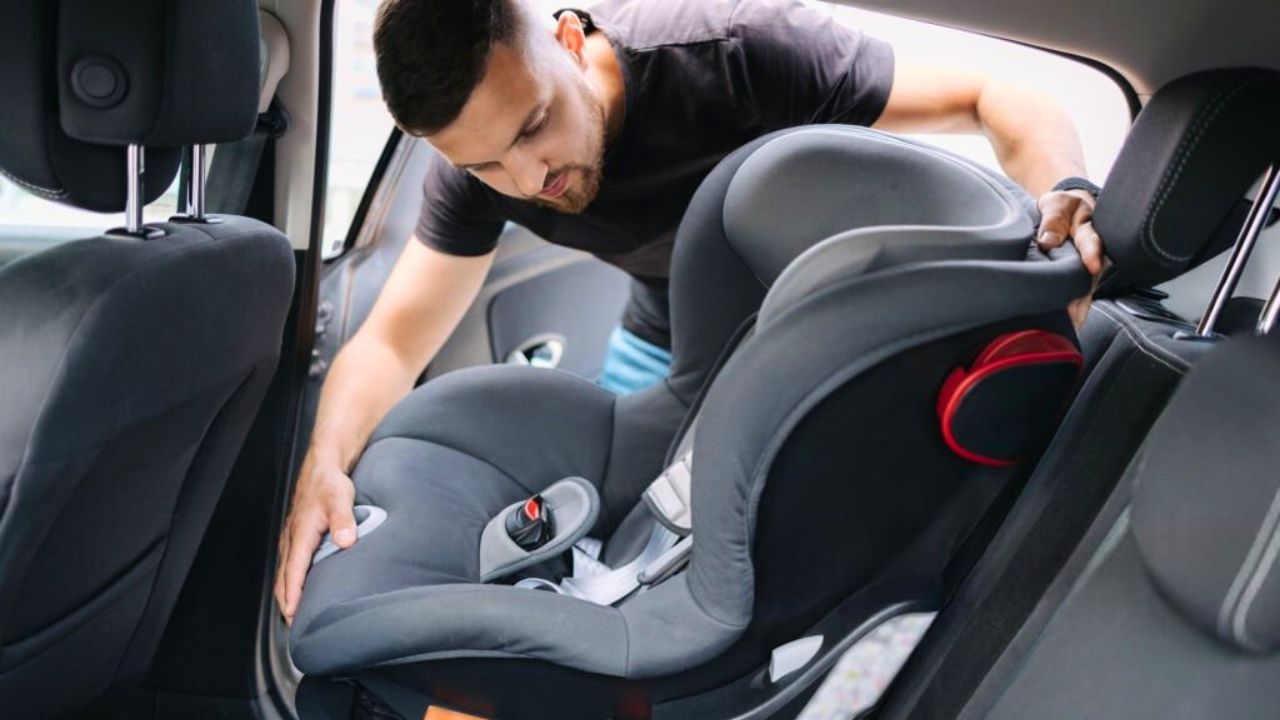
Not all baby gear carries the same level of secondhand risk, and some categories are so sensitive that safety experts consistently advise against accepting them used. Guidance on hand‑me‑downs highlights that before you accept anything, you should review Important Information on Recall and Safety Before you bring it home, and that certain items, including cribs, car seats, and changing tables, deserve extra scrutiny. The recommendation is to check with the United States Consumer Product Safety Commission for each of these categories, because structural integrity, missing parts, and outdated designs can turn them into serious hazards even if they look fine at a glance.
Car seats are a particular flashpoint. Community discussions among stepparents capture the tension well, with one parent noting that, Jan or not, Practically the equipment is probably expired and cannot be used, and that Some things, like car seats and sometimes strollers, are worth replacing even if it hurts the money and your ego. Safety organizations echo that view, warning that plastic shells degrade, crash history is often unknown, and labels with vital recall and expiration information may be missing. When you combine that with the difficulty of registering a secondhand seat for future alerts, the case for buying this one category new becomes compelling.
Why relying on sellers and groups is not enough
Many parents assume that if a recalled product shows up in a consignment shop or online marketplace, someone else must have vetted it. Moderators of parenting groups try, but they are the first to admit that gaps remain. One administrator of a local children’s consignment group on Facebook explained that they do their best to keep unfixed recalled items out, yet still urge buyers to double‑check the items they are buying. That reminder, shared in a Feb discussion, underscores that even diligent communities cannot replace your own recall search.
Informal swaps among friends and relatives can be even looser. A cousin may pass along a beloved bassinet without ever checking whether it has been subject to a safety notice, simply because it “worked fine” for their baby. Yet pediatric safety advice stresses that you should not rely on word of mouth for something as serious as a recall, and instead should look up the item at official portals like recalls.gov or the CPSC database. When you treat every hand‑me‑down as your responsibility to vet, rather than assuming a seller or group has done it, you close a major gap in your child’s safety net.
How to run a quick recall check on every hand-me-down
The most practical way to avoid the recall mistake is to build a simple, repeatable routine for every secondhand item that enters your home. Start by finding any labels, model numbers, or brand names on the gear, then plug those details into a recall search. The CPSC website lists all consumer product recalls since 1973 and offers a search function that lets you look up certain products you are concerned about, which is why many pediatric resources point parents to The CPSC as a first stop.
For car seats and other travel gear, you should also Check the National Highway Traffic Safety Administration database or the manufacturer’s website to confirm whether the model has been recalled or has an expiration date you are approaching. Guidance on new versus used baby gear emphasizes that you can use these official tools to verify safety before you commit to a secondhand purchase, and that this step is just as important as inspecting for visible damage. If you cannot find a model number, or if the label is too worn to read, treat that as a red flag rather than a minor inconvenience and consider skipping the item altogether.
The limits of registration and why used gear is harder
Product registration is one of the main ways manufacturers notify you about recalls, but it works best when you are the original buyer. With used gear, you often cannot register the item at all, or the registration may still be tied to the first owner who has long since moved or changed email addresses. Consumer safety guidance notes that You also might not be able to register used products to learn about recalls and other important notices, which is one reason experts urge you to be cautious when bringing used or secondhand baby gear home. Without that direct line, you are dependent on your own periodic checks instead of automatic alerts.
Even when registration is possible, it is not foolproof. Reporting on the recall process has highlighted that Some experts say the system is failing parents, pointing to cases where reannouncements were needed because too many families still had dangerous products in their homes. In one reannouncement involving Some products, the CPSC said that millions of units were still in use despite earlier notices. That reality should shift how you think about hand‑me‑downs: registration is helpful, but it is not a substitute for your own recall searches and periodic safety reviews.
Hidden hazards beyond recalls: batteries, lead, and strangulation
Recalls are only part of the story. Some hazards do not always trigger a formal recall but are still serious enough that you should screen for them whenever you accept used toys or gear. Holiday safety reminders for parents emphasize that small batteries can damage and cause burns to the esophagus if swallowed, and that you should Make sure they are secure in toys before giving them to a child. The same guidance warns about Lead Poisoning, noting that Primar concerns involve toys made with lead paint, and that if you suspect lead you should remove the toy immediately. These are exactly the kinds of risks that can slip into your home through older, imported, or heavily used items.
Soft toys and gear can also hide dangers. Stuffed animals and dolls can pose aspiration risks if small parts detach, causing choking and air constriction, while strings, cords, and netting on toys can create strangulation hazards if they wrap around a child’s neck. Safety campaigns urge parents to watch for these features and to compare any secondhand toy to lists of recalled toys with helpful photos that show what to look for when you are sorting through gifts or hand‑me‑downs. One widely shared reminder from a local news outlet encouraged families to write it down, post it, share it, and check Dec safety lists before letting kids play, a habit that applies just as much to a box of hand‑me‑downs as it does to new holiday presents.
Building a personal checklist before you say yes
To avoid the recall mistake and the broader safety pitfalls of hand‑me‑downs, it helps to formalize your instincts into a short checklist you follow every time. Start with a basic visual inspection for cracks, missing parts, frayed straps, and improvised repairs like duct tape or loose screws. Then move to the information layer: find labels, model numbers, and manufacturing dates, and run them through recall searches at the CPSC, recalls.gov, and, for car seats, the National Highway Traffic Safety Administration. Pediatric resources on secondhand products stress that you should always verify the item at Check the National Highway Traffic Safety Administration or the manufacturer’s website before use.
Finally, decide in advance which categories you will only buy new, such as car seats or certain sleep surfaces, and communicate that boundary to generous relatives so they understand it is about safety, not ingratitude. Resources that compile Important Information on Recall and Safety Before you accept anything suggest that you keep a short list of “always new” items and a longer list of “used is fine if it passes checks,” which might include clothing, some toys, and simple furniture. By the time a hand‑me‑down reaches your nursery, it should have cleared your recall search, your physical inspection, and your category rules. That structure turns what could be a risky guess into a confident yes, letting you enjoy the savings and sentiment of secondhand gear without sacrificing your child’s safety.
Supporting sources: 8 Hand-Me-Down Baby Products to Avoid | Byram Healthcare, Is It Safe to Buy a Used Car Seat, Stroller, or Crib for Your Baby?.
Like Fix It Homestead’s content? Be sure to follow us.
Here’s more from us:
- I made Joanna Gaines’s Friendsgiving casserole and here is what I would keep
- Pump Shotguns That Jam the Moment You Actually Need Them
- The First 5 Things Guests Notice About Your Living Room at Christmas
- What Caliber Works Best for Groundhogs, Armadillos, and Other Digging Pests?
- Rifles worth keeping by the back door on any rural property
*This article was developed with AI-powered tools and has been carefully reviewed by our editors.