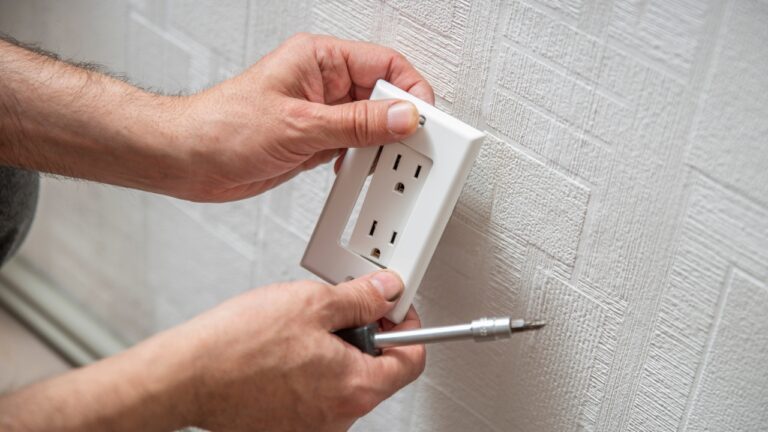
The indoor air problem that’s getting worse in tighter homes
Photo credit: EyeEm Mobile GmbH/istock.com
As homes get tighter and more energy efficient, the air inside them is quietly changing in ways you can feel but not always see. You may notice more headaches, lingering odors, or a stuffy heaviness that never quite lifts, even when the thermostat says you should be comfortable. The very upgrades that help you cut your utility bills are also trapping a growing mix of pollutants indoors, turning air quality into one of the most pressing hidden issues in modern housing.
Why tighter homes are suddenly everywhere
You live in a housing era defined by efficiency. Builders and retrofit contractors are under pressure to seal every gap, wrap every wall, and insulate every cavity so your heating and cooling dollars stay inside. That push has created a new generation of highly sealed buildings where air barely leaks through the envelope, a shift that would have been unthinkable in the drafty homes of previous decades. In principle, this is a win for your wallet and for emissions, but it also means the natural “accidental ventilation” older homes relied on is disappearing.
Guides on Airtight, Energy Efficiency describe how sealing up a building has become one of the main strategies for cutting energy waste, with air tightness now treated as a core performance metric. At the same time, specialists in Airtightness and Ventilation note that the more airtight a building is, the more its indoor environment depends on deliberate ventilation design rather than chance leaks. When that design is missing or undersized, the same envelope that locks in energy also locks in pollutants, moisture, and heat.
The comfort tradeoff: when “tight” turns into “stuffy”
Once your home crosses a certain threshold of tightness, comfort stops being just about temperature and starts being about how quickly indoor air is refreshed. Without enough fresh air, humidity climbs, odors linger, and rooms begin to feel heavy or oppressive even when the thermostat is set where you like it. You may find yourself cracking windows in winter or running fans constantly just to shake the sense that the air is stale.
Building experts warn that Tight houses need fresh air because relying on leaks to ventilate a modern envelope simply does not work once you have sealed it to current standards. Retrofit specialists describe this as The Retrofit Tightrope, where air tightness locks in energy as much as it conserves, and poor ventilation can make a home feel suffocated, hot, and sticky. When you feel that way indoors, it is usually a sign that the air is not just uncomfortable, it is also carrying a higher load of contaminants.
From “tight home syndrome” to Sick Building Syndrome
As these comfort issues stack up, they often come with a cluster of health complaints that are easy to dismiss as stress or seasonal allergies. You might notice more headaches, irritated eyes, or fatigue that eases when you spend time outside. In tightly sealed homes, those patterns are now being recognized as part of a broader problem sometimes labeled Tight Home Syndrome, a modern cousin of the Sick Building Syndrome that first drew attention in office towers.
Indoor air specialists describe Tight Home Syndrome as a condition where inadequate ventilation leaves occupants feeling suffocated, hot, and sticky, with symptoms that improve when they leave the building. In more detailed discussions of Tight Home Syndrome, Sick Building Syndrome, they link these complaints to a high concentration of indoor pollutants that accumulate when air exchange is too low. The pattern is not just about discomfort, it is about your body reacting to an environment that is slowly loading up with contaminants it cannot clear.
What is actually in the air you are breathing
To understand why tighter homes can feel worse, you have to look at what is floating around inside them. Every time you cook, clean, light a candle, or even just breathe, you add gases and particles to the indoor mix. When the building is leaky, those pollutants tend to drift out with the escaping air; when it is sealed, they stay with you, hour after hour, day after day.
Federal guidance on Indoor pollution sources explains that anything releasing gases or particles into the air is a primary cause of indoor air problems, and that inadequate ventilation lets these concentrations rise. A companion section on What Causes Indoor Air Problems lists building materials, furnishings, combustion appliances, cleaning products, pesticides, and even outdoor air pollution that seeps in as contributors. When you tighten your home without upgrading ventilation, you are effectively putting a lid on this chemical and particulate stew.
How modern construction quietly loads your air with chemicals
Newer homes are not just tighter, they are also built and furnished with more synthetic materials than the houses many people grew up in. Engineered wood, vinyl flooring, spray foam, adhesives, and composite cabinetry all release volatile organic compounds into the air, especially when they are new. In a sealed environment, those emissions have fewer paths to escape, so they linger longer and at higher levels.
Contractors who focus on Indoor Air Quality Challenges in New Buildings point out that construction processes generate significant amounts of dust and debris, and that chemicals in building materials accumulate in tightly sealed spaces. Another analysis of Installing High, Quality Filtration Systems for Clean Air Circulation notes that without adequate ventilation, pollutants like volatile organic compounds and particulate matter build up and can undermine health and well being. When you combine those emissions with a tight envelope, you create a situation where the newest homes can have some of the most contaminated indoor air.
The hidden health stakes inside airtight homes
The consequences of this buildup are not abstract. You may notice more respiratory irritation, worsening asthma, or unexplained fatigue after moving into a newly sealed or newly built home. Children, older adults, and anyone with existing lung or heart conditions are especially vulnerable, because their bodies are less able to cope with constant low level exposure to pollutants.
Analyses of Reduced ventilation in homes warn that cutting off fresh air can increase the risk of respiratory disorders or other serious illnesses when pollutants accumulate. A broader overview of The Hidden Dangers of Airtight Homes You Don, Know links tightly sealed construction to issues like mold growth, elevated humidity, and trapped combustion byproducts that can all aggravate health problems. When you add in naturally occurring hazards such as Radon seeping from soil into basements, the health stakes of a sealed envelope without proper ventilation become even clearer.
Weatherization, energy upgrades, and the ventilation gap
Energy retrofits are often sold to you as a straightforward win: add insulation, seal cracks, upgrade windows, and watch your bills drop. What you are rarely told is that every step that tightens your home also changes how air moves through it, and that ignoring ventilation can turn a well intentioned weatherization project into an indoor air quality setback. The risk is not the insulation itself, it is the failure to pair it with a plan for how fresh air will get in and stale air will get out.
Federal guidance on Weatherization Challenges notes that indoor pollutant exposures may be increased due to air tightening activities, and that combustion gases, including deadly carbon monoxide, can build up if exhaust pathways are compromised. Consumer safety advice in Indoor Air Quality Concerns explains that if too little outdoor air enters a home, pollutants from sources like building materials and cleaning activities can accumulate after those activities. When you weatherize, you are not just changing your energy profile, you are rewriting the script for how your home breathes.
Why your new home may have worse air than your old one
If you have ever moved from an older, drafty house into a brand new build and felt less comfortable, you are not imagining it. Modern homes are engineered to be tight, with continuous insulation, sealed penetrations, and high performance windows that dramatically cut air leakage. Without a matching investment in mechanical ventilation, that tightness can turn your living room into a closed jar where every pollutant you generate stays with you.
Analysts of Indoor Air Quality in Homes point out that the modern home is built “tight” with heavy insulation and few air leaks, which boosts energy efficiency but also traps pollutants indoors with you. Ventilation manufacturers warn that Modern homes built with airtight design to maximize efficiency can see volatile organic compounds and semi volatile organic compounds accumulate in the air. Home safety advocates add that When a house is sealed without a ventilation strategy, moisture, odors, and pollutants are all more likely to be trapped inside. In other words, your new home’s performance envelope may be state of the art, but its air can be worse than what you breathed in an older, leakier place.
How to reclaim healthy air without giving up efficiency
The good news is that you do not have to choose between a tight, efficient home and air that feels clean. The key is to treat ventilation and filtration as core systems, not afterthoughts. That starts with understanding how air moves through your particular building, then adding controlled pathways for fresh air to enter and stale air to leave, ideally with heat recovery so you are not throwing away the energy you paid to create.
Professionals who design ventilation systems emphasize that The Hidden Dangers of Airtight Homes You Don, Know can be managed when you pair tight envelopes with balanced mechanical ventilation and properly sized exhaust fans. Construction experts recommend Reducing VOCs from Household Products and installing high quality filtration systems so clean air circulates through your living spaces. When you retrofit or build, you can also work with contractors who understand Energy Efficiency and Healthy Air as a single design problem instead of a tradeoff. That shift in mindset, from “seal it and forget it” to “seal it and ventilate it,” is how you keep the benefits of tight construction without paying for them with your lungs.
Like Fix It Homestead’s content? Be sure to follow us.
Here’s more from us:
- I made Joanna Gaines’s Friendsgiving casserole and here is what I would keep
- Pump Shotguns That Jam the Moment You Actually Need Them
- The First 5 Things Guests Notice About Your Living Room at Christmas
- What Caliber Works Best for Groundhogs, Armadillos, and Other Digging Pests?
- Rifles worth keeping by the back door on any rural property
*This article was developed with AI-powered tools and has been carefully reviewed by our editors.