The mold-prevention step that matters more than bleach
Photo credit: New Africa/Shutterstock.com
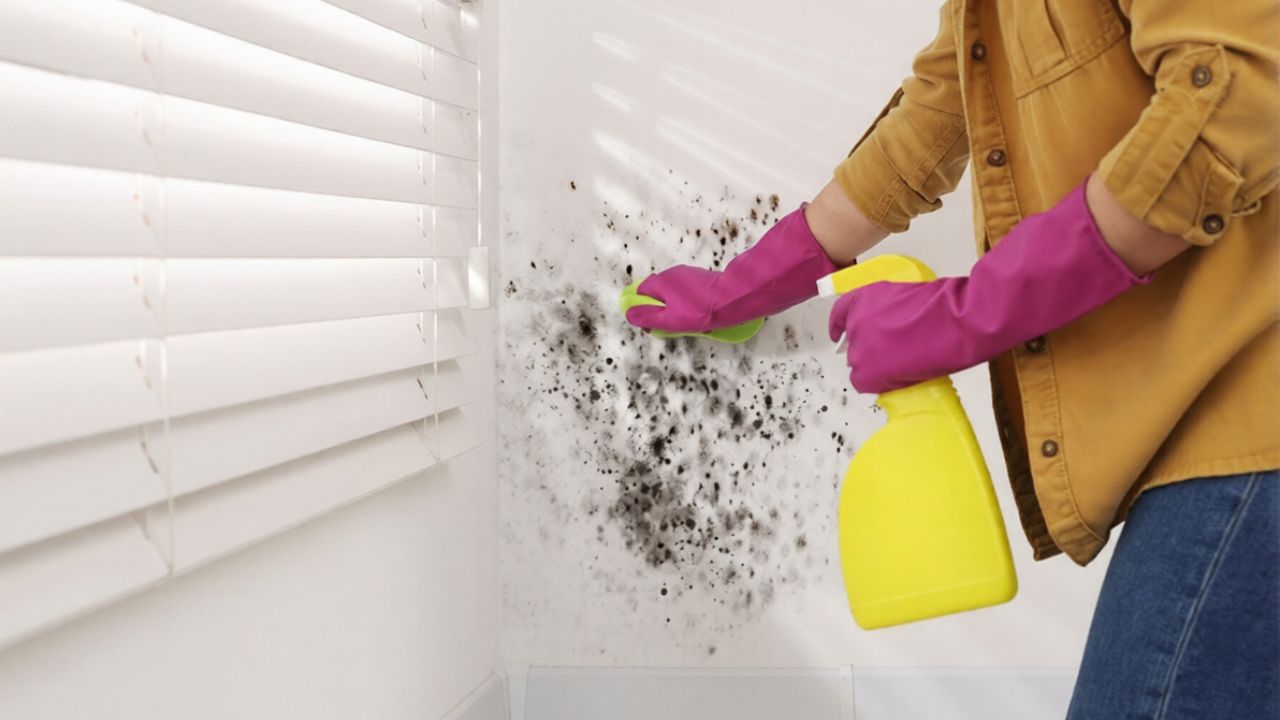
Mold is not just a cosmetic problem on a bathroom wall or basement beam. It is a living organism that feeds on your home and can aggravate asthma, allergies, and other respiratory issues long after the stain has faded. If you want to stop mold from coming back, the critical move is not how aggressively you scrub with bleach, but how effectively you cut off the moisture that lets it grow in the first place.
That single step, controlling dampness before and after cleanup, matters more than any bottle in your cleaning caddy. Bleach can make a patch of mold look better for a weekend, yet if humidity, leaks, or condensation stay the same, the colony simply regroups out of sight and returns. To keep your walls, floors, and lungs clear, you need to understand what mold is, why bleach is overrated, and how moisture control quietly does the heavy lifting.
Bleach’s reputation vs. mold’s reality
You have been taught to see bleach as the nuclear option of cleaning, the product you reach for when nothing else feels strong enough. That reputation makes it tempting to treat mold as just another stain that a splash of Chlorine Bleach can erase. In practice, mold behaves less like dirt and more like a weed, with roots that extend into porous materials and spores that drift through the air, which means a surface wipe rarely reaches the parts that matter.
Professional guidance now reflects that gap between perception and reality. The Environmental Protection Agency notes that while some people still reach for bleach, it is not routinely recommended for household mold cleanup and is classified among biocides that must be handled carefully. Restoration specialists warn that Chlorine Bleach may strip away visible growth but often fails to penetrate drywall, grout, or wood, leaving the underlying mold structure intact and able to regrow once conditions are right again, a pattern described in detail in the discussion of the myth of bleach and mold.
Why moisture control is the real mold “off switch”
If bleach is the flashy fix, moisture control is the quiet switch that actually shuts mold down. Mold spores are everywhere, indoors and out, and you cannot realistically sterilize your home. What you can do is remove what mold needs to turn from invisible spores into a spreading colony: persistent dampness on surfaces and in the air.
Public health guidance is blunt on this point, stating that the key to mold control is moisture control and advising you to clean up growth promptly while fixing the water source that allowed it to appear in the first place, a principle laid out in official mold basics. Extension experts echo that the best way to prevent mold is to keep indoor humidity below 60 percent, use air conditioning or dehumidifiers, and dry wet materials within 24 to 48 hours, a set of mold prevention quick facts that put moisture, not disinfectant, at the center of your strategy.
How bleach behaves on porous vs. non‑porous surfaces
Bleach is not useless, but its strengths are narrower than its marketing suggests. On non‑porous surfaces such as glazed tile, glass, or metal, a properly diluted solution can kill mold on contact and lighten staining. The problem is that most household mold problems involve porous materials like drywall, unfinished wood, insulation, or caulk, where the organism extends below the surface and into microscopic pores that liquid bleach does not reliably reach.
Testing and field experience show that Bleach can be effective on hard, non‑porous materials but fails to eliminate mold spores in porous substrates, which is why professionals stress its limitations. Detailed breakdowns of how Chlorine Bleach behaves on drywall and wood note that it may even leave behind extra moisture that seeps into the material and feeds deeper growth, a dynamic that helps explain why some remediation firms describe bleach as one of the worst choices for real mold problems and why they emphasize that it is not a permanent solution.
The health and safety trade‑offs of using bleach
Even when bleach does help with surface mold, you pay a price in fumes and potential chemical reactions. Using it in a small bathroom or basement can irritate your eyes, nose, and lungs, especially if you already live with asthma or allergies. The risk rises if you mix it, intentionally or accidentally, with other cleaners that contain ammonia or acids, which can create toxic gases that are far more dangerous than the mold patch you were trying to erase.
Guidance on health and safety tips when using bleach for mold stresses protective gear, ventilation, and strict dilution, a level of caution that many homeowners simply do not follow in day‑to‑day cleaning. Regulators have also shifted away from recommending bleach as a default, with the Occupational Safety and Health Administration and the Environmental Protection Agency both moving to other options and warning that bleach can be one of the worst things you can do in some mold situations, a stance summarized in guidance that notes how OSHA and EPA no longer recommend it as a go‑to solution.
Why professionals keep coming back to moisture, not chemicals
When you look at how remediation companies actually tackle serious mold jobs, their first steps are almost always about drying, not dousing. They track down roof leaks, plumbing failures, and condensation points, then bring in air movers and dehumidifiers to pull moisture out of walls and subfloors. Only after the environment is dry do they focus on removing contaminated materials and, if needed, applying targeted antimicrobial products.
Specialists who explain why bleach does not kill mold for good point out that mold does not grow without moisture and that spotting mold in your home is a warning sign of an underlying water problem, a connection spelled out in discussions of how water damage causes mold. Their prevention checklists focus on fixing leaks, improving drainage, and managing humidity in crawl spaces and around furniture, reinforcing the idea that if you dry the structure and keep it dry, even leftover spores will not have the conditions they need to bloom again.
Smarter cleaning: vinegar, HOCl, and other bleach alternatives
Once you accept that moisture control is the main event, you can be more selective about the products you use for the actual cleanup. For many household situations, plain white vinegar is enough to handle small mold patches on hard surfaces without the harsh fumes of bleach. Its acetic acid content disrupts mold cells and can kill several common types, especially on non‑porous materials where it can stay in contact with the growth instead of soaking away.
Guides on vinegar’s effectiveness note that it works well on glass, tiles, and metal, although it may not fully penetrate thick, porous materials in severe cases. Some remediation experts also highlight hypochlorous acid, or HOCl, as a safer and more effective alternative to Bleach for Mold, describing it as a safer, more effective alternative that breaks down into salt and water and is therefore more environmentally friendly.
Bleach vs. vinegar: what actually happens on your walls
When you compare bleach and vinegar side by side, the difference is less about raw power and more about how they interact with real‑world surfaces. Bleach is a powerful sterilizing chemical that can tackle innumerable microbes on clean, hard materials, but it is also volatile and can lose strength quickly, especially on dirty or porous surfaces. Vinegar is weaker as a disinfectant in laboratory terms, yet it tends to linger longer on surfaces and does not carry the same risk of toxic byproducts if you accidentally mix it with other cleaners.
Practical guides on how to remove mold with bleach or vinegar emphasize that vinegar can cleanse an area of mold on many household surfaces when used correctly. Other comparisons that ask whether Bleach or Vinegar is better for killing mold underline that addressing mold promptly is important to prevent health issues and structural damage, and they list key takeaways that favor vinegar for many home applications, especially when it is mixed with water and used as part of a broader plan that includes drying and ventilation, as outlined in the Key Takeaways on that comparison.
What mold actually is, and why that matters for prevention
To choose the right strategy, you need to understand what you are up against. Mold is a type of fungus that reproduces through microscopic spores, which float through the air and settle on surfaces throughout your home. Those spores remain dormant until they find moisture and a food source such as paper, wood, fabric, or even household dust, at which point they germinate and form the fuzzy or discolored patches you recognize as mold.
Educational explainers on what mold is and what causes it stress that it is commonly found both indoors and outdoors and that it plays a role in breaking down organic matter in nature. Inside your home, that same talent for decomposition becomes a liability, as mold can gradually damage drywall, carpets, and framing while releasing particles that irritate your respiratory system. Recognizing mold as a living organism, not a stain, reinforces why moisture control and removal of contaminated materials are more effective than simply trying to sterilize the surface with a single product.
Building a prevention‑first routine that outperforms bleach
Once you see moisture as the main driver, prevention stops looking like an optional extra and starts to feel like routine maintenance. That means using exhaust fans during and after showers, running a dehumidifier in a damp basement, and making sure your clothes dryer vents outside instead of into a crawl space. It also means responding quickly to spills, leaks, and minor flooding, drying carpets and walls within a day or two so mold never gets a foothold.
Public health guidance on biocides such as bleach makes clear that chemical treatments should never substitute for fixing the underlying moisture problem. Detailed prevention advice urges you to keep the indoor humidity below 60 percent, repair roof and plumbing leaks promptly, and ensure that rainwater drains away from your foundation, a set of steps that align with the affordable, safer alternatives approach that favors natural cleaners like vinegar for Mold and thorough vacuuming to remove dried spores for good. When you combine those habits with targeted cleaning products, you end up with a mold‑control plan that is quieter than a splash of bleach but far more effective at keeping growth from returning.
When to call in experts and what to expect
There is a limit to what you can safely handle with a spray bottle and a fan. If mold covers a large area, keeps returning despite your best drying efforts, or is growing in HVAC systems or behind walls, it is time to bring in professionals who can assess the full extent of the problem. They have tools to measure moisture inside building materials, capture air samples, and locate hidden colonies that a quick visual inspection might miss.
Specialists who explain why you should never use bleach to kill mold describe how it cannot reach deep into porous materials like drywall, grout, or wood and may leave the roots untouched, which is why they focus instead on containment, removal, and drying, as outlined in guidance on why you should never use bleach to kill mold. Some also recommend alternative disinfectants and commercial antifungal products alongside moisture control, echoing consumer advice that lists Vinegar and other commercial antifungal products as part of a broader toolkit. When you understand that their first priority is drying and removal, not pouring on stronger chemicals, it becomes clear that the mold‑prevention step that truly matters is the one that keeps your home dry long after the bleach smell has faded.
Like Fix It Homestead’s content? Be sure to follow us.
Here’s more from us:
- I made Joanna Gaines’s Friendsgiving casserole and here is what I would keep
- Pump Shotguns That Jam the Moment You Actually Need Them
- The First 5 Things Guests Notice About Your Living Room at Christmas
- What Caliber Works Best for Groundhogs, Armadillos, and Other Digging Pests?
- Rifles worth keeping by the back door on any rural property
*This article was developed with AI-powered tools and has been carefully reviewed by our editors.