The attic moisture issue that starts with one small gap
Photo credit: Holden J Henry/Shutterstock.com
Attic moisture rarely announces itself with a dramatic roof failure. It usually begins with one overlooked gap, a thin pathway that lets warm indoor air sneak into a cold space until condensation quietly soaks wood, insulation, and drywall. If you understand how that single opening drives a chain reaction, you can stop the damage long before it shows up as stains, mold, or “attic rain” dripping onto your ceiling.
The core problem is simple physics: warm, moist air from your living areas rises, finds a shortcut into the attic, and then cools on contact with cold surfaces. That temperature drop squeezes water out of the air, turning invisible humidity into very visible moisture. Once you know where those shortcuts hide and how to close them, you can turn a vulnerable attic into a controlled, dry buffer that protects the rest of your home.
How one tiny gap turns into a moisture problem
Every attic moisture story starts with a pressure difference. Heated air inside your home is lighter than the cold air outside, so it naturally rises and looks for any escape route near the top of the building. When it finds a small bypass in the ceiling plane, that warm, moist air streams into the attic and spreads across cooler framing, roof sheathing, and nails. As it cools, the air can no longer hold the same amount of water vapor, so condensation forms on those surfaces and begins to soak into wood and insulation.
That process is not hypothetical. Building science guidance notes that when water meets warm air it evaporates, and that moist air, which has a lower average molecular weight than dry air, is less dense and rises into upper spaces. Once that air reaches the attic and hits cold materials, it reverses course and condenses again, leaving liquid water behind. Over time, this cycle can significantly increase heating costs, degrade insulation performance, and set the stage for mold growth even if your roof shingles are in perfect condition.
The usual suspects: where gaps actually hide
In most homes, the weak points are not dramatic holes but a collection of small, predictable openings. Contractors and inspectors repeatedly find that recessed lighting, bathroom fans, attic hatches, and plumbing or electrical penetrations act as chimneys that funnel warm air into the attic. One report on attic condensation lists Common leak points that include Recessed lighting, Small gaps around fixtures, and other penetrations that seem minor until you add up their combined area.
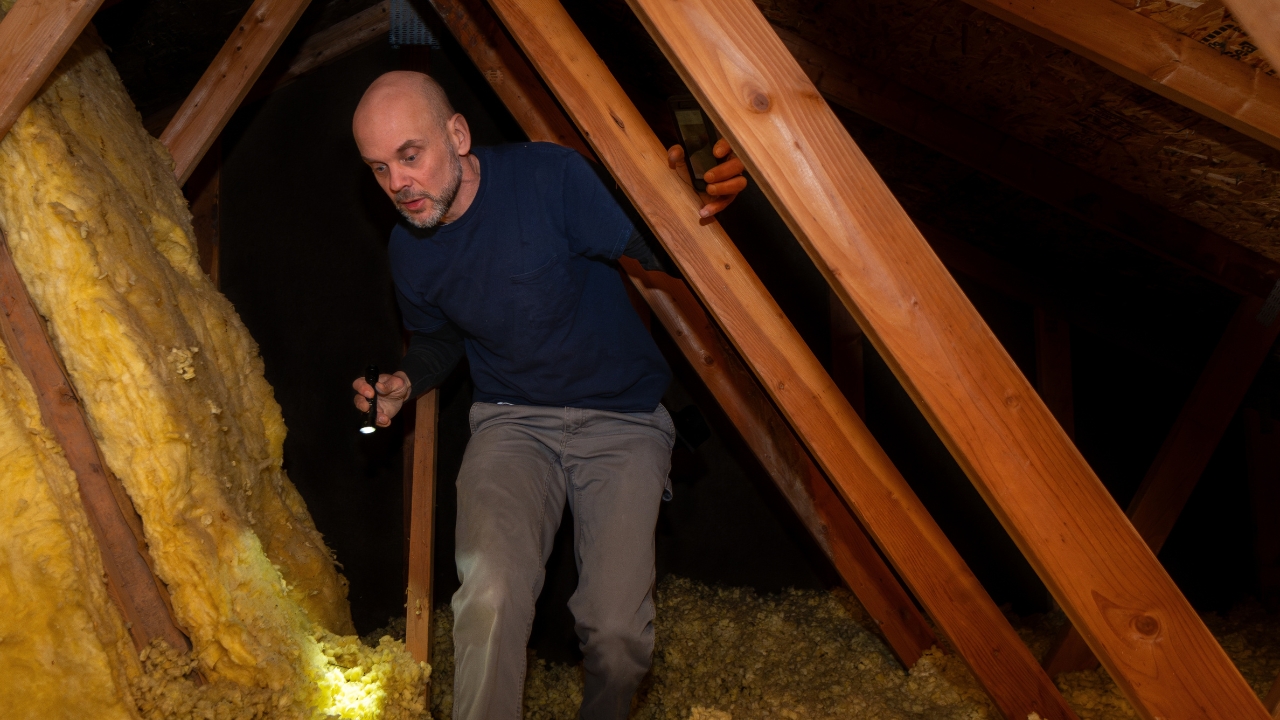
Even where insulation looks generous, it often hides voids around framing, junction boxes, or chimneys. A detailed review of attic insulation mistakes highlights Gaps at chimneys that are required for fire safety but function as major Air leaks as homes are tightened. These bypasses are easy to miss from the living room but obvious once you are standing in the attic with a flashlight. The pattern is consistent: moisture problems cluster where the air barrier is interrupted, not where insulation depth looks thin in the middle of a bay.
Warm indoor air: the hidden driver you do not see
The moisture itself usually comes from your daily life, not from outside. Cooking, showering, laundry, and even breathing all add water vapor to indoor air. When that air is trapped inside a relatively tight building shell, its humidity level climbs until it finds a way out. Roofing specialists point out that the most common source of attic moisture is Warm, moist indoor air rising into the attic, especially in winter when the temperature difference between inside and outside is greatest.
That same analysis notes that this warm air often escapes through bypasses around fixtures and framing, then condenses on cold roof sheathing if ventilation is not allowing for proper air flow. Another building science explainer on winter attic issues reinforces that Homeowners who see frost or water droplets under the roof deck are usually dealing with interior humidity that has migrated upward, not an exterior leak. In other words, the moisture problem is often a symptom of how your whole house handles air and humidity, not just a roofing defect.
Condensation versus leaks: reading the signs correctly
When you spot water in the attic, your first instinct is to blame the roof. Yet many contractors now report that condensation, not a hole in the shingles, is the real culprit in a large share of cases. A detailed guide on Condensation in attics explains that air leaks allow warm, moist air to escape into the attic where it contacts cooler attic surfaces and turns into water droplets, often mimicking the pattern of a slow roof leak.
Another inspection-focused resource notes that the top causes of attic moisture include Visual attic scan clues such as wet insulation, darkened sheathing, and rusty nail tips that line up with interior air pathways rather than shingle damage. That same guidance stresses that a careful look at patterns, combined with checking for Warm air bypasses, is often the highest value move before you commit to an expensive roof replacement. If you misdiagnose condensation as a leak, you can spend thousands on new shingles while the real problem, uncontrolled indoor humidity and air movement, continues unchecked.
When “attic rain” starts falling inside
In cold climates, the moisture cycle can become dramatic enough that it earns its own nickname: attic rain. When enough condensation builds up on the underside of the roof deck and on metal fasteners, it can freeze during very cold nights, then thaw rapidly during a warm spell. The result is water literally dripping from the attic onto insulation and sometimes through ceiling penetrations into living spaces. Roofing specialists describe Common causes of this attic rain, with Poor ventilation topping the list as the primary driver when Your attic traps moist air instead of flushing it out.
Another overview of this phenomenon lists Air leaks as a common contributor, noting that they allow warm indoor air to reach cold roof surfaces and create the conditions for repeated freeze and thaw cycles. That same guidance emphasizes that Poor Ventilation and lack of Proper air exchange compound the problem by keeping that humid air trapped near the roof deck. When you see water stains that appear after a cold snap followed by a quick warm-up, you are likely looking at the end result of this interior weather system, not a sudden failure in your shingles.
Why poor insulation and ventilation magnify the damage
Even if the initial trigger is a small gap, the severity of your attic moisture problem depends heavily on insulation and ventilation. Insulation is supposed to act as a barrier that slows heat transfer, but when it is patchy or poorly installed, it leaves channels where warm air can race upward. A detailed breakdown of Insulation problems notes that Gaps and Air Leaks around framing and fixtures let heat and moisture bypass the intended barrier, which not only wastes energy but also feeds mold and moisture issues that are more than just unsightly, they are a health hazard.
Ventilation is the other half of the equation. Industry guidance on Moisture Control in Residential Construction stresses that Moisture accumulation within a building structure can cause problems such as water stains, decay, and mold, and that ventilation and circulation with outdoor air are critical to keeping attics dry. That same guidance highlights the need for dedicated exhaust for kitchens, laundries, and baths so that humid air is not simply dumped into the attic. When insulation is continuous and ventilation is balanced between intake and exhaust, the occasional small gap is far less likely to trigger a full-blown moisture crisis.
Finding the gaps: how to inspect your own attic
Locating the actual bypasses is less glamorous than replacing a roof, but it is where you get the most leverage. A practical first step is a careful attic walk, looking for darkened insulation, frosty nails, or localized damp spots that trace back to a fixture or wall below. One moisture guide explains that Why Does My is often answered by spotting where warm, moist air from bathrooms, kitchens, or even aquariums and humidifiers has found a path into the attic, with those interior sources adding to the problem as well.
Another inspection resource on common attic moisture causes notes that These bypasses can be anything from openings around light fixtures to cracks in the ceilings, and that these seemingly small gaps can move a surprising amount of air. It also warns that oversized attic fans that are too powerful for space can depressurize the house and actually pull more moist air into the attic through those same cracks. When you combine a flashlight inspection with a mental map of bathrooms, kitchens, and mechanical rooms below, you can usually connect the dots between stains in the attic and the specific gap feeding them.
Sealing first: the right order of fixes
Once you know where the air is escaping, the sequence of repairs matters. Experts on attic condensation stress that you should Fix it in This Exact Order, because each step supports the next and Skippin ahead can leave the root cause untouched. The recommended pattern is to seal air leaks at the ceiling plane first, then adjust or add insulation, and only then fine tune ventilation. If you reverse that order, for example by boosting ventilation without sealing, you can increase the pressure difference and actually pull more moist air into the attic.
National efficiency programs echo that priority. Guidance on an attic air-sealing project explains that sealing the attic floor before adding insulation is critical, because insulation alone does not stop air movement through gaps and cracks. Another moisture control guide on how to Prevent Attic Condensation reinforces that the best way to prevent problems is to keep the air in the attic dry and cold, starting with Seal Air Leaks at the ceiling plane. It warns that adding more insulation or ventilation without addressing those leaks can make the situation worse by trapping moisture where it cannot escape.
Balancing air, insulation, and everyday humidity
After you close the obvious gaps, the long term fix is about balance. Your goal is to keep warm, moist air where it belongs, in the living space, while letting the attic stay close to outdoor temperature with steady airflow. A detailed breakdown of Air Leaks and Common Air Leak Locations notes that Poor Ventilation is One of the most common causes of attic condensation, and that Wit hout adequate intake and exhaust, even a well sealed ceiling can struggle in very humid homes.
At the same time, you need to manage the moisture you generate indoors. A humidity-focused guide explains that Your home may push warm, moist air into the attic through leaks around light fixtures, vents, and attic hatches, and that this same moisture can drive mold growth that affects indoor air quality. Another overview of Common Causes of to Poor Insulation underscores that Gaps and Air Leaks in the thermal envelope not only waste energy but also create the conditions for mold that is unsightly and a health hazard. When you pair disciplined air sealing and insulation work with exhaust fans that actually vent outside and reasonable indoor humidity targets, that one small gap that started the trouble becomes a closed chapter instead of a recurring headline in your home maintenance story.
Like Fix It Homestead’s content? Be sure to follow us.
Here’s more from us:
- I made Joanna Gaines’s Friendsgiving casserole and here is what I would keep
- Pump Shotguns That Jam the Moment You Actually Need Them
- The First 5 Things Guests Notice About Your Living Room at Christmas
- What Caliber Works Best for Groundhogs, Armadillos, and Other Digging Pests?
- Rifles worth keeping by the back door on any rural property
*This article was developed with AI-powered tools and has been carefully reviewed by our editors.