The “air purifier” hype that doesn’t replace ventilation
Photo credit: DG FotoStock/Shutterstock.com
Air cleaners have become the comfort purchase of the decade, promising to scrub away everything from wildfire smoke to viruses with the push of a button. Yet the marketing gloss often blurs a basic reality of building science: you can filter indoor air, but you still need a way to bring in fresh air and push stale air out. If you rely on gadgets alone, you risk breathing “clean” but stagnant air that never really feels or behaves like the outdoors.
To make smart decisions about your home, you need to separate what air purifiers actually do from what only ventilation can deliver. That means understanding how these systems work, where they shine, and where the hype quietly outruns the physics.
Clean versus fresh: why ventilation is a different job
When you run a purifier, you are mostly recirculating the same indoor air through filters that trap particles and sometimes gases. That can sharply cut levels of dust, smoke and pollen, but it does not change the fact that the air in the room is the same air you exhaled an hour ago. Air Ventilation, by contrast, is about exchanging indoor and outdoor air so that carbon dioxide, moisture and indoor chemicals are physically removed instead of just diluted in place.
Building specialists describe this as the difference between “clean” and “fresh” air, and the distinction matters for your health and comfort. A purifier can reduce particulate pollution, yet you can still feel drowsy or stuffy if there is not enough outside air coming in. Mechanical systems that focus on Air Ventilation are designed to move stale air out and bring outdoor air in, often through ducts that are compatible with existing HVAC systems, which is a fundamentally different task from what a filter box in the corner can handle on its own.
What purifiers actually do well
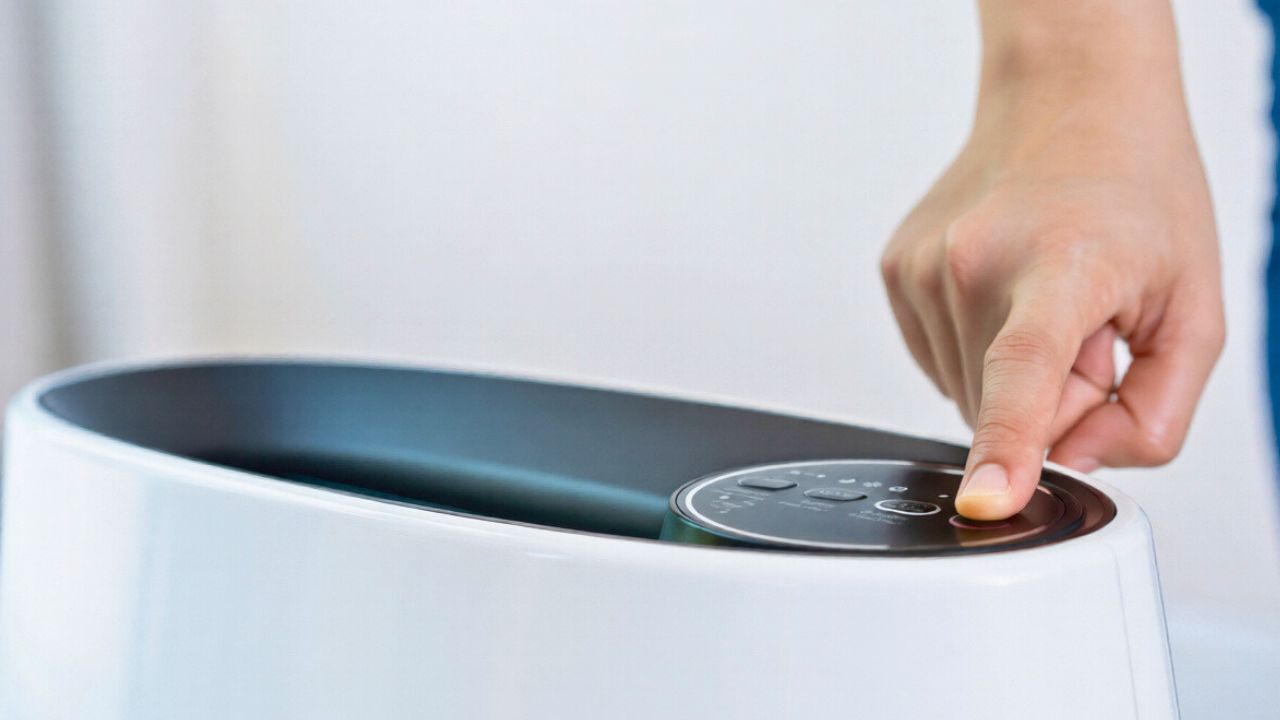
Used correctly, a modern purifier is a powerful tool for cutting indoor particle levels. A good HEPA unit can capture fine particles from wildfire smoke, traffic pollution and pet dander, while activated carbon can adsorb some odours and gases. That is why you see them recommended for bedrooms, nurseries and home offices where you spend long stretches of time and want to reduce your exposure to airborne pollutants as much as possible.
The catch is that these devices work best in relatively sealed rooms, where the fan can cycle the same volume of air through the filters several times per hour. Guidance from manufacturers notes that an Air Purifier delivers its fastest clearance when doors and windows are closed, because every open gap lets in new particles that the machine then has to chase. You can still run one with Windows Open if life demands it, but you should expect slower results and more wear on the filters as outdoor air constantly refreshes the pollutant load.
Why “just open a window” is not always enough
On the other side of the debate, you will often hear that you should skip gadgets and simply crack a window. In mild weather and in areas with low outdoor pollution, that can be an excellent first step, especially if you can create cross-ventilation between two openings. Moving air in and out this way can flush out moisture, cooking fumes and indoor chemicals that no filter can truly remove from the building envelope.
However, the scientific and efficient way to manage your indoor environment depends heavily on what is happening outside. Advice from filtration specialists notes that, for haze and heavy outdoor pollution, opening windows can actually increase indoor pollutants and shorten filter life if you are running a purifier at the same time. In those conditions, you are better off closing windows, using a purifier to strip particles from the indoor air, and relying on controlled ventilation strategies that limit how much dirty outdoor air you pull inside at once.
Purifiers cannot replace fresh air appliances
A common marketing claim is that a high end purifier can “refresh” a whole home, making separate ventilation systems unnecessary. In practice, a purifier can only clean the air that passes through it, it cannot create new oxygen or remove moisture and carbon dioxide from the building. Fresh air appliances and dedicated exhaust systems are built to move air between indoors and outdoors, which is why they are used to control humidity, odours and long term pollutant buildup in tight homes.
Engineers who work with balanced ventilation systems point out that what you accomplish with cross-ventilation or a ducted fresh air appliance simply cannot be replicated by a portable purifier. The purifier improves air quality in one way, by reducing particles and some gases, while the ventilation system improves it in another, by exchanging stale indoor air for outdoor air at a predictable rate. Treating one as a substitute for the other ignores that they are solving different parts of the indoor air problem.
Myths that keep the hype alive
Part of the confusion comes from persistent myths about what these machines can do. One popular belief is that a single unit in the living room will somehow protect an entire multi room home, regardless of doors, layout or fan speed. Another is that any device with a filter and a fan is automatically effective, even if it moves very little air or uses untested technologies that focus more on marketing buzzwords than on clean air delivery rates.
Independent testers, including CHOICE air purifier expert Chris Barnes, have stressed that an efficient purifier is very good at removing smoke and fine particles from the air that passes through it, but it is useless at tasks like cooling a room or providing fresh oxygen. Chris Barnes has also highlighted that some devices marketed as “air cleaners” rely on ionisation or other active technologies that can create byproducts without delivering the same predictable particle removal as a well specified HEPA unit. Those realities do not make purifiers pointless, but they do undercut the idea that you can buy one box and forget about ventilation, temperature control and humidity.
DIY air cleaners: helpful, but still not ventilation
In recent years, you may have seen do it yourself designs that combine box fans with furnace filters to create low cost air cleaners. Evidence reviews of these DIY devices have found that they can be much more cost efficient than some commercial units, especially when you need to improve air quality in classrooms or community spaces on a tight budget. Both the homemade and commercial devices generate cleaner air by pulling room air through filters, which can significantly reduce particle concentrations when sized and used correctly.
At the same time, researchers emphasise that portable air cleaners are only one part of a broader indoor air strategy. They do not provide outdoor air, they do not exhaust moisture from bathrooms or kitchens, and they do not address pollutants that are better controlled at the source. If you build or buy a DIY unit, you still need to think about how fresh air enters and leaves your home, how your heating and cooling system distributes that air, and how you will manage humidity and carbon dioxide over the course of a day.
Ventilation versus filtration: choosing the right tool
When you weigh ventilation against filtration, you are not choosing a winner so much as deciding which tool to lean on for a specific problem. If your main concern is pollen season or a neighbour’s wood stove, a purifier that filters particles and pollutants from the air in a room is a direct way to cut your exposure. If you are dealing with lingering cooking odours, high humidity or a stuffy feeling in a crowded living room, you need to move air, not just clean it, which is where opening windows or using mechanical exhaust becomes essential.
Consumer guidance based on a large poll of users has underlined that air purifiers require regular filter changes and thoughtful placement to stay effective, while ventilation strategies need to be tailored to your climate and building. The same poll based advice notes that Air purifiers and Air ventilation work best together, with filtration handling particles and ventilation maintaining a healthy and comfortable indoor air mix. When you frame the decision this way, the question is not “purifier or ventilation,” but how to combine them so you are not overpaying for gadgets to solve a problem that a vent fan or trickle vent could handle more directly.
Context matters: outdoor air, climate and your habits
There is no universal recipe for every home, which is why practical advice often starts with where you live and how you use your space. Community discussions on indoor air quality frequently urge you to Check local readings and compare them with World Health Organization guidelines before deciding whether to open windows or rely on filtration. If outdoor air is relatively clean, ventilating your house can be the simplest and cheapest way to improve indoor conditions, especially when combined with source control like using range hoods while cooking.
When outdoor air is heavily polluted, you may need to keep windows closed for long stretches and lean more on filtration, but even then, you cannot ignore ventilation forever. Guidance from air quality experts stresses that, While purifiers significantly improve indoor air quality, they are best complemented by a holistic approach that includes ventilation, humidity control and regular maintenance of your HVAC system. Your daily habits, from burning candles to drying clothes indoors, also shape how much work your purifier and ventilation system have to do, so the smartest strategy starts with reducing avoidable pollution at the source.
Modern purge ventilation and how to pair it with purifiers
If you live in a newer, tighter home, you may already have some form of mechanical ventilation that can be used for “purge” events, such as clearing smoke after cooking or refreshing the air after a gathering. Guides to purge ventilation explain that, while traditional window opening methods still work, mechanical solutions are the way forward if you want consistent air changes without compromising your comfort, security or style. That can mean using timed extract fans in bathrooms and kitchens, or whole house systems that boost airflow when indoor pollutants spike.
In that context, a purifier becomes a complementary layer rather than a stand in for ventilation. You might use a purifier in a bedroom to cut ultrafine particles overnight, while relying on a mechanical system to handle moisture and odours throughout the day. The key is to recognise that no amount of filtration will remove the need to move air through the building, and no amount of ventilation will fully protect you from fine particles during a pollution episode without some form of targeted filtration. When you treat both as parts of the same toolkit, the “air purifier” hype gives way to a more realistic, and far more effective, plan for the air you actually breathe.
Like Fix It Homestead’s content? Be sure to follow us.
Here’s more from us:
- I made Joanna Gaines’s Friendsgiving casserole and here is what I would keep
- Pump Shotguns That Jam the Moment You Actually Need Them
- The First 5 Things Guests Notice About Your Living Room at Christmas
- What Caliber Works Best for Groundhogs, Armadillos, and Other Digging Pests?
- Rifles worth keeping by the back door on any rural property
*This article was developed with AI-powered tools and has been carefully reviewed by our editors.