The water pressure “fix” that can damage fixtures long-term
Photo credit: Beeboys/Shutterstock.com
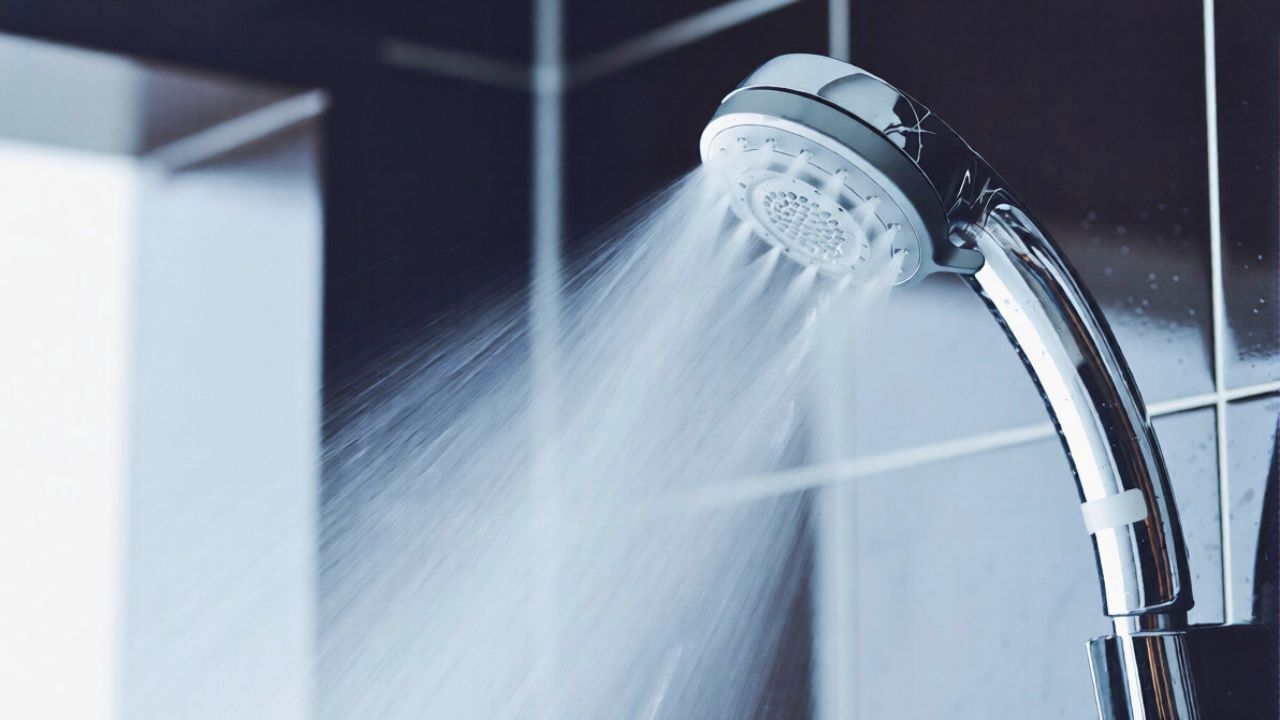
Strong water pressure feels like a luxury, especially when you are stepping into a morning shower or filling a bathtub in a hurry. Yet the quickest “fixes” people reach for, from cranking open a valve to swapping in a high pressure showerhead, can quietly shorten the life of the very fixtures you rely on. If you treat pressure as a comfort setting instead of a system limit, you risk trading a satisfying blast of water today for leaks, failures, and expensive replacements tomorrow.
Why the easiest pressure boost can be the most expensive
When your shower feels weak, the most tempting move is to open every valve you can find or install a fixture marketed as “high pressure” and call it a day. In the short term, that can make the water feel more forceful, but it does nothing to address whether your plumbing is already running near its safe limit. If your municipal supply is strong, that extra twist of a shutoff or a more aggressive showerhead can push your system into a range where gaskets, cartridges, and appliance hoses are constantly stressed, even when you are not using water.
Professionals who deal with water pressure problems warn that you need to understand the underlying cause before you chase a stronger stream. In many homes, the real issue is not that the pressure is low, but that it is inconsistent, or that certain fixtures are clogged while the main supply is already high. If you simply override those symptoms with a more open valve or a fixture that demands more flow, you can mask early warning signs of trouble and set yourself up for fixture damage that shows up months or years later as drips, cracks, or sudden failures.
What “good” water pressure actually looks like
To protect your fixtures, you first need a realistic target for what healthy pressure is supposed to be. In most residential systems, specialists recommend keeping pressure between 40 and 60 pounds per inch, a range that balances comfort with long term durability. Other guidance describes an Ideal Home Water with a Recommended Range starting at 50
There is also a hard ceiling you should not ignore. Plumbing codes specify that A limit of 80 psi and 551.6 kPa is the maximum static pressure of any water supply system, and some field reports flag anything over 85 PSI as a red line for long term reliability. If you are chasing a “power shower” by pushing your system closer to that upper boundary, you are not just bending the rules, you are inviting the kind of stress that can crack pipes, blow out seals, and shorten the life of every fixture in the house.
The hidden ways high pressure punishes fixtures
Once pressure climbs beyond that safe band, the damage rarely happens all at once. Instead, every flush, every cycle of the washing machine, and every twist of a faucet becomes a small pressure event that hammers internal parts. Experts on Diagnosing and Fixing in Your Home note that High pressure can damage your pipes and fixtures even if you have not taken one recently, because the system is under strain around the clock. Over time, that constant load can turn flexible supply lines brittle, wear out faucet cartridges, and cause toilet fill valves to chatter or leak.
Appliances are just as vulnerable. Insurers warn that High water pressure puts excess strain on your plumbing system, including your pipes, seals, and appliances that use water, and that this can lead to various problems that may not be covered if you ignored the warning signs. Another advisory notes that When the water pressure is too high, the appliances’ hoses and internal components are exposed to damaging conditions that can even void the warranty. That means the “fix” you used to get a stronger spray could be the same decision that leaves you paying out of pocket when a dishwasher or washing machine fails early.
Why your shower feels weak even when pressure is fine
Before you reach for a pressure boosting gadget, it is worth asking whether the problem is really pressure at all. In many homes, the main supply is perfectly adequate, but the last few inches of the run are clogged with mineral deposits or debris. Technicians who catalog common causes of low water pressure point out that partially closed shutoff valves, aging galvanized pipes, and corroded fittings can all throttle flow to a single bathroom while the rest of the house performs normally.
At the fixture itself, Clogged Faucet Aerators or Showerheads Mineral buildup can reduce flow dramatically, even when the underlying pressure is healthy. Guidance on Mineral buildup explains that debris in faucet aerators and internal pipes can constrict flow and cause unbalanced pressure that feels like a weak or pulsing stream. Cleaning or replacing those parts is a low risk fix. Cranking up system pressure to blast through the obstruction, by contrast, simply forces water through a narrowed opening at higher speed, which can erode components and send pressure spikes through the rest of your plumbing.
The pressure regulator: friend, not obstacle
Many homeowners treat the pressure regulator as a nuisance that stands between them and a satisfying shower. In reality, that device is the main reason your fixtures are not being hit with raw street pressure every time you turn on a tap. Specialists who walk through How to Fix Water Pressure emphasize that once you have recognized the signs of water pressure issues, the next step is to use a pressure gauge to measure PSI before you touch that regulator. Adjusting it blindly can push your system out of the recommended range without you realizing it.
In many cities, the incoming supply is strong enough that you are required to Install or Replace PRV devices to keep PRV-regulated PSI at a safe level. Water districts explain that PRV‘s can be purchased at a home improvement or plumbing supply store and can be installed as a do-it-yourself project or by a qualified plumber, but they also note that these regulators typically last only 10 to 15 years. If your pressure has crept up over time, the answer may be to replace a worn regulator, not to bypass it or crank it open in search of more force.
Quick fixes that quietly raise risk
Some of the most popular pressure “upgrades” are also the most misleading. Online discussions of shower performance often focus on the relationship between pressure, velocity, and flow, with one widely shared explanation noting that shower, velocity and both nice to have, and that for a particular showerhead, higher pressure inside it will give you better results. That is true as far as it goes, but it ignores the system wide cost of raising pressure just to satisfy one fixture. If you dial up a regulator or remove flow restrictors without checking your baseline PSI, you can easily push the entire house into a range that accelerates wear everywhere else.
Manufacturers of faucets and valves have been blunt about the consequences. One major brand notes that Early detection is key and that Here are a few reasons to think about high water pressure in your home, including the way it is hurting your pipes and forcing that expanding water to go somewhere. Another homeowner guide puts it more bluntly, warning that While a strong shower might feel nice, water pressure that is too high puts extra strain on your plumbing system and that Fixtures can start to fail prematurely under constant pressure. The pattern is clear: the shortcuts that make water feel better today are often the same ones that send you shopping for replacement faucets and valves far sooner than you expected.
When the city supply is the real culprit
Sometimes the problem is not inside your walls at all. In fast growing regions, utilities may run higher pressures to serve hillsides, tall buildings, or distant neighborhoods, and that extra force shows up at your meter whether you asked for it or not. Analysts who break down Arizona water pressure problems describe how elevation changes, aging infrastructure, and system upgrades can all leave certain streets with pressure that is technically within code but still rough on fixtures.
City water specialists recommend that homeowners on municipal systems pay attention to both pressure and quality. Guidance on city water pressure issues notes that utilities may suggest pressure testing and system inspections if you report chronic problems, and that installing or replacing a regulator is often part of the solution. If you simply respond to a strong municipal supply by installing more aggressive fixtures, you are effectively amplifying a problem that starts at the street, and your faucets, toilets, and appliances will absorb the cost.
Smarter ways to improve everyday performance
If you want better performance without sacrificing longevity, the first step is to diagnose, not guess. Professionals who handle water pressure complaints routinely start with a gauge on an outdoor spigot, then work inward to see where pressure is being lost. They look for partially closed valves, kinked supply lines, and clogged aerators before they touch the regulator. That same methodical approach is available to you, and it is far safer than treating the whole house like a single stubborn shower.
There are also targeted upgrades that can help without raising system pressure. Plumbing guides on how to improve water pressure suggest replacing old galvanized lines with modern piping, cleaning or swapping out showerheads, and ensuring that your main shutoff and branch valves are fully open. Another quick fix for low water pressure is adjusting the pressure regulator, but that same guidance stresses that you should use a gauge and, if needed, call a professional plumber for assistance. By focusing on flow restrictions and aging components instead of simply chasing a higher PSI number, you can get a more satisfying shower while keeping your fixtures within the safe operating window they were designed for.
How to know when it is time to call a pro
There is a point where do it yourself tweaks are no longer enough, and recognizing that line can save you from costly mistakes. If you have cleaned aerators, checked shutoff valves, and verified that your regulator is set within the recommended range but you still see symptoms like banging pipes, fluctuating temperature, or fixtures that wear out quickly, it is time to bring in someone who works with pressure issues every day. Specialists who handle Fix Water Pressure emphasize that once you have recognized the signs of water pressure issues, the next step is professional diagnostics and repair, not more trial and error.
Persistent high pressure is especially worth expert attention. Analysts who detail What Are the of high water pressure list Pipe Damage and other structural problems that can be far more expensive than a service call. If your gauge readings are consistently above the too high threshold or you live in an area known for strong municipal supply, a licensed plumber can evaluate whether your regulator, expansion tank, and piping are sized correctly. That kind of system level checkup is the opposite of a quick fix, but it is exactly what protects your fixtures from the slow, grinding damage that unchecked pressure can cause.
Like Fix It Homestead’s content? Be sure to follow us.
Here’s more from us:
- I made Joanna Gaines’s Friendsgiving casserole and here is what I would keep
- Pump Shotguns That Jam the Moment You Actually Need Them
- The First 5 Things Guests Notice About Your Living Room at Christmas
- What Caliber Works Best for Groundhogs, Armadillos, and Other Digging Pests?
- Rifles worth keeping by the back door on any rural property
*This article was developed with AI-powered tools and has been carefully reviewed by our editors.