The sink drain habit that creates slow clogs for months
Photo credit: AquaArts studio/istock.com
Slow drains rarely happen overnight. They creep up on you over months, fed by one small, forgettable habit at the sink that quietly layers gunk inside your pipes until water has nowhere to go. If you understand how that everyday routine turns into a long-term clog, you can change it before you are stuck with standing water and a weekend lost to plumbing fixes.
The core problem is simple: you treat your sink like a trash chute, assuming anything that fits through the drain will safely disappear. In reality, the same habit that feels efficient in the moment steadily builds a sticky lining of residue, hair, and debris that narrows the pipe week after week. The good news is that once you see how this process works, you can break it with a few targeted changes.
The quiet habit that sabotages your sink
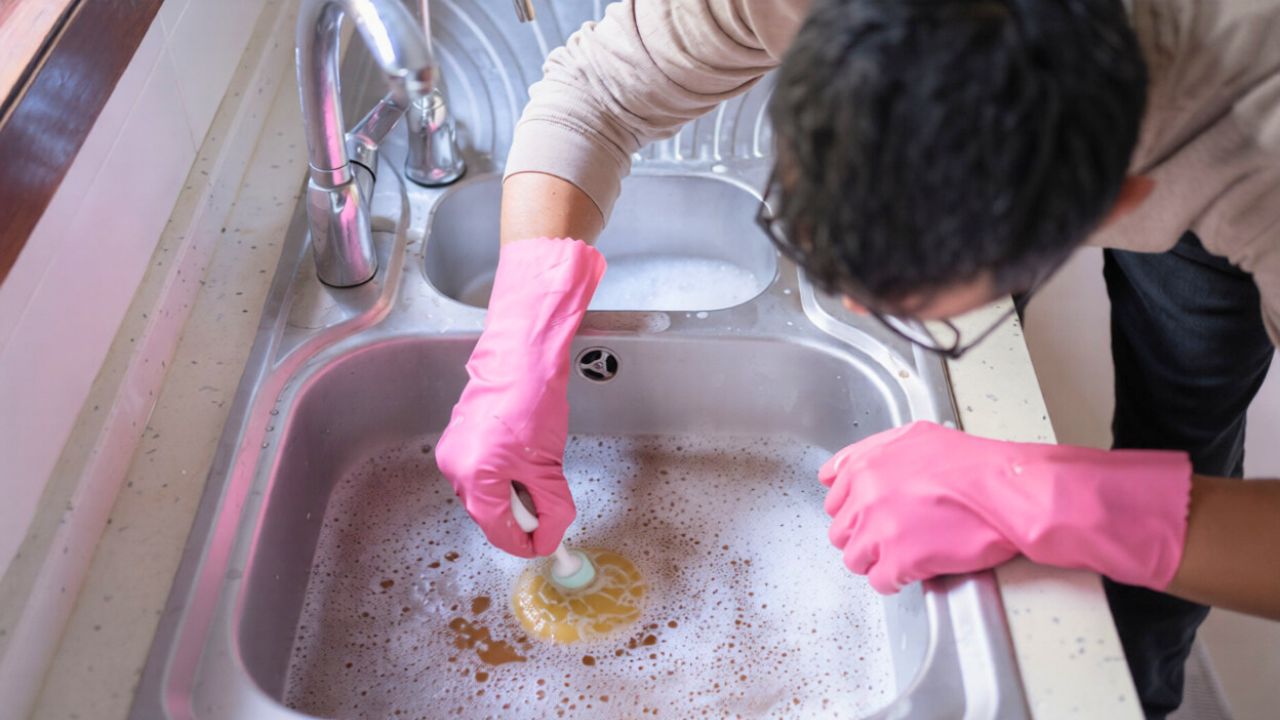
The slow-clog habit usually looks harmless: you rinse everything down the drain and trust the water to carry it away. In the bathroom, that means washing stray hair, toothpaste foam, makeup residue, and soap film straight into the opening instead of wiping them into the trash. In the kitchen, it is scraping plates, rinsing sauces, and sending oil, coffee grounds, and food bits through the strainer because it feels faster than walking to the bin. Each action is tiny, but together they create a constant stream of material that your plumbing was never designed to digest.
Plumbing specialists point out that in bathroom sinks, the main offenders are hair and the film that forms when soap mixes with minerals in water, which cling to the inside of the drain and trap more debris over time, turning into a dense plug that blocks flow. In kitchens, food waste and grease behave the same way, coating the pipe and catching anything that follows. When you combine these residues with the habit of rinsing “just a little more” down the sink every day, you are effectively building a clog in slow motion.
How slow clogs actually form over months
A slow drain is almost always a partial blockage, not a sudden collapse. Water still moves, but the opening inside the pipe has narrowed, so every use takes longer to clear. Plumbing experts explain that when your sink drains sluggishly, Your system is usually dealing with a buildup of hair and soap residue that has been accumulating for months. The clog starts as a thin film, then thickens as more material sticks to it, eventually forming a mat that behaves like a filter, catching anything that passes.
Because this process is gradual, you often ignore the early warning signs. At first, water hesitates for a second before swirling away. A few weeks later, a shallow pool lingers in the basin after you wash your hands. By the time you notice a ring of grime around the sink from standing water, the blockage has matured into a stubborn plug. Technicians note that it is not uncommon for a bathroom sink to slow down every few months as this cycle repeats, especially when you keep feeding the same mix of hair, soap, and residue into the drain without any preventive cleaning.
Why bathroom sinks are especially vulnerable
Bathroom sinks sit at the crossroads of grooming and cleaning, which makes them prime targets for this slow-clog habit. Every time you shave, brush, or style your hair over the basin, loose strands and stubble slide toward the drain. When they meet toothpaste, facial cleanser, and soap, they tangle into a sticky mass that clings to the stopper and the first bend in the pipe. Plumbing guidance highlights that in bathrooms, hair and soap scum are the dominant causes of clogs, and they are fed directly by your daily routines.
Design details make the problem worse. Many bathroom sinks use pop-up stoppers that create small ledges where debris can snag, and the nearby P-trap is designed to hold water, which also means it is the first place a clog can settle. Over time, that mix of hair and residue behaves like a net, catching lint, skin flakes, and even tiny bits of packaging or tissue that slip into the bowl. Without regular clearing, the drain becomes a narrow tunnel lined with gunk, and your habit of rinsing everything away keeps tightening that tunnel until water has to fight to get through.
The role of soap scum, oils, and “sticky” residues
The material that makes slow clogs so persistent is not just hair or food, it is the sticky binder that holds everything together. When soap reacts with minerals in hard water, it forms a film that clings to porcelain and metal, often described as Soap Scum. That film coats the inside of your drain, turning a smooth surface into something more like Velcro for debris. Hair that might otherwise slide through gets caught, and once it sticks, it becomes a framework for more buildup.
In the kitchen, oils and fats play the same role. Even if you never pour a full pan of grease down the sink, rinsing a skillet with a thin sheen of oil sends liquid fat into the pipes, where it cools and solidifies. Over time, that residue narrows the pipe and traps crumbs, coffee grounds, and other particles. Service providers warn that what seems like harmless rinsing, such as washing away sauces or salad dressing, is one of the everyday habits that quietly clogs drains, because those sticky residues never fully leave your plumbing.
Hair: the repeat offender you underestimate
Hair is uniquely effective at turning a minor residue problem into a full blockage. Strands are long, flexible, and strong, so they weave through the drain opening and wrap around hardware, forming a net that traps anything else that passes. Industry breakdowns of Hair Buildup list it as one of the top culprits in bathroom clogs, especially in sinks and showers where shedding is constant. Every time you rinse hair from a brush or comb into the basin, you are reinforcing that net.
Homeowners who deal with recurring clogs often discover just how much hair is involved when they finally pull the stopper. One widely shared example describes using a mini Velcro snake from a hardware store and pulling out a long, foul-smelling rope of hair, dirt, and residue that had been building for months. That kind of mass does not appear overnight, it is the direct result of a daily habit of letting hair wash down the drain instead of catching it in a tissue or mesh screen.
Kitchen habits that mimic the same mistake
While the headline problem often shows up in bathroom sinks, your kitchen routines can be just as damaging. Scraping plates into the sink, rinsing rice, pasta, and vegetable peels, and washing away sauces all send solid particles into the drain where they can settle and compact. Plumbing guidance on Food Waste notes that even small scraps can collect in pipes and cause severe blockages when they combine with grease and other residues.
The same “it is just a little bit” mindset applies to liquids. Pouring leftover oil from a frying pan, bacon fat, or even heavy cream down the sink might feel efficient, but as those fats cool, they harden on the pipe walls. Over time, they create a rough, waxy lining that catches everything else. When you add coffee grounds, eggshell fragments, or bits of bread to that mix, you are essentially building concrete inside your plumbing. The habit of treating the sink as a disposal for both solids and fats is the kitchen version of the slow-clog behavior that plagues bathroom drains.
Why the clog keeps coming back every 6–8 months
If you find yourself clearing the same sink twice a year, you are seeing the long-term effect of your routine. Homeowners often report that their bathroom sink gets badly clogged every 6 to 8 months, even after using drain cleaners or snakes. The reason is that they remove just enough of the blockage to restore flow, but they never change the underlying habit of rinsing hair, soap residue, and grooming products into the drain. As soon as the pipe is open again, the same materials start accumulating in the same spots.
Plumbing professionals emphasize that it is not unusual for a bathroom sink to slow down periodically, especially in busy households. Guidance on 5 causes of slow drains notes that recurring clogs can signal a pattern of buildup that extends beyond the visible stopper into the P-trap and further down the line. If you only react when the sink is already slow, and your fix is limited to a quick chemical pour, you are treating the symptom, not the cause, which is your everyday use of the drain as a catch-all.
Small habit shifts that prevent months of buildup
Breaking the slow-clog cycle starts with changing how you use the sink, not just how you clear it. In the bathroom, that means catching hair before it reaches the drain by brushing away from the basin, wiping loose strands into the trash, and using a simple mesh screen or stopper cover. In the kitchen, it means scraping plates into the garbage or compost, wiping greasy pans with a paper towel before washing, and keeping coffee grounds and fibrous peels out of the sink entirely. These small shifts reduce the amount of material that ever reaches your pipes.
Professionals recommend pairing those habits with light, regular maintenance so residue never has a chance to harden into a clog. That can include periodically removing the stopper to clean off hair and scum, flushing the drain with hot water after greasy dishwashing, and occasionally using a noncorrosive cleaner to break up film. Plumbing experts like Jul highlight that mindful disposal practices and routine cleaning are far more effective than waiting for a full blockage and then reaching for harsh chemicals. When you stop feeding the clog every day, your drains can go years instead of months between serious problems.
When to DIY and when to call in help
Even with better habits, you will occasionally face a slow drain, and knowing how to respond can save you time and money. For minor slowdowns, a plunger, a plastic drain snake, or a small brush can often dislodge hair and residue near the top of the system. Some homeowners swear by simple tools like a mini Velcro-style strip to pull out gunk, which can be surprisingly effective when the blockage is close to the stopper. Regularly removing visible buildup before it migrates deeper into the pipe keeps the problem manageable.
However, if your sink backs up repeatedly, drains very slowly even after basic cleaning, or affects multiple fixtures, it is time to bring in a professional. Persistent clogs can indicate a more serious obstruction further down the line or a systemic issue in your plumbing that simple tools cannot reach. Service providers who outline Common Causes of and Prevent Them stress that early intervention can prevent damage to pipes and avoid more expensive repairs. The most cost effective move is to change the daily habit that feeds the clog, then use professional help strategically when the problem goes beyond what you can see.
Like Fix It Homestead’s content? Be sure to follow us.
Here’s more from us:
- I made Joanna Gaines’s Friendsgiving casserole and here is what I would keep
- Pump Shotguns That Jam the Moment You Actually Need Them
- The First 5 Things Guests Notice About Your Living Room at Christmas
- What Caliber Works Best for Groundhogs, Armadillos, and Other Digging Pests?
- Rifles worth keeping by the back door on any rural property
*This article was developed with AI-powered tools and has been carefully reviewed by our editors.