The flashing problem that causes most “mystery leaks”
Photo credit: BanksPhotos/istock.com
When water shows up on your ceiling with no obvious hole in the roof, you are usually not dealing with a freak event. You are almost always looking at a failure in the thin strips of metal or membrane that are supposed to quietly steer water away from the weak spots. Those small details, your flashing, are the hidden system behind most so‑called “mystery leaks.”
Once you understand how flashing is supposed to work at every transition, from chimneys to skylights to roof‑to‑wall joints, you can read the stains and drips in your home like a map. Instead of chasing random patches, you start looking at the right seams, corners, and terminations, and you can decide when a careful repair will do and when you need a full professional inspection.
Why flashing, not shingles, is usually the real problem
When you see water stains, your first instinct is to blame shingles, tiles, or metal panels. In practice, most leaks start where the roof changes direction or meets another surface, not in the wide open fields of roofing. Roofers who handle repair work every day report that the majority of leak calls trace back to the metal or flexible material that bridges those transitions, not to the main roof covering itself. That is why companies that focus on roof repair in places like Vancouver, Washington, emphasize tracking stains back to the nearest penetration or wall intersection instead of assuming a random shingle failure.
Those transition points include chimneys, vents, skylights, valleys, and roof‑to‑wall joints, all of which depend on correctly installed flashing to stay dry. When you see staining around a chimney or skylight, for example, experienced contractors in Vancouver treat failing flashing as the prime suspect, because once that barrier opens up, water can run behind siding, into framing, and eventually into drywall. The shingles above may still look perfect, but the leak is already working its way through the structure, which is why mystery drips so often appear far from the actual entry point.
What flashing actually does at the roof’s weakest spots
Flashing exists because your roof has built‑in vulnerabilities wherever the surface is interrupted. Any place the roofing system changes direction or material, such as where a sloped roof meets a vertical wall or a masonry chimney, creates a natural pathway for water to push underneath the main covering. Flashing is the shaped metal or membrane that overlaps those joints and directs water back out onto the surface so gravity can carry it safely to the gutters. Without it, even a light wind‑driven rain would find its way into the smallest gap.
Professionals describe flashing as the component that protects the weakest spots on the roof, including step flashing along sidewalls, counter flashing embedded in chimney mortar, and base flashing around vents and skylights. At these locations, the flashing has to be layered correctly with shingles and underlayment so water always flows over, never behind, each piece. When you look at detailed explanations of how flashing works, you see the same pattern: it is not decorative trim, it is a primary waterproofing system that keeps water out of drywall, insulation, and framing that would otherwise be exposed at every penetration.
Why transitions, not open roof fields, cause “mystery leaks”
Most roof leaks do not start with a dramatic hole you can see from the driveway. They begin at overlooked transitions where water flow is concentrated and details are more complex. Installers and inspectors repeatedly point to roof‑to‑wall joints, valleys, and penetrations as the places where small mistakes, such as a missing kickout diverter or a misaligned step flashing, quietly open a path for water. Once that happens, moisture can travel along framing or sheathing for several feet before it finally shows up as a stain on a ceiling or wall, which is why the leak feels mysterious to you.
Specialists who study building envelopes describe flashing as the unsung protector at these transitions, warning that if step flashings are not correctly lapped or if skylight curbs do not have raised flashings, water can bypass the intended path entirely. They also highlight that valleys are high flow areas where any weakness in the metal or membrane can lead to decay in hidden decking long before you see surface damage. When you read technical breakdowns of these failures, such as those that explain how most leaks come from these overlooked transitions, the pattern is clear: if you want to solve mystery leaks, you start by interrogating every change in plane, not the middle of the shingle field.
How flashing fails: from cracked metal to pulled‑out counter flashing
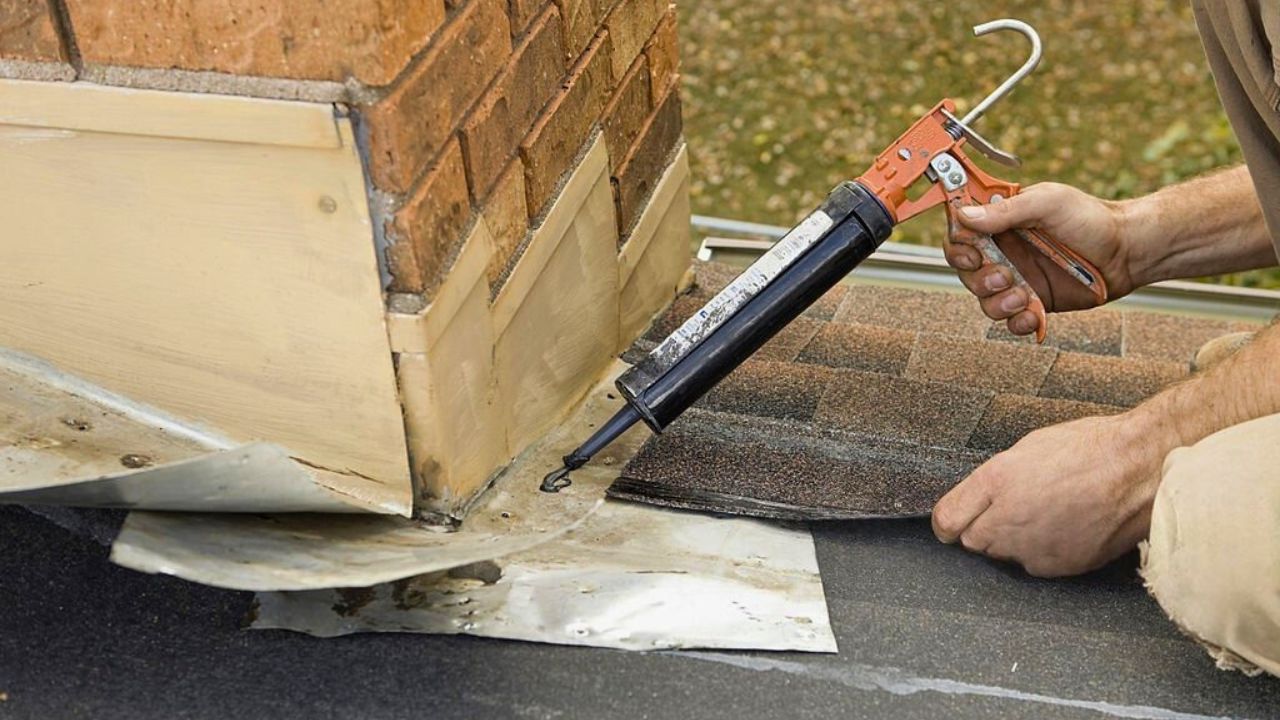
Flashing problems usually start small. Thin metal can crack as it ages, especially where it has been bent sharply or exposed to repeated temperature swings and strong weather. Sealant that was used to cover a joint or fastener head can dry out and split, leaving a hairline opening that is more than enough for water under wind pressure. Roofing specialists list cracked flashing as one of the most common causes of roof leaks, right alongside missing shingles, because once that protective skin opens, water can run straight into the structure beneath.
At chimneys and walls, you also have to worry about counter flashing that pulls out of mortar joints or siding. When counter flashing separates, it no longer overlaps the base flashing correctly, so water can slip behind both layers. Contractors who focus on roof flashing in places like Kalamazoo describe how, when counter flashing pulls out, you start to see staining in chimney bricks and nearby ceilings, a clear sign you may need flashing repairs before more serious chimney rebuilds become necessary. Add in UV exposure that can cause some metals and sealants to rust or degrade faster, and you have a recipe for leaks that develop quietly over several seasons before you notice the first drip.
Where you are most likely to see flashing‑related leaks
If you want to track down a mystery leak, you start by mapping the usual suspects. Around chimneys, vents, and skylights, failing flashing is a leading cause of stains on ceilings and walls, especially when the leak seems to appear out of nowhere after a storm. Roofers in wet climates like the Pacific Northwest report that staining around a chimney or skylight often points directly to flashing that has separated, rusted, or been installed incorrectly, rather than to a general roof failure. In those cases, the visible damage inside is only the final symptom of water that has been running along framing for some time.
Other hotspots include roof valleys, roof‑to‑wall joints, and any place siding meets the roof surface. Guides that walk homeowners through common leak areas explain that while DIY inspections can catch obvious issues like missing shingles or clogged gutters, subtle flashing failures around chimney bricks or damaged step flashing usually require a trained eye. In winter, those same weak points can combine with ice dams at the roof edge, especially in regions such as Frederick and surrounding areas, where ice buildup forces water back under shingles and into any gap in the flashing system.
Why winter and “dry weather” leaks still come back to flashing
When your roof leaks in winter, even if the snow on top looks undisturbed, the underlying cause often still involves flashing. Ice dams at the roof edge trap meltwater, which then backs up under shingles and seeks out the nearest opening, usually at a penetration or roof‑to‑wall joint. Contractors who document winter leak patterns in places like Frederick and nearby communities point to four main issues that account for most cold‑season leaks, including ice dams and hidden flashing gaps that are harder to spot early because the water may travel behind insulation before it appears indoors. In that scenario, the flashing is not the only factor, but it is the last line of defense that fails when water is pushed uphill by ice.
You can also see “dry weather leaks” that show up even when it has not rained for days. In those cases, condensation inside the attic or roof assembly can mimic a roof leak, especially in winter when warm indoor air carries moisture that rises and condenses on cold surfaces like nails, trusses, or roof sheathing. Over time, that moisture can drip down and stain ceilings just like a rain leak. Detailed explanations of condensation as the hidden culprit behind dry weather leaks make clear that you need to distinguish between interior moisture problems and true flashing failures. Still, once condensation has soaked insulation and framing, any minor flashing defect becomes more dangerous, because the assembly is already carrying extra moisture.
How to read the early warning signs before damage spreads
You rarely get a catastrophic flashing failure without earlier clues. Outside, you might notice rust streaks on metal, gaps where flashing pulls away from brick or siding, or sealant that has cracked and fallen out. Around chimneys, you may see mortar joints opening near the counter flashing or small pieces of metal lifting at the corners. Inside, the first signs are often faint yellow or brown rings on ceilings near walls, or hairline cracks in paint where the wall meets the ceiling, especially below roof‑to‑wall intersections. Roofers who document common problems emphasize that quiet drips starting around chimneys or skylights often come from faulty flashing and sealant, not from a failing roof deck.
In more advanced cases, you may see soft or spongy spots in drywall, peeling paint, or a musty smell in rooms below the affected area. Repair specialists warn that if you wait until water is actively dripping, you may already be facing expensive drywall and insulation damage, because water has been moving through the assembly for some time. Technical guides on flashing and sealant note that some metals can rust fast under UV exposure, and once corrosion starts, it accelerates the breakdown of nearby sealants and fasteners. That is why catching small stains or exterior rust early can save you from structural repairs later.
What you can safely check yourself, and when to call a pro
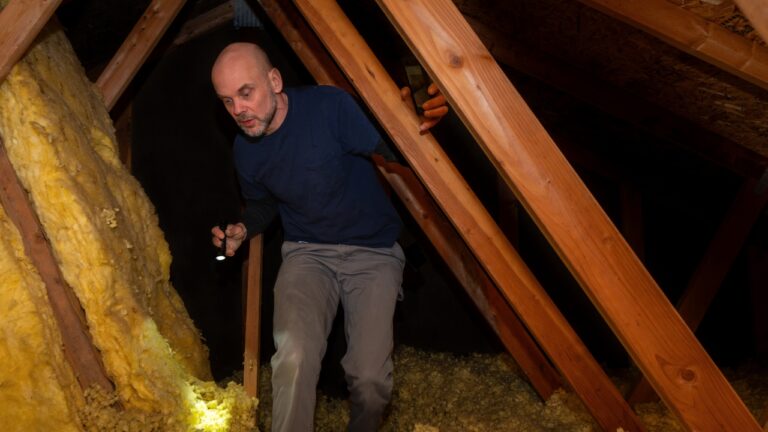
You do not need to climb onto the roof to start diagnosing a mystery leak. From the ground, you can use binoculars to look for missing shingles, obvious gaps around chimneys, or metal that appears bent or detached. Inside the attic, if it is safe to access, you can look for darkened wood, damp insulation, or daylight showing through around vents and chimneys. Homeowner guides stress that while you can spot obvious issues like clogged gutters or missing shingles on your own, subtle flashing problems in chimney bricks or under siding are harder to see without training and the right safety gear.
Because of that, many contractors recommend scheduling a professional inspection if you see recurring stains, especially near chimneys, vents, or skylights. In regions with heavy rain and complex rooflines, companies that specialize in roof repair, such as those serving Portland and nearby communities, emphasize that a licensed roofer can trace water paths, test suspect flashing, and recommend targeted repairs instead of guesswork. When you see advice that you should always consult with a licensed roofer if you suspect flashing issues, it reflects the reality that the cost of a professional visit is usually far less than the price of repairing hidden rot.
Smart repair strategies that actually stop the leak
Once you know flashing is the culprit, the solution has to go beyond smearing on more caulk. Proper repair means removing enough shingles or siding to expose the failed flashing, then replacing or re‑bending it so it overlaps correctly with the surrounding materials. Around chimneys, that can involve grinding new reglets in the mortar for counter flashing or installing a cricket to divert water around the uphill side. Detailed case studies of chimney work show how inspectors document missing or improperly lapped metal, then rebuild the system so water cannot pool or run behind the masonry. When you see professionals explain that chimney flashing matters and demonstrate what failed details look like, you get a clear picture of how thorough a real repair needs to be.
In other areas, such as roof‑to‑wall joints, the fix may include adding kickout diverters to keep water from saturating the framing, or raising skylight curbs and installing taller flashings so water cannot pond at the base. Some homeowners are tempted to rely on interior fixes, such as sealing around a leaking pipe from inside a wall, but plumbing forums are full of examples where that approach fails because the real problem is hidden behind exterior finishes. One homeowner describing a mystery leak at an ABS and steel joint noted that they could not reach the connection without removing siding, which is exactly the kind of situation where exterior flashing and waterproofing details need to be addressed from the outside, not patched from within.
Designing and maintaining flashing so leaks never feel mysterious again
The most effective way to avoid mystery leaks is to treat flashing as a core design element, not an afterthought. When you plan a new roof or a major replacement, you should insist on properly detailed step flashing at every wall, robust base and counter flashing at chimneys, and raised curbs with integrated metal around skylights. Contractors who specialize in roof flashing in areas like Kalamazoo explain that they focus on transitions first, because that is where roofs most often fail. They also stress that when counter flashing pulls out or metal shows early signs of rust, you should address it immediately rather than waiting for interior damage to confirm what you already suspect.
Ongoing maintenance is just as important. A yearly visual check from the ground, combined with a professional inspection every few years or after major storms, can catch small separations or corrosion before they turn into leaks. In storm‑prone regions, specialists remind homeowners that storm season is no joke and that you should not ignore small stains at roof‑to‑wall joints during sideways rain, because those are often the first signs of flashing trouble. When you see detailed advice that highlights flashing, the small component you cannot ignore, it reflects a hard truth: if you keep these quiet details in good shape, most of your future leaks will never have a chance to become a mystery.
Supporting sources: Untitled, Untitled, Untitled, Untitled, Critical Role of, Roof Flashing in, Mistakes Here Can, Common Causes Of, roof repair in, Common Roof Problems, Why Winter Roof, Dealing with leaks, Flashing: The Most, Ever heard of, It’s Not Raining,, Mystery leak –, Common Roof Leak, Shingle Roofing Challenges.
Like Fix It Homestead’s content? Be sure to follow us.
Here’s more from us:
- I made Joanna Gaines’s Friendsgiving casserole and here is what I would keep
- Pump Shotguns That Jam the Moment You Actually Need Them
- The First 5 Things Guests Notice About Your Living Room at Christmas
- What Caliber Works Best for Groundhogs, Armadillos, and Other Digging Pests?
- Rifles worth keeping by the back door on any rural property
*This article was developed with AI-powered tools and has been carefully reviewed by our editors.