The window problem that looks cosmetic but causes real rot
Photo credit: Penkanya/istock.com
The hairline crack in your paint, the faint yellow halo on a sill, the window that sticks on humid days, all can look like minor cosmetic quirks. In reality, these small flaws are often the first public hint of a private crisis inside your walls, where moisture, fungi, and time quietly turn solid wood into sponge. If you treat the problem as a paint issue instead of a building issue, you risk letting that hidden decay spread into framing, insulation, and even your floors.
Understanding how a seemingly superficial window blemish becomes structural rot gives you leverage. Once you know what to look for, why it happens, and how quickly it escalates, you can intervene early, protect your home’s envelope, and avoid the kind of repair bills that start with scaffolding and end with a dumpster in your driveway.
When “just peeling paint” is a red flag
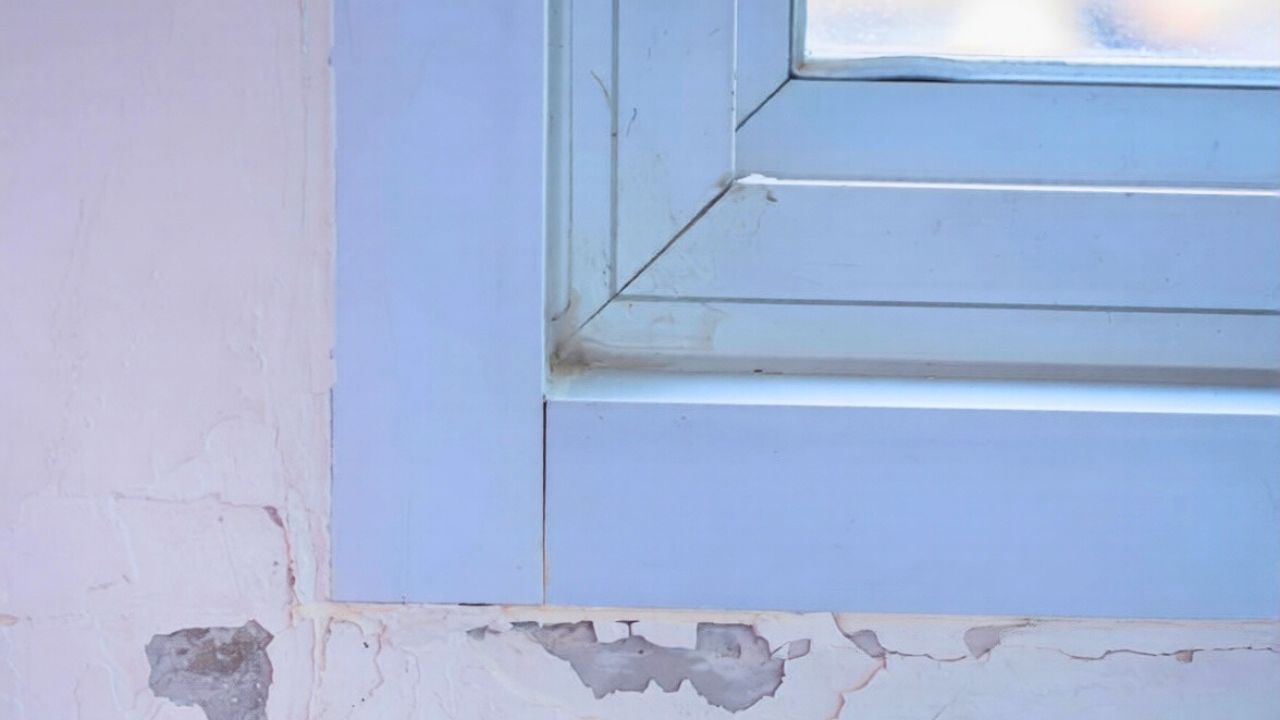
When you first notice flaking or bubbling paint around a window, it is tempting to blame sun exposure or an aging color scheme. In practice, peeling paint is one of the clearest early warnings that water is getting into places it should not. As moisture seeps into wood, it pushes from beneath the finish, causing the coating to lift, blister, and eventually fall away. That is why specialists describe Peeling Paint and Discolouration as a “sure-shot giveaway” that rot is developing, not just a cosmetic nuisance.
Once the protective layer fails, every storm drives more water into the exposed fibers, accelerating decay and inviting fungal growth. You might see localized bubbles or hairline cracks at first, but as the cycle repeats, entire sections of finish can slough off, exposing bare, darkened timber. That is why professionals urge you to treat Peeling paint as a maintenance emergency, especially on lower sashes and sills where water naturally collects, rather than waiting until chunks of wood start falling away.
The hidden science of window rot
Behind the flaking paint, a predictable chain reaction is unfolding. Wood rot is essentially a biological process, driven by fungi that feed on the structural components of timber when conditions are right. Experts describe how tiny spores are always present, but they only become destructive when moisture, warmth, and oxygen combine to create a perfect environment. In that scenario, the organisms attack the parts of the wood that give it strength, which is why one report notes that Mostly to blame for decay in frames is this fungal activity, not just age.
Moisture is the key ingredient. Detailed guidance on What Causes Windows to deteriorate points to water damage, poor drainage, and damaged components that trap dampness against the wood. Once the fibers stay wet for extended periods, the rot process accelerates, especially in shaded or poorly ventilated areas. That is why a window that looks fine from across the room can already be compromised inside, with fungi quietly hollowing out the frame long before you see a dramatic failure.
Moisture: the real culprit behind “cosmetic” flaws
Most of the surface issues you notice around a failing window trace back to one root cause: water that gets in and does not get out. Specialists who break down What Causes Windows to degrade emphasize that moisture and water damage, combined with a lack of proper sealing and maintenance, create the conditions that allow rot to flourish. Once water finds a path through failed caulk, hairline cracks, or unprotected end grain, it can sit in joints and corners long after a storm passes, soaking the wood from within.
Outdoor conditions amplify the problem. As one breakdown of Causes of Rotten explains, Rain and Humidity expose wooden frames to a constant supply of water, and Excessive dampness in the air can keep surfaces from ever fully drying. In coastal climates or regions with long wet seasons, that means even a small gap in paint or sealant can become a chronic leak, feeding rot year after year while you only see a slightly rough edge or a faint stain.
Early signs you can see, touch, and feel
Because rot starts inside the wood, your best defense is learning to spot subtle changes before the damage becomes obvious. Inspectors advise you to look for Visual Signs of such as discoloration, soft spots, or crumbling edges on Wood Frame Windows. Guidance that focuses on Look for clues notes that even a single paint blister can hide underlying rot, so you should not ignore isolated bubbles or hairline cracks.
Touch is just as important as sight. One checklist that starts with The first thing you should do is press gently on suspect areas with a screwdriver or your finger. If the surface feels spongy, gives way, or flakes into powder, your Your Windows may already be Rotted. Another guide that lists Signs of Window highlights Discoloration and Soft wood as key indicators, along with difficulty opening or closing the sash. If your window suddenly sticks or scrapes, it may be swelling from moisture, not just settling.
Discoloration: the stain that spreads beyond the frame
Color changes around a window are often dismissed as sun fade, but they are frequently the first visible sign that water is moving through the assembly. One detailed explanation notes that You might initially see fading or yellowing, but if moisture continues to seep, the stains darken and spread. Over time, that discoloration can extend beyond the trim to drywall, baseboards, and even flooring at the lowest point, revealing just how far the leak has traveled.
Social media posts from repair specialists echo the same warning. One description of window frame issues points out that Slight discoloration of the frame and windows that no longer open and close easily are both indications of wood rot. Another guide to failing timber notes that Here are some signs your wood windows are in trouble, starting with when window frames have that does not clean off. If you see a persistent halo, tide mark, or brownish streak, you are not looking at a cosmetic stain, you are seeing the path water has taken through your wall.
Why caulk lines and paint edges matter more than you think
The thin bead of sealant around your window and the paint that wraps its edges are not just finishing touches, they are part of the weather barrier that keeps your home dry. When those defenses fail, water finds a way in. One analysis of window failures explains that Gaps in window caulking allow water to leak into the unit, where it can reach wood and create problems from the inside out. Even a small separation at a corner can channel rain directly into the frame, where it lingers unseen.
Paint coverage is just as critical. Installers stress that you should Make sure windows are properly painted everywhere, including the tops and bottoms of sashes, because Anywher that bare wood is exposed becomes a moisture entry point. Another advisory that offers a Tip says Don’t forget to inspect the exterior surfaces, and explains How Rotted frames often start with neglected edges. If you see cracked caulk, missing sealant, or unpainted end grain, you are looking at the front line in the fight against rot, not a minor aesthetic flaw.
Condensation, ventilation, and the role of your home’s interior climate
Not all moisture comes from outside. The air inside your home carries water vapor from cooking, showers, and even breathing, and when that warm, humid air hits a cold window, it condenses into liquid. Over time, that interior condensation can be just as destructive as rain. A breakdown of the Causes of Wood highlights Water Intrusion from Rainwater or condensation that seeps into wood and keeps it damp, and it notes that Poor Ventilation and inadequate maintenance accelerate deterioration.
Interior climate control and upkeep work together. A broader guide on why your window might have rot explains that Causes of Wood include chronic dampness from leaks and condensation, and it stresses that regular inspections, prompt sealing of gaps, and managing indoor humidity are essential to prevention. If you routinely see water beading on glass or pooling on sills, you are not just dealing with a comfort issue, you are watching the early stages of decay that will eventually show up as peeling paint, swollen trim, and crumbling corners.
How window “cosmetics” turn into whole-house problems
Once rot takes hold, the consequences extend far beyond the frame. Decayed wood loses its structural integrity, which can compromise the way the window supports surrounding materials. One overview of the shallowest problem notes that once rot is present, you can face drafts, higher energy bills, and water intrusion that damages drywall and insulation. If the decay reaches the rough opening or adjacent framing, repairs can escalate from a simple sash replacement to partial wall reconstruction.
Window failures also interact with other building systems. Inspectors who catalog Common Window Issues they Find point to Failed Thermal Seals that allow moisture between panes, leading to fogging, drafts, and more moisture penetration. That extra dampness can feed rot in wooden components and undermine the window’s ability to insulate, which in turn strains your heating and cooling system. What started as a small patch of peeling paint can end with mold remediation, energy inefficiency, and a full replacement of units that might have lasted years longer with earlier intervention.
Practical steps to stay ahead of rot
The good news is that once you recognize the stakes, you can build a simple routine that keeps rot at bay. Start with regular inspections, inside and out, at least once a year and after major storms. One guide that explains How to Find Out if Your Windows are compromised recommends checking for soft spots, discoloration, and gaps, then deciding on the best solution before damage spreads. If you catch issues early, you can often repair localized rot with epoxy consolidants, replace small sections of trim, and restore the protective paint and caulk envelope.
Prevention also means designing out the conditions that let rot thrive. Advice on Windows and rot stresses the importance of proper flashing, drainage, and material choice, while another breakdown of What Causes My to fail highlights how a “perfect storm” of moisture and neglect invites decay. If you maintain intact sealant, repaint before finishes fail, manage indoor humidity, and respond quickly to the first signs of discoloration or softness, you turn what looks like a cosmetic annoyance into an early warning system that protects the structure of your home instead of quietly undermining it.
Like Fix It Homestead’s content? Be sure to follow us.
Here’s more from us:
- I made Joanna Gaines’s Friendsgiving casserole and here is what I would keep
- Pump Shotguns That Jam the Moment You Actually Need Them
- The First 5 Things Guests Notice About Your Living Room at Christmas
- What Caliber Works Best for Groundhogs, Armadillos, and Other Digging Pests?
- Rifles worth keeping by the back door on any rural property
*This article was developed with AI-powered tools and has been carefully reviewed by our editors.