The pest entry points homeowners keep missing in normal houses
Photo credit: Cherkas/istock.com
Pests rarely stroll through your front door. They slip in through hairline cracks, utility cutouts, and vents you barely notice, then settle into walls and crawl spaces where you almost never look. If you keep treating the symptoms, from mouse droppings to ant trails, without finding these structural weak spots, you are effectively inviting the next wave of intruders to move in.
By focusing on the less obvious gaps that surround normal houses, you can cut off the routes that rodents, roaches, and spiders rely on. That means looking past the usual door sweeps and window screens and paying attention to the vents, foundations, garages, and cluttered storage zones that professionals flag as chronic blind spots.
Why ordinary houses have extraordinary pest problems
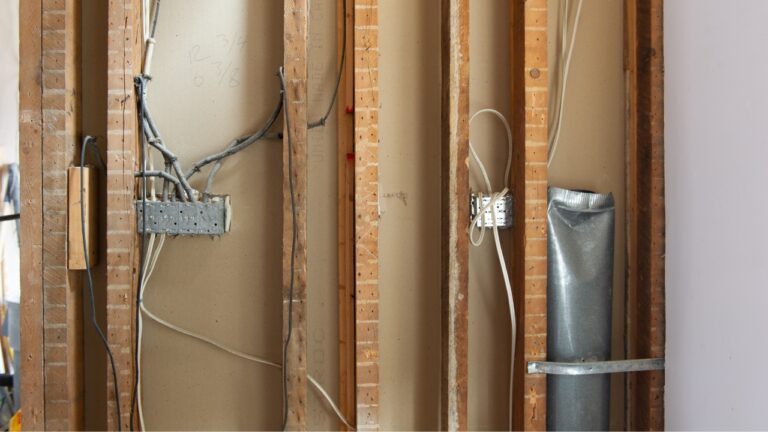
Even if your home looks tight and well maintained, its basic design gives pests more opportunities than you might expect. Every penetration for plumbing, electrical lines, cable, and ventilation creates a potential pathway, and over time weather, settling, and minor repairs widen those openings just enough for insects and rodents to squeeze through. When temperatures drop, pests like mice, rats, spiders, cockroaches, and other insects actively seek warmth and shelter inside, so any small flaw in your building envelope becomes a high traffic entrance.
Professionals who inspect homes in winter consistently find activity around basements, crawl spaces, and other low points where cold air and moisture collect. When the season changes and pests like mice and rats start pushing toward heat sources, they follow the same structural routes that carry air and utilities into your living space, especially around crawl spaces and basements. If you only react when you see a bug in the kitchen or hear scratching in the attic, you are catching the problem at the end of that journey instead of at the start.
Cracks, gaps, and the illusion of a solid shell
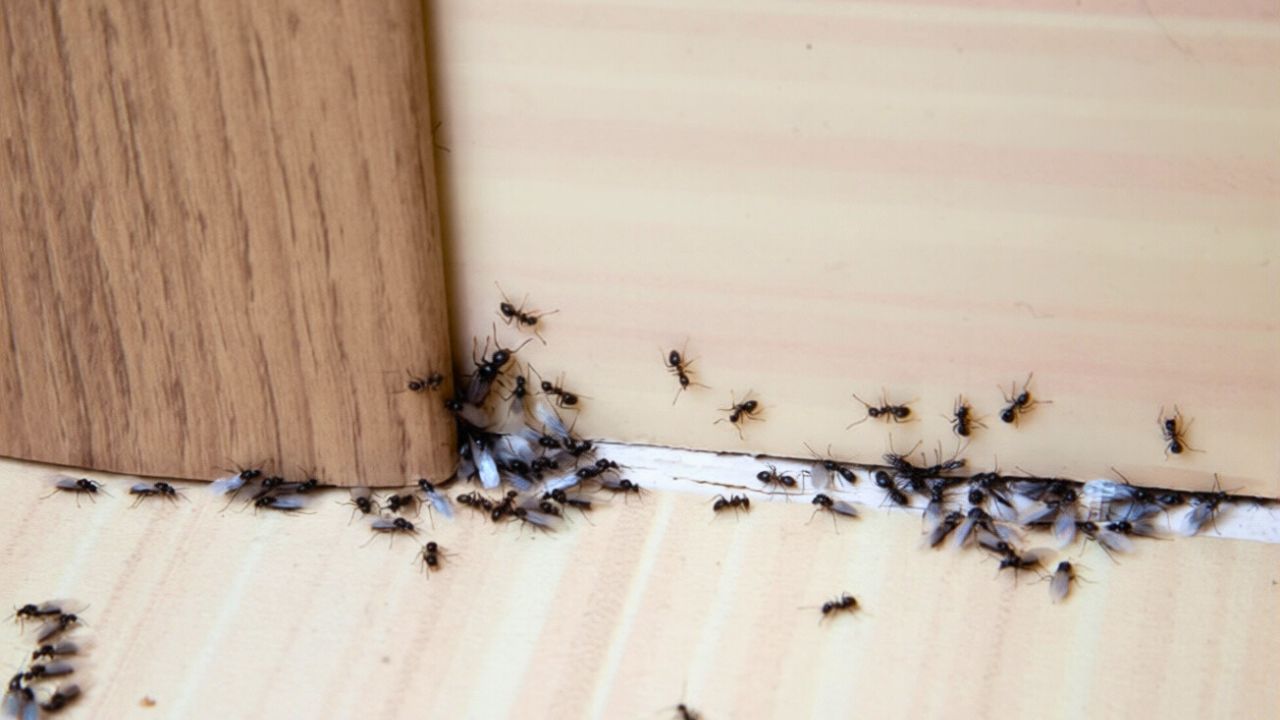
From the street, your exterior walls and foundation probably look like a continuous surface, but pests experience them as a network of tiny tunnels. Small cracks in walls, foundations, and siding joints can be enough for ants, spiders, and even young rodents to pass through, especially where concrete or mortar has pulled away from framing. Once a gap opens along the perimeter, it can channel moisture and air, which encourages more deterioration and makes the opening even more attractive to pests that prefer humid, protected spaces.
Inspectors regularly find that what looks like a cosmetic hairline fracture is actually a direct line into wall cavities or basement joists. Guidance on cracks in walls and foundations stresses that if water can get inside, so can pests, and that principle holds for everything from termites to mice. Even small gaps in the foundation or basement walls can serve as a welcome mat for crawling and flying insects, which is why experts recommend sealing structural openings before you focus on interior treatments.
Vents, airflow openings, and the roofline you never check
Every modern house relies on vents to stay safe and dry, but those same openings can function as pest highways if they are not properly screened. Dryer vents, attic ventilation systems, and bathroom exhaust outlets often sit low to the ground or high along the roofline where you rarely look closely, and over time weather can loosen fittings or coverings. When that happens, rodents, birds, and insects can ride the warm, moist air that flows through these vents straight into wall cavities and attic insulation.
Roofline features are especially easy to overlook because they sit above your normal line of sight and often blend into shingles or soffits. Open chimneys and unscreened vents give rodents and other animals a direct path into the attic, and once inside they can follow the warmth of pipes and ductwork into kitchens and bathrooms. Professionals warn that if you assume pests cannot climb, you underestimate how easily they scale siding, downspouts, and nearby trees to reach these high level openings, which is why they flag unscreened vents as some of the most overlooked entry points.
Foundations, utility lines, and the hidden perimeter
Below eye level, the junction where your siding meets the foundation is one of the most important lines of defense you have, and it is also one of the least inspected. Gaps around gas lines, water pipes, cable conduits, and electrical service penetrations are common, especially in older homes where sealant has dried and pulled away. When you add in settlement cracks and small voids where concrete meets soil, you end up with a ring of weak spots that pests can exploit all the way around the house.
Specialists who map typical entry points for mice consistently list gaps around utility lines and foundation openings near ground level. Other assessments of gaps in foundation or basement walls highlight how even small separations can be enough for crawling and flying insects to move from soil into interior framing. When you combine that with guidance on cracks and passages in the perimeter, the pattern is clear: if you do not systematically seal the band where utilities and structure meet, you leave a continuous, if narrow, corridor for pests to circle until they find a way in.
Garages, doors, and the semi-outdoor spaces pests love
Garages, mudrooms, and attached workshops sit in a gray zone between indoors and outdoors, which makes them ideal staging areas for pests. You open the overhead door multiple times a day, often leave it cracked for ventilation, and store everything from birdseed to cardboard boxes inside. Rodents and insects quickly learn that this space offers food, shelter, and fewer disturbances at night, so they settle in behind shelving, inside stored appliances, and along wall edges where you rarely sweep.
Once they are comfortable in the garage, pests only need a small gap under the door into the house, a missing weatherstrip, or an unsealed conduit to move further inside. Experts describe garages as rodent magnets and point out that if a mouse is already exploring that space, your main living area is already on its radar. Guidance on potential entry points in garages notes that gaps around the bottom corners of doors, openings where wiring passes into the house, and unsealed attic hatches above parked cars all give rodents an easy route. Even when your exterior doors and thresholds look solid, assessments of weak spots in common entry points stress that small misalignments and worn seals can still be vulnerable.
Attics, crawl spaces, and the vertical routes pests exploit
Attics and crawl spaces are out of sight for most of the year, which makes them perfect corridors for pests that want to move vertically through your home. Rodents, in particular, are adept climbers that use wall voids, plumbing chases, and insulation gaps to travel between floors without ever being seen. Once they reach the attic, they can nest in insulation, chew wiring, and use recessed light fixtures or gaps around ceiling penetrations to access living areas.
Professionals who focus on understanding mouse behavior emphasize that mice are small, curious creatures that easily fit through tiny openings and prefer to move along edges and hidden voids. Other guidance on hidden attic and points out that gaps around roof returns, soffit intersections, and attic access panels can all serve as starting points for infestations. When you combine that with winter patterns that drive pests toward warmer crawl spaces and basements, you get a vertical loop that lets rodents move from the lowest to the highest parts of the structure with very little resistance.
Landscaping, siding, and the bridge from yard to wall
The way your yard meets your house can either discourage pests or guide them straight to your siding. Overgrown shrubs, tree branches that touch the roof, and dense ground cover against the foundation all create shaded, humid microclimates that insects and rodents favor. When vegetation presses directly against siding or roof edges, it also acts as a physical bridge that lets ants, spiders, and mice bypass treated soil or gravel and reach higher entry points that would otherwise be harder to access.
Recommendations on exterior maintenance stress that it is important to trim back plants that touch the structure, because they create sneaky entry points for pests. Assessments of common exterior gaps also highlight how openings around windows, doors, and siding transitions can allow small animals to slip in unnoticed once they reach the wall. When you pair that with the reality that moisture weakens concrete and siding over time, creating more cracks along the base, it becomes clear that your landscaping choices directly influence how easily pests can find and exploit structural flaws.
Cluttered storage, renovations, and the indoor blind spots
Even if you seal the outside perfectly, cluttered interiors can hide the signs that pests have already made it in. Basements stacked with boxes, attics full of old furniture, and closets crammed with rarely used items all provide cover for rodents and insects to nest, feed, and move around without being noticed. When you only see the outer layer of storage, you miss droppings, gnaw marks, and damaged insulation that would otherwise alert you to a problem early.
Guidance on starting a new year with a cleaner, safer home highlights cluttered storage areas as a key hidden pest risk, right alongside entry points around the foundation and roof. Renovation work can compound the problem, because opening walls or adding insulation can disturb existing nests and create new gaps around pipes and wiring. Experts who track how rodents move through structures note that during insulation installs or remodeling, mice could already be established in wall cavities, which is why they urge homeowners to treat hidden voids and seal new penetrations as part of any project, not as an afterthought.
Turning inspections into a routine, not a reaction
Most homeowners only think about pests when they see one, but by that point the intruder has already navigated a maze of structural openings to reach your line of sight. A more effective approach is to treat pest control as part of your regular home maintenance, the same way you handle HVAC filters or smoke detector batteries. That means walking the perimeter with a flashlight, checking around utility lines, looking up at vents and roof edges, and opening the attic hatch and crawl space access on a schedule instead of waiting for a problem.
Professionals who coach homeowners on prevention stress that if you have not shielded your home from anything entering, you will continue to have recurring issues no matter how often you treat the interior. Practical advice in instructional videos on how to stop pests before they enter focuses on sealing, screening, and repairing structural flaws as the first line of defense. Other campaigns that frame a pest free year as a realistic household goal remind you that pests do not need an open door to get inside, and that a resolution of zero pests around the house starts with identifying and closing the subtle entry points you used to overlook. When you combine that mindset with detailed checklists of small cracks, gaps around electrical conduits, and other overlooked openings, you shift from reacting to infestations to quietly preventing them.
Rodent tactics, overlooked routes, and how to stay ahead
Rodents are the ultimate stress test for your home’s defenses, because they combine flexible bodies with relentless curiosity. Mice can compress their bodies to fit through openings much smaller than their apparent size, and they routinely explore along baseboards, pipes, and wiring runs in search of food and warmth. If you only block the obvious holes you can see from inside a room, you leave a network of hidden routes intact, which is why infestations often return even after trapping or baiting seems to work.
Detailed breakdowns of common entry points list gaps around doors, foundations, and utility lines, but they also emphasize that rodents often travel along pipes at night in search of food sources in kitchens and pantries. Other analyses of how mice get into houses describe sneaky entry points that homeowners miss, from gaps behind appliances to unsealed openings under cabinets. Campaigns that frame the coming year as a chance to reset your home environment, including hidden pest problems to address early, underline the same message: if you treat rodents as clever, persistent intruders and methodically close the structural routes they rely on, you dramatically reduce the odds that they will ever make it from the yard into your pantry.
Like Fix It Homestead’s content? Be sure to follow us.
Here’s more from us:
- I made Joanna Gaines’s Friendsgiving casserole and here is what I would keep
- Pump Shotguns That Jam the Moment You Actually Need Them
- The First 5 Things Guests Notice About Your Living Room at Christmas
- What Caliber Works Best for Groundhogs, Armadillos, and Other Digging Pests?
- Rifles worth keeping by the back door on any rural property
*This article was developed with AI-powered tools and has been carefully reviewed by our editors.