Houses that “look updated” are hiding the most expensive problems
Photo credit: Hikesterson/istock.com
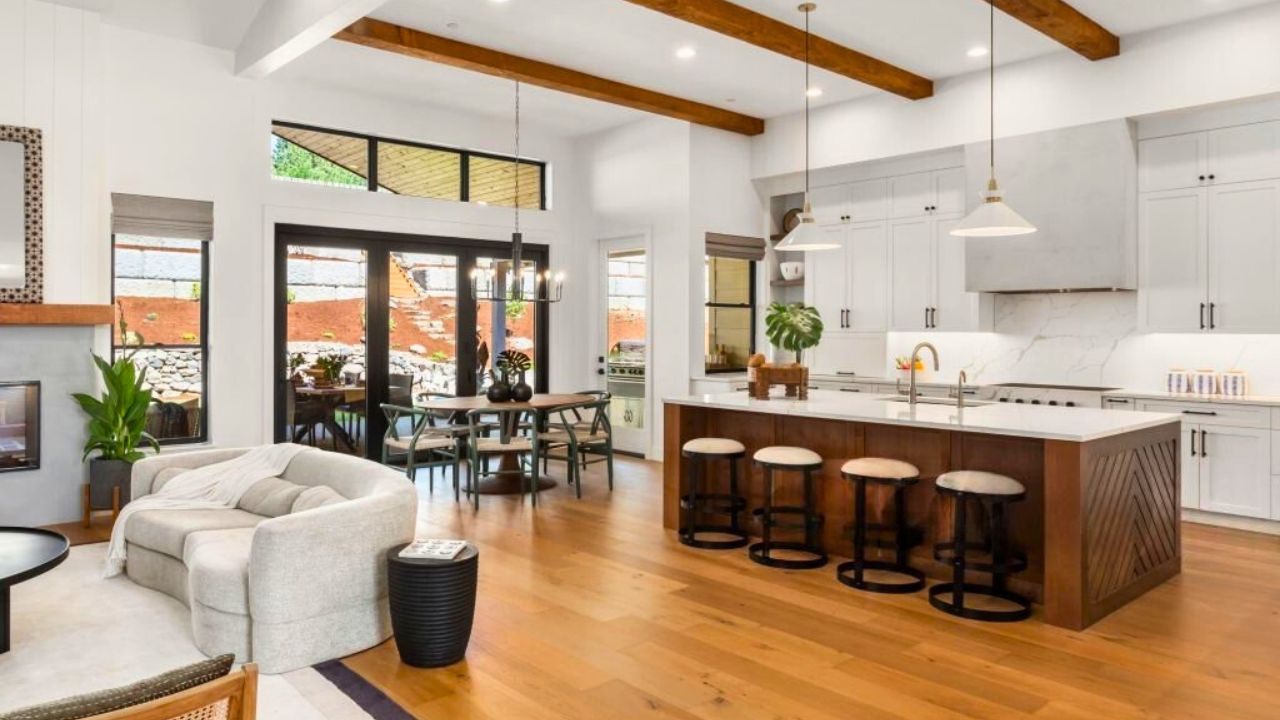
Fresh paint, new cabinets, and trendy fixtures can make a listing feel like a safe, move‑in‑ready bet. Yet the homes that look the most “updated” are often the ones hiding the costliest structural, electrical, and moisture problems, because cosmetic work is the cheapest part of a renovation and the easiest way to distract you from what is going on behind the walls. If you want to avoid five‑figure surprises after closing, you need to look past the finishes and read the clues that a quick flip or rushed remodel has left behind.
The rise of the quick flip and why it matters to you
In many markets you are now almost guaranteed to encounter at least one flipped property in your home search, because investors have turned buying low, renovating fast, and reselling into a standard business model. A typical flip involves purchasing a house as cheaply as possible, doing targeted upgrades that photograph well, then relisting at a higher price, a pattern that has become a common house‑flipping strategy. While that can bring neglected homes back into circulation, it also means you are often walking into a property where every decision was driven by return on investment, not by how the house will live ten years from now.
Some flips are carefully planned, with permits, licensed trades, and full system upgrades, but others are what professionals bluntly describe as lipstick jobs that prioritize staging over safety. Guidance for buyers notes that, while flipped homes are still a relatively small share of total sales, the odds are high that you will encounter at least one in your search and that you should weigh the pros and cons of those investor renovations. That context matters, because a house that looks freshly updated in listing photos may have had its budget spent on quartz counters instead of on the roof, wiring, or foundation that will actually determine your long‑term costs.
Why “updated” finishes can be a financial trap
When you walk into a place with new flooring, gleaming tile, and modern lighting, it is easy to assume the work underneath matches the polish you can see. In reality, cosmetic upgrades are often the cheapest part of a project, while the most expensive problems are the ones you cannot easily photograph, such as failing joists, undersized beams, or aging plumbing buried in walls. Renovation experts point out that structural issues are among the most common hidden costs, often discovered only after floors are opened or walls are removed, which means a flipper who is racing the clock has every incentive not to disturb those areas if they can avoid it.
That is why you see so many projects where the kitchen backsplash is on trend but the electrical panel is decades old, or where a bathroom has new tile over a subfloor that was never properly repaired. Guidance on whole‑home remodeling warns that structural instability and like old wiring, plumbing, and insulation are the real budget killers once you start opening things up. If an investor can sell you on the illusion of a fully updated home without touching those systems, the risk and cost of dealing with them later quietly shifts from the flipper’s spreadsheet to your bank account.
How corner‑cutting shows up in “Fix and flip” work
Seasoned agents and inspectors are increasingly blunt about what they see in rushed investor projects. One professional, reacting to a wave of investor listings, described many Fix and flip jobs as houses that may look updated while Investors quietly cut corners on the work you cannot see, warning buyers Never to assume that fresh finishes equal quality construction. Another agent, reviewing similar projects, said they were not happy with the volume of investor “renovations” in the market and urged buyers to recognize that a lot of these flips are not true rehabs but surface‑level refreshes, a frustration captured in a separate post that begins with Jan and goes on to call out the quality gap.
Inspectors who specialize in these properties routinely find what one firm simply labels Badly done work, from decks and steps that are not properly secured to the house wall to plumbing and wiring that do not meet basic standards. Construction professionals on the building side describe flippers who “slap lipstick on a pig and call it done,” tiling over damaged subfloors or installing luxury finishes while ignoring structural repairs, a pattern highlighted by a contractor who noted that some investors focus on cheap materials and flashy details instead of sound framing and mechanicals in a post that begins with Dec. When you see that kind of mindset, you should assume the most expensive parts of the house were treated as cost centers to be minimized, not as critical infrastructure to be made right.
Reading the exterior: where the shell gives away deeper problems
The outside of a flipped home often tells you more about its true condition than the staged interior. Inspectors advise you to study how different materials meet, especially where the roof meets the siding and where siding meets trim, because sloppy transitions can signal rushed work that will let water in. One guide urges buyers to Pay close attention to the materials the flipper chose and to whether fixtures are installed evenly and securely, since misaligned lights, crooked railings, or uneven siding can all hint at a crew that was moving too fast to care about long‑term durability.
From the construction side, builders warn that you should keep an eye out for misleading “improvements” such as new siding or a fresh roof that was installed in a hurry without addressing the underlying sheathing or ventilation. One contractor explains that learning How to spot flipped homes from the construction side means looking for shortcuts like HVAC systems swapped out in a rush or exterior trim that is caulked but not properly flashed. If the exterior envelope was treated as a cosmetic exercise instead of a weather barrier, you could be inheriting rot, mold, and energy loss that will cost far more to fix than any interior paint job.
Foundations, structure, and the “good bones” test
Underneath every stylish renovation is a simple question: does the house have good bones. Experienced buyers and agents often say they look for homes with strong structure, updated plumbing, and sound electrical before they worry about finishes, a sentiment echoed in a Comments Section where one user, davidwood12, explains that they prioritize homes with solid structural, plumbing, and electrical systems. That mindset is crucial with flips, because the foundation and framing are the most expensive elements to repair and the easiest for a rushed investor to ignore if they can cover cracks or sags with cosmetic fixes.
Specialists in so‑called lipstick flips warn you to Examine the Foundation carefully, since Foundation problems are among the most expensive issues and can be hidden under new flooring, fresh drywall, or landscaping. Broader buyer guidance lists Any Foundation or Structural Issues, including Cracking in walls or slabs, as one of the biggest red flags when you are evaluating a property. If you see patched cracks, doors that do not close properly, or sloping floors in a house that otherwise looks brand new, you should assume the renovation budget went into hiding the symptoms rather than solving the structural cause.
Inside the walls: electrical, plumbing, and mechanical systems
The systems that keep a house safe and comfortable are rarely visible in listing photos, which makes them easy targets for cost cutting. Whole‑home remodeling experts caution that Old wiring, plumbing, and insulation can lurk behind newly finished walls, and that removing or altering Walls that appear non‑load‑bearing can reveal deeper Structural problems. If a flipper upgraded the countertops but left a knob‑and‑tube electrical system or galvanized pipes in place, you could be facing a second, far more expensive renovation just to bring the house up to modern safety standards.
Home inspectors who document flipped properties describe finding furnaces vented incorrectly, overloaded circuits, and damaged flue pipes that were never repaired after roofing work. One inspection story recounts how roofers on a flip were so rough with the flue pipe for the furnace that they left it compromised, creating a serious safety risk that only came to light during a detailed inspection, a cautionary example shared under the heading Jan. Buyer checklists urge you to test every faucet, flush every toilet, and run major appliances, and to have a professional confirm that the heating and cooling systems are properly sized and installed, because replacing a furnace, rewiring a panel, or repiping a house will dwarf the cost of retiling a shower.
Cosmetic clues that the renovation is only skin‑deep
Even if you are not a contractor, you can learn to spot the telltale signs of rushed cosmetic work that often accompany deeper problems. One practical guide urges you to Check for obvious mistakes in the finishes, such as uneven tile, misaligned cabinets, or doors that do not close smoothly, and to test every window and outlet to ensure they are working properly. Another list of Potential Red Flags reminds you to Pay attention to your sense of smell and to inspect basements, attics, and crawl spaces for musty odors that could indicate hidden moisture or mold, even if the visible surfaces look pristine.
Trade professionals who see a lot of flips point to specific details that separate quality work from lipstick. One rundown of Signs Someone Did a Bad Job on a House Flip highlights Poor Tile Installation, illustrated with images credited to Getty Images, as a classic warning sign, along with gaps in trim, mismatched flooring transitions, and fixtures that are not level. Construction‑side advice on When to beware of flipped homes also notes that misleading “improvements” like new vanities or trendy lighting can be installed in a hurry without proper backing or wiring. If the visible work is sloppy, you should assume the hidden work is worse and budget accordingly.
Documentation, permits, and the paper trail you should demand
One of the clearest ways to separate a thoughtful renovation from a risky flip is to look at the paperwork. Buyer advocates stress that a lack of documentation is a major red flag and recommend asking for permits, inspection reports, and contractor invoices for any significant work, advice echoed in guidance that begins with Jun and What and explains how Lack of documentation should push you to dig deeper. If the seller cannot show permits for structural changes, electrical upgrades, or new plumbing, you may be looking at unpermitted work that could fail future inspections or even require you to open up finished walls to prove compliance.
Construction professionals also warn that some investors will rush to install a new heating system or reconfigure walls without coordinating with local building departments, then rely on the fresh finishes to distract from the missing approvals. Advice on How to spot flipped homes from the construction side notes that a heating system installed in a hurry, without proper design or permits, can lead to comfort issues and safety concerns. Before you fall for the staging, ask your agent to pull permit records, compare them to what you see in the house, and be prepared to walk away if the story does not add up.
How to protect yourself without walking away from every flip
None of this means you must automatically reject every home that has been recently renovated. Some investor projects are well executed, and some owner‑occupied remodels hide just as many problems as the worst flip. The key is to approach any “updated” house with a clear strategy: focus on structure and systems first, treat cosmetics as a bonus, and bring in professionals who know how to spot trouble. Buyer guides that start with While remind you that flipped homes are only a portion of total sales, but they also emphasize the importance of having a thorough inspection and of testing systems to ensure they are working properly before you commit.
Like Fix It Homestead’s content? Be sure to follow us.
Here’s more from us:
- I made Joanna Gaines’s Friendsgiving casserole and here is what I would keep
- Pump Shotguns That Jam the Moment You Actually Need Them
- The First 5 Things Guests Notice About Your Living Room at Christmas
- What Caliber Works Best for Groundhogs, Armadillos, and Other Digging Pests?
- Rifles worth keeping by the back door on any rural property
*This article was developed with AI-powered tools and has been carefully reviewed by our editors.