This common garage setup quietly increases fire risk
Photo credit: Boogich/istock.com
Your garage is probably doing far more than sheltering a car. It is a workshop, a storage locker, a gym, and a dumping ground for everything that does not fit in the house. That familiar setup, with fuel, chemicals, cardboard boxes, and power tools piled around a vehicle, quietly raises the odds that a small spark will turn into a fast‑moving fire that reaches your living room in minutes.
Fire investigators repeatedly find that the most destructive home blazes start in attached garages, where clutter, ignition sources, and weak barriers to the house line up in exactly the wrong way. By rethinking how you store everyday items and how you wire, heat, and separate this space, you can keep the convenience of a multipurpose garage without accepting the hidden risk that comes with it.
The everyday layout that turns a garage into a fire trap
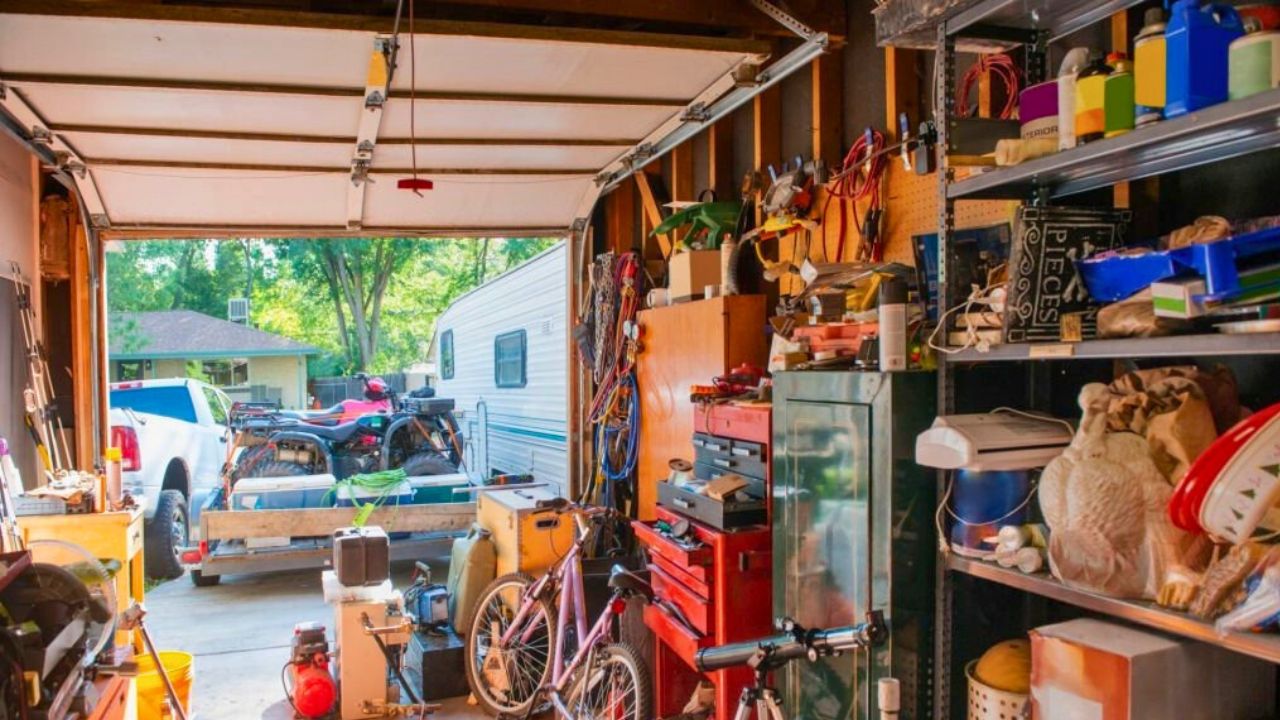
Walk into a typical suburban garage and you see the same pattern: a gasoline vehicle parked inches from shelves of paint cans, oil, and propane, with cardboard boxes and old furniture stacked around the perimeter. That combination of fuel, ignition sources, and tight spacing is exactly what fire officials warn about when they describe how quickly a blaze in this part of the home can spread into living areas. Guidance on basement and garage safety stresses that these spaces concentrate flammable liquids, electrical equipment, and stored belongings in a way you rarely see elsewhere in a house.
Because you often treat the garage as “outside but attached,” you may relax standards you would never accept indoors, such as open containers of fuel, oily rags in a corner, or a space heater running near cardboard. National fire officials point out that once a blaze starts in this environment, the combination of stored combustibles and direct openings into the house can let flames and toxic smoke move rapidly through doors, ducts, or gaps in the ceiling. That is why they urge you to think of the garage not as a buffer zone but as one of the highest risk rooms under your roof.
Clutter, hoarding, and the “overpacked powder keg” effect
The most common garage setup that quietly magnifies danger is not a single appliance or tool, it is clutter. When your garage serves as a catch‑all storage space, you create what one restoration expert bluntly calls an Overpacked Powder Keg. Piles of cardboard boxes, old clothing, mattresses, and plastic bins turn a small ignition into a fast‑moving wall of flame, especially when those piles block doors or make it hard for firefighters to reach the source.
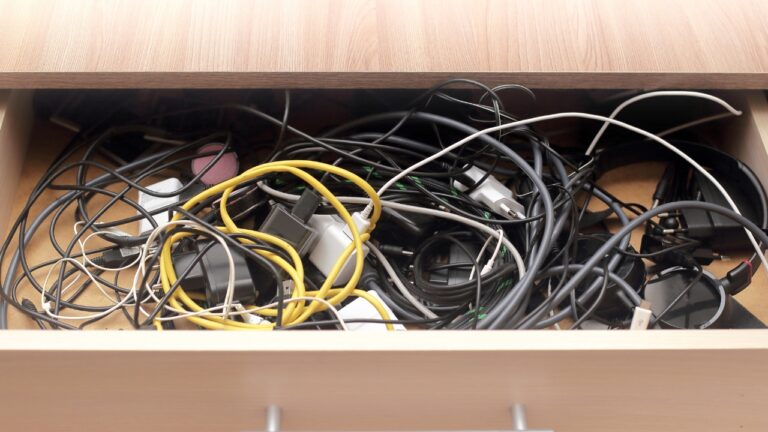
Hoarding hazards are not just about volume, they are about what ends up buried in the mess. Extension cords snaked under boxes, power tools left plugged in, and forgotten cans of stain or solvent tucked behind holiday decorations all raise the odds that a Faulty wire or chemical leak will meet a ready fuel source. Safety specialists who focus on garage safety hazards warn that clutter also hides early warning signs, such as scorch marks on outlets or small leaks from fuel containers, until the first “notice” you get is open flame.
Flammable liquids and chemicals stored inches from ignition
Even a tidy garage often hides a more specific problem: flammable liquids stored right next to ignition sources. Many homeowners keep Gasoline for lawn mowers or snow blowers in plastic cans on the floor, a few feet from a water heater, furnace, or the hot exhaust of a recently parked SUV. Fire officials in multiple jurisdictions have urged residents to move oil, gasoline, paints, propane, and varnishes into a separate shed, noting that Garages pose their own set of fire risks precisely because these materials are so often stored indoors.
Guidance for homeowners emphasizes that gasoline, oil‑based paints, paint thinner, and lighter fluid should be kept in tightly sealed containers in a well‑ventilated shed away from the house, not on a shelf over the hood of a car. Inspectors who advise on attached garages ask bluntly, Where are you most likely to do any welding, woodworking, or work on your car, and then remind you that those same spaces often hold paint thinner and lighter fluid. When you combine sparks from grinding or welding with vapors from these products in an enclosed room, you create conditions for an explosion, not just a small fire.
High‑power tools, extension cords, and hidden electrical failures
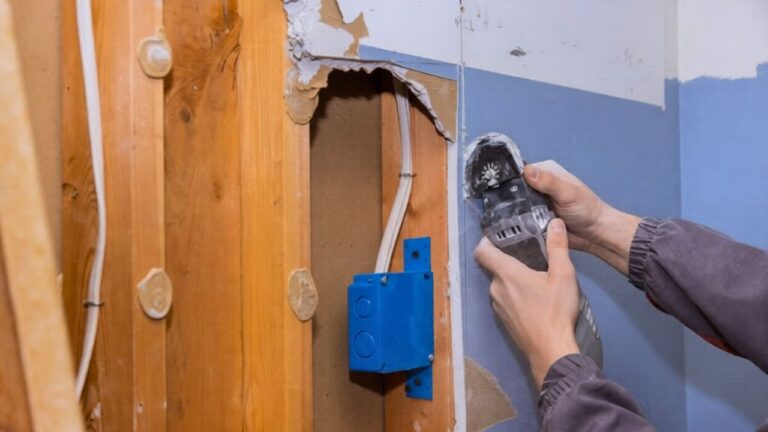
Another quiet threat in the modern garage is the way you power everything from freezers to EV chargers. Many people plug refrigerators, air compressors, or space heaters into power strips or daisy‑chained extension cords, then leave them running around the clock. Fire investigators who study Most Common Causes repeatedly point to Electrical Problems, including overloaded outlets, Faulty wiring, and improper use of extension cords, as a leading ignition source in these spaces.
State fire marshals have started spelling out how to handle high‑draw devices in garages, especially as more people plug in electric vehicles, pressure washers, and large power tools. One campaign on social media urged homeowners to Plug Directly Into when running high‑power appliances, warning that a fire in a garage can spread quickly to the house. The message is simple: if a device pulls serious current, it belongs on a dedicated, properly rated circuit, not on a bargain power strip buried behind storage.
When the barrier fails: doors, ceilings, and shared walls
Even if a fire starts in the garage, the difference between a contained incident and a house‑wide disaster often comes down to how well the barrier between spaces performs. Many homeowners assume any solid‑looking door between the garage and kitchen is good enough, but specialists in residential garage safety caution that Using the Wrong Kind of Door It is a common and dangerous mistake. They note that a hollow‑core interior door can fail quickly in a blaze, while a properly rated fire door, installed correctly, can buy crucial minutes and, as one guide puts it, can save lives.
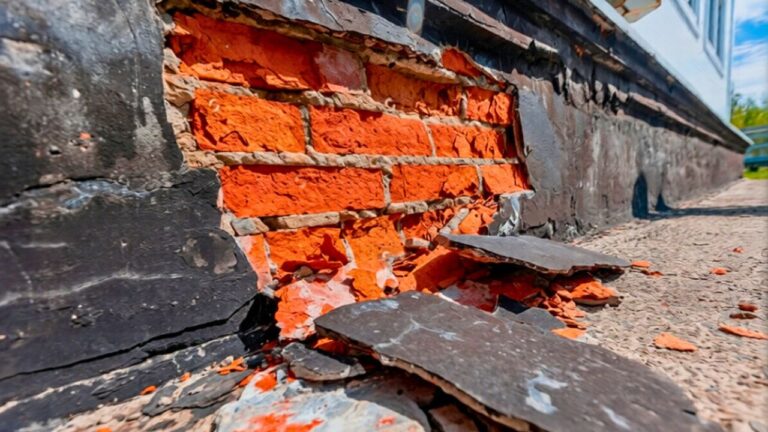
Ceiling penetrations and shared walls create similar weak points. In one widely viewed video, a homeowner walking through a renovation points to a large opening in the garage ceiling for a lift and admits, in the title, that Garage Is a. That moment captures a broader problem: any unsealed hole into the living space, whether for an elevator, ductwork, or pull‑down stairs, can act as a chimney for heat and smoke. Local officials who speak about attached garages stress that sealing gaps, using fire‑rated drywall, and keeping the door self‑closing are not cosmetic upgrades, they are core protections for everyone sleeping on the other side of that wall.
Why your smoke alarm keeps chirping in the garage (and what to install instead)
Many homeowners try to protect the garage by installing a standard smoke alarm, only to get so many false alerts that they pull the battery and forget about it. Fire safety agencies explain that Smoke detectors in garages can sound because of a change in temperature and humidity, as well as dust, fumes, and insects, which makes them unreliable in this environment. Official guidance on Did you know style pages instead recommends heat‑sensing devices that trigger when temperatures spike, not when a bit of sawdust hits the sensor.
Garage door and safety experts echo that advice, noting that if you have a smoke detector in your garage, you may notice it goes off more frequently than necessary because it can be triggered by exhaust, humidity, and excessive dust in your garage space. They urge you to pair a heat alarm with carbon monoxide detection, especially if you run vehicles or fuel‑burning tools indoors, and to tie those devices into the rest of your home system. One detailed guide on garage safety tips explains that interconnected alarms ensure a fire in the garage triggers alerts in bedrooms, where you actually need to hear them at night.
Heat alarms, sprinklers, and the case for real detection
Because of the limitations of smoke detectors in dusty, fume‑filled garages, national guidance has shifted toward heat‑sensing devices designed for these conditions. The Fire Administration advises installing a garage heat alarm that is interconnected with the other fire alarms in your home, with a rating between 175° F and 200° F, so it will respond to dangerous heat without being fooled by everyday exhaust or humidity. Consumer advocates who summarize this advice argue that a properly rated unit, mounted on the ceiling away from vents, is one of the most cost‑effective upgrades you can make, and they highlight this recommendation in their coverage of why U.S. Fire Administration is so specific about temperature ratings.
Some homeowners go further and add sprinklers or automatic suppression systems in attached garages, especially in new construction or major remodels. Local fire departments that talk about garage safety in public forums, including events where Mayor Patrick Brown Councelor Rowena Santos Councelor Navjet Bra and Division Chief for Fire Li appear together, stress that early detection and suppression are the only realistic ways to stop a fully involved garage fire from reaching the house. Their message is consistent: alarms buy you time to escape and call for help, while sprinklers or extinguishers can keep a small incident from becoming the kind of blaze that destroys multiple rooms before crews arrive.
Using the garage as a workshop, gym, or studio safely
Modern garages rarely serve a single purpose. You might weld on a project car in the morning, lift weights in the afternoon, and run a side business out of a workbench at night. Fire districts that focus on residential risk point out that it can be a workshop, storage area, and even a makeshift gym. However, the accumulation of flammable materials, hazardous chemicals, and hot vehicles in enclosed spaces turns that flexibility into a hazard if you do not adjust your safety habits. One detailed advisory on Dec garage fire safety notes that parking hot vehicles in enclosed spaces next to solvents and sawdust is a recipe for trouble.
To keep your multipurpose setup from becoming a quiet threat, you need to separate activities and materials. That means storing welding gas cylinders upright and secured, keeping oily rags in metal containers with tight lids, and never running combustion engines with the door closed. Safety campaigns that urge homeowners not to be a fire victim in the garage also remind you that Gasoline, often stored in containers for refueling vehicles, is highly combustible and can ignite with a spark or flame, and that Similarly, garage doors should also be considered part of the fire barrier when it comes to fire safety. One practical guide from Aug stresses that keeping the door in good repair and closed while you work can slow the spread of smoke and heat if something goes wrong.
Simple changes that dramatically cut your risk
The good news is that you do not need a full renovation to tame the hidden hazards in your garage. Fire safety professionals suggest starting with an inventory of everything stored there and looking for potential fire hazards, especially combustibles and chemicals. One practical checklist titled Fire Hazards Start by making an inventory of everything stored in the garage and then recommends moving flammable liquids to a well‑ventilated shed away from the house. From there, you can clear clutter, keep pathways open to doors, and ensure that nothing is stacked against outlets or appliances that generate heat.
Once the space is under control, you can address the structural and electrical pieces that quietly raise risk. That means replacing a hollow‑core door with a rated fire door, sealing ceiling gaps, installing a properly rated heat alarm, and making sure high‑draw appliances are on dedicated outlets instead of extension cords. National guidance on garage fire prevention, local campaigns that say Stop ignoring top hazards, and detailed checklists from specialists all converge on the same point: when you treat the garage with the same seriousness you apply to your kitchen or furnace room, you turn a quiet, everyday setup from a lurking liability into a space that works for you without putting your home at unnecessary risk.
Like Fix It Homestead’s content? Be sure to follow us.
Here’s more from us:
- I made Joanna Gaines’s Friendsgiving casserole and here is what I would keep
- Pump Shotguns That Jam the Moment You Actually Need Them
- The First 5 Things Guests Notice About Your Living Room at Christmas
- What Caliber Works Best for Groundhogs, Armadillos, and Other Digging Pests?
- Rifles worth keeping by the back door on any rural property
*This article was developed with AI-powered tools and has been carefully reviewed by our editors.