Why older insulation causes more problems than people expect
Photo credit: FluxFactory/istock.com
Insulation is one of those building materials you rarely see and almost never think about, yet it quietly shapes how healthy, comfortable, and expensive your home is to run. When it is new and properly installed, it works in the background, cutting drafts and keeping energy bills in check. As it ages, however, it can shift from silent helper to hidden liability, creating more problems than most homeowners ever expect.
The trouble is that insulation does not fail with a dramatic crack or leak. It deteriorates slowly, losing performance, harboring contaminants, and trapping moisture in ways that only show up as allergies, strange odors, or a furnace that never seems to shut off. By the time you notice those symptoms, the material in your walls or attic may already be undermining your air quality, your health, and your budget.
Why “out of sight, out of mind” is a costly assumption
You probably remember the year you replaced your roof or bought your current car, but you may have no idea when the insulation above your head was installed. That blind spot is common, and it is exactly why older insulation causes more trouble than people anticipate. Once it is buried behind drywall or under attic boards, it is easy to assume it will quietly do its job forever, even though every material in your home, from shingles to water heaters, has a service life.
Specialists who work in attics and crawl spaces stress that Age of Existing time is one of the clearest red flags that performance has slipped. Fiberglass batts slump, cellulose settles, and foam can separate from framing as a house shifts. On top of that natural wear, years of dust, pest activity, and minor roof leaks slowly change what is sitting between your living space and the outdoors. By the time you feel chronic drafts or notice rooms that never match the thermostat, the material overhead may be doing more harm than good.
How aging insulation quietly wrecks indoor air quality
Fresh insulation is designed to resist heat flow, not to filter the air you breathe. As it ages, however, it behaves more like a dirty furnace filter than a clean thermal blanket. Fibers and loose-fill products trap dust, pollen, and other airborne particles that drift through tiny gaps, and over the years that buildup becomes a reservoir of irritants that can be stirred up every time the wind gusts or your HVAC fan kicks on.
One building science expert compares the problem to a filter that has not been changed, noting that Old insulation acts less like a barrier and more like a sponge for contaminants. As that material breaks down, it can release fibers and fine particles back into your home’s air, aggravating allergies and asthma. Other analysts point out that Old insulation often develops gaps that allow dust, mold spores, and pest droppings to infiltrate the indoor environment, turning what should be a passive building component into an active source of air quality problems.
Health risks you do not see in the attic
The health issues tied to outdated insulation are rarely obvious at first. You might notice more sneezing in certain rooms, a lingering cough that flares up at night, or eye irritation when you spend time in a finished attic or basement. Those symptoms are easy to blame on seasonal allergies or a cold, but they can also signal that the material in your walls and ceilings is breaking down and releasing irritants into the air.
Contractors who remove older fiberglass warn that The Hidden Dangers include loose fibers that can cause throat and eye irritation when disturbed. In damp or poorly ventilated spaces, that same material can harbor mold growth that further stresses your respiratory system. Other specialists flag that Health Hazard: Old is particularly risky for patients already having respiratory diseases, since chronic exposure to spores and fine particles can worsen asthma and other lung conditions over time.
Toxic legacies in older materials
Beyond dust and mold, some of the most serious problems with aging insulation come from what it was made of in the first place. Homes built decades ago often used products that contained chemicals or fibers now recognized as hazardous. As those materials age, crack, or are disturbed during repairs, they can release contaminants that were effectively locked away when the insulation was new.
Building performance experts caution that general, most older used up to 15 years ago contain some toxic materials, even if only in trace amounts, and that risk is higher in insulation in homes built before the 1990s. Homeowners also have legitimate concerns about whether their attic insulation is toxic, and specialists explain that Why People Worry is that once these materials start making dust, those particles can end up circulating through your home’s air. If you live in an older property and see brittle, discolored, or unidentified insulation, that is a cue to bring in a qualified professional rather than poking around on your own.
Moisture, mold, and structural damage behind the walls
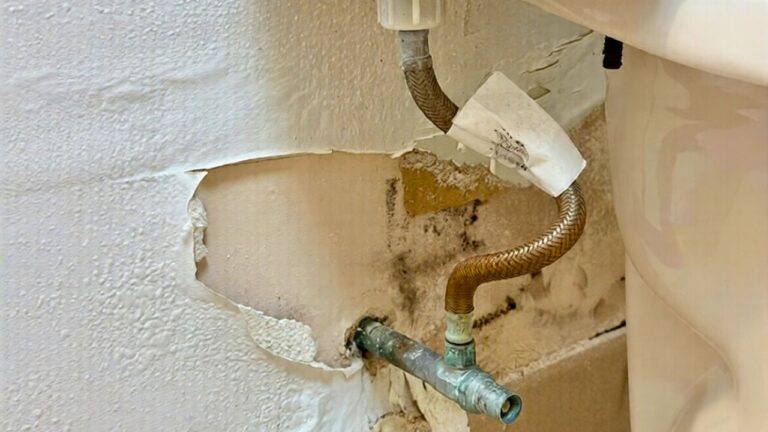
Water is one of the fastest ways to turn useful insulation into a liability. A minor roof leak, condensation around a bathroom fan, or ice dams in winter can all introduce moisture into attic or wall cavities. Once insulation gets wet, it often stays damp for far longer than the surrounding framing, creating a perfect environment for mold and slowly eroding the material’s ability to trap air and resist heat flow.
Guidance on wet building materials notes that Insulation Material Damage exposure to moisture can weaken structural elements of your home, such as timber beams and plasterboard, if the problem is allowed to progress for an extended period of time. The same dynamic shows up in other construction systems, where analysts warn that Moisture leads to the degradation of materials and more frequent repairs and replacements of internal elements. In an attic or crawl space, that combination of soggy insulation and hidden mold can quietly damage framing while also feeding spores into your home’s air.
Pests, droppings, and disease risks in forgotten cavities
Rodents and insects treat old insulation like a rent-free apartment complex. Once they find a way in, they tunnel through batts and loose fill, compressing it into useless clumps while leaving behind droppings and urine. Those contaminants do not stay put. They dry out, break into fine particles, and can be drawn into your living space through tiny gaps around light fixtures, attic hatches, and ductwork.
Public health guidance cited by insulation contractors notes that According to the U.S. Centers for Disease Control and Prevention, exposure to rodent droppings can lead to serious illnesses like hantavirus and even the plague. Crawl space specialists warn that Poor Indoor Air is a predictable outcome when old insulation is contaminated with pest waste, especially in homes where air from the crawl space is drawn upward into living areas. If you see chewed wiring, nesting material, or droppings near access hatches, it is a strong sign that the insulation you cannot see is in far worse shape than you think.
Comfort and energy penalties that show up on your bills
Even if you never see a mouse or smell mold, aging insulation can still hit you where it hurts: your comfort and your utility budget. As fibers slump and loose-fill settles, the effective thickness of your thermal barrier shrinks. That allows more heat to escape in winter and more to seep in during summer, forcing your furnace and air conditioner to run longer to maintain the same thermostat setting.
Energy specialists point out that Old Insulation Is through higher energy bills and shorter equipment life, since HVAC systems cycle more often when the building shell is underperforming. Another common misconception is that insulation is a one-time upgrade that never needs attention, but experts debunk the idea that Myth 8: Insulation homeowners assume that once insulation is installed, it will continue to perform effectively, even though moisture, settling, and pest infestations can degrade insulation over time. If your home feels drafty in winter and stifling in summer despite a working HVAC system, the problem may be sitting quietly above your ceiling.
Why simply adding more on top rarely works
When you discover that your attic is underinsulated, it is tempting to treat it like a low tire and just add more on top. In some cases, topping up can help, but if the existing material is contaminated, compressed, or wet, burying it only hides the problem and makes it harder to fix later. You end up with a thicker layer of compromised insulation that still leaks heat, harbors mold, or sheds dust into your home.
Attic specialists emphasize that Insulation doesn’t last, and that if your attic insulation is older than your wiring or roofing, there is a good chance the layers underneath are still doing damage. Guidance for older properties also notes that create warm moist in our homes by cooking, taking showers, having plants, and breathing, and that warm, moist vapor is attracted to cooler surfaces in walls. If you stack new insulation on top of old without addressing moisture pathways, you can trap vapor where it does the most harm, increasing the risk of condensation and hidden rot.
How to tell when it is time to remove and start fresh
Knowing that insulation ages is one thing; deciding when to act is another. You can start with simple visual and sensory checks. Look for dark streaks on batts, which can indicate air leaks, sniff for musty odors that suggest mold, and pay attention to rooms that never seem to match the thermostat. These clues, combined with the age of your home and any history of leaks, help you decide whether a professional assessment is worth scheduling.
Insulation contractors outline clear Signs That Old, including black spots, musty smells, and evidence of pests. Other guidance notes that Many homeowners don’t that insulation can be damaged by moisture or pests long before it visibly falls apart. For attics in particular, specialists explain that Natural materials will inevitably degrade faster than synthetics, and that fiberglass insulation typically needs to be replaced if it has been disturbed, contaminated, or exposed to water damage of any kind.
Planning a healthier, higher performing upgrade
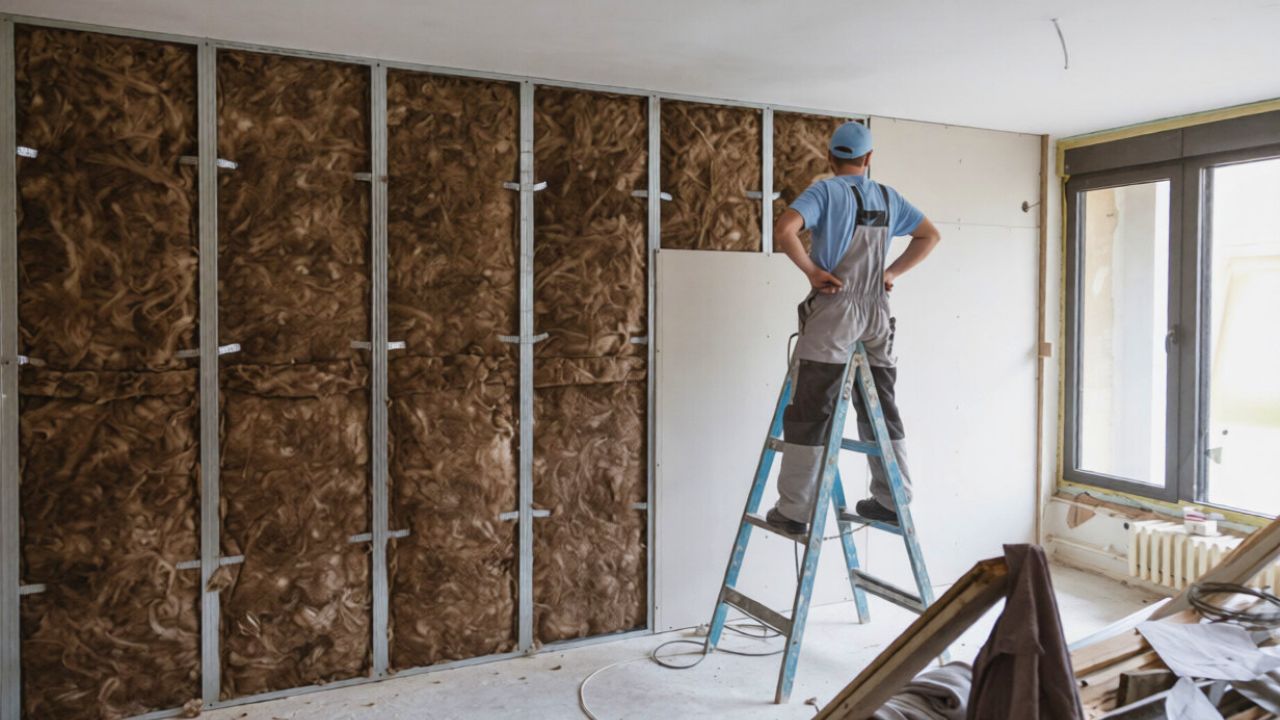
Once you decide that your existing insulation has outlived its usefulness, the next step is to think strategically about what replaces it. That means more than just picking a product off the shelf. You need to consider how your home is built, where it leaks air, and how moisture moves through the structure so that the new system solves old problems instead of locking them in for another generation.
Energy consultants remind homeowners that Older homes have, charm, and quirks that require tailored insulation methods, especially in common problem areas like the attic and roof where heat naturally rises and escapes. Loft specialists explain that If the material is squashed, flattened, or compressed, the trapped air that provides resistance to heat flow is lost and the insulation loses the majority of its thermal efficiency. By removing degraded material, sealing air leaks, and installing new, high performance insulation at the right thickness, you not only restore comfort but also reduce the health and maintenance surprises that aging insulation tends to hide.
Like Fix It Homestead’s content? Be sure to follow us.
Here’s more from us:
- I made Joanna Gaines’s Friendsgiving casserole and here is what I would keep
- Pump Shotguns That Jam the Moment You Actually Need Them
- The First 5 Things Guests Notice About Your Living Room at Christmas
- What Caliber Works Best for Groundhogs, Armadillos, and Other Digging Pests?
- Rifles worth keeping by the back door on any rural property
*This article was developed with AI-powered tools and has been carefully reviewed by our editors.