What old homes reveal after the first major power outage
Photo credit: Larisa Stefanjuk/Shutterstock.com
The first time the lights cut out for more than a few minutes, an old house stops being charming and starts telling you the truth. You discover which systems still work without electricity, which ones fail instantly, and where decades of deferred maintenance have been hiding. That first major outage becomes a stress test that reveals how well your home can protect you when the grid goes quiet.
What you learn in those hours, from the wiring behind your walls to the plumbing in your basement, can shape every upgrade you make afterward. If you listen closely to what your house is showing you, you can turn a vulnerable structure into one that is safer, healthier, and far more resilient the next time the power disappears.
The blackout as a home inspection you did not schedule
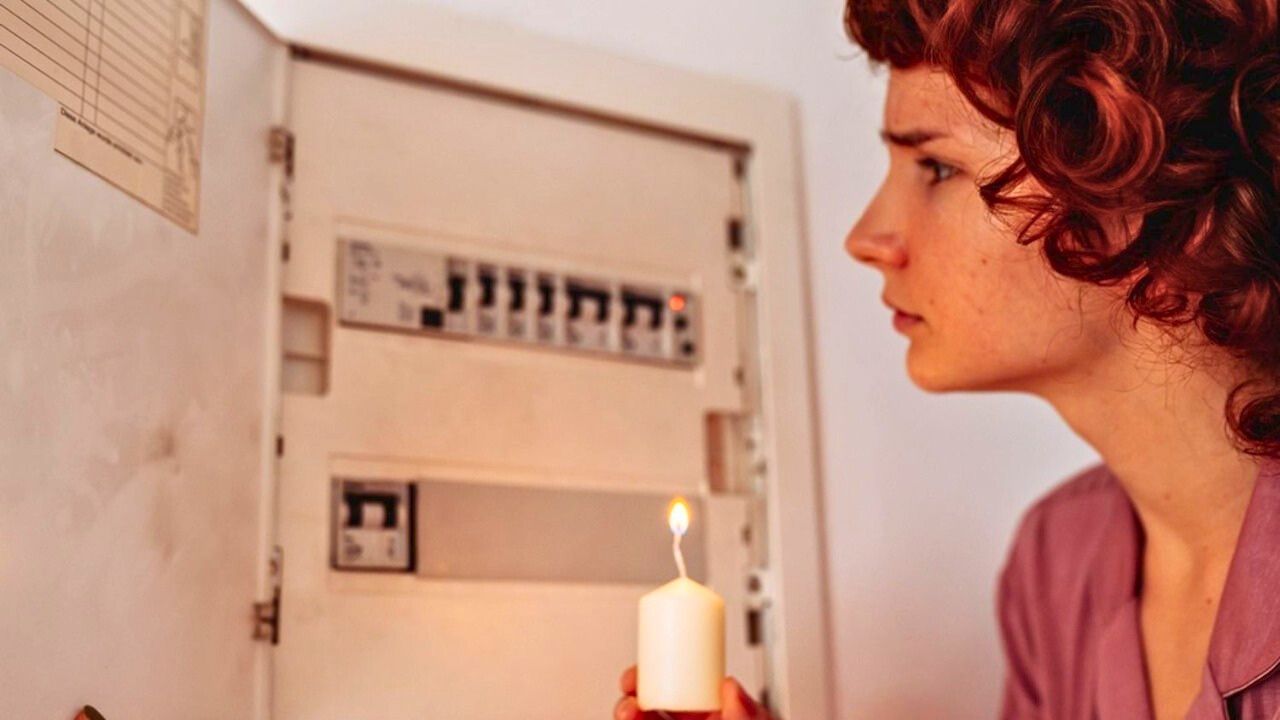
When everything clicks off at once, you are effectively running a whole-house audit under real-world pressure. You notice which rooms plunge into total darkness, which outlets were quietly powering essential devices, and how quickly indoor temperatures start to drift. That sudden silence exposes how dependent you have become on powered ventilation, mechanical heating and cooling, and even background electronics that you barely register until they stop. It is the moment you realize that a “major outage” is not just an inconvenience, it is a live demonstration of your home’s weak points.
Professionals who focus on healthier homes stress that you should not wait for a crisis to map those vulnerabilities, but a blackout forces the issue. Guidance on safer living spaces encourages you to treat safety as an everyday project, not a one-time checklist. Yet the first long outage often becomes the moment you finally walk your own halls with a flashlight and see, in very practical terms, how your house behaves when the grid is no longer doing the heavy lifting.
What old wiring finally admits when the lights go out
Older houses tend to keep their electrical secrets until they are stressed, and a blackout followed by restoration is exactly that kind of stress. When power returns, you may notice circuits that trip immediately, lights that flicker, or outlets that feel warm, all of which are classic signs that your wiring is not keeping up. Electricians warn that varying brightness, frequent breaker trips, and even mild Electrical Shocks when you touch switches or appliances are warnings that should be addressed quickly.
Specialists in older properties point out that Most residential wiring systems have a practical lifespan, and many older homes still rely on knob-and-tube or early cable that predates modern loads. One detailed guide on Signs Your Home needs attention lists “Frequent Circuit” problems as Warning Signs Your an Upgrade, and even labels the first red flag as “1.1 Sign #1.” When the power cycles off and on, those weaknesses often show up all at once, giving you a clear, if unsettling, to-do list.
Panels, breakers, and the limits of a bygone era
Beyond the wires in the walls, the outage often exposes the limits of the panel that feeds your entire house. Many older properties still rely on service equipment sized for a time when a home might have had a single refrigerator and a few small appliances. Experts note that Most older homes were built with panels that “were fine and served the period in which the home was built,” but now fall short of modern expectations, especially once you add air conditioning, induction ranges, or electric vehicle chargers.
When power is restored after a widespread failure, that undersized equipment can struggle, which is why technicians flag Frequently tripped breakers, buzzing sounds, sparking, and hot breaker faces as signs of an overloaded system. Some older houses still rely on Pronged two-slot outlets that lack a ground, which can be especially risky when power surges through after an outage. If your first major blackout ends with you standing in front of a humming panel, resetting the same breaker again and again, your home is telling you that its electrical backbone was never designed for the way you live now.
Hidden fire risks that only show up in the dark
Power failures do not just reveal inconvenience, they can expose fire hazards that were easy to ignore when everything worked. When electricity cuts out, you may reach for candles, portable heaters, or improvised generators, all of which can turn a fragile electrical system into a genuine threat. Public safety officials have warned that after severe storms knocked out power for more than half a million people, those still in a blackout faced heightened danger from improper generator use and open flames, a concern highlighted in televised warning segments.
Old houses are particularly vulnerable because their construction often includes combustible framing, aging insulation, and legacy wiring that was never meant to share circuits with space heaters and extension cords. Electricians who specialize in historic properties point out that Homes built prior to the 1930s commonly used knob-and-tube systems with open conductors that can overheat if overloaded. When you combine that kind of infrastructure with the temptation to daisy-chain power strips after an outage, you are stacking risks. The blackout, in other words, is not just a test of patience, it is a live-fire drill for how safely your home handles improvisation.
Plumbing, water, and the systems you forget rely on power
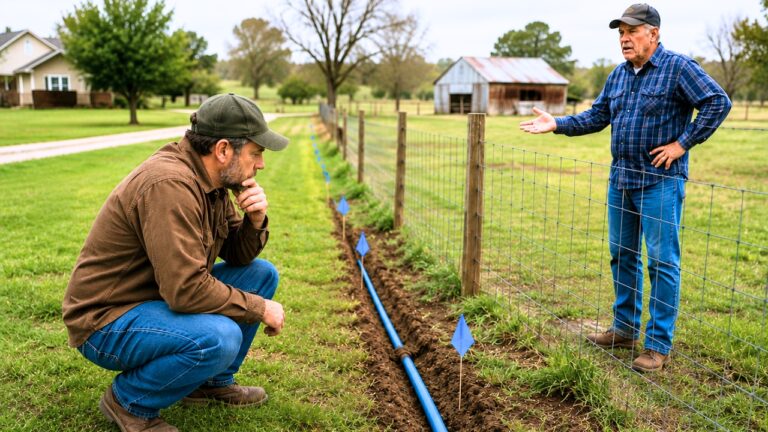
One of the most jarring lessons in an older home is how quickly water becomes complicated when the electricity stops. You may assume that taps and toilets are independent of the grid, but many systems rely on pumps, controls, or treatment units that need power. Guidance on outages stresses that Water and electricity “shouldn’t mix,” yet your well pump, sump pump, or even some municipal booster systems all use electricity to function, which means a blackout can quickly turn into a plumbing problem.
Resilience experts argue that Such vulnerabilities are why backup water strategies matter as much as backup power. They point to Water availability as a central issue and recommend Storing enough for drinking, sanitation, and basic hygiene when the grid is down. In an older house, that might mean rethinking how your basement handles stormwater, adding battery backups to critical pumps, or simply learning which fixtures will still work without power so you are not surprised in the middle of the night.
Old features that suddenly matter again
Paradoxically, some of the quirkiest elements of an old house become its greatest strengths when the power fails. Architectural historians have noted that many colonial-era homes include multiple fireplaces, not as decorative flourishes but as essential heating systems, and those masonry cores still work when the grid does not. Sleeping porches, transom windows, and thick masonry walls were all designed to manage temperature and airflow long before compressors and fans, and they can still keep you more comfortable than a modern sealed box when the air conditioning is silent.
Accounts of earlier generations living without electricity describe how Our ancestors were “dependent on themselves.” They kept oil for lamps, used outhouses that did not require water to flush, and relied on that sleeping porch for hot nights. When you walk through your own older home during a blackout, you may see echoes of those strategies in built-in cabinetry, exterior doors aligned for cross-breezes, or chimneys that could be safely reactivated. The outage becomes a reminder that some “obsolete” features are actually low-tech resilience tools waiting to be reclaimed.
Health, age, and who your house really serves
A long outage also reveals how well your home serves the people inside it, especially those who are older or have health challenges. Without light, elevators, or powered stair lifts, stairs that felt manageable can become dangerous obstacles. Guidance on vulnerable residents notes that Difficulty with mobility can make it hard for elderly individuals to navigate their homes or get around the community during a blackout, particularly if they rely on powered medical devices or refrigeration for medication.
Even in a structurally sound house, the lack of ventilation, heating, or cooling can quickly become a health issue for anyone with respiratory or cardiovascular conditions. That is why experts on healthier living spaces urge you to Monitor Electrical Issues before they become emergencies. One homeowner, Rich Handel, whose house turned 100 last year, described how much peace of mind he gained from proactive monitoring. Your first major outage may similarly push you to think less about cosmetic upgrades and more about whether your home’s layout, lighting, and backup systems truly support the people who live there.
From fragile grid to neighborhood lifeline
As outages become more common, the question is not just how your house survives, but whether it can help others. Commentators warning about a potential grid crisis describe the eerie quiet when there is No Wi-Fi and no background noise, and how quickly You realize it is not just your house that is dark. In that context, an older home that has been thoughtfully upgraded can become a small hub, offering charging, warmth, or even just a lit room where neighbors can gather.
One widely shared story followed a woman who used fabric-based storage technology to keep her “herb house” running and then extended that power to her neighbors, effectively turning her property into a micro-resilience center. In video accounts, she walks through “this is my herb house, this is my home, and this is where I help my community,” illustrating how a single building can support an entire block when the grid fails, as seen in footage of how one woman powered her neighborhood. Your own first major outage can be the moment you decide whether your old house will remain a passive consumer of electricity or evolve into a small-scale backup for the people around you.
Turning lessons from the first outage into a retrofit plan
Once the lights are back on, the most important step is to treat what you learned as a blueprint for change. Start with the obvious electrical red flags: if you saw flickering, felt warmth at outlets, or dealt with repeated trips, schedule an inspection focused on the issues that surfaced. Electricians who work on historic properties emphasize that Homes with legacy wiring and undersized panels can be upgraded in stages, starting with the most overloaded circuits and the main service equipment. Resources that catalog common problems in older homes can help you prioritize which fixes will deliver the biggest safety gains.
Beyond wiring, use the outage to rethink how your house handles water, heat, and light. Consider modest investments like hard-wired smoke detectors with battery backup, strategically placed LED lanterns, and safe, vented heating options that do not depend entirely on the grid. Resilience specialists suggest that a truly prepared house might eventually pair efficiency upgrades with on-site generation, such as rooftop systems that can operate in island mode, as described in guidance on making buildings more resilient to outages that highlight how Such a house could even be carbon neutral. Your first major blackout is not just a story you tell later, it is the starting point for a deliberate plan to ensure that the next time the grid fails, your old home performs like a much newer one.
Like Fix It Homestead’s content? Be sure to follow us.
Here’s more from us:
- I made Joanna Gaines’s Friendsgiving casserole and here is what I would keep
- Pump Shotguns That Jam the Moment You Actually Need Them
- The First 5 Things Guests Notice About Your Living Room at Christmas
- What Caliber Works Best for Groundhogs, Armadillos, and Other Digging Pests?
- Rifles worth keeping by the back door on any rural property
*This article was developed with AI-powered tools and has been carefully reviewed by our editors.