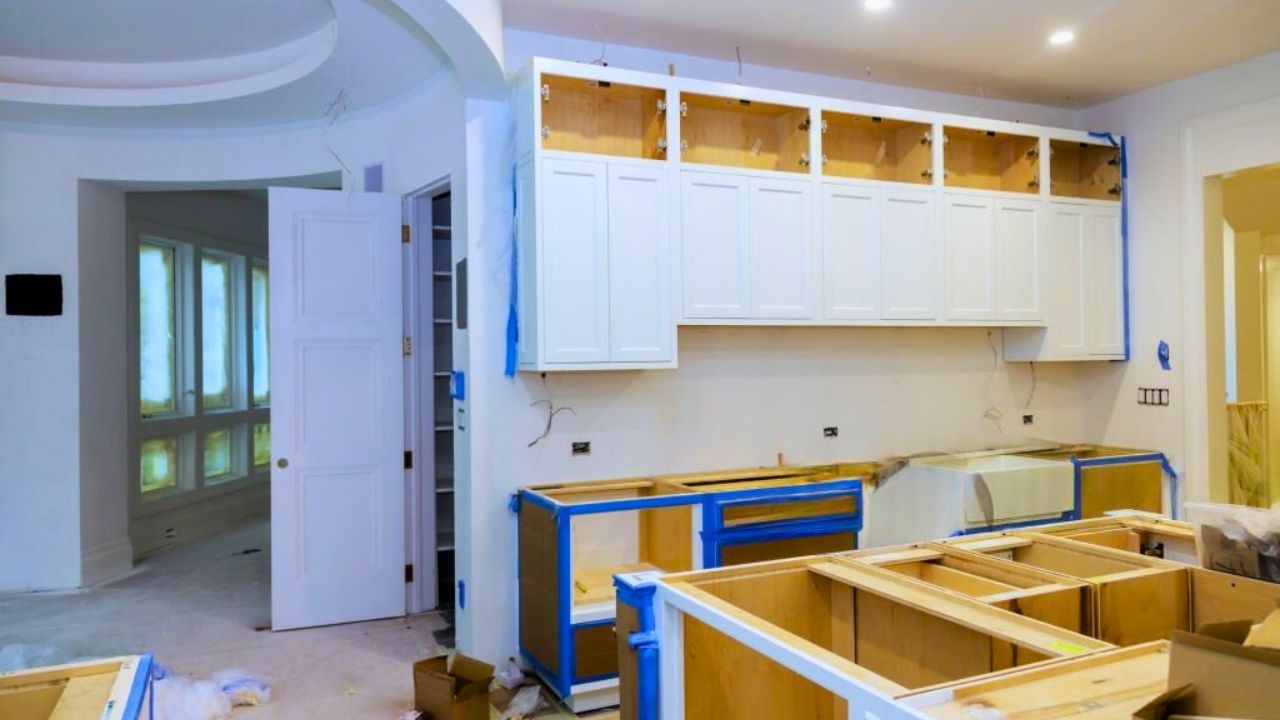
Why modern upgrades keep backfiring in older houses
Photo credit: Photovs/istock.com
Modern upgrades promise comfort, efficiency and resale value, yet in older houses they often deliver drafts, leaks and five-figure repair bills instead. When you drop twenty-first century products into a nineteenth or mid‑century structure without understanding how that building was meant to work, you can quietly set off a chain reaction of moisture, fire and structural problems. The result is a home that looks freshly renovated on Instagram but performs worse, and costs more to maintain, than the “outdated” version you started with.
If you own an older home, the challenge is not whether to modernize but how to do it without fighting the building’s bones. That means treating every new system, finish and gadget as part of a larger ecosystem, from wiring and insulation to chimneys and bathrooms, and recognizing where popular trends collide with the realities of age, materials and code.
When “dream” upgrades become expensive regrets
You are constantly told that upgrading is the path to a better life at home, so it is no surprise that many owners of older houses rush into big projects as soon as they get the keys. Renovation influencers like Jul walk viewers through glossy “after” shots, and it is easy to see yourself following the same script, ripping out walls and ordering custom cabinetry as soon as you move in to make the place “your very own home,” as one video puts it. The problem is that older structures hide quirks and defects that only reveal themselves once you start opening things up, so a cosmetic plan can quickly turn into a structural rescue mission.
On top of that, the upgrades you are told will “pay for themselves” often do not. In one discussion of resale value, homeowners point out that some of the most expensive renovations only recoup about 50, 60% of their cost when you sell. Not all upgrades are created equal, and when you apply that math to an older house that also needs hidden work on wiring, chimneys or foundations, you can end up sinking money into features that neither function well nor return much value.
Old houses are not just “outdated” new houses
The first mistake many renovators make is treating a century home like a tired 1980s tract house. As one owner put it, Almost any aspect of an ’80s home is readily reproduced if needed, but that is not the case with truly old houses. Their trim profiles, plaster, windows and masonry were often built with superior raw materials and craft that are difficult or impossible to replicate at today’s prices, which means a “simple” replacement can quietly erase value you did not realize you had.
Designers who study longevity note that There are several factors that have allowed these old homes to last for centuries, including superior raw materials and a building envelope that allowed energy and air to flow rather than trapping moisture. When you impose modern, sealed-up construction logic on that kind of structure without a plan, you interrupt the very mechanisms that kept it standing, which is why so many “updated” old houses start to rot or crack within a decade of their makeover.
When modern materials suffocate “breathing” walls
Nowhere is that clash more obvious than in the rush to super‑insulate old walls. Contractors often pitch spray foam as a miracle product, an all‑in‑one insulator and vapor barrier that will finally make your drafty rooms comfortable. Yet specialists who work on historic masonry warn that Spray foam creates a two inch impermeable layer that can trap moisture against century‑old brick and mortar joints, accelerating deterioration that had not been a problem for a hundred years.
Builders who specialize in older urban housing stock add that, in contrast, materials like traditional fiberglass or improperly applied foam can trap moisture near wooden beam ends, especially where beams are embedded in masonry walls. One guide to protecting New York rowhouses notes that this kind of trapped moisture near beams can increase the risk of hidden rot and structural failure. Another analysis of century homes in Toronto stresses that, Unlike modern homes, historic houses were designed to breathe, so completely sealing them without a proper plan can create trapped condensation, mold growth and material deterioration that did not exist before you “improved” the envelope.
The insulation paradox: comfort, noise and hidden damage
Insulation is one of the most common upgrades you are told to prioritize, and in principle that advice is sound. Federal energy experts point out that Many older homes have less insulation than houses built today, and that adding the right type in the right places can pay for itself. Acoustic specialists add that Many homes built before the energy crises of the 1970s have wall cavities with little or no insulation, which is why sound travels so freely between rooms and from the street.
The paradox is that stuffing those cavities without understanding how your particular house manages moisture can backfire. In one thread about old‑house problems, owners warn that No Insulation is only one of several issues, alongside porous Brick chimneys that need sealing every five years and basements that leak during heavy rain. Another guide to noisy Connecticut houses notes that Many of these walls were never designed to be packed tight, so if you add dense material without a drainage and ventilation strategy, you can trap water where it used to evaporate, quietly rotting sills and framing behind your new drywall.
Electrical “upgrades” that make fire risk worse
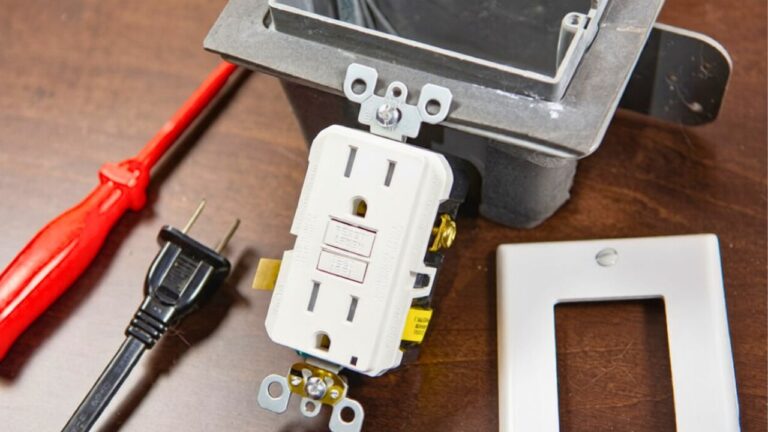
Electrical work is another area where modern expectations collide with old infrastructure. Utility experts warn that if your home is 20, 30 or 40-plus years old, it is likely you are putting more electrical demand on the system than it was designed to handle. Electricians note that houses built before grounded outlets were standard often still have two‑prong receptacles, even though Improve Your Safety is the first reason they give for updating wiring, since Most modern appliances expect grounded circuits and can be extremely vulnerable to power spikes on outdated systems.
Yet partial upgrades can be more dangerous than leaving things alone. A safety briefing based on a Consumer Product Safety report notes that deteriorated wiring, overloaded circuits and misuse of extension cords are a leading cause of home fires in existing houses. In one homeowner forum, a Comments Section features a Top Commenter who says, “Absolutely do it,” urging owners to Appreciate the safety upgrade themselves rather than leaving the risk to the next buyer. The catch is that swapping a few outlets or adding a high‑draw appliance without upgrading the panel and branch circuits can push a fragile system past its limits, so you need a whole‑house plan, not piecemeal tinkering.
Fire behavior: mixing old bones with new contents
Fire risk in older houses is often misunderstood, and modern upgrades can change that equation in surprising ways. Fire researchers comparing a modern living room to a “legacy” one found that the modern room, filled with synthetic furnishings, was fully involved in flames in about four minutes after ignition, while the older room burned more slowly, a dynamic captured in a widely shared video. A separate explanation of fire dynamics notes that in modern construction with modern furniture you may have only 3–4 minutes to escape, a point echoed in a Sep discussion of why newer homes burn faster.
At the same time, professionals like James Pearson, an AEMT at Emergency Medical Services (EMS), point out that an old house is more likely to have old decaying wiring that can start a fire in the first place. Another commentator, Frank Robertson, who works in Construction, Farming and Art and is an Author, notes that some older homes provide more time to escape because of heavier framing and less synthetic fuel load. Fire service training materials on Lightweight Building Materials explain that Floor and roof systems made with Engin eered wood in modern houses fail faster under fire than older solid lumber, which means that when you fill an old shell with new contents and partial structural replacements, you can end up with the worst of both worlds: ignition sources from age and rapid fire spread from modern materials.
Style over structure: when aesthetics strip away resilience
Some of the most damaging modernizations are also the most photogenic. Homeowners swap out original windows, doors and trim for sleek replacements that look “cleaner” on social media, only to discover that the new products are less durable and harder to repair. One design blogger notes that While older homes are full of charm, it is often the most disappointing updates of decades gone by that need to be replaced, not the original character details. Yet many owners still start by ripping out those very elements, assuming they are “dated,” instead of targeting the cheap paneling and hollow‑core doors that actually drag the house down.
Owners of century homes repeatedly warn that once you remove original features, you cannot easily get them back. A design resource on longevity emphasizes that There is a kind of survivorship bias at work: Only the best built houses survived long enough to be “old,” a point echoed in a Comments Section where one user writes, “Another way to look at it, survivorship bias. Only the well built houses survived until now.” When you replace thick, repairable components in those survivors with thin, disposable ones, you are trading away the very resilience that made the building worth saving.
Bathrooms, kitchens and the moisture trap
Nowhere do modern expectations collide with old‑house realities more than in bathrooms and kitchens. One owner described how Our only bathroom was a 6 x 6 space with a bad 1970s remodel and leaky plumbing, so they decided to reconfigure the back door entry to create a more functional layout that was even more beautiful than before. That kind of thoughtful reworking, which respects the structure while correcting past mistakes, is very different from simply cramming a spa‑style shower and multiple body sprays into a tiny room with marginal ventilation and old framing.
Moisture is the quiet saboteur in these spaces. In the same old‑house problem thread that flagged No Insulation, owners also mention basement leaks during heavy rain and the need to keep Brick chimneys sealed. When you add high‑output showers, dishwashers and open‑plan kitchens without upgrading drainage, venting and waterproofing, you can drive far more humidity into walls and subfloors than they were ever meant to handle. Over time, that trapped moisture can warp floors, feed mold and corrode fasteners, even as the tile and countertops still look pristine.
How to modernize without making your old house miserable
The good news is that you can bring an older house into the present without triggering these failures, but it requires a different mindset. Owners of 100‑year‑old homes often say they bought despite the work because of the neighborhoods and mature trees, as one commenter put it, “But I bought it anyways,” and that Old houses are in Old neighborhoods with qualities new subdivisions cannot match. That long view encourages you to prioritize structural and safety work first, then layer in comfort and aesthetics in a way that respects how the building wants to behave.
Seasoned renovators of historic homes often share the same playbook. In one Prioritizing thread, owners advise, “DIY whenever possible. Anything you do not know how to do is on YouTube,” but they also stress focusing on roofs, drainage and mechanicals before cosmetic projects. Another group of homeowners discussing regretful projects, including in a Oct video on the worst upgrades and a separate Home upgrades breakdown, highlight how chasing trends like elaborate built‑ins or overly specific finishes can date your house faster than the “old” features you removed. If you instead start with wiring, insulation strategy and moisture control, guided by resources on Older electrical systems and Many insulation options, you can add modern comfort while keeping the house’s underlying logic intact.
Like Fix It Homestead’s content? Be sure to follow us.
Here’s more from us:
- I made Joanna Gaines’s Friendsgiving casserole and here is what I would keep
- Pump Shotguns That Jam the Moment You Actually Need Them
- The First 5 Things Guests Notice About Your Living Room at Christmas
- What Caliber Works Best for Groundhogs, Armadillos, and Other Digging Pests?
- Rifles worth keeping by the back door on any rural property
*This article was developed with AI-powered tools and has been carefully reviewed by our editors.