This basement issue keeps turning into a major repair
Photo credit: Alex Potemkin/istock.com
Basement problems rarely stay small. A faint musty smell, a thin crack, or a damp corner can quietly grow into a structural and financial headache that keeps escalating every season. If you understand why that “little” issue keeps turning into a major repair, you can step in earlier, spend less, and protect the rest of your home from the fallout.
The pattern is almost always the same: water finds a path, weakens materials, and stresses your foundation until other systems start to fail around it. By the time you see standing water or bowing walls, the damage has usually been building for years. The good news is that with the right information, you can read the warning signs, separate quick fixes from real solutions, and decide when it is time to bring in specialists instead of chasing the same leak again and again.
Why basement leaks never stay “just a little water”
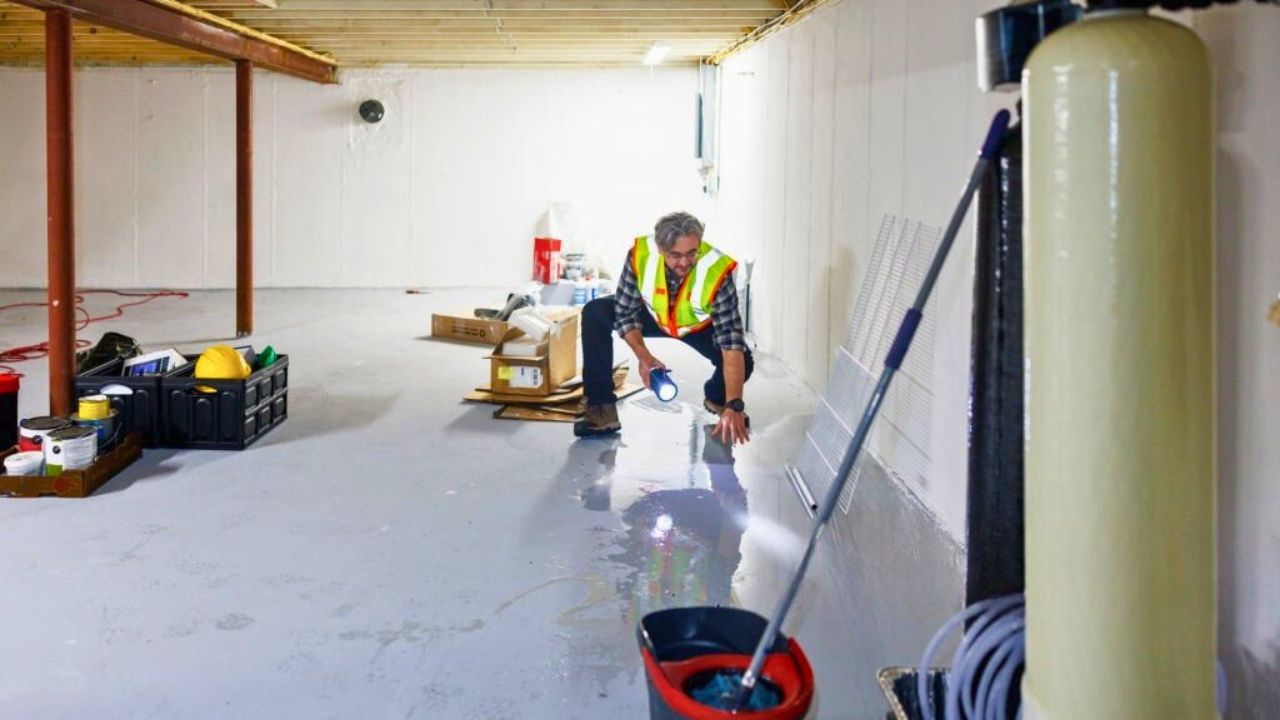
When you see a small puddle or a damp line along the wall, it is tempting to mop it up and move on. The problem is that water almost never shows up in a basement by accident. It is usually the result of pressure building up around your Foundation, gaps opening in concrete, or drainage systems that are already overwhelmed. Once that pathway exists, each storm or snowmelt pushes more moisture through the same weak point, slowly eroding concrete, mortar, and sealants until a minor nuisance becomes a chronic leak.
Professionals who deal with basement flooding every day urge you to Watch for early clues long before water is visibly pooling. Subtle water stains, peeling paint near the foundation, or efflorescence (that white, chalky residue on masonry) are all signs that moisture is moving through the wall even if the surface looks mostly dry, as outlined in guidance on basement flooding. Once moisture is inside, it can trigger mold growth, rust metal supports, and saturate framing, which is why a “small” leak so often turns into a major repair that touches flooring, drywall, and even mechanical systems.
Moisture’s hidden path from nuisance to structural risk
Basements are uniquely vulnerable because they sit below grade, surrounded by soil that holds and moves water. Even if you never see standing water, persistent humidity and dampness can quietly damage finishes, rot wood, and degrade insulation. Energy experts stress that Basements are among the most common areas in a home to develop moisture issues, and they advise you to Protect your home by treating musty odors, condensation on windows, and darkened patches on concrete as early warnings rather than cosmetic annoyances, as explained in guidance on how to spot.
Left alone, that hidden dampness can migrate into living spaces, drive up heating and cooling costs, and create conditions where mold thrives. According to the Environmental Protection Agency, mold can start growing in as little as 24 to 48 hours after water infiltration, a threshold that is cited in advice on water leaking into. Once spores take hold in wall cavities or under flooring, remediation becomes far more invasive and expensive than addressing the original moisture source, which is why ignoring that faint smell or barely visible stain often sets you up for a much larger project later.
Cracks, pressure, and the slow failure of your foundation walls
Water problems and structural problems are usually two sides of the same coin. As soil around your home gets wet and dries out, it expands and contracts, pushing against the foundation. Over time, that movement can cause vertical cracks from normal settling and more serious horizontal cracks that signal the wall is bowing under pressure. Specialists warn that Basement Cracks and Leaks Vertical openings are often less urgent, while Horizontal cracks can indicate that soil pressure is high enough to threaten structural failure, a distinction highlighted in detailed advice on basement cracks and.
That pressure is driven largely by Soil conditions around your home. When moisture levels change, Soil can shift, settle, or swell, which is described as the most common cause of foundation issues in technical overviews of common foundation problems. As the wall moves, you may see stair-step cracks in masonry, gaps where the wall meets the floor, or sections that start to lean. Each of those signs is more than a cosmetic flaw, it is a clue that water and soil are working together to undermine the structure, and patching only the visible crack without relieving the pressure rarely holds for long.
When plumbing and foundation problems collide
Once your foundation starts to move, the damage does not stay confined to concrete. Shifting walls and floors can twist or stress the pipes that run through or under your basement slab. Experts point out that Uneven floors and walls in your home, along with gaps between the wall and floor, can be clear signs that the foundation has shifted enough to affect plumbing lines, a relationship explained in detail in guidance on why foundation issues. When that happens, you may start seeing slow drains, recurring clogs, or even leaks in supply lines that were previously sound.
From your perspective, it can feel like one thing after another is breaking in the same part of the house. In reality, the underlying movement is the common cause. If You only address the symptom that is most visible, such as a cracked pipe or a damp patch on the wall, the structural stress will keep creating new failures. That is why seasoned contractors often recommend a combined approach that stabilizes the foundation and then repairs or reroutes vulnerable plumbing, instead of treating them as separate, unrelated projects.
DIY fixes versus the reality behind that “simple” crack
Online tutorials can make basement repair look deceptively straightforward. A typical video might show you How to Fix Basement Water Problems Yourself with a tube of sealant and a masonry brush, sometimes punctuated by enthusiastic prompts like PLEASE, LIKE, SUBSCRIBE to keep viewers engaged, as seen in popular clips such as Fix Basement Water. Those techniques can be useful for very minor seepage or as a temporary measure, but they often do little to change the water pressure or soil conditions that created the crack in the first place.
Homeowners who have been through this cycle repeatedly will tell you that quick fixes can buy time but rarely solve the root problem. In one widely discussed Comments Section, a user bluntly noted that Sealing the cracks will help, but it does not really solve the problem, arguing that you need to expose the foundation and apply proper waterproofing instead, a point made in a thread on how major a. That kind of firsthand experience underscores a key reality: if water is coming through under pressure, surface-level patching is more like putting a bandage on a broken bone than a cure.
Red flags that your basement has crossed into emergency territory
Not every damp spot is an emergency, but some conditions mean you should stop troubleshooting and call a specialist immediately. One of the clearest warning signs is Active Water Entry During Normal, Non, Storm, Conditions. If water is flowing into your basement even when it is not raining, experts classify that as a foundation emergency because it suggests a constant source of pressure or a broken system that will not improve on its own, as outlined in criteria for emergency foundation repairs.
Other red flags include walls that are visibly bowing, floors that feel spongy or uneven, and cracks that widen quickly over weeks instead of years. Guides that list Signs of Foundation Problems to Look Out For highlight Cracks in the Wall or Floor, sagging walls or ceilings, and doors or windows that suddenly stick as key indicators that movement is active rather than historic, as detailed in checklists on how to spot. When you see several of these signs together, especially alongside ongoing water intrusion, you are no longer dealing with a minor maintenance issue but a situation that can affect the safety and value of your entire home.
What real homeowners learn the hard way about “walking away”
Basement issues are often the deciding factor in whether a buyer moves forward with a house or walks away. In one candid discussion, a prospective buyer described touring a property with extensive basement damage and simply said, i walked away, after realizing the scope of work involved. Another commenter, posting under the name True_moment_, warned that they knew the house very well and that you should Expect it to be costly for the basement repairs, adding that they were Worried about how deep the problems went, as recounted in a thread on how bad a.
Those stories echo what many inspectors and contractors see: once water and structural issues are advanced, the repair plan often involves excavation, wall reinforcement, drainage upgrades, and interior restoration. That is why some homeowners choose to negotiate a lower purchase price to cover the work, while others decide the risk and disruption are not worth it. Listening to people who have already faced these decisions can help you gauge whether your own basement problem is still in the manageable phase or has crossed into the kind of project that reshapes your budget and your living situation for months.
The true cost of waiting: money, insurance, and long-term damage
One reason basement issues keep turning into major repairs is that the financial stakes are easy to underestimate at the beginning. Comprehensive waterproofing is not cheap, but neither is repairing years of accumulated damage. Industry estimates put Basement waterproofing costs between $2,459 and $8,186, with most homeowners paying around $5,228 on average, depending on the method and severity of water issues, figures that are laid out in cost breakdowns for basement waterproofing. Those numbers can climb quickly if structural reinforcement, interior demolition, and mold remediation are added to the scope.
Insurance coverage is another area where assumptions can be costly. A standard homeowners policy may cover water damage from sudden events like a burst pipe, but it typically excludes seepage through walls or floors and flooding from outside sources. Guidance on whether a policy covers basement flooding notes that while some water damage may be included, gradual leaks and groundwater issues likely will not be covered, as explained in resources on home insurance and. That means if you delay addressing a known leak, you may end up paying out of pocket for both the repair and the resulting damage, even if you have been diligent about your premiums.
Turning a recurring problem into a one-time fix
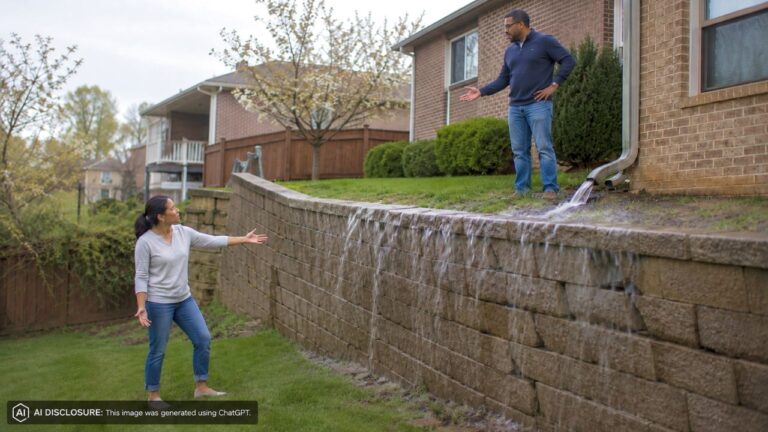
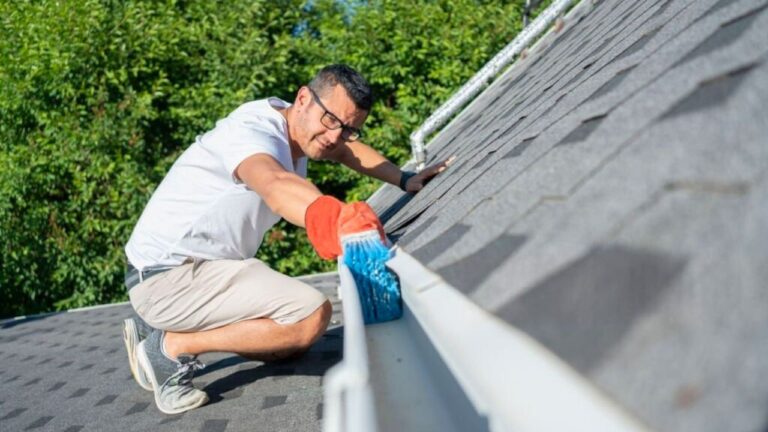
Breaking the cycle of repeat repairs starts with understanding that water management is a system, not a single product. Exterior grading, gutters, downspouts, and drainage all play a role in how much water reaches your foundation in the first place. Practical checklists advise that After identifying the source of the leak, you should Check gutter and downspout performance, extend discharge points away from the house, and ensure the soil slopes away from the walls to reduce the load on your basement, steps that are outlined in advice on why your basement. These exterior improvements are often far cheaper than interior repairs and can dramatically cut down on future seepage.
Inside, the goal is to stabilize and protect the structure rather than chase each new crack. Structural specialists emphasize Understanding the causes of wall damage so you can choose the right solution, whether that is reinforcing a bowing wall with anchors, adding interior drains, or rebuilding sections that have failed, as explained in guidance on basement wall stabilization. Real-world demonstrations, such as the project documented with Mike Rowe in a segment on basement foundation wall, show how professionals diagnose a problem that started outside, then work from the footing up to deliver a fix that is meant to last instead of just holding until the next heavy rain.
Why dealing with it now is almost always cheaper than later
Like Fix It Homestead’s content? Be sure to follow us.
Here’s more from us:
- I made Joanna Gaines’s Friendsgiving casserole and here is what I would keep
- Pump Shotguns That Jam the Moment You Actually Need Them
- The First 5 Things Guests Notice About Your Living Room at Christmas
- What Caliber Works Best for Groundhogs, Armadillos, and Other Digging Pests?
- Rifles worth keeping by the back door on any rural property
*This article was developed with AI-powered tools and has been carefully reviewed by our editors.