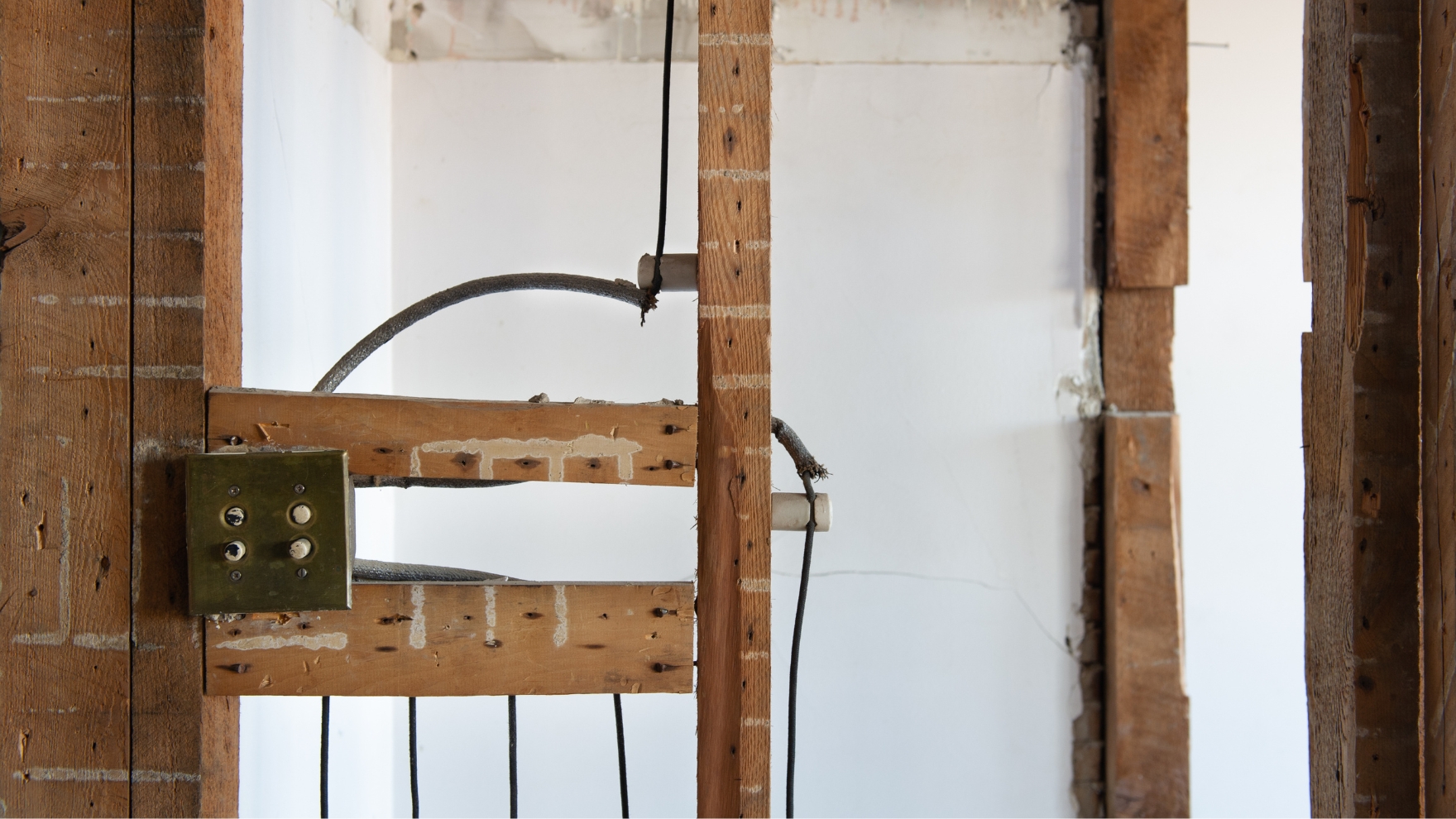
This outdated wiring method is still causing fires
Photo credit: Alessandro Cancian/Shutterstock.com
Electrical fires rarely start with a dramatic spark. Far more often, they begin quietly inside walls, where aging conductors and crumbling insulation turn a once standard wiring method into a hidden ignition source. If your home predates the smartphone era by several decades, there is a real chance that the very system delivering power to your outlets is the same one now driving a surge in preventable house fires.
The most notorious culprit is a century old technique that still lurks in basements and attics across North America. You cannot see it behind finished drywall, but insurers, safety regulators, and fire investigators keep tracing charred framing back to the same outdated design. Understanding why that legacy wiring is so dangerous, how to recognize it, and what to do next is now a basic part of protecting your home and everyone in it.
The quiet fire risk hiding in older walls
When you live in an older house, you inherit not just its character but its infrastructure, and that includes electrical systems built for a very different era of demand. Decades ago, homes did not host racks of electronics, high wattage kitchen appliances, or electric vehicle chargers, so builders sized circuits and wiring for loads that look modest by today’s standards. As a result, the same conductors that once handled a few lamps and a radio can now be pushed to the edge by air fryers, gaming PCs, and space heaters, which sharply increases the chance of overheating and ignition inside concealed cavities.
Fire officials warn that once flames take hold in voids between floors, the structure can rapidly extend vertically, turning a small fault into a whole house emergency before you have time to react, a pattern highlighted in coverage of outdated wiring incidents. Medical and safety experts also point out that electrical outlets and wiring are among the Four leading culprits in residential fires, especially when components are worn or never upgraded. That combination of higher modern loads and aging materials is why professionals now treat legacy wiring methods as active hazards rather than quaint relics.
Why knob and tube wiring is still showing up in inspections
The most infamous of those legacy systems is Knob and Tube, a method that ran individual conductors through ceramic knobs and tubes in open air. It was common from the early 1900s into the 1940s, and while it was considered acceptable at the time, it lacks the grounding, insulation quality, and protective devices that are standard today. Even though it is no longer installed in new construction, inspectors still find Knob and Tube Wiring Still Exists in Ohio Homes, including in parts of Cincinnati, where it remains hidden behind plaster and paneling.
Safety authorities stress that How Knob and at Risk starts with its Lack of Grounding and continues with insulation that dries out over time. Insurance specialists list Problems Associated with Knob and Tube Wiring, from difficulty safely adding outlets to the way splices and amateur modifications compromise already fragile conductors. In some regions, carriers either surcharge or refuse coverage for homes with active K&T circuits until you replace or professionally remediate them, a financial signal that mirrors the underlying fire risk.
Cloth and “rag” insulation that crumbles in your hands
Even if your house never had ceramic knobs, it may still rely on early plastic or fabric based insulation that has reached the end of its safe life. Electricians describe Rag Wiring from the 1940 to 1950 period as a clear example, noting that as the cloth dries and frays, it exposes bare conductors that can arc against framing or metal boxes. Guidance on identifying outdated systems explicitly warns that this type of insulation degrades with age and is not safe to keep in service, especially where it has been disturbed by renovations or pests.
Cloth insulation was not limited to one decade or region. It was standard practice to use Cloth Wiring in homes built before the 1960s, and while it initially performed well, the fabric can become super brittle and break off over time, leaving conductors unprotected. Technical overviews note that this wiring, Typically found in homes built before 1960 and Composed of cloth and rubber materials, was phased out once modern plastics revolutionized the industry. If you see frayed fabric jackets in an attic or open basement ceiling, that is a strong sign your wiring predates current safety expectations.
Aluminum conductors and the 55 times higher hazard
Not all outdated wiring looks old at first glance. Aluminum branch circuits, widely installed in the 1960s and 1970s as a cheaper alternative to copper, can appear intact while quietly creating hot spots at every connection. According to the U.S. Consumer Product Safety, homes with aluminum wiring are reported to be 55 times more likely to have one or more connections reach fire hazard conditions than those with copper wiring, a figure that has made many inspectors treat aluminum as a priority defect. The Aluminum Wiring, Lightweight but Problematic, was Popular from the mid 1960s to late 1970s, and its tendency to expand and contract under load can loosen screws and lugs over time.
Safety briefings emphasize that Aluminum wiring is more likely to overheat at receptacles and switches, especially where devices are not rated for aluminum conductors. Commercial guidance for businesses notes that Aluminum was a common wire material in older installations and is associated with fire hazards when left unaddressed. Residential specialists warn that Hidden Cost of is not just the eventual repair bill but the way it keeps your family’s safety at risk every time a high draw appliance cycles on.
How to recognize that your wiring is past its safe life
You do not need to tear open walls to get early clues that your electrical system is aging out of its design envelope. Flickering lights, warm switch plates, and frequently tripping breakers are all classic signs that circuits are struggling, and safety educators stress that While it might seem obvious, taking flickers seriously can prevent more severe problems, including fire or even loss of life. Visual checks in accessible areas also matter: One clear warning is wires that look discolored, frayed, or damaged, especially in basements, attics, or panel boxes where insulation is exposed.
Age is another blunt but useful indicator. Consumer guidance notes that if a property is more than 30 years old and still has its original wiring, it is likely to need updating, at least in part, to meet modern standards, particularly where you still see fabric or lead insulated cabling, as highlighted in If a property is more than 30 years old guidance. Regional alerts add that if Your home was built in the 1970s, it may use old aluminium wiring, and Many older homes built in the 60s and 70s were outfitted with aluminum instead of the copper we use for all modern electrical wiring. Taken together, those clues give you a strong case for calling in a licensed electrician for a full assessment.
When outdated wiring turns deadly
The risk from legacy wiring is not theoretical, and recent fire investigations have made that painfully clear. In coverage of outdated wiring in, local officials have described aging infrastructure as the primary driver behind fast moving blazes, with one fire chief stressing that But it is aging infrastructure that is propelling the danger, including lingering knob and tube wiring in homes. Once flames reach wall cavities fed by dry, unprotected conductors, firefighters face a vertical chimney effect that can overwhelm suppression efforts and trap occupants on upper floors.
Safety campaigns repeatedly point out that electrical outlets and wiring are among the Electrical fire culprits, especially when combined with overloaded power strips or space heaters. In multi unit or commercial settings, the stakes are even higher, because a single fault can disrupt businesses and put dozens of people at risk, a pattern echoed in analyses of how Low Amp Wiring and older Equipment can pose hidden fire hazards to your business. The throughline is simple: once outdated wiring fails, it does so in ways that are hard to detect early and devastating once they ignite.
Why a full or partial rewire is often the only real fix
Once you confirm that your home relies on knob and tube, cloth insulated, or aluminum branch circuits, patchwork repairs rarely solve the underlying problem. Electrical safety organizations advise that most residential wiring systems can last several decades, but when you are dealing with Bonus Warning signs like Knob and Tube Wiring or Aluminum Wiring, you should treat them as antiquated systems that need replacement rather than cosmetic fixes. Professional guidance on Understanding Electrical Wiring stresses that Common problems with old wiring, from undersized conductors to missing grounding, are best addressed by upgrading the electrical system rather than layering new devices onto a failing backbone.
For aluminum circuits, there are specialized connectors and retrofit techniques, but even then, experts caution that you are managing risk, not eliminating it. Some homeowners avoid dealing with the issue because of perceived expense, yet Many eventually discover that the cost of inaction includes higher insurance premiums and the constant worry that a loose connection could start a fire. In older properties with extensive legacy wiring, a staged rewire, starting with the heaviest load circuits and sleeping areas, often strikes the best balance between safety and budget.
How professionals safely retrofit dangerous wiring
Replacing outdated wiring is not a casual weekend project, and the process is as much about planning as it is about pulling cable. Licensed electricians begin by mapping existing circuits, identifying where Aluminum wiring, knob and tube, or cloth insulation are present, and prioritizing areas with the highest likelihood of electrical fires and other hazards. In some cases, they can leave intact segments in low load areas while installing new grounded circuits for kitchens, bathrooms, and HVAC equipment, gradually phasing out the most dangerous runs.
Specialists who focus on older housing stock emphasize that if you live in a home built prior to the 1940s, there is a strong chance your electrical system is equipped with aluminum or other now outdated materials, which are now considered to be outdated and unsafe, as noted in guidance that begins, If you live in a home that was built prior to the 1940s. Commercial retrofit firms remind property owners that Even a minor mistake can create major problems, which is why they stress using professionals associated with the National Elect contractors who have the training and experience to do the job correctly. That level of expertise is what allows them to open walls strategically, protect historic finishes where possible, and leave you with a system that meets current code.
What you can do now if your home is at risk
If you suspect your wiring is outdated, the most important step is to move from hunch to evidence. Start by documenting visible issues, from discolored outlets to brittle insulation in accessible areas, and by noting your home’s construction era and any major additions. Educational resources on How to Identify Old Electrical Wiring suggest looking for telltale signs like two prong outlets without grounding, mixed copper and aluminum conductors, or ceramic knobs in basements and attics. Once you have that baseline, schedule a licensed electrician to perform a full inspection and load calculation.
When you are ready to hire help, consumer advice is blunt: You want to get the job done right the first time, and Before you spend your money, you should learn how to evaluate electrical contractors, from licensing to references. That same logic applies to planning the work itself, whether you are phasing a rewire over several years or tackling the whole house at once. Fire officials who have seen the aftermath of failures in Jan reported incidents often say that every home should have basic escape tools like window ladders, but they also stress that the best defense is to remove the ignition source in the first place by retiring the outdated wiring method that is still causing fires.
Like Fix It Homestead’s content? Be sure to follow us.
Here’s more from us:
- I made Joanna Gaines’s Friendsgiving casserole and here is what I would keep
- Pump Shotguns That Jam the Moment You Actually Need Them
- The First 5 Things Guests Notice About Your Living Room at Christmas
- What Caliber Works Best for Groundhogs, Armadillos, and Other Digging Pests?
- Rifles worth keeping by the back door on any rural property
*This article was developed with AI-powered tools and has been carefully reviewed by our editors.