The home insurance detail adjusters check first after storm damage
Photo credit: AwakenedEye/istock.com
When a storm rips through your neighborhood, the first minutes of an adjuster’s visit can quietly decide how much of your loss your insurer will recognize. Before anyone talks about estimates or payouts, the adjuster is already zeroing in on a specific detail that shapes the rest of the inspection. Understanding what that is, and how it fits into the broader assessment, gives you a rare advantage at a moment when you usually feel you have none.
Instead of treating the inspection as a mystery, you can prepare your home and your paperwork around the same priorities adjusters use. That starts with the first thing they check, then extends to how they read your roof, your walls, your photos, and even your own story about what happened.
The first thing adjusters really check: cause and pattern of damage
The detail adjusters focus on first after storm damage is not a single broken shingle or puddle on the floor, it is the cause and pattern of the damage. Before they think about cost, they are asking whether the loss fits what your policy covers, which means they are looking for signs that wind, hail, or driven rain actually created the harm, rather than pre‑existing wear or unrelated problems. That is why early in the visit they carry out a structured damage assessment, walking the property and comparing what they see to how storms typically affect similar homes, a process described as a core part of an adjuster’s work in detailed guidance on assessment.
That first look is not random. Adjusters are trained to read the room, or the yard, in a single sweep, noting where debris landed, how water traveled, and whether the visible destruction lines up with the storm’s direction and intensity. In guidance on hurricane claims, consumer advocates stress that insurers care about Location, specifically Where your home sits relative to the coast and the path of the storm, and about Causation, meaning whether wind, water, or something else actually produced the loss. If you understand that this hunt for cause and pattern is the first filter, you can frame your own documentation and explanations around the same logic instead of just pointing to broken items.
How the first visual sweep shapes your claim
Once the adjuster has that cause‑and‑pattern question in mind, the first visual sweep inside your home becomes a kind of silent cross‑examination. Reporting on water losses describes how adjusters walk into a room and immediately notice where water lines stop, where staining begins, and how furniture and flooring have reacted, using that quick scan to test whether your account of the storm matches the physical evidence, a process summarized in guidance on What adjusters notice first. They pay attention to how water moved through the space and whether the damage looks sudden or long‑term, because that distinction often separates covered events from maintenance issues.
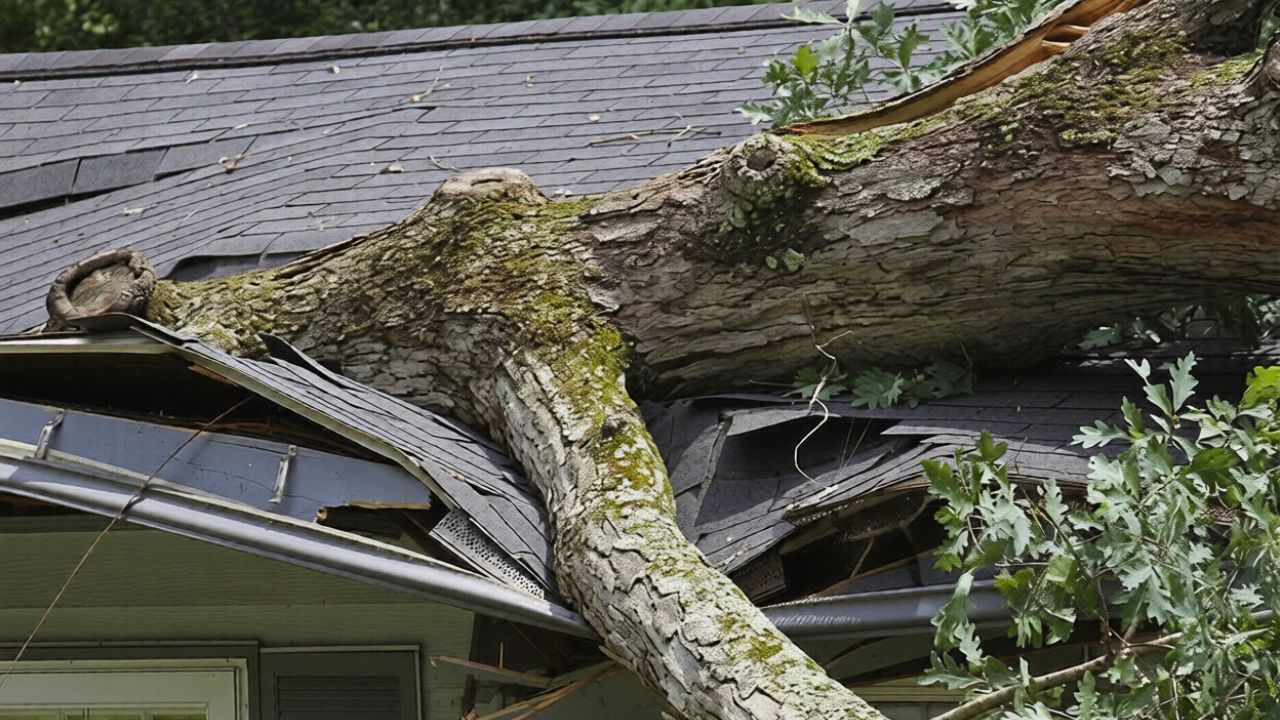
Outside, the same logic applies. The adjuster’s first circuit of the property is less about counting broken pieces and more about reading the storm’s footprint. They are looking at the orientation of fallen branches, the angle of impact on siding, and the way shingles failed, then comparing that to what they know about local wind speeds and rainfall. Detailed claim guidance for hurricanes underscores that insurers weigh both the physical Where of your home and the specific Causation of each type of damage, so that first sweep is effectively the adjuster’s opening argument about what the storm did and did not do.
Why your roof is often the first physical stop
After that initial pattern check, the roof is usually the first major structure the adjuster studies in detail, because it is both the frontline of storm impact and the gateway to everything that happens inside. In guidance focused on Understanding Storm Damage Insurance Claims in Fayetteville, adjusters are described as looking early for Missing, Lifted, or Creased Shingles, because those details show where wind has broken the roof’s seal and opened paths for water. One of the first things they check is whether those shingle failures appear scattered and random, which might suggest age, or clustered along the storm‑facing slope, which supports a storm‑driven claim.
That roof inspection is not just about the surface. Adjusters are also watching for subtle signs like granule loss in gutters, bent flashing, and soft spots underfoot, then tying those observations back to the broader damage assessment they began at the curb. Industry guidance on Working With the Storm Damage Insurance Adjuster explains that their job is to investigate and gather evidence about how the storm affected your home, which includes photos, measurements, and any documentation you can provide. If you know the roof will be a focal point, you can prepare by safely photographing Missing, Lifted, or Creased Shingles from the ground and having any prior roof repair records ready to show that the damage is new.
How adjusters build the file: photos, inventory, and your story
Once the adjuster has a handle on cause and the key structural impacts, the next priority is building a file that can survive internal review at the insurance company. That means collecting photos, measurements, and itemized lists that support their conclusions. Detailed explanations of what a home insurance adjuster does emphasize that, even though every claim looks different, the core steps are similar: they inspect the property, collect evidence, and take pictures to document both the obvious and the hidden damage, a process outlined in guidance on What adjusters do. Your own preparation can either make that process smoother or leave gaps that are filled with assumptions.
That is why consumer insurance guidance urges you to start Creating an inventory of all damage to your property and personal possessions and Taking step‑by‑step photos as soon as it is safe, long before the adjuster arrives. Detailed checklists for storm cleanup recommend gathering documents and photos, including receipts, bank statements, and email records, so you can back up the value of what you lost when the adjuster asks, advice that is spelled out in guidance on Creating a thorough record. When your photos and lists line up with the adjuster’s own images and notes, it becomes much harder for anyone reviewing the file later to argue that the storm damage was minor or unrelated.
Working with, not against, the adjuster’s process
Even though the adjuster works for your insurer, you are not powerless in how the inspection unfolds. Guidance on Working With the Storm Damage Insurance Adjuster explains that their responsibility is to investigate and gather evidence about the loss, but you can shape that investigation by being organized, factual, and ready to walk them through the sequence of events with your own documentation. Practical advice on what happens after you file a claim notes that an Adjuster Visit is one of the first steps, with the adjuster coming to your home to inspect the damage and discuss what you experienced, a process described in detail in guidance that begins, Here is what you can expect when the adjuster arrives for the Visit.
Homeowners who have been through the process often stress the value of treating the inspection like a negotiation that starts on day one, not when you see the first estimate. In one widely shared Comments Section, a user named Wihomebrewer tells another homeowner, You should not have called insurance sounds like, Way too minor of a damage claim, then goes on to explain that you should expect the inspector to look for reasons to limit the payout and be ready to push back if the adjuster’s numbers come back low, advice captured in a discussion on Comments Section. That perspective may be blunt, but it reflects a reality: if you understand that the adjuster’s first priority is to pin down cause and pattern, you can calmly insist that your photos, receipts, and timeline be part of that picture from the start.
Like Fix It Homestead’s content? Be sure to follow us.
Here’s more from us:
- I made Joanna Gaines’s Friendsgiving casserole and here is what I would keep
- Pump Shotguns That Jam the Moment You Actually Need Them
- The First 5 Things Guests Notice About Your Living Room at Christmas
- What Caliber Works Best for Groundhogs, Armadillos, and Other Digging Pests?
- Rifles worth keeping by the back door on any rural property
*This article was developed with AI-powered tools and has been carefully reviewed by our editors.