The permit mistake homeowners make when upgrading outlets
Photo credit: Михаил Руденко/istock.com
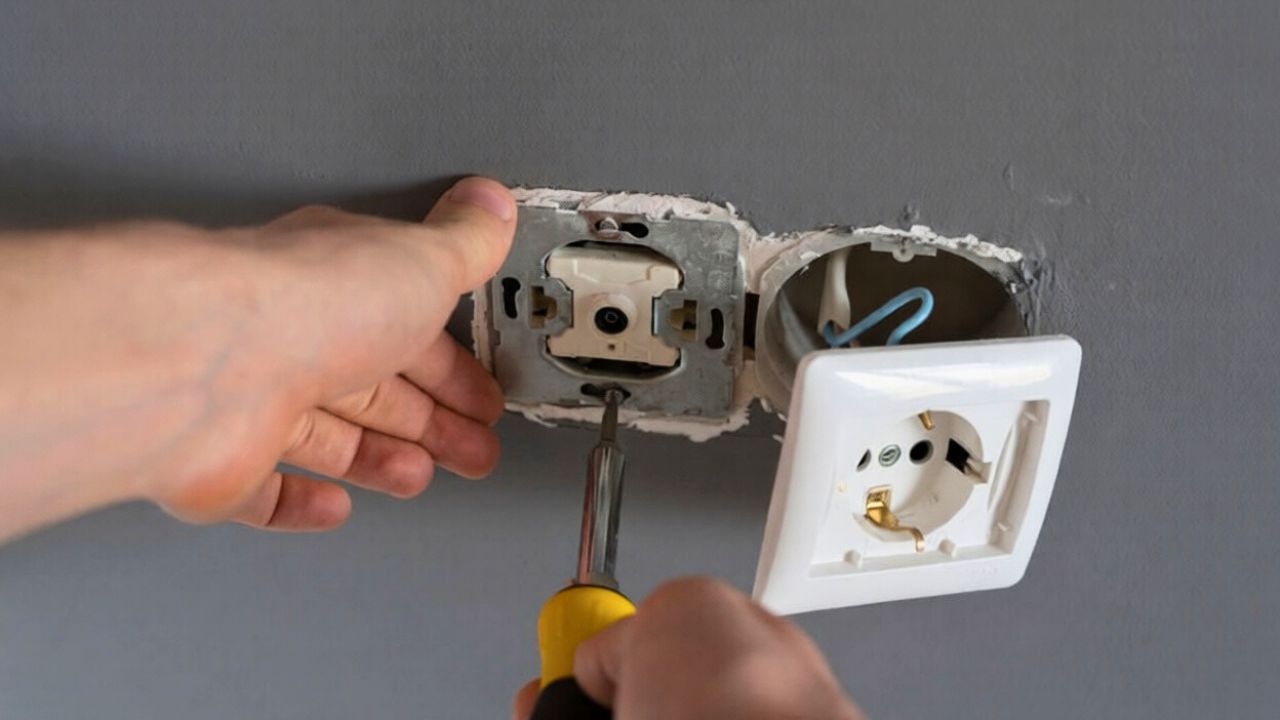
Upgrading outlets looks like one of the simplest electrical projects in a house, which is exactly why so many homeowners treat it as a casual weekend job instead of regulated construction work. The real mistake is not the new receptacle you choose, but assuming you can swap it in without permits, inspections, or any thought about what is happening behind the cover plate. That blind spot can ripple into safety hazards, failed home sales, and expensive do-overs long after the screwdriver is back in the drawer.
When you replace an outlet, you are tapping into the same system that feeds your panel, your basement wiring, and every other circuit in the house. Local codes treat that system as one interconnected installation, not a collection of isolated devices, which is why permit rules often kick in sooner than you expect. Understanding where the legal line actually sits is the only way to upgrade receptacles confidently instead of gambling with insurance coverage and fire risk.
The hidden line between “simple swap” and regulated electrical work
Most homeowners assume that if a project is small, it is automatically exempt from permits, but building departments rarely see it that way. Even a modest change to your wiring can be treated as part of a larger scope of work, especially when you add outlets, extend circuits, or touch older wiring that no longer meets code. Guidance aimed at do‑it‑yourselfers stresses that what you can do without a permit is limited, and that even apparently basic tasks should be checked against local rules before you start, a point that videos from creators like Aug reinforce when they walk through legal boundaries for homeowner work.
That legal line matters because electrical codes are written around how the entire system behaves, not just the device you are holding. When you add receptacles in a basement or bonus room, for example, you are changing the load on a circuit and potentially triggering the same permit requirements that apply to finishing the space itself, which is why renovation guidance notes that Even simple additions like extra outlets may require approval. The mistake is treating receptacle upgrades as purely cosmetic, when in code language they are often treated as electrical system modifications.
Why skipping permits on outlet upgrades backfires
The most common error around outlet projects is not a wiring misstep, it is skipping the permit entirely. Contractors who see the aftermath of do‑it‑yourself work point out that Many homeowners do not realize electrical work often requires permits, and that avoiding the paperwork can lead directly to safety problems and legal headaches. When you bypass the permit, you also bypass the inspection that is supposed to catch overloaded circuits, missing grounding, or improper box fills before they become a shock or fire hazard.
Those hazards are not theoretical. Common wiring mistakes include reversed polarity, where the hot and neutral conductors are swapped, a problem that one safety guide bluntly describes by noting that Possibly the most dangerous error is reversing those conductors on a receptacle. A permit triggers an inspection that is designed to catch exactly that kind of error, along with loose terminations and undersized boxes, before the wall is closed or the outlet is put into daily use. When you skip the process, you are betting that every connection you make is flawless, and that future buyers, insurers, and inspectors will never ask how the work was approved.
Old two‑prong outlets and the grounding trap
Older homes with two‑prong receptacles are where the permit mistake becomes especially risky. Inspectors who specialize in aging housing stock report that When they walk through these properties, they often find ungrounded two‑slot outlets that have been casually replaced with three‑prong devices, then flagged as defects needing correction. The visual upgrade hides the fact that there is no equipment grounding conductor behind the plate, so the new receptacle gives a false sense of safety while still exposing electronics and people to fault current.
Correcting that situation usually involves more than a quick swap, which is where permits and inspections come back into play. Bringing an old branch circuit up to modern standards can require new cable runs, grounding conductors, or ground‑fault protection, all of which are treated as regulated work rather than a simple device replacement. In older panels, adding grounded circuits or new protective devices without first evaluating capacity can create new problems, a risk highlighted in guidance that warns that Installing new fixtures or devices without checking the panel can cause capacity issues, electrocution risks, and code violations. Treating a two‑prong upgrade as a no‑permit cosmetic fix ignores the deeper system changes that may be required.
Outlet upgrades that quietly trigger panel and permit rules
Once you start adding outlets instead of just replacing them one‑for‑one, you are often changing the load on your electrical panel, not just the room you are working in. Modern upgrade projects that add kitchen circuits, EV chargers, or home office receptacles frequently push older panels to their limits, which is why comprehensive guides explain that a panel upgrade typically involves replacing the enclosure, updating breakers, and adjusting wiring as needed, with the total cost calculated across equipment and labor on This upgrade. If your outlet project is part of that broader expansion, treating it as permit‑free work is out of step with how local authorities view the job.
Regional rules can be even stricter. In some jurisdictions, regulators make it explicit that service and panel changes almost always require permits, inspections, and sometimes utility coordination. One example notes that Southern California and, residential and commercial panel upgrades almost always need a permit, and that failing to obtain one can lead to safety issues and fines. If your new outlets are part of a project that nudges you toward a larger panel or additional circuits, the permit requirement is not optional, it is baked into how the work is defined.
How to stay on the right side of the code when you do it yourself
Plenty of homeowners are legally allowed to perform some of their own electrical work, but that permission usually comes with strings attached. Guidance for owner‑occupants explains that Homeowner Electrical Exams regulating body allows you to do the work, you might be required to obtain a temporary license or pass an exam before pulling a permit. Other resources aimed at do‑it‑yourselfers echo that you should confirm whether you can legally work without being a licensed electrician or whether you must hire one, a point underscored in videos released in Dec that walk through the research on local rules.
The safest way to approach any outlet upgrade is to treat the permit question as a first step, not an afterthought. Renovation guidance on everything from basements to roofs repeats the same core advice: Since rules vary, it is best to check with your local building department before starting any work, even if it looks minor. Electrical safety experts add that Obtaining a permit ensures an inspection of the work, which helps prevent hazards tied to improper installations and clarifies the specific requirements for your area. That inspection is your backstop against the subtle mistakes that can turn a simple outlet upgrade into a long‑term liability.
Like Fix It Homestead’s content? Be sure to follow us.
Here’s more from us:
- I made Joanna Gaines’s Friendsgiving casserole and here is what I would keep
- Pump Shotguns That Jam the Moment You Actually Need Them
- The First 5 Things Guests Notice About Your Living Room at Christmas
- What Caliber Works Best for Groundhogs, Armadillos, and Other Digging Pests?
- Rifles worth keeping by the back door on any rural property
*This article was developed with AI-powered tools and has been carefully reviewed by our editors.