The home improvement that lowers resale value in older houses
Photo credit: joserpizarro/Shutterstock.com
In an older house, the wrong “upgrade” can quietly erase tens of thousands of dollars in resale value before you ever call a listing agent. The most damaging move is often the one that strips away the very feature many buyers still expect: a full bathtub in at least one bathroom. When you rip out the only tub and replace it with a walk-in shower, you are not just modernizing, you are shrinking your buyer pool and, in many cases, your eventual sale price.
Buyers with young children, aging parents, or even pets tend to see a tub as basic infrastructure, not a luxury. When that fixture disappears in an older home, especially one that already has quirks and compromises, the renovation reads as a loss of function rather than an upgrade. If you are planning to sell within the next few years, understanding why that single decision can drag down your resale value is as important as any paint color or staging strategy.
The costly mistake: removing the only bathtub
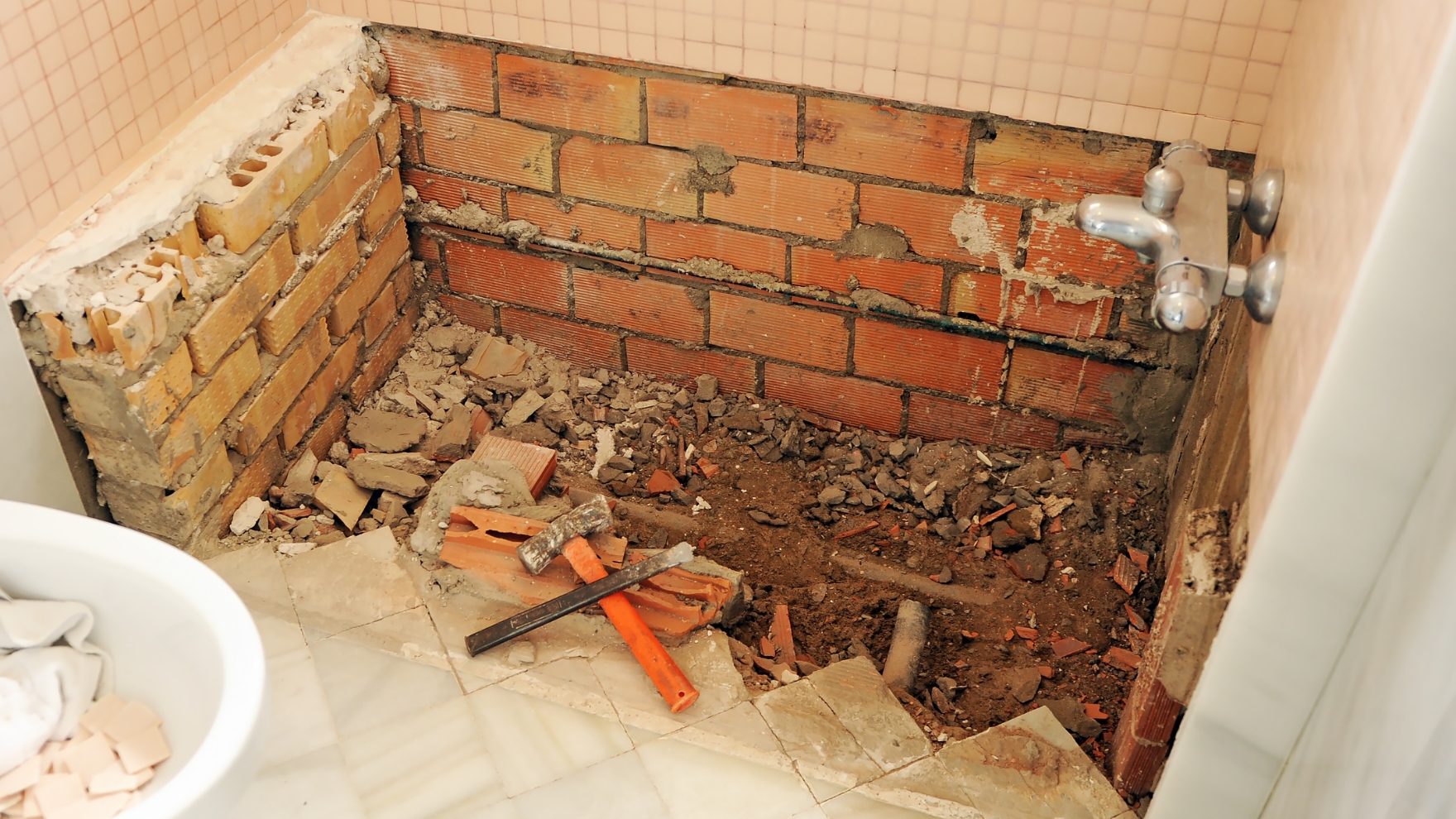
The most damaging home improvement you can make in an older house is removing the only bathtub and installing a shower-only layout. You may gain a sleek, hotel-style bathroom, but you lose a core function that many buyers still consider non‑negotiable. Guidance on Decreased value from tub removal is blunt: if your home has just one bathroom, swapping the bath for a shower can reduce what buyers are willing to pay, particularly for households with a young family that needs a place to bathe children safely.
In an older property, that loss is magnified because you are often working with smaller floor plans and fewer bathrooms to begin with. When you take away the tub, you are not simply changing a fixture, you are rewriting how the home can be used day to day. Real estate pros who track Home Renos That value consistently warn that renovations which remove functionality or space tend to drag down the overall value of the property, and a missing tub in a one‑bath home is a textbook example.
Why older homes are especially vulnerable
Older houses already ask buyers to accept trade‑offs, from smaller closets to steeper stairs, so any renovation that subtracts utility instead of adding it lands harder. When you remove a tub in a 1920s bungalow or a mid‑century cottage, you are taking away one of the few universally appealing features in a home that may otherwise rely on charm and character to compete. Experts who study Renovations that lower value note that projects which cut into livable space or everyday usability are among the most damaging, and in older homes there is simply less margin for error.
These properties also tend to have fewer bathrooms overall, which means each one carries more weight in a buyer’s decision. If your 1950s ranch has a single hall bath and you convert it to a shower‑only space, you are effectively telling every buyer who needs a tub that your home is not for them. Reporting on Value impacts underscores that when renovations limit how a home can function for everyday life, they can lower both appeal and price, a risk that is amplified when the house is already competing with newer, more flexible layouts nearby.
What buyers actually want from bathrooms
When you are planning a renovation, it is easy to focus on what you want from your bathroom and forget what future buyers will need. Families with small children often rely on a tub for nightly routines, while many older adults prefer a place where they can soak sore joints or safely sit while bathing. Guidance on Decreased value from tub removal highlights that buyers with a young family are especially likely to walk away from a home that cannot accommodate those basic needs.
Beyond families, many buyers simply expect at least one full bathroom as a baseline feature, particularly in older homes where other conveniences may be limited. Real estate pros who track Real Estate Pros that renovations removing core functions can lower value point out that buyers often treat a missing tub as a costly problem to fix, not a design choice to admire. When they mentally subtract the price of adding a tub back in, your net sale price can fall faster than you expect.
How personalization and “spa” conversions backfire
Part of the appeal of ripping out a tub is the fantasy of a spa‑like retreat, complete with oversized walk‑in shower, multiple showerheads, and built‑in seating. In an older home, though, that level of customization can quickly cross into an overly personal design that turns off buyers. Reporting on Overly personalized renovations stresses that when you tailor a space too tightly to your own taste, you risk shrinking your audience, and neutral design wins every time when resale is on the horizon.
Bathroom conversions that eliminate a tub often come bundled with bold tile, unusual fixtures, or layouts that only make sense for your lifestyle. Experts who analyze Home Improvement Projects not add value note that highly specific upgrades rarely deliver the return you hope for, especially when they depart from what buyers in your area expect. In an older house, where buyers may already be budgeting for electrical or plumbing updates, a hyper‑personal spa conversion that also removes the tub can feel like one more expensive project they will have to undo.
The bigger pattern: renovations that remove function
Removing the only bathtub fits into a broader category of projects that quietly erode value by taking away function. Real estate professionals who study Renovations that lower value emphasize that upgrades which remove functionality or usable space tend to detract from both appeal and price. In older homes, that can include turning a bedroom into a closet, converting a garage into a den, or carving up a dining room to create a tiny office, all of which reduce the home’s flexibility for future owners.
Bathroom projects are especially risky because they affect daily routines. When you remove a tub, you are not just changing how the room looks, you are limiting how it can be used by families, guests, and future occupants. Analysts who track Renovations that might lower value point out that when a project reduces the overall functionality of the property, buyers often respond with lower offers or skip the listing entirely. In an older house, where every square foot has to work hard, preserving core functions like a full bath is one of the simplest ways to protect your equity.
Luxury additions versus practical expectations
Many homeowners assume that if they spend heavily on a bathroom, the market will reward them, but the data tells a more cautious story. Analysts looking at Real Estate Experts upgrades that no longer add value note that High‑End or Luxury Additions, such as elaborate full theater rooms or overbuilt spa spaces, often fail to increase your home’s value equivalently to what you spend. When you pour that kind of budget into a tub‑less bathroom in an older house, you risk creating a mismatch between the room’s finish level and the rest of the property, which can make buyers question your priorities.
Buyers are increasingly skeptical of High, End, Luxury Additions that feel more like personal indulgences than practical improvements. Reporting that tracks how You and other Buyers respond to such upgrades finds that when a project is expensive to maintain or does not align with everyday needs, it can be poorly received nowadays. In an older home, a lavish shower that replaces the only tub often falls into that category, because it trades a basic expectation for a niche luxury that not everyone wants to pay for.
The ROI reality: what the numbers say
Before you commit to any major bathroom change, it helps to look at how renovation spending and returns actually line up. The average American household spent $9,322 on home improvement projects in 2024, according to Angi’s annual State of Home Spendin, yet not all of that money translated into higher sale prices. Analysts who focus on Home Improvements That Do Not Add Value warn that, Conversely, some upgrades simply do not provide a good ROI, especially when they are unnecessary for the area or out of step with buyer expectations.
Bathroom projects that remove a tub often fall into this low‑return category because they are time‑consuming and messy to execute, yet they can decrease value if they leave the home less functional. Analysts who study According to Zillow research on modest home improvements that tend not to deliver the return you hoped for, emphasize that cosmetic changes aligned with buyer preferences usually outperform big, polarizing moves. When you weigh the cost of a full tub‑to‑shower conversion against the risk of turning off families and older buyers, the math often favors keeping at least one traditional bathtub in place.
Smarter ways to modernize an older bathroom
If your goal is to freshen an older bathroom without hurting resale, you have options that do not involve removing the only tub. You can update fixtures, lighting, and storage, or replace worn tile and grout, while preserving the basic layout. Analysts who outline Obviously effective renovations stress that you must use common sense with return‑on‑investment figures and focus on projects that improve condition and usability rather than chasing dramatic transformations that are hard to recoup.
In some cases, you can even add value by making the tub more accessible instead of removing it. Installing grab bars, a handheld showerhead, or a lower step‑in profile can help older buyers feel safer without sacrificing the option to soak. Guidance on Home Improvements That notes that upgrades which are unnecessary for the area or too specialized can drag down ROI, so focusing on broadly useful improvements is a safer bet. In an older home, that usually means preserving the tub, improving finishes, and addressing any underlying plumbing issues rather than chasing a dramatic, tub‑less “after” photo.
How to decide if a tub removal ever makes sense
There are scenarios where removing a tub can work, but you need to be strategic. If your older home has multiple bathrooms and at least one will remain a full bath, converting a secondary space to a large walk‑in shower may be acceptable to buyers. Experts who advise on Avoiding Renovations that Decrease Home Value emphasize that Upgrades That are Too Personal or Unique can make it difficult to recoup costs, so if you do remove a tub, keep the design as broadly appealing and neutral as possible.
You should also weigh how long you plan to stay. If you expect to live in the home for a decade or more and a walk‑in shower will significantly improve your quality of life, the personal benefit may outweigh the resale risk. Still, analysts who track Before you invest in a renovation that can decrease value urge you to think carefully about how time‑consuming and messy it will be to reverse the change later. In an older house, where every structural alteration can uncover new issues, preserving at least one traditional bathtub is often the simplest, safest way to protect both your comfort now and your resale value later.
Like Fix It Homestead’s content? Be sure to follow us.
Here’s more from us:
- I made Joanna Gaines’s Friendsgiving casserole and here is what I would keep
- Pump Shotguns That Jam the Moment You Actually Need Them
- The First 5 Things Guests Notice About Your Living Room at Christmas
- What Caliber Works Best for Groundhogs, Armadillos, and Other Digging Pests?
- Rifles worth keeping by the back door on any rural property
*This article was developed with AI-powered tools and has been carefully reviewed by our editors.