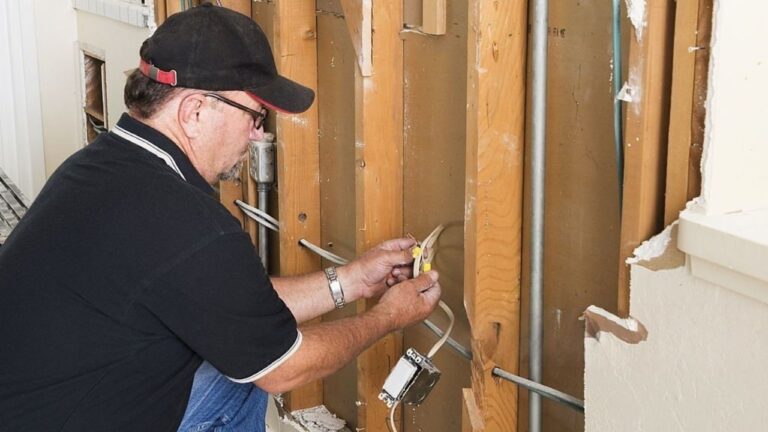
Buyers think this system was updated — inspectors disagree
Photo credit: O2O Creative/istock.com
Buyers walk into showings every weekend convinced that a roof was “just replaced” or that the electrical was “recently updated,” only to have an inspector flag the same systems as aging, unsafe, or flat‑out obsolete. When your expectations collide with a professional report, the gap can derail a deal or, handled well, become your best leverage. This guide walks you through why those disconnects happen, how to read conflicting opinions, and what to do when you think a system is updated but inspectors disagree.
When “updated” means something very different to buyers and inspectors
When you hear a listing agent describe a home as “updated,” you tend to picture modern safety standards, efficient systems, and a long runway before major repairs. Inspectors, by contrast, are trained to look past cosmetic upgrades and marketing language to the age, condition, and performance of the underlying components. A kitchen with new quartz counters can still hide aluminum branch wiring, and a furnace that looks clean can still be at the end of its service life. That is why two people can walk through the same house, one seeing a move‑in‑ready property and the other seeing a punch list of looming expenses.
Conflicts sharpen when more than one inspector is involved. You might commission a second opinion after a worrying report, or a seller might share a pre‑listing inspection that paints a rosier picture than your own expert. Experienced professionals note that One of the most effective ways to avoid these clashes is to hire exceptionally thorough inspectors in the first place, because most of the time they will agree on the big issues. When they do not, you are forced to confront the uncomfortable reality that “updated” is not a legal standard, it is a sales pitch, and each discrepancy has to be evaluated on its own facts.
Why your inspection contingency is your real safety net
The cleanest way to protect yourself from rosy assumptions about upgrades is to make your offer contingent on a full inspection. That contingency gives you time to verify whether the roof, electrical, plumbing, and HVAC actually match the story you heard during showings. It also gives you a contractual exit if the report reveals that the “new” sewer line is actually original cast iron or that the “recent” panel is a rebranded relic. Without that clause, you are relying on trust and disclosure law alone, which is a poor substitute for a trained set of eyes.
Agents who work with cautious buyers often stress that Making an offer conditional on a home inspection is not about nitpicking, it is about understanding the property you are about to own. When you know in advance that a “recently updated” HVAC system is actually 18 years old, you can decide whether to walk away, renegotiate, or budget for replacement. That knowledge is especially important when you are stretching financially, because a surprise $15,000 roof or a failed sewer line can turn a dream home into a cash‑flow crisis within months of closing.
What inspectors actually look at when they call a system outdated
To understand why an inspector might call a system outdated even when it looks fine, you need to know what they are trained to evaluate. A standard inspection focuses on the major components that keep a home safe and habitable: the foundation, the roof, the electrical system, the plumbing, the drainage, and the heating and cooling equipment. An inspector is not grading the décor or the age of the paint, but whether the structure is sound, the wiring is properly sized and grounded, and the mechanicals operate within expected parameters. That is why a 1990s furnace can still “work” yet be flagged as near the end of its expected life.
Checklists used in the field emphasize that you should Pay attention to those major systems rather than getting distracted by minor cosmetic flaws. When an inspector says the electrical is outdated, they are usually reacting to specific conditions like undersized service, missing GFCI protection, or panels with known safety issues, not simply the year the house was built. Similarly, a roof can be called “at the end of its useful life” even if there are no active leaks on the day of inspection, because the shingles show curling, granule loss, or multiple layers that shorten longevity.
When a seller’s disclosure and your report do not line up
Disagreements become especially fraught when a seller’s paperwork says one thing and your inspector’s report says another. In many states, sellers must complete a disclosure form that lists known defects and recent work. If that form says the electrical was “updated” or the roof was “replaced,” you naturally expect those systems to pass scrutiny. When your inspector instead flags safety hazards or deferred maintenance, you are left wondering whether the seller misrepresented the work or simply did not understand what was done.
Disclosure rules typically hinge on what the seller actually knows. Guidance for owners emphasizes that You are required to inform buyers of issues you are aware of, not to guarantee that every system meets current standards. That nuance matters when you confront a discrepancy. A seller who genuinely believed a handyman’s assurance that the panel was “brought up to code” may not have intended to mislead you, even if the work falls short. Your job is not to litigate intent on the spot, but to use the inspection findings to decide what repairs, credits, or price changes you need in order to feel comfortable moving forward.
Unpermitted work and the myth of the “upgraded” system
One of the most common flashpoints is unpermitted work that looks like an upgrade but does not meet local requirements. A finished basement with recessed lighting and a wet bar can feel like a bonus, yet if the wiring was never inspected by the city, your inspector may treat it as a liability rather than an asset. The same goes for additions, garage conversions, or relocated bathrooms. You may see extra square footage and newer fixtures, while the inspector sees unknown structural changes and plumbing tied into an undersized line.
Buyers who discover this kind of work mid‑transaction often ask what to do about it. Practical advice on What to Do About Unpermitted Work When Buying a House underscores that you may need to factor in the cost of bringing the space up to code or even removing noncompliant improvements. That reality can be jarring when you thought you were paying a premium for “upgrades.” In some cases, the smartest move is to treat unpermitted areas as if they do not exist for valuation purposes, then negotiate a lower price instead of assuming you are getting free finished space.
How to use conflicting reports as negotiation leverage
Once you have an inspection report that contradicts the marketing narrative, your next step is to decide how hard to push. A detailed list of deficiencies is not just a warning, it is a roadmap for negotiation. You and your agent can prioritize the most serious items, such as safety hazards or big‑ticket systems, and decide whether to ask for repairs, a price reduction, or a closing credit. The key is to stay focused on outcomes rather than emotions. Feeling misled about an “updated” system is understandable, but your leverage comes from the documented condition, not from how frustrated you are.
Industry guidance is blunt that After a home inspection, the report is your best tool for negotiating the deal you want. That might mean asking the seller to replace a failing water heater, to credit you for a roof that has only a few years left, or to adjust the price so you can handle the work yourself. When your inspector’s findings directly contradict claims about recent upgrades, you have a clear, fact‑based argument for why the original price no longer reflects the property’s true condition.
Inside the seller’s anxiety when “updated” gets challenged
On the other side of the table, sellers often experience a wave of panic when an inspector calls out systems they believed were fine. A homeowner who proudly advertised “newer windows” or a “recently serviced HVAC” can feel blindsided when the buyer’s report lists drafty frames or a cracked heat exchanger. That emotional spike is real, especially when the seller has already mentally spent the proceeds or committed to a purchase of their own. It is not unusual for them to interpret a long repair request as an attack on their stewardship of the home.
In one widely shared account, a seller of a 40 year old home described accepting an all‑cash offer with an inspection contingency, only to spiral into worry about every aging system once the inspector arrived. That kind of anxiety often leads to defensive reactions, like insisting that “it has always worked fine” or that “the buyers are being unreasonable.” Understanding that emotional backdrop can help you frame your requests more strategically, focusing on safety and lender requirements rather than presenting a laundry list that feels like a personal indictment.
When inspectors themselves get it wrong
Although inspectors are trained professionals, they are not infallible. Sometimes the conflict is not between “updated” marketing and a cautious report, but between an inspector’s mistaken conclusion and the actual condition of the system. You might see this when an inspector misidentifies a component, overlooks documentation, or interprets a code requirement too broadly. For example, a panel might be flagged as obsolete when it is actually a newer, safe model that resembles an older brand with a bad reputation.
Buyers and agents occasionally share stories of situations where a home inspector was wrong and the fallout was significant. In one discussion, a poster described the frustration of jumping through extra hoops because of an error, later remarking that they wished the inspector had simply asked them about the issue instead of triggering a cascade of demands. That kind of scenario, captured in threads like Aug conversations about how to proceed after a mistaken call, is a reminder that you should not treat any single report as sacred. When something in the write‑up does not match visible evidence or manufacturer data, it is reasonable to seek clarification, request corrections, or bring in a specialist for a targeted evaluation.
Code, liability, and why some inspectors are stricter than others
Another reason you may hear conflicting opinions about whether a system is “updated” is that inspectors operate under different regulatory frameworks. In some states, licensing bodies expect inspectors to reference building codes directly, while in others they are instructed to focus on function and safety without making formal code determinations. That difference shapes how aggressively an inspector will call out older but still functioning systems. One professional forum discussion about TREC requires code inspection illustrates how state rules can push inspectors toward more detailed, and sometimes more alarming, commentary on whether a home meets current standards.
Liability concerns also drive variation. Some inspectors take a conservative approach, flagging any component that does not match the latest safety practices, even if it was acceptable when installed. Others focus on defects that present clear, present risk. That is why one inspector might treat an older but intact deck railing as acceptable, while another insists it is substandard because it does not meet modern height or spacing guidelines. When you are told that a system is “not up to code,” it is worth asking whether that means it is unsafe, illegal to use, or simply older than current best practice. The answer will help you decide whether you are dealing with a must‑fix hazard or a negotiable upgrade.
Drawing the line between reasonable requests and overreach
Once you have digested the inspection report and the seller’s reaction, you still have to decide how far to push. It is tempting to treat every discrepancy between “updated” marketing and the inspector’s findings as the seller’s problem to solve. Yet there is a practical limit to what you can reasonably ask for without jeopardizing the relationship or the deal itself. Most agents will tell you to focus on health, safety, and structural issues first, then on big‑ticket systems that are clearly near the end of their life, and to treat minor maintenance items as your responsibility after closing.
Knowing when to walk away and when to move forward anyway
Like Fix It Homestead’s content? Be sure to follow us.
Here’s more from us:
- I made Joanna Gaines’s Friendsgiving casserole and here is what I would keep
- Pump Shotguns That Jam the Moment You Actually Need Them
- The First 5 Things Guests Notice About Your Living Room at Christmas
- What Caliber Works Best for Groundhogs, Armadillos, and Other Digging Pests?
- Rifles worth keeping by the back door on any rural property
*This article was developed with AI-powered tools and has been carefully reviewed by our editors.