The renovation trend inspectors quietly hate
Photo credit: Photology1971/Shutterstock.com
Home inspectors are used to seeing questionable choices, but one renovation trend reliably makes them wince: ambitious structural changes carried out as if they were just another weekend craft project. You might see it as “opening up the space” or “modernizing,” while they see hidden risks that can haunt you at resale, inspection, or the first time a system fails under stress. The projects that worry them most are not the flashy finishes, but the quiet compromises to safety, durability, and basic function that get buried behind drywall and trendy aesthetics.
The quiet shift from maintenance to makeovers
You are living through a moment when cosmetic upgrades are treated as a form of self-expression, while unglamorous maintenance gets pushed to the bottom of the list. Instead of budgeting first for roofs, drainage, or electrical capacity, you are nudged toward statement islands, dramatic lighting, and walls knocked down for a “loft” feel. Inspectors increasingly report that the most worrying homes are not the visibly dated ones, but the freshly renovated properties where structural prudence has been traded for Instagram-ready reveals, with owners assuming that if it looks new, it must be sound.
That shift shows up in the rise of what inspectors describe as DIY shortcuts and structural gambles, where you might remove walls or reconfigure loads without bringing in a structural engineer. Instead of calling Dec or another qualified professional, homeowners rely on online tutorials and guesswork, then cover the evidence with fresh drywall and paint. By the time an inspector walks in, the house can look immaculate while hiding undersized beams, compromised framing, or overloaded circuits that no one budgeted to upgrade.
Why inspectors fixate on walls, beams, and “just a doorway”
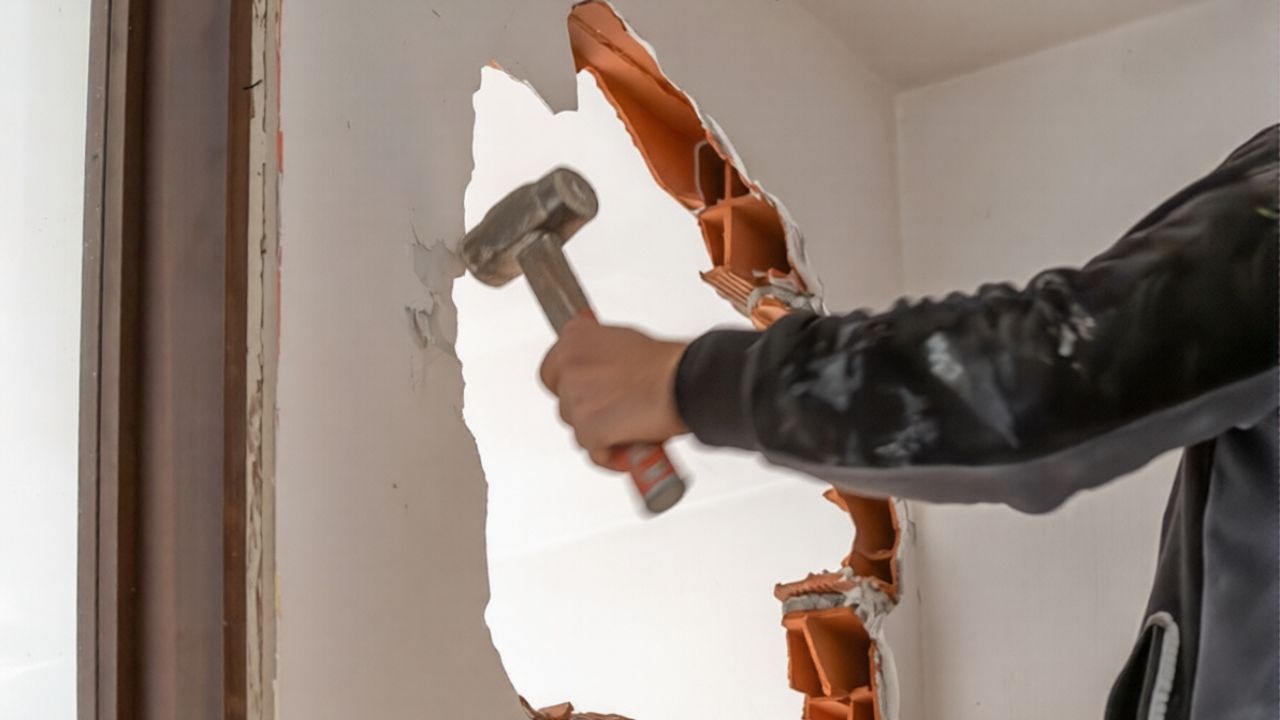
The renovation trend inspectors quietly hate most is the casual removal or alteration of structural elements in the name of openness. You might see a wall as dead space between the kitchen and living room, but to an inspector it is part of a load path that keeps the building stable. When you widen a doorway, carve out a pass-through, or cut notches for recessed shelving without engineering, you can redistribute weight in ways that cause subtle sagging, cracked finishes, or, in the worst cases, serious failure years later.
Professionals describe walking into homes where a former bearing wall has been replaced with a decorative arch or a few slender posts, with no sign that anyone consulted a structural engineer before the work. In some of the Jan video clips that circulate among inspectors, you can hear the exasperation as they point to beams cut for duct runs or joists hacked to fit plumbing. The frustration is not aesthetic, it is about the fact that once drywall is back up, you may have no idea that your “simple” opening is carrying loads it was never designed to handle, and the next buyer’s inspector will be the one to deliver that news.
Open concept fatigue and the myth of “one big room”
For years, you have been told that knocking down walls to create one vast living space is the ultimate upgrade, but both homeowners and inspectors are starting to push back. The promise was better communication and togetherness, yet many people now find that constant noise, cooking smells, and a lack of privacy make open layouts exhausting in daily life. When you remove separation between kitchen, dining, and living zones, you also remove natural fire breaks, sound buffers, and places to hide mechanical runs that used to be tucked inside interior walls.
Critics of the trend point out that Fall of the concept Floor Plan Even extends beyond houses, with workplaces also rethinking open environments. Inspectors see the same pattern at home: structural walls removed to chase a trend that is already cooling, leaving owners with echoing spaces that are harder to heat, cool, and ventilate effectively. When you later decide you miss doors and quiet corners, rebuilding those walls with proper support and services can cost far more than leaving some of them in place in the first place.
Stairs, handrails, and the liability you do not see
One of the most common safety compromises inspectors flag is the decision to “clean up” staircases by stripping away what you might see as visual clutter. Sleek, open treads and minimalist lines photograph beautifully, but when you remove or shrink guardrails and handholds, you are also removing the very features that keep people from falling. A staircase that looks like a floating sculpture can quickly become a liability if a child, older relative, or guest missteps and has nothing solid to grab.
Professionals warn that Nixing Handrails to chase a minimalist look often fails basic safety standards, and Still may not pass muster in a home inspection. You might assume that a short run of steps or a sunken living room does not really need a rail, but inspectors are trained to look at fall heights, traffic patterns, and how people actually move through a space. When they see glass panels without proper anchoring, cable systems with gaps wide enough for a child’s head, or stairs with no graspable rail at all, they know you have traded code compliance for a photo, and they will say so in writing.
Bathrooms and kitchens that age faster than you expect
Beyond structure, inspectors and design-savvy buyers are increasingly wary of hyper-specific finishes that look dated almost as soon as the grout dries. You might be tempted by ultra-low vanities, vessel sinks perched on top of counters, or wall-to-wall pattern that dominates a small bathroom. Those choices can be awkward to use, hard to clean, and unforgiving when moisture inevitably finds its way into seams and corners, which is exactly where inspectors look for early signs of failure.
Homeowners are already calling some of these choices “Hideous,” with They complaining that certain modern bathroom trends are so low, you bang your knees, and that finishes stain, get damaged, and end up looking gross. In a separate list of Most Hated details, people describe Modern Home Design Trends People Want To See Disappear In The Next Few Years, from fussy fixtures to impractical storage. Inspectors may not comment on taste, but they do note when grout lines are impossible to keep sealed, when wood is used where water is constant, and when ventilation is inadequate for the amount of steam you are generating.
Ventless cooking and other invisible hazards
In the kitchen, the push for a clean, uninterrupted look has led some homeowners to skip basic safety and comfort features. One of the most controversial examples is the decision to install cooktops with no visible hood or ductwork, relying instead on downdraft systems or nothing at all. The result might be a sleek sightline from living room to backsplash, but inspectors see grease, moisture, and combustion byproducts that have nowhere safe to go.
People are already venting their frustration with Cooktops that have NO OVERHEAD VENTILATION, with one 62 year old from Washington summing it up as “Seriously: WTF.” Inspectors share that sentiment when they see gas burners under cabinets with no capture area, or electric units that still generate plenty of steam and smoke without a way to exhaust it. They also see the knock-on effects: sticky film on nearby surfaces, moisture damage in upper cabinets, and indoor air quality that suffers every time you sear a steak or boil a big pot of pasta.
DIY ambition without a safety net
Social media has made it easier than ever for you to believe that any project is within reach if you just have the right tools and a weekend. That confidence can be empowering when you are painting a room or swapping hardware, but it becomes dangerous when you start moving plumbing, altering framing, or reworking electrical systems without permits or expert input. Inspectors routinely find junction boxes buried behind new shiplap, drains with no proper venting, and decks attached with a handful of screws where structural bolts should be.
Some of the most candid warnings come from professionals who see homeowners pour money into upgrades they love, only to discover that buyers and inspectors are not impressed. One viral clip bluntly advises, “If it is not your forever home, stop renovating for YOU,” arguing that you should not let HGTV or trends push you into idiosyncratic layouts that hurt resale. That Jan message about YOU is not anti-renovation, it is a reminder that structural and mechanical work should be planned with both safety and future buyers in mind, not just your current mood board.
When “most hated” trends collide with inspection reports
There is a growing overlap between what online communities label as “most hated” design choices and what inspectors quietly flag as functional red flags. You might think of these lists as pure opinion, but they often reflect lived frustration with layouts and features that simply do not work well. When people complain about kitchens that ignore the classic stove, fridge, sink triangle, or about storage that is impossible to reach without a ladder, they are describing the same usability issues inspectors see when they test how a home actually functions.
In one roundup, People Are Calling Hate, And It is Sooo Brutal, with complaints about awkward kitchen layouts that ignore the basic work triangle between stove, fridge, and sink. Another survey of 7 worst renovation trends notes a growing number of counters and backsplashes made of porous stone or wood materials, which baffles professionals who know how hard it is to clean sauce spatter off of them. Inspectors may not use the same language as online commenters, but when they see materials that stain easily, layouts that force you to carry hot pots across traffic paths, or storage that encourages unsafe climbing, they know those “hated” trends are more than just aesthetic misfires.
Red flags behind the walls and what you can do differently
By the time an inspector walks through your finished renovation, the most serious problems are often hidden behind paint, tile, and cabinetry. That is why they look for subtle clues, like missing access panels, oddly patched drywall, or fixtures installed in ways that suggest someone improvised. When they cannot find basic shutoffs or service points, they know future repairs will be harder, and that you or a buyer may face unnecessary damage just to reach a leaking pipe or failing valve.
Experienced pros advise you to Find the water shut off valve for your showers or built in tubs, and There should be an accessible panel. If you cannot reach it, that is a quiet red flag that someone prioritized a seamless look over basic serviceability. The same logic applies throughout your home: leave access to junction boxes, do not bury cleanouts behind permanent finishes, and resist the urge to cover every mechanical element just because it is not pretty. The renovation trend inspectors hate is not creativity or change, it is the pattern of treating structure and safety as optional extras instead of the foundation every stylish home depends on.
Like Fix It Homestead’s content? Be sure to follow us.
Here’s more from us:
- I made Joanna Gaines’s Friendsgiving casserole and here is what I would keep
- Pump Shotguns That Jam the Moment You Actually Need Them
- The First 5 Things Guests Notice About Your Living Room at Christmas
- What Caliber Works Best for Groundhogs, Armadillos, and Other Digging Pests?
- Rifles worth keeping by the back door on any rural property
*This article was developed with AI-powered tools and has been carefully reviewed by our editors.