The overlooked fire risk hiding in plain sight
Photo credit: Kira Yan/istock.com
Fire rarely announces itself with drama at the start. It usually begins with something ordinary that has been quietly deteriorating in the background, then finds the one moment when heat, fuel, and oxygen line up. The real danger is not the obvious candle left burning on the table, but the slow, hidden build up of risk in the places you barely glance at.
If you want to protect your home, you have to look past the familiar smoke alarm on the ceiling and confront the hazards tucked into walls, vents, cupboards, and cluttered corners. The overlooked fire risk hiding in plain sight is not a single object, but a pattern of small oversights that add up to a serious threat.
The danger you do not see in everyday routines
You move through your rooms on autopilot, switching on lights, boiling water, running the dryer, and charging devices without a second thought. That sense of comfort is exactly what allows risk to grow, because you stop noticing the subtle warning signs that something is wrong. Guidance for homeowners stresses that while many modern appliances are safer than older models, you still need to watch for clues like flickering lights, frequently tripped fuses, a faint burning smell, or discoloured outlets, all of which point to hidden electrical fire risks in the home.
Fire investigators repeatedly find that home fires rarely start with the dangers you can see, such as a visible flame or a dramatic explosion. Instead, they trace back to slow, unnoticed problems in places you almost never visit, like roof voids, crawl spaces, or the back of built in cupboards where heat and dust can accumulate around wiring and junctions. Reporting on domestic incidents notes that home fires rarely with the obvious hazards you walk past every day, but with the quiet deterioration in those forgotten spaces.
Outdated wiring and overloaded circuits inside your walls
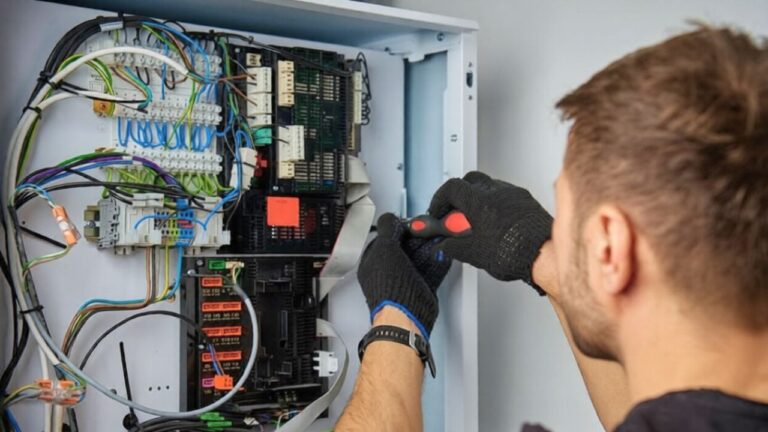
One of the most serious hidden threats is the wiring you never see. In older properties, insulation can crack, connections can loosen, and circuits that were never designed for today’s load end up feeding multiple high demand devices. Fire restoration specialists list outdated or damaged wiring as a leading overlooked hazard, warning that problems often develop behind walls, under floors, and behind and underneath the dryer where you are unlikely to spot them until they ignite. They highlight that outdated or damaged can quietly overheat for months before a single spark finds nearby dust or lint.
Even in newer homes, the way you use electricity can push safe systems to the edge. Plugging multiple heaters, gaming consoles, and chargers into a single extension strip, or daisy chaining power bars, concentrates load in one fragile point. Fire safety educators emphasise that electrical problems are often hidden from view and can pose a significant fire risk, especially where older homes still rely on original circuits that were never intended for today’s appliances. They note that electrical issues electrical faults are among the most common causes of unintentional fires, particularly when older wiring is pushed beyond its limits.
Hidden wiring damage from pests and everyday wear
Even if your electrical system was installed correctly, it does not stay pristine forever. Rodents, furniture moves, and simple vibration can all damage insulation and expose live conductors. Home improvement guidance points out that hidden wiring damage from rodents, furniture movement, and general wear and tear can compromise your home’s wiring without you realising it, especially in attics, basements, and behind large appliances. The advice is clear that when you see signs of gnawing, droppings, or unexplained electrical behaviour, you should treat it as potential hidden wiring damage have caused and call an electrician immediately.
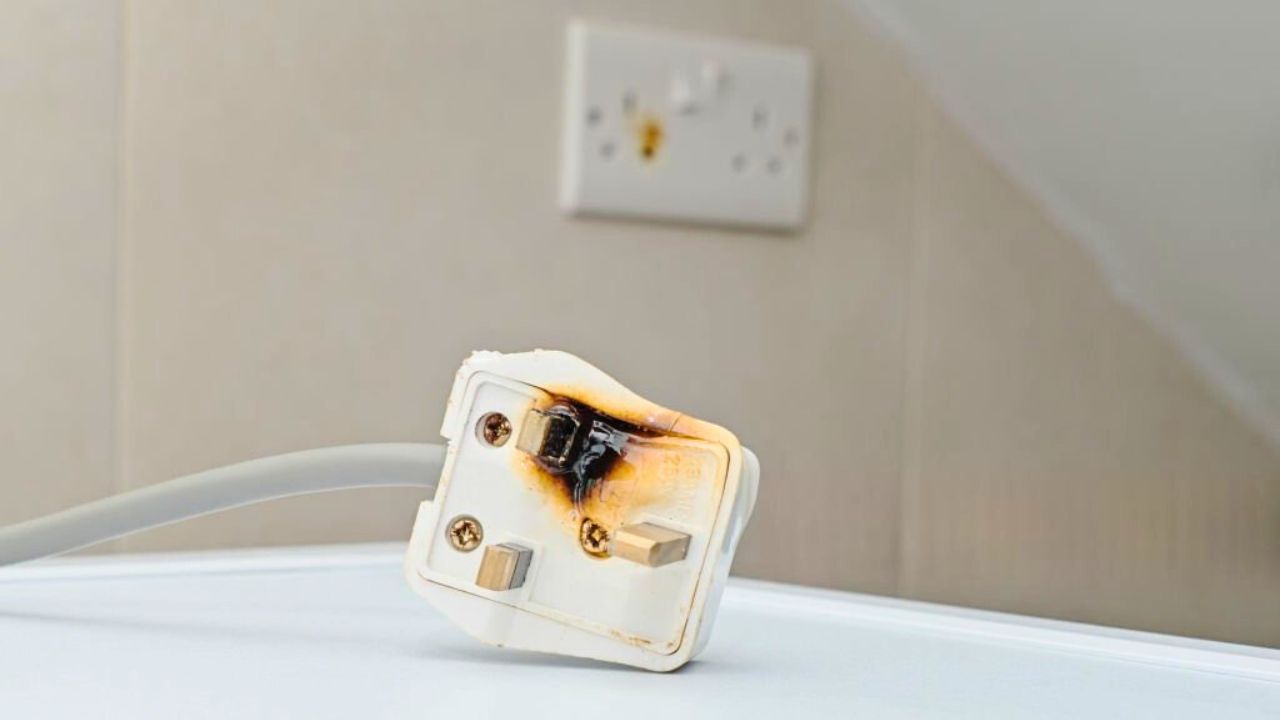
These problems are easy to underestimate because the system often keeps working, at least for a while. A lamp still turns on, a socket still charges your phone, so you assume everything is fine. In reality, each use may be heating a damaged section of cable a little more, drying out nearby timber or insulation until it becomes tinder. Fire safety checklists urge you to look for indirect clues, such as scorch marks on outlets, buzzing sounds from switches, or a circuit breaker that trips repeatedly, and to treat them as early warnings rather than annoyances. When you combine this with the earlier guidance on flickering lights and discoloured outlets, you start to see how many look for signs are already present if you pay attention.
The laundry room: lint, vents, and a perfect fuel source
Few rooms illustrate the gap between perception and reality as clearly as the laundry. You probably think of it as a low risk space, yet it combines heat, friction, flammable lint, and often poor ventilation. Fire restoration experts list the area behind and underneath the dryer as a classic blind spot where lint accumulates around hot components and wiring, turning a routine chore into a potential ignition point. They group this with other overlooked hazards inside homes, noting that behind and underneath is exactly where you are least likely to clean regularly.
The risk does not stop at the appliance. Many homeowners never think about the exterior vent or the flexible duct that carries moist air outside, yet that is where lint can build up into a dense, highly combustible mat. Consumer advice on laundry safety warns that blocked exterior vents and restricted airflow are common, because most homeowners never think about whether air is actually moving freely when the dryer runs. It highlights that blocked exterior vents force the machine to work harder, raising internal temperatures and increasing the chance that a small spark will find that trapped lint.
Why a dirty dryer vent is a serious fire hazard
When you clean the lint filter after each cycle, it is easy to assume you have done enough. In reality, a significant amount of fibre bypasses the filter and lodges in the ductwork, elbows, and termination hood. Specialists in vent maintenance explain that this build up restricts airflow, causing your dryer to overheat and dramatically extending drying times. They describe the overlooked connection between clean dryer vents and fire safety, noting that a clogged system can trap heat and ignite lint long before any external sign appears. Their guidance makes clear that causing your dryer to overheat is not just an efficiency issue, but a direct fire risk.
From a practical standpoint, this is one of the easiest hazards to fix if you treat it as routine maintenance rather than an emergency repair. You can schedule annual vent cleaning, use a brush kit to clear accessible sections, and check that the exterior flap opens fully when the dryer runs. Fire safety educators who focus on household prevention repeatedly stress that most fires start from everyday oversights, not dramatic accidents, and that you have the power to prevent them by taking a walk through your home and making a few simple changes. Volunteer fire companies underline that most fires start with exactly this kind of neglected maintenance, which means a clean vent is far more than a cosmetic detail.
The kitchen: grease, appliances, and invisible build up
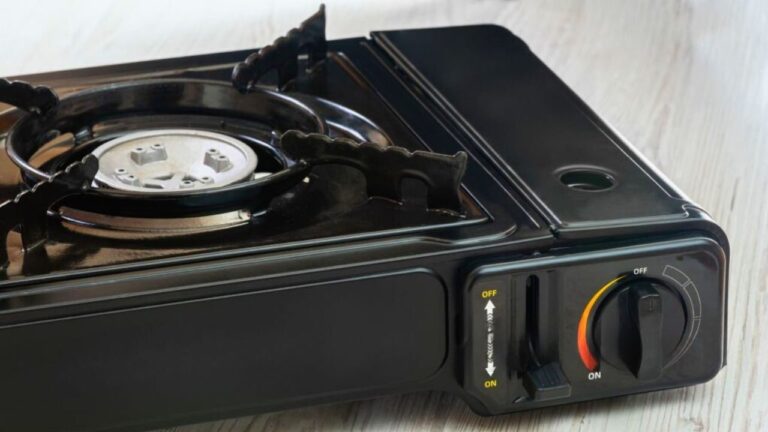
Your kitchen is the heart of daily life, but it is also the room with the highest fire risk in most homes. You probably know to watch open flames on a gas stove, yet the more insidious danger lies in the gradual build up of grease and the way you use small appliances. Fire safety guidance for home lovers identifies the kitchen as the area with the highest risk of house fires, pointing to the combined presence of ovens, microwaves, and gas stoves as a potent mix. It notes that the kitchen concentrates heat sources, flammable cooking oils, and often cluttered worktops where cords and towels can easily meet hot surfaces.
Beyond the obvious stovetop, you also need to think about what is happening above and inside your extraction system. In any busy commercial kitchen, grease is a constant by product of cooking, and it does not just settle on visible surfaces or extractor hoods. It travels into duct walls and accumulates out of sight, where a single flare up can send flames racing through the system. Fire safety guidance for kitchen managers explains that any busy commercial this hidden grease is a major hazard, and the same principle applies, at a smaller scale, to domestic extractor fans and filters that are rarely cleaned.
Small appliances and “things that become hazards” without care
Some of the most dangerous items in your home are the ones you consider too minor to worry about. Toasters, toaster ovens, portable heaters, and bathroom exhaust fans all seem harmless until dust, grease, or mechanical wear turns them into ignition sources. Fire safety training materials list twenty things that become fire hazards without proper maintenance, explicitly naming toasters, toaster ovens, pests, and heaters as examples of everyday objects that can overheat or spark if neglected. They stress that things that become are often scattered across your home, from the kitchen counter to the bedroom and bathroom.
The pattern is consistent: you buy a device, plug it in, and then forget about it until it fails. Dust builds up in vents, cords fray where they bend behind furniture, and improvised fixes like tape or loose adapters become permanent. Fire safety campaigns aimed at families emphasise that a fire can happen when you least expect it, and often starts with something small, but that most fires are preventable if you take simple steps to keep your home, family, and community safe. Community outreach materials underline that fire can happen because of a neglected appliance you barely notice, which is why regular inspection and cleaning matter more than any single gadget.
Clutter, blocked exits, and the risks in shared or work spaces
Fire risk is not confined to private homes. The same habits that create danger in your living room can be even more serious in workplaces, shared buildings, and commercial premises where more people rely on the same escape routes and systems. Fire safety professionals who assess business sites warn that most premises contain unseen fire risks, and they point to real incidents where entire hotels could not be saved because hazards were not identified in time. They stress that most premises contain in specific settings such as storage rooms, plant areas, and service voids that are rarely inspected.
In office buildings, the picture is similar. From overloaded extension cords to improperly stored flammable materials, many dangers remain concealed until it is too late. Fire protection specialists describe how these issues, combined with blocked or poorly marked emergency exits and malfunctioning alarms, can turn a small incident into a life threatening event. They highlight that overloaded extension cords to cluttered escape routes, overlooked hazards in office buildings can quickly escalate. Social media campaigns on workplace safety echo this, urging managers to spot hidden fire hazards in their business before they become a threat, starting by checking often overlooked areas where clutter, outdated wiring, blocked exits, and untested alarms may be lurking. They encourage you to spot hidden fire long before they spark.
Turning awareness into a practical fire safety routine
Awareness only matters if you translate it into action. Fire risk assessments are designed to do exactly that, by forcing you to walk through your property with a structured checklist instead of relying on vague impressions. Safety experts explain that before a fire becomes a full blown emergency, it usually starts with something small that gets overlooked, like a coffee maker left on or a blocked vent, and that a systematic assessment helps you get ahead of those threats. They recommend using a formal review to identify ignition sources, fuel, and escape routes so you can fire becomes dangerous, correct the issues while they are still minor.
Like Fix It Homestead’s content? Be sure to follow us.
Here’s more from us:
- I made Joanna Gaines’s Friendsgiving casserole and here is what I would keep
- Pump Shotguns That Jam the Moment You Actually Need Them
- The First 5 Things Guests Notice About Your Living Room at Christmas
- What Caliber Works Best for Groundhogs, Armadillos, and Other Digging Pests?
- Rifles worth keeping by the back door on any rural property
*This article was developed with AI-powered tools and has been carefully reviewed by our editors.