The drainage issue that keeps showing up in inspections
Photo credit: Greenseas/Shutterstock.com
When you look at a home inspection report, the same quiet culprit keeps surfacing: water that does not know where to go. Again and again, inspectors flag grading, gutters and buried drains that let moisture linger against your house instead of moving it away. If you understand why that pattern shows up so often, you can tackle the problem on your terms instead of waiting for the next inspection to call it out.
Drainage is not a cosmetic detail, it is a structural and financial one. Left alone, misdirected water can undermine foundations, rot framing, crack driveways and turn a yard into a swamp that drags down resale value. The good news is that once you know what inspectors are looking for, you can spot the warning signs early and invest in fixes that are far cheaper than repairing long term damage.
Why drainage defects top inspection reports
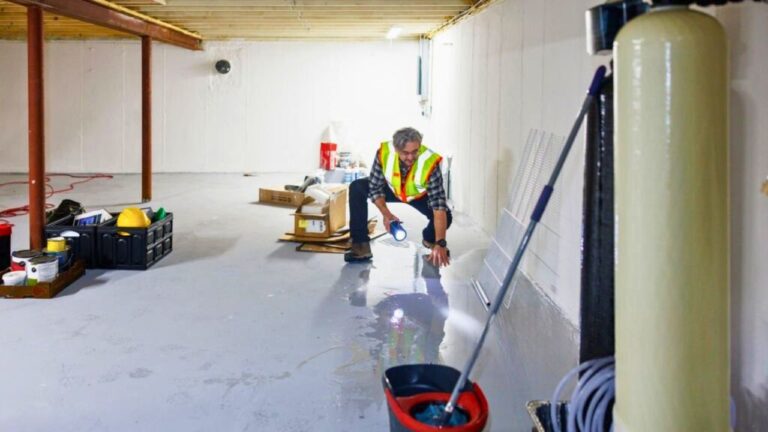
When a professional walks your property, they are trained to look for patterns, and one pattern dominates: water that is not being carried away from the structure. Inspectors repeatedly identify Poor surface grading and drainage as the single most common issue, because it affects almost every other system in the house. If water pools around the perimeter, it can seep into basements, wick up through slabs and saturate siding, which then shows up as foundation cracks, musty crawlspaces or peeling exterior finishes. You may think of those as separate problems, but the inspector traces them back to the same root cause.
That is why some inspection groups describe improper grading and runoff as the number 1 reported defect during home inspections, noting that this one flaw is also one of the leading causes of structural and moisture related damage. In one professional forum, a Jan discussion framed it bluntly: if you do not control water at the surface, you invite problems in the foundation, walls and even interior finishes. For you as a buyer or owner, that means you should treat any drainage note in a report as a priority item, not a footnote.
How inspectors actually check where water goes
From the street, a quick glance at a lawn or driveway might not reveal much, but inspectors use a more methodical approach. They study the slope of the soil around the house, looking for a consistent grade that carries runoff away from the foundation instead of toward it. One training resource explains that a grade is simply another word for slope and that, Ideally, your land should fall away from the foundation so water does not linger at the base of your walls. Even a slight reverse pitch can be enough to send stormwater back toward the house, which is why inspectors walk the perimeter instead of relying on a single vantage point.
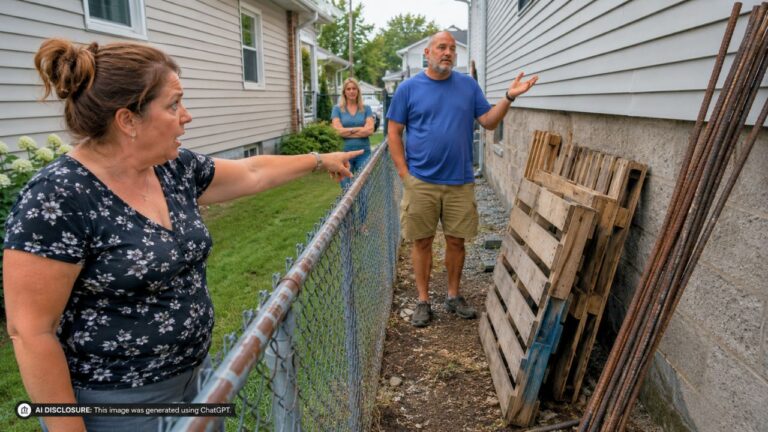
Inside the profession, people like Tamara La Plant of Perspective Property Inspections describe how they combine visual checks with simple tools to understand drainage paths. They watch how downspouts discharge, note low spots where water would naturally collect and pay attention to landscaping that might trap runoff against the structure. In some cases they also look at nearby properties, because a neighbor’s higher yard can push water toward your lot. When you read your report, those observations often show up as comments about negative slope, standing water or missing extensions, all of which point to the same concern: water is not being directed away from the building envelope.
The quiet threat to your foundation
Of all the places mismanaged water can cause trouble, your foundation is the most unforgiving. Engineers who study residential structures in regions like Texas point out that Water is one of the leading drivers of foundation movement, especially where expansive clay soils swell when wet and shrink when dry. Poor foundation drainage does not just mean puddles, it means cycles of soil expansion and contraction that can crack slabs, tilt piers and open gaps around windows and doors. By the time you see diagonal cracks in drywall or doors that no longer latch, the underlying moisture problem has usually been at work for years.
That is why inspectors and engineers keep returning to the same basic prescription: keep water away from the base of the house. Guidance on grading stresses that the soil should fall away from the structure and that Even small adjustments in slope can make a meaningful difference in how quickly the ground dries after a storm. If you live in a climate with heavy rains or clay rich soils, that advice is not theoretical. It is a direct warning that neglecting surface drainage can translate into thousands of dollars in structural repairs that no cosmetic renovation will hide.
Gutters, roofs and the “Drainage Spots” inspectors flag
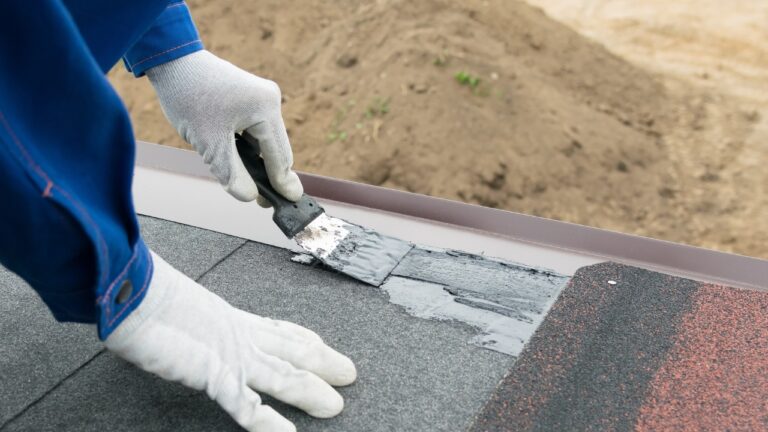
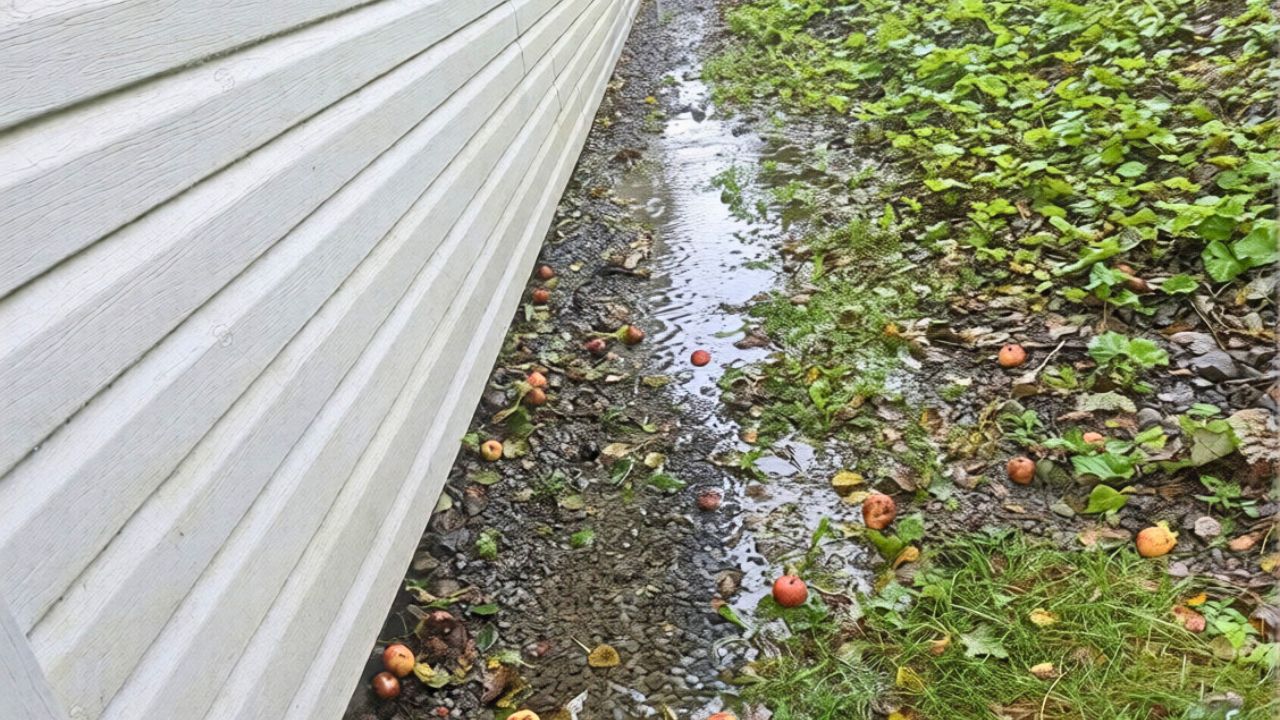
Water does not start at the ground, it starts at the roof, which is why inspectors pay close attention to gutters and downspouts before they ever look at the lawn. Industry checklists describe Common Gutter Issues, with Clogged Gutters at the top of the list. When Leaves, pine needles and roof grit block the channels, water spills over the edge and cascades straight down next to the foundation. That overflow then creates the very “wet band” around the house that inspectors are trained to notice as a red flag.
Real estate guidance aimed at buyers notes that outside, inspectors look for Drainage Spots where water has been consistently hitting the same area of soil or siding. Outside, They scrutinize not only the roof covering but also the way gutters capture and route runoff, because a missing downspout extension or a sagging section can undo an otherwise sound roofing system. For you, that means regular cleaning and simple hardware like splash blocks or buried extensions are not optional extras, they are part of the drainage system that keeps water from eroding soil and seeping into lower levels.
Yard grading, standing water and the backyard “swamp”
Once water leaves the roof, your yard becomes the next test of how well your property handles storms. Landscaping specialists define a drainage problem as one that includes standing water, soggy soil or erosion that persists long after the rain stops. Guides that promise All you need to know about yard drainage emphasize that Poor drainage can stem from compacted soil, low lying areas or hardscapes that trap water. Sometimes you might not notice the issue until you see grass dying in patches, mulch washing away or mosquitoes thriving in puddles that never quite disappear.
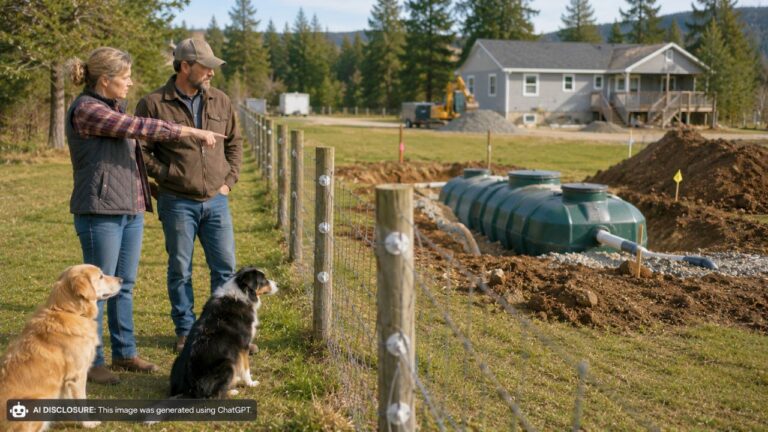
Inspectors notice those same clues and connect them to potential risks for your home. If the lot is properly graded to direct water away from the foundation, then preventing future issues is relatively straightforward. One homeowner discussion put it plainly: If the slope is correct, simple downspout extensions or a basic French drain may be enough to keep the area dry. If the slope is wrong, you are fighting gravity, and every heavy rain will remind you. That is why many inspectors recommend regrading low spots, adjusting hardscape and, where necessary, installing subsurface drains that quietly move water to a safer discharge point.
What pros see during dedicated drainage inspections
Beyond standard home inspections, some contractors focus almost entirely on how water moves around and under your property. In one field video, Sean from Gate City Foundation walks a site in Greensboro and points out how subtle changes in grade and poorly placed discharge lines are undermining a homeowner’s foundation. His focus is not on quick cosmetic fixes but on reshaping the landscape and adding collection systems so water has a controlled path away from the structure. That kind of dedicated assessment goes deeper than a typical pre purchase inspection, but it is often what you need if your report already shows chronic moisture issues.
Drainage specialists also stress that their goal is not just to keep your feet dry but to protect the property and even improve how it looks. One contractor explains that Our aim is to address standing water, soil erosion and ineffective gutters in ways that also enhance the landscape. That might mean integrating French drains into planting beds, using decorative river rock to disguise swales or reshaping lawns so they look intentional rather than patched. For you, the takeaway is that a serious drainage plan can be both functional and attractive, and that investing in one can pay off in curb appeal as well as reduced risk.
Hidden problems inside pipes and under slabs
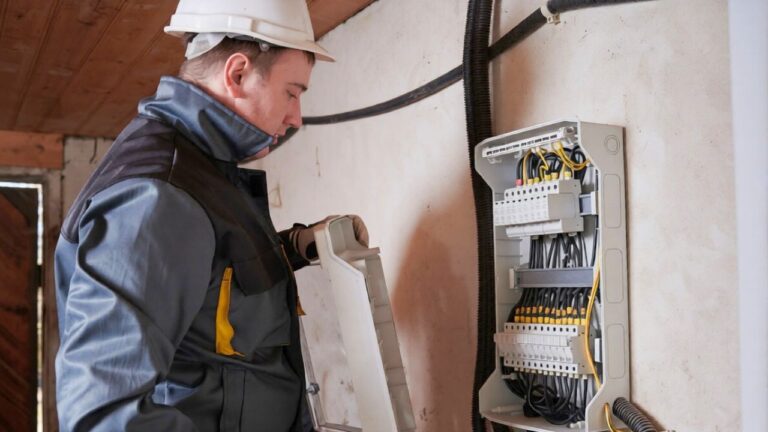
Not all drainage issues are visible from the surface. Inside your walls and under your floors, plumbing and buried drains can quietly develop blockages or failures that only show up as slow drains, gurgling fixtures or unexplained dampness. Industry data notes that Plumbing problems appear in more than 13 percent of inspection reports, with More time spent on these systems because a small leak or obstruction can quickly become a major repair. Home inspectors often recommend further evaluation when they see signs of chronic backups or moisture around drain lines, since those can indicate deeper issues in the sewer or main drain.
To get a clearer picture, some owners schedule a dedicated video scan of their drain lines. Advocates of this approach describe why a Home drain inspection explains Why this kind of exam Essential for Every, because it can reveal roots, grease, foreign objects, improper slope and age related deterioration before they cause a full failure. For you, that means a relatively modest upfront cost can prevent a surprise sewer collapse or slab leak that would otherwise show up as a flooded basement or a torn up yard.
What inspection pros keep repeating about grading
Within inspector communities, the message about grading and surface water is remarkably consistent. In one PACIFIC HOME INSPECTION COMPANY Tip of the week on DRAINAGE, inspectors describe how often they find downspouts that dump water right at the base of the wall or splash blocks that have sunk into the soil. They also point out that homeowners sometimes cover critical swales with grass, vegetation or rocks, unintentionally blocking the designed path for runoff. From their perspective, those are not minor oversights but recurring patterns that explain why so many basements and crawlspaces stay damp.
Consumer facing guidance echoes that message. One resource aimed at new buyers notes that When water pools around the house instead of draining away, it can be expensive to correct, especially if it has already caused damage. Another emphasizes that Poor surface grading and drainage is by far the most common problem inspectors find, which should shape how you prioritize repairs after a report. If you are budgeting for improvements, that means putting money into regrading, extensions and drainage infrastructure before you splurge on new countertops or paint.
Turning inspection notes into a practical action plan
Once you accept that water management is a core part of owning a house, the next step is to translate inspection language into a checklist you can actually work through. Start with the basics: clear your gutters, add extensions to every downspout and make sure the first few feet of soil around the foundation slope away from the walls. Landscape guidance that covers A drainage problem explains that you can often solve minor issues with shallow swales, dry creek beds or catch basins that blend into your yard. If your inspection mentions chronic standing water, erosion or damp basements, you may need to go further with French drains, sump systems or professional regrading.
Along the way, remember that you do not have to guess about what matters most. Inspectors and contractors have already mapped out the most common trouble spots, from surface grading to gutters to buried drains. Resources that outline Common drainage issues show that standing water, soil erosion and ineffective systems are usually solvable with the right design. Professional videos from inspectors like Feb training sessions and field visits by specialists such as Aug site reviews give you a window into how they think. If you use your inspection report as a roadmap and treat water as the through line, you can turn that recurring drainage note from a nagging problem into a solved one.
Like Fix It Homestead’s content? Be sure to follow us.
Here’s more from us:
- I made Joanna Gaines’s Friendsgiving casserole and here is what I would keep
- Pump Shotguns That Jam the Moment You Actually Need Them
- The First 5 Things Guests Notice About Your Living Room at Christmas
- What Caliber Works Best for Groundhogs, Armadillos, and Other Digging Pests?
- Rifles worth keeping by the back door on any rural property
*This article was developed with AI-powered tools and has been carefully reviewed by our editors.