This moisture issue hides until it’s expensive
Photo credit: New Africa/Shutterstock.com
By the time you see bubbling paint, warped floors, or a brown stain on the ceiling, the moisture that caused it has usually been at work for months. The real budget breaker is not the drip you notice, but the slow, hidden damp that quietly rots wood, feeds mold, and undermines finishes out of sight. If you understand where that moisture hides and how to spot it early, you can turn a five‑figure repair into a weekend fix and keep your home healthier in the process.
Moisture problems rarely announce themselves with a dramatic flood. They creep in through tiny roof punctures, hairline plumbing leaks, and humid air that condenses inside walls and attics. Your job is not to become a full‑time inspector, but to learn the patterns, warning signs, and simple controls that keep water where it belongs and stop that “invisible until expensive” damage from taking root.
Why hidden moisture is so destructive
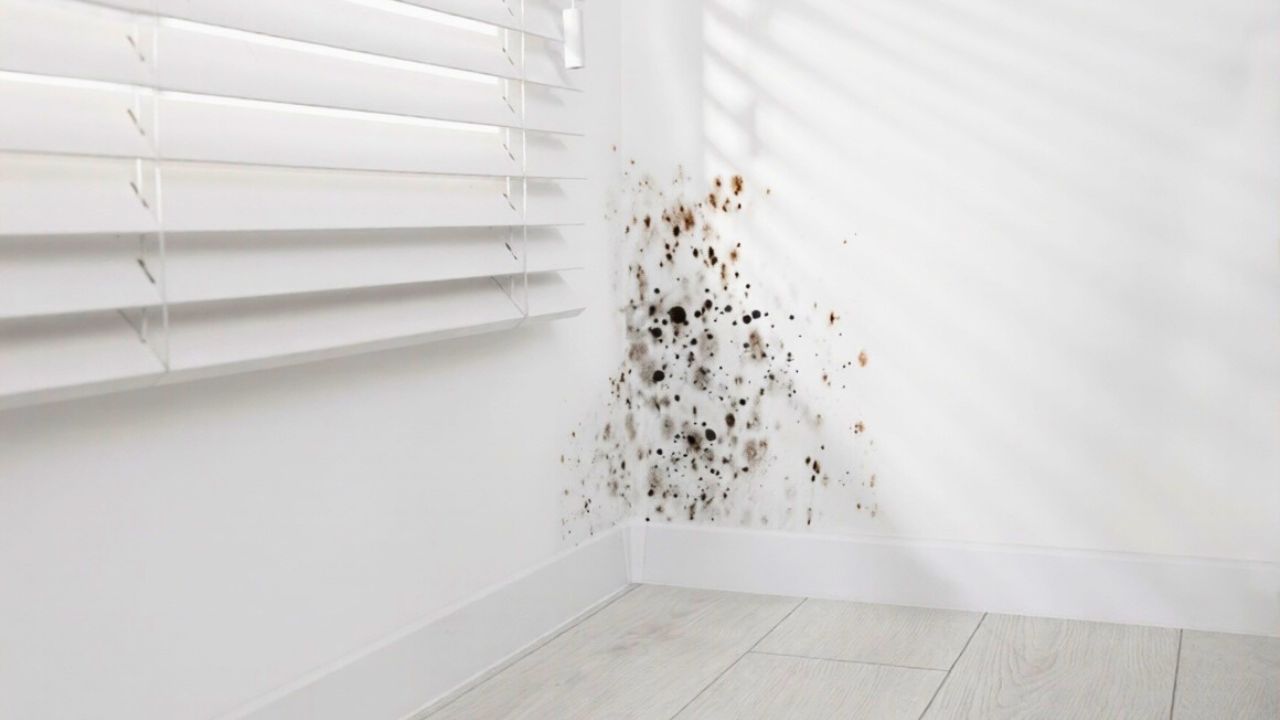
Water is uniquely good at slipping into the gaps of a house and then refusing to leave. Once it gets into porous materials like drywall, framing, or insulation, it can linger long after a rainstorm or plumbing event has passed, quietly breaking down fibers and glues. Federal guidance on indoor air quality notes that when dampness persists, it creates ideal conditions for mold growth on surfaces such as paper, wood, and ceiling tiles, and those colonies can spread quickly across any area that stays wet for more than a day or two, especially in poorly ventilated spaces where you rarely look, like wall cavities and attics, which is why a small leak can turn into a large hidden problem before you ever see a stain on the surface, as explained in this mold guide.
Once moisture is trapped, the damage compounds. Mold and mildew do not just discolor surfaces, they can weaken drywall, deteriorate subfloors, and contribute to respiratory irritation for people with asthma or allergies. Over time, wood that stays damp can warp or decay, and metal fasteners can corrode, undermining the structural integrity of floors, decks, and framing. Because these processes happen out of sight, you often discover them only when a floor feels soft underfoot or a wall needs to be opened for another repair, at which point the fix is no longer a simple patch but a full replacement of materials that have been quietly compromised for months.
The attic and roof: where small leaks become big bills
The space above your ceiling is one of the most common places for moisture to hide, because you rarely go there and it is exposed to both weather and indoor air. Roofing professionals warn that small roof leaks can go unnoticed for months, especially around flashing, nail penetrations, or vents, and that many homeowners never peek in the attic until it is too late and a ceiling has already sagged or stained. In that time, water can soak insulation, compressing it so it loses effectiveness, and can darken roof sheathing with mold, which is far more expensive to remediate than to prevent.
In cold or mixed climates, attics are also vulnerable to condensation when warm indoor air escapes and meets cold roof surfaces. That moisture may not drip, but it can frost and then melt, wetting the wood repeatedly through the season. If you do not catch it early, you may face not only roof repairs but also replacement of insulation and interior finishes. Regular visual checks for discoloration, damp insulation, or musty odors, combined with air sealing and proper ventilation, are your best defense against this slow, hidden deterioration that tends to reveal itself only when the repair scope has grown large and costly.
Behind siding and exterior walls: the quiet rot zone
Your exterior cladding is designed to shed rain, but it is not a submarine hull. Even high quality siding systems allow some water to get behind them, which is why builders rely on housewraps, flashings, and drainage gaps to move that moisture back out. When those secondary defenses are missing or poorly installed, water can collect behind the siding and soak the sheathing and framing. Because the exterior may still look intact, you might not realize anything is wrong until paint starts peeling in odd patterns, boards warp, or you notice soft spots around windows and doors.
Once moisture is trapped in that wall sandwich, it can be very difficult to dry, especially on shaded elevations or where landscaping keeps the lower walls damp. Over time, the trapped water can lead to rot in structural members and can create a hidden reservoir of mold that affects indoor air. Repairing this kind of failure often means removing large sections of siding, replacing damaged sheathing, and rebuilding window or door openings, which is far more invasive and expensive than addressing early warning signs like localized peeling paint, caulk failure, or unexplained interior staining around exterior walls.
Bathrooms, kitchens, and the myth of “minor” leaks
In wet rooms, you expect some splashes, so it is easy to dismiss small drips or swollen trim as cosmetic. That is exactly how a slow leak under a sink or behind a toilet can evolve into a major repair. A recent Bathroom Inspection Alert an Oklahoma home visit documented swelling at the bottom of a cabinet and high moisture levels, which turned out to be hidden mold from a toilet leak that had been quietly saturating the surrounding materials. By the time the problem surfaced, the cabinet and adjacent finishes needed replacement, not just a tightened fitting.
Professionals who handle water damage stress that immediate response is almost always cheaper than delay. One contractor’s Today advice framed it bluntly: spending a little now to fix a leak and dry the area costs less than fixing water damage later, once materials have swelled, warped, or grown mold. In kitchens and baths, that means treating any recurring drip, loose toilet, or discolored caulk line as a prompt for investigation, not a nuisance to ignore. Pulling out a vanity or opening a small section of wall might feel disruptive, but it is far less disruptive than gutting an entire room after months of hidden saturation.
Humidity, condensation, and “sweating” walls
Not all moisture problems come from liquid water. Humid air can be just as destructive when it repeatedly condenses on cool surfaces. Homeowners sometimes describe their walls as “sweating,” and building professionals have explained that High humidity causes materials to open their pores and allow vapor to pass through in one direction until the humidity drops, at which point the pores close and trap that moisture. Over time, this cycle can leave enough water inside paint films and plaster to cause blistering, staining, and mold, even without a single leak in the plumbing or roof.
Indoor air can pick up moisture from many sources, including cooking, bathing, and even the soil under your foundation. One analysis notes that Humidity can also come up through the soil, especially if your house is near a lake or river, and that excess moisture from everyday activities can drive indoor levels high enough to cause condensation on windows and walls. When that happens regularly, you may see mold at thermal bridges, such as corners and exterior wall intersections, long before you notice any obvious water event. Managing this kind of hidden moisture requires both source control and mechanical help, not just wiping away the visible droplets.
Subtle warning signs you should never ignore
Because the worst damage happens out of sight, your best early warning system is a set of small, sensory clues. Indoor air specialists point out that musty or damp can be a telltale sign of hidden moisture, especially if it lingers in one room or closet. That odor often appears before you see visible mold, because microbial growth begins on the back side of drywall, under carpets, or inside cabinets where air does not circulate. If you treat that smell as normal “old house” character, you risk letting a fixable moisture source continue unchecked until it has damaged framing or finishes.
Visual cues matter too. Building experts list What they see as common signs of too much moisture in houses, including condensation on windows, mold, musty smells, peeling paint, warped floors, and water stains. University extension guidance adds that Symptoms of excess home moisture also include mildew and excessive dust mites, and recommends using ventilation or a dehumidifier to bring levels down. When you see any of these indicators, especially in combination, it is a signal to look behind the surface, not just repaint or run a fan for a day.
Where moisture hides: garages, attics, and cold-weather traps
Some parts of your home are practically designed to hide moisture problems, because you visit them rarely and they often lack conditioned air. Inspectors in Northeast Florida have highlighted that Winter mold problems are often sneaky, with moisture hiding where airflow is weak and temperatures change, including in Garages, storage rooms, and around HVAC and plumbing. These areas can swing from hot to cold quickly, which encourages condensation on concrete, metal, and uninsulated ductwork, and that moisture can then wick into nearby wood or drywall.
New homeowners often discover these issues only after moving in. One Jun account described a moisture issue uncovered three weeks after move‑in, with commenters noting that garages tend to be humid and that small changes, like better ventilation or sealing gaps, can make a difference. Because these spaces often store cardboard boxes, tools, and seasonal items, they can mask early signs of mold or dampness. Making a habit of inspecting them seasonally, checking around water heaters, hose bibs, and HVAC lines, and keeping storage off the floor can help you catch problems before they migrate into living areas.
Controlling moisture before it controls you
Once you recognize how many paths moisture has into your home, the next step is to control it systematically. Federal recommendations emphasize that the main ways to control moisture are to fix leaks promptly, clean and dry damp materials within 24 to 48 hours, and keep indoor humidity low enough that condensation does not form on surfaces, as outlined in this moisture guidance. That means paying attention to roof and plumbing maintenance, using exhaust fans during cooking and bathing, and ensuring that gutters and grading move water away from the foundation instead of letting it pool against the house.
Mechanical tools can help when climate or building design make natural drying difficult. Another federal resource advises you to Use dehumidifiers and air conditioners, especially in hot, humid climates, to reduce moisture in the air, and to use insulation or storm windows to limit condensation on cold surfaces. In practice, that might mean running a dehumidifier in a damp basement, upgrading bath fans to models that actually exhaust outdoors, or adding insulation around cold water pipes that tend to sweat. These are relatively modest investments compared with the cost of tearing out moldy drywall or replacing rotted framing after years of unchecked dampness.
When you already have damage: repair, not just cover up
If you discover that moisture has already left its mark, the temptation is to patch the visible damage and move on. That approach almost always backfires. Paint professionals outline Steps To Repairing that start with one critical instruction: Clean The Area and dry it thoroughly Before you begin any cosmetic work. That means removing loose material, treating any mold, and confirming that the source of moisture has been fixed. If you skip those steps and simply skim coat or repaint, the underlying damp will continue to degrade the substrate and the stain or bubbling will return.
Turning awareness into a maintenance habit
Like Fix It Homestead’s content? Be sure to follow us.
Here’s more from us:
- I made Joanna Gaines’s Friendsgiving casserole and here is what I would keep
- Pump Shotguns That Jam the Moment You Actually Need Them
- The First 5 Things Guests Notice About Your Living Room at Christmas
- What Caliber Works Best for Groundhogs, Armadillos, and Other Digging Pests?
- Rifles worth keeping by the back door on any rural property
*This article was developed with AI-powered tools and has been carefully reviewed by our editors.