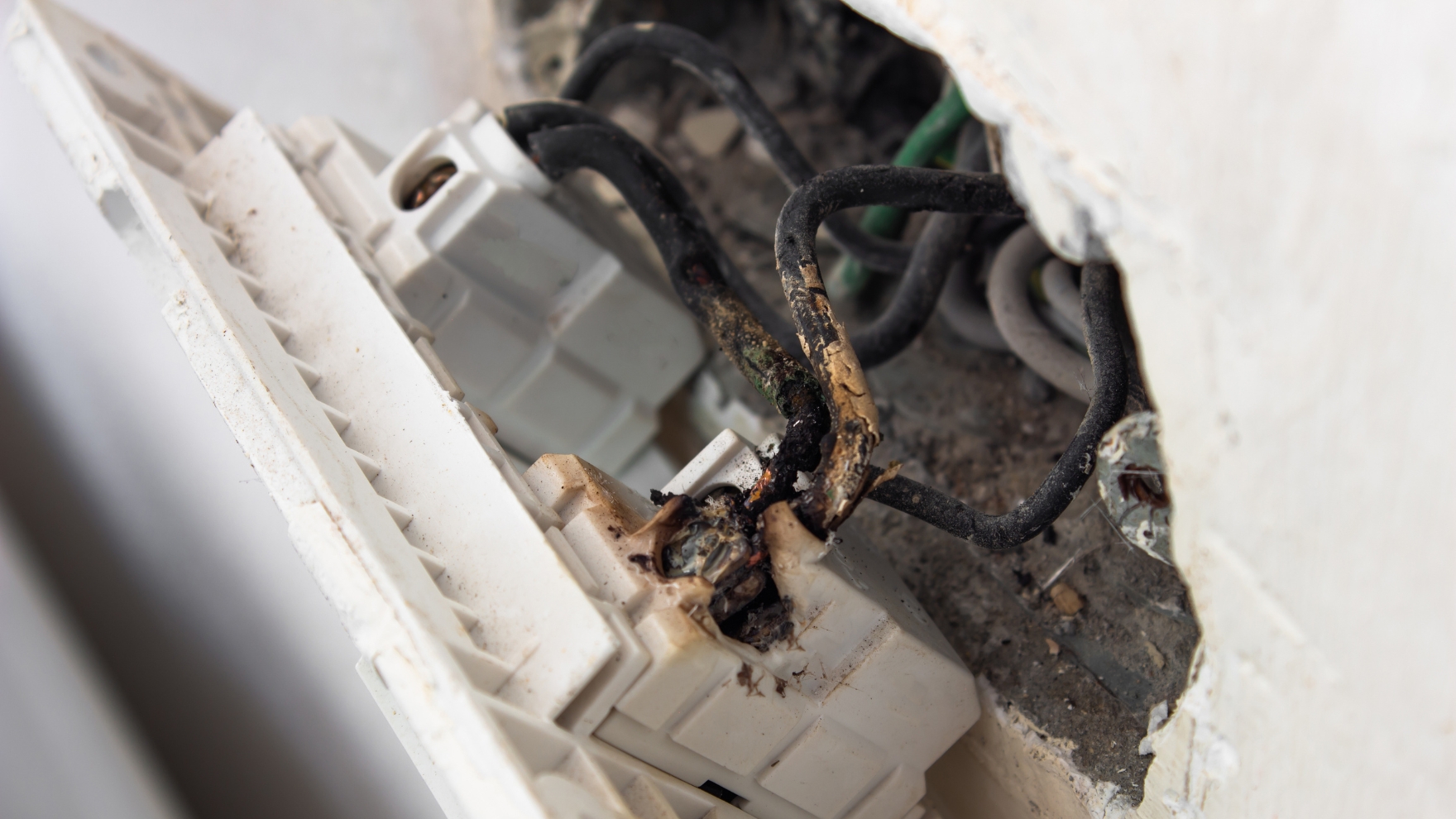
The fire risk most homeowners never think about
Photo credit: OoddySmile Studio/Shutterstock.com
Most homeowners picture kitchen flames or a tipped-over candle when they think about house fires. In reality, some of the most dangerous ignition points sit out of sight, buried in attics, crawl spaces, vents, and wall cavities where you rarely look. The fire risk most homeowners never think about is the one quietly building in those hidden spaces until a small fault becomes a fast-moving emergency.
If you focus only on visible hazards, you leave your home exposed to problems that start in wiring, insulation, lint, dust, and even wildlife activity overhead or underfoot. By shifting your attention to these concealed areas, you can catch problems early, upgrade weak spots, and give firefighters a better chance of saving your property if something does go wrong.
The danger you cannot see: why hidden spaces matter
You probably walk through your kitchen and living room scanning for obvious hazards, but the most consequential ignition points are often tucked behind drywall or above the ceiling. Electrical runs, junction boxes, and aging insulation sit in these voids, and when they fail, the first signs of trouble may be smoke already spreading through the structure. Reporting on home safety has highlighted that fires often begin in places most people never inspect, with risks accumulating in attics and cavities that feel too inconvenient to reach, yet are central to your home’s safety.
When you ignore these zones, you give small defects time to grow into serious threats. Guidance on home fire risk emphasizes that the real danger is not always the frayed cord you can see, but the slow heating and smoldering in concealed construction. Safety specialists on Electrical Fire Risks in the Home urge you to Look for subtle clues like flickering lights or discoloured outlets, which often point to problems hidden deeper in the structure rather than on the surface where you notice them first.
Attics, crawl spaces, and the statistics behind “out of sight” fires
Attics and crawl spaces are uniquely dangerous because they combine dry materials, wiring, and limited visibility. If a fire starts there, it can race through structural members before anyone notices, turning a manageable incident into a full structural emergency. National data on Fires caused by electrical distribution and lighting equipment shows that concealed spaces such as attics, ceiling roof assemblies, wall assemblies, and crawl spaces are common points of origin, precisely because problems can smolder there undetected.
Fire agencies warn that these upper and lower voids are often small and rarely visited, which means flames can grow unchecked. One analysis notes that Because attics are often small and frequently ignored, FEMA estimates nearly 43% of any fire started in an attic is not detected until it gets out of hand, with that 43% figure underscoring how late many homeowners discover trouble. A separate federal review of intentionally set residential fires found that the second leading area of origin is structural zones such as walls, ceilings, floors, attics, and crawl spaces, accounting for 16 percent of cases, according to Topical Fire Report data.
What inspections miss: the hidden risks of ignoring these spaces
Even when you pay for a professional inspection, the focus often stays on visible rooms, roofs, and mechanical systems, while the attic and crawl space get only a cursory glance. That blind spot matters, because wiring splices, deteriorated insulation, and makeshift vents tend to live in those forgotten corners. Guidance for buyers and owners stresses that skipping a thorough look overhead and underfoot can leave you with undetected hazards that only emerge after you move in, when repair options are more limited and expensive.
Specialists who examine these areas for a living describe a pattern: small faults in out-of-sight zones that gradually spread into the rest of the structure. One inspection firm frames it bluntly as Hidden Risks of problems like damaged wiring or poor ventilation begin in these out-of-sight areas and gradually spread. Fire researchers echo that pattern in national statistics, where According to the National Fire Protection Association, NFPA, local fire departments respond to an estimated 15,970 home fires involving clothes dryers each year, and a significant share of those incidents begin in ducts and cavities that no one has inspected in years.
The dryer vent problem hiding in your crawl space
Among all the hidden hazards, your dryer vent is one of the most underestimated. You probably clean the lint trap on the machine itself, but the vent line that snakes through walls or under the floor can quietly fill with lint, dust, and heat. When that buildup reaches a critical point, a single spark or overheating cycle can ignite it, turning a routine laundry day into a structural fire that starts far from where you are standing.
Fire safety experts point out that Clothes dryers cause thousands of house fires per year, often due to lint and dust igniting, a risk highlighted by Clothes dryer maintenance guidance that also cites Kevin Busch, president of Dryer Vent, on the importance of cleaning the vent that exhausts outside your house. Home performance specialists add that Every homeowner strives for a safe and energy-efficient home, but one area that is often overlooked is the dryer vent, especially in colder regions like Minneso, where long vent runs are common, and neglected ducts can contribute to fires that occur when dryer vents are ignored, as noted in Every homeowner guidance.
When the vent dumps into the crawl space
The risk escalates dramatically when the dryer does not vent outdoors at all, but instead dumps hot, lint-laden air into a crawl space. In that scenario, you are effectively blowing kindling under your house, where it can accumulate around joists, wiring, and stored items. The space is usually dry, poorly lit, and rarely checked, which means any ignition can spread along the underside of the structure before anyone smells smoke.
Inspectors who specialize in subfloor problems describe finding a dryer vent dumping straight into the crawl space, with piles of lint scattered everywhere underneath the home, a setup that turns a basic appliance into a hidden ignition source, as documented in a crawl space safety. Broader research on appliances notes that Washing machines and dryers are common in most households and are among the highest-risk appliances for starting fires, with lint and dust in and around the machine acting as fuel that can ignite if not regularly cleaned, according to Washing appliance assessments.
Other hidden ignition sources: rodents, wiring, and dust
Dryer vents are not the only threat lurking where you rarely look. Rodents and other small animals can chew through insulation on electrical cables behind walls or above ceilings, leaving bare conductors that arc when the circuit is under load. That arcing can ignite nearby wood, insulation, or stored items long before you see any visible sign of damage in your living spaces.
Wildlife control specialists describe how This unseen detriment occurs in those out-of-sight areas, behind walls or above ceilings, where gnawed wiring heightens the risk of an unforeseen blaze, a pattern documented in mice fire hazard reports. Dust adds another layer of risk, because Dust is highly combustible, and Allowing dust to accumulate on indoor surfaces creates a fire hazard, which is why safety guidance urges you to Make sure that your maintenance routines include cleaning high shelves, equipment tops, and air vents frequently to prevent buildup, as outlined in Dust control advice.
Small objects, big trouble: batteries, candles, and “unexpected” items
Some of the most surprising ignition sources sit in plain sight but behave like hidden hazards because you rarely think of them as dangerous. Loose batteries tossed into a junk drawer, decorative candles left burning near clutter, or small household items that heat up under the wrong conditions can all start fires that quickly spread into walls or ceilings. You might not connect these everyday objects to structural damage, yet they often provide the spark that finds fuel in nearby dust, paper, or fabric.
Fire safety discussions in homeowner groups warn that Loose 9v batteries sliding around in the junk drawer causes fires, because When the two terminals come into contact with a piece of metal, it can create sparks and cause fire, a risk highlighted in Loose battery safety posts. Candle enthusiasts are reminded that But did you know that a burning candle can also present hidden hazards, from burn injuries to property damage, with guidance urging you to keep open flames away from anything that can ignite and to avoid putting yourself or your family at risk, as detailed in But candle safety advice. Broader home safety resources add that Unexpected Household Items that can Cause Fires Not all household fire risks come from the kitchen or faulty wiring, and that some items can ignite under the wrong conditions, as outlined in Unexpected Household Items guidance.
Electrical clues you should never ignore
Electrical systems often give you subtle warnings before a fire starts, and those signals usually point to problems hidden in walls or junction boxes. If you notice lights dimming when appliances start, outlets that feel warm, or breakers that trip repeatedly, you are seeing symptoms of stress somewhere along the circuit. Treating those signs as mere annoyances instead of urgent clues can leave damaged conductors or loose connections to overheat until they ignite surrounding materials.
Home safety experts on While many people think they know the common causes of house fires, such as unattended cooking or faulty electrics, some of the most dangerous risks are the ones hidden in plain sight, including overloaded outlets and aging wiring. Detailed advice on Grease fires and outlet failures notes that while Grease fires, leaving the stove on, and forgetting about a lit candle are obvious hazards, outlets can also catch fire when they are loose, damaged, or overloaded, with the real cause often hidden behind the faceplate where you never look.
Wildfire embers: the outside threat that sneaks inside
Even if you live far from dense forest, wildfire risk is changing, and embers can travel surprising distances to find weaknesses in your home’s exterior. Once those embers land in a gutter full of debris, a vent opening, or a gap under the eaves, they can ignite materials that lead flames into attics and wall cavities. The result is a house that appears untouched by direct flames but is burning from the roofline inward.
Federal land managers warn that Up to 90% of homes destroyed by wildfires are not ignited by direct flames but by wind-borne embers, a 90% figure that underscores how often the threat arrives through the air rather than as a wall of fire, according to a US Forest Service briefing. Home hardening experts advise you to Keep the Embers Out by sealing vents, clearing combustibles, and recognizing that Once one home ignites, it can radiate intense heat that sets other homes on fire, guidance shared in Keep the Embers recommendations. Regional coverage on How at risk is your home for wildfires, where Experts weigh in for NBCDFW and The Texas A&M Forest Se, reinforces that embers can exploit any small opening to reach combustible materials inside the structure.
Turning awareness into a practical fire safety plan
Knowing where hidden fires start only helps if you translate that awareness into a routine. That means scheduling regular checks of your attic and crawl space, cleaning dryer vents and lint traps beyond the visible screen, and watching for electrical warning signs. It also means treating clutter, dust, and casual storage of flammable items as part of your fire risk profile, not just a housekeeping issue.
Like Fix It Homestead’s content? Be sure to follow us.
Here’s more from us:
- I made Joanna Gaines’s Friendsgiving casserole and here is what I would keep
- Pump Shotguns That Jam the Moment You Actually Need Them
- The First 5 Things Guests Notice About Your Living Room at Christmas
- What Caliber Works Best for Groundhogs, Armadillos, and Other Digging Pests?
- Rifles worth keeping by the back door on any rural property
*This article was developed with AI-powered tools and has been carefully reviewed by our editors.