This inspection red flag gets ignored too often
Photo credit: Nattawit Khomsanit/Shutterstock.com
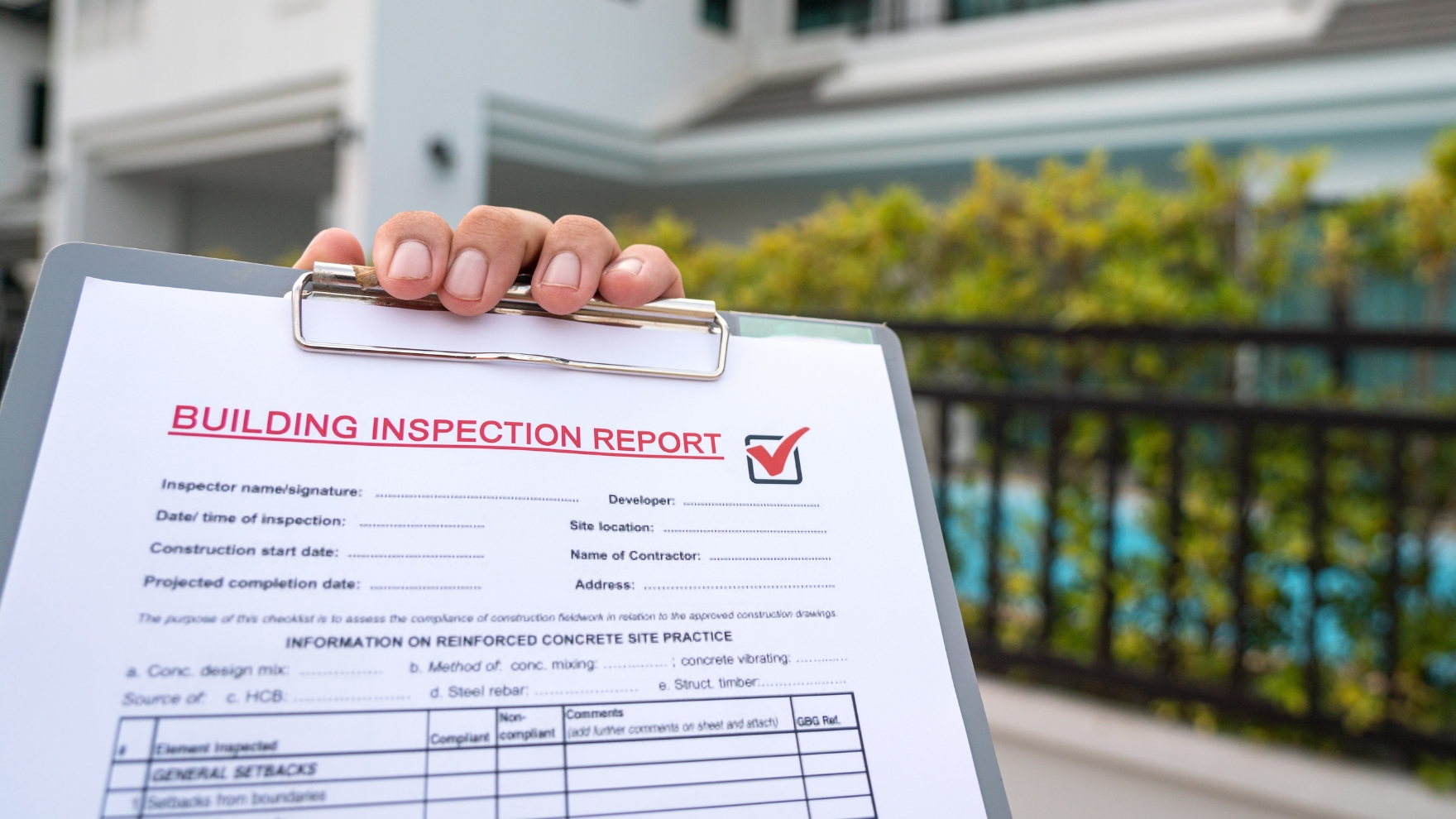
When a home inspection report lands in your inbox, your eyes probably jump to the obvious: the roof, the furnace, maybe the age of the windows. Yet the single most dangerous warning sign is often buried in a few bland words about “movement,” “settlement,” or “structural concerns.” That quiet line item can be the difference between a solid investment and a financial sinkhole.
The red flag that gets ignored too often is structural trouble, especially foundation issues that ripple through the rest of the house. You are not just weighing cosmetic flaws, you are deciding whether the building can safely stand up to time, weather, and daily use without draining your savings on hidden repairs.
Structural problems are the red flag that changes everything
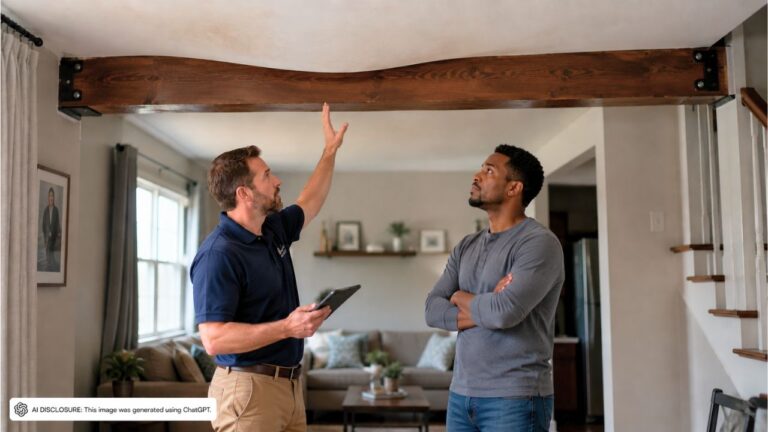
When inspectors talk about the “biggest” concern in a report, they are not pointing to peeling paint or an aging water heater. They are talking about structural problems that affect the skeleton of the house, including the foundation, framing, and load bearing elements. If those components are cracked, sagging, or compromised, you are looking at a safety risk and a repair bill that can easily dwarf your down payment, which is why experienced agents and inspectors consistently treat structural notes as the top red flag in a home inspection report backed by structural guidance.
These issues are so serious because they are rarely isolated. A foundation that has shifted can twist door frames, crack walls, and stress plumbing and electrical lines, turning one defect into a chain reaction of failures. That is why detailed inspection advice stresses that structural or foundation problems are among the most serious findings, the kind that can create safety or health hazards and should immediately change how you negotiate or whether you proceed at all, as reinforced by There.
Foundation clues you cannot afford to shrug off
Foundation trouble rarely announces itself with a single dramatic crack in the basement wall. More often, you see a pattern of subtle signs that your inspector flags and your brain tries to downplay. Cracks in walls, especially those that run diagonally from window or door corners, doors that stick or no longer latch, and floors that feel uneven underfoot are all classic indicators that the base of the house is moving in ways it should not, which is why detailed inspection checklists urge you to watch for Cracks and other foundation clues.
When inspectors and buyer guides rank the most expensive and disruptive problems, foundation cracks or shifts are always near the top. They are described as one of the most costly red flags you cannot afford to ignore, because stabilizing or rebuilding a foundation can require excavation, piers, and structural engineering that quickly runs into five figures, as underscored by advice on Foundation Cracks and Shifts.
Moisture, grading, and mold: the slow-motion structural threat
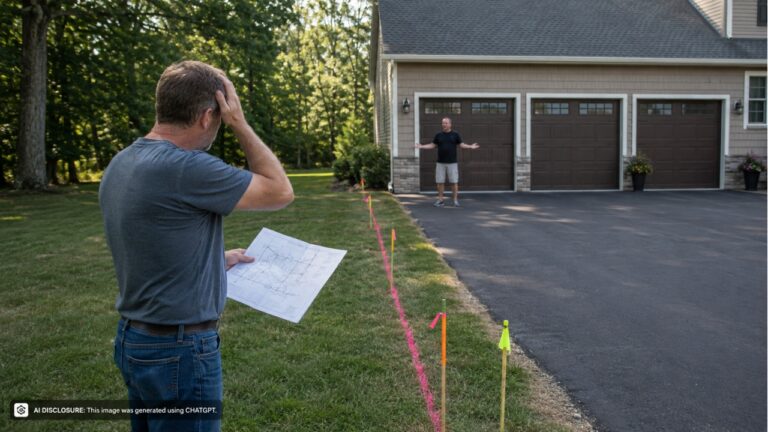
Even if your inspector does not write “foundation failure” in bold letters, moisture problems around the house can be an early warning that the structure is at risk. Poor grading that sends water toward the foundation instead of away from it can slowly erode soil, cause hydrostatic pressure on basement walls, and set the stage for long term damage. Inspection guidance flags poor grading as a red flag that can cause serious problems if you ignore it, and even suggests a simple field test: after heavy rain, Check the yard for Standing water that lingers near the house.
Inside, mold on walls and ceilings outside the bathroom and kitchen is another sign that water is getting where it should not. When mold appears in living rooms, bedrooms, or hallways, it can point to a broken pipe or hidden leak that is saturating framing and subfloors, which in turn can rot wood and compromise structural integrity over time. Inspection experts warn that this kind of widespread mold is not just a cosmetic or air quality issue, it is a potential structural problem that needs immediate investigation, a point reinforced by guidance that notes mold on walls and ceilings outside wet rooms can signal a broken pipe that could damage the home and compromise its structural integrity, as highlighted in However.
Why vague language in reports should set off alarms
One reason structural red flags get brushed aside is the way they are described. Inspection reports often use cautious, technical language that can make serious problems sound negotiable. Phrases like “possible structural movement,” “evidence of prior repairs,” or “further evaluation recommended” may look like routine boilerplate, but investor focused guidance is blunt that when an inspection lists vague issues like mold or structural defects, you need to treat them as high risk items and dig deeper before you commit. That advice stresses that when you see those kinds of notes, you should prioritize additional inspections and cost estimates to avoid significant unforeseen expenses, as laid out in Key Takeaways on what to do When you see those red flags.
Buyers also tend to underestimate problems that are hidden behind finishes. In one discussion among homeowners, people described how the “cover-up board,” meaning drywall, can conceal serious issues in the walls, from moisture damage to shoddy repairs that only become obvious after you move in and start opening things up. That kind of hindsight regret, captured in comments that point to the main problem being the cover-up board and stories from people who were on the other side of a transaction and saw what was hidden, is a reminder that vague structural notes are often the only clue you will get before closing, as reflected in the experiences shared under Was.
How pressure, distractions, and “smaller” issues pull your focus away
Even when you understand that structural issues are serious, the dynamics around a purchase can push you to minimize them. In a competitive market, buyers describe feeling strong armed by their own agents, who seem to side with listing agents and urge them not to “lose a good home” over inspection findings. One first time buyer recounted spending countless hours researching every decision, only to feel that their concerns about inspection red flags were being used against them as leverage to accept more risk, a scenario described in detail in a discussion where a buyer felt their agent was using their diligence to pressure them, as seen in the account linked through Aug.
At the same time, your attention is pulled toward big ticket but non structural items that feel more tangible. Roofs are a prime example. Agents point out that roof replacements can run from $10,000 to $30,000, and they warn buyers to pay attention to roof age and patching, especially if they see multiple layers of shingles or algae growth that indicates moisture retention, as detailed in guidance on Roof Age and Patching and Roof costs of $10,000 and $30,000. Those numbers are real and painful, but they can also distract you from structural notes that may be even more expensive and harder to fix, especially if you are already stretching your budget.
Like Fix It Homestead’s content? Be sure to follow us.
Here’s more from us:
- I made Joanna Gaines’s Friendsgiving casserole and here is what I would keep
- Pump Shotguns That Jam the Moment You Actually Need Them
- The First 5 Things Guests Notice About Your Living Room at Christmas
- What Caliber Works Best for Groundhogs, Armadillos, and Other Digging Pests?
- Rifles worth keeping by the back door on any rural property
*This article was developed with AI-powered tools and has been carefully reviewed by our editors.