The home system buyers assume was “updated”
Photo credit: CRobertson/istock.com
Real estate listings are full of “updated” claims that quietly skip over the one system that can wreck your budget fastest: the heating and cooling that keeps the place livable. You might walk into a freshly painted, “move‑in ready” house and assume the mechanicals match the cosmetics, only to discover later that the heart of the home is decades behind. Understanding what buyers think “updated” means, and what it actually covers, is the difference between paying for a turnkey property and inheriting a very expensive project.
As expectations for move‑in ready homes have risen, you are under more pressure to decide quickly and pay a premium for anything that looks modern. That pressure makes it easy to overlook the systems you cannot see, especially the HVAC equipment that quietly drives comfort, energy bills, and resale value. The more you separate marketing gloss from verifiable upgrades, the better your odds of getting the “updated” home you think you are buying.
The quiet premium on “updated” everything
When you shop, you are not just buying walls and a roof, you are buying the seller’s past decisions about what to fix and what to ignore. From a financial standpoint, paying more for a property that already has key work done often makes sense, because the math on major improvements rarely favors the buyer who tackles them later with cash or credit. Analysis of renovation costs shows that by the time you factor in contractor markups, material inflation, and the interest on a home equity line or credit cards, you usually spend more doing the work yourself than paying a reasonable premium for a house where those projects are already finished.
That logic is why “updated” has become one of the most powerful words in listing language. Sellers know you will pay extra for a kitchen that does not need immediate work or a bathroom that feels current, and guidance for buyers often frames the choice as paying up front for completed projects versus living through months of disruption. Yet those same discussions warn that you should run your own numbers on big-ticket items, because the return on investment for renovations is uneven and the person who buys after the work is done often captures more value than the person who wrote the checks for the remodel.
Move‑in ready expectations and the cosmetic trap
Over the past few decades, expectations have shifted toward homes that feel finished on day one, and longtime owners are noticing how sharply that bar has risen. In online discussions, sellers describe buyers walking away from structurally sound houses simply because the finishes looked dated, even when the only issues were cosmetic. One commenter who sold a property “as is” despite only needing surface updates contrasted their experience with nearby listings that had been staged and cosmetically refreshed, and said the pressure for fully polished homes has clearly intensified, summed up with a blunt “Yes” when asked if expectations had increased.
That cultural tilt toward instant perfection creates a trap for you as a buyer. Fresh paint, new flooring, and trendy fixtures are easy to see and easy to market, so they dominate listing photos and open house chatter. More technical elements, like the age of the furnace, the condition of the ductwork, or whether the electrical panel can handle modern loads, are harder to showcase and easier for everyone to gloss over. Experienced voices in buyer forums warn that you should treat “updated” as a cosmetic label unless you can point to specific, documented work on the systems that actually keep the home running.
The home system buyers assume is modern: HVAC
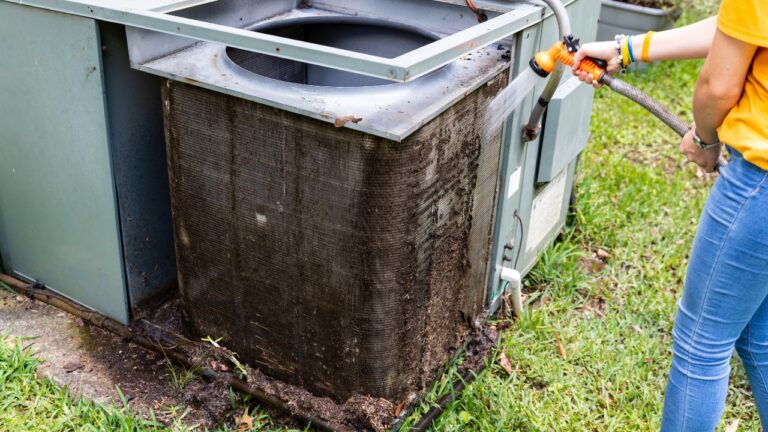
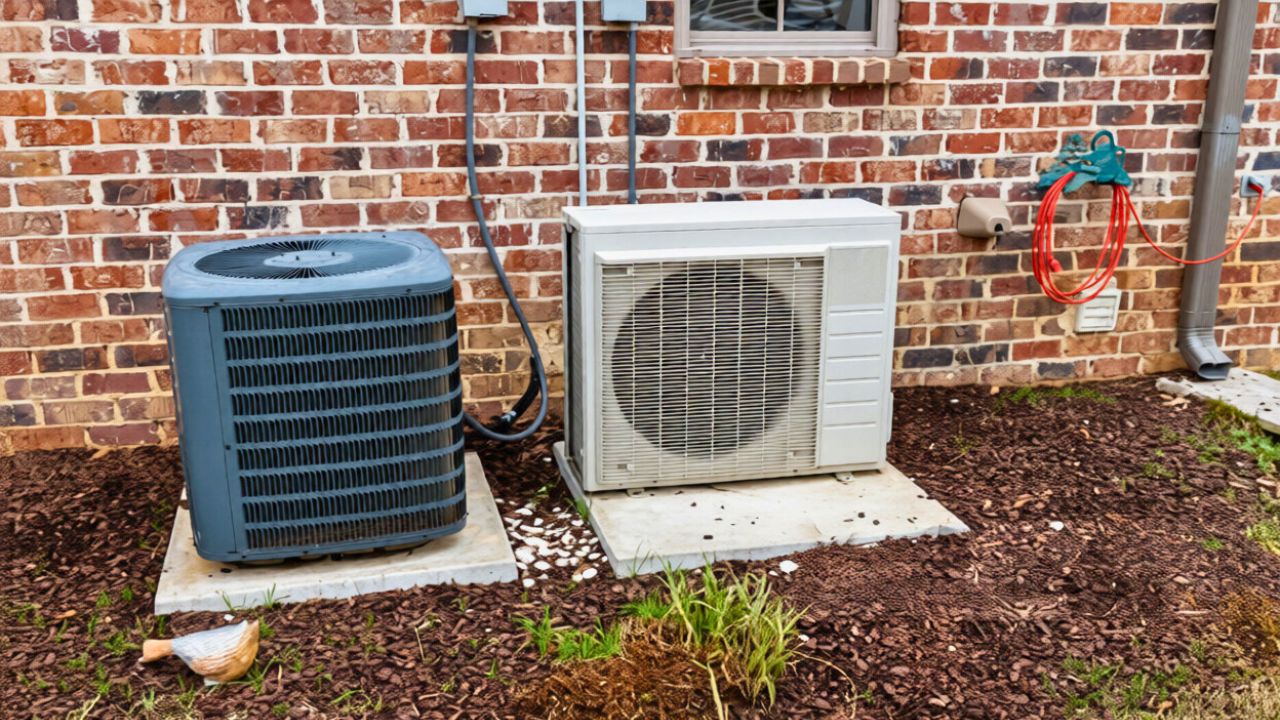
Among all the hidden components, the one most buyers quietly assume has been modernized is the HVAC system. When you walk through a house that feels comfortable, with no obvious drafts or hot and cold spots, it is natural to think the equipment behind that comfort is reasonably new. Industry guidance notes that buyers want to know the HVAC system is reliable and efficient, and that updated technology is a major selling point. At the same time, it warns that many people simply assume that if the thermostat looks sleek and the vents are unobtrusive, the furnace, air conditioner, or heat pump must be up to date, even when the core equipment is well past its prime.
That assumption is risky because heating and cooling are among the most expensive systems to replace. Professional analysis of residential HVAC stresses that replacing an outdated system can significantly affect home value, both by improving comfort and by reducing energy costs. If you pay a premium for a house that markets itself as updated but later discover a 20‑year‑old furnace and an air conditioner running on obsolete refrigerant, you have effectively paid twice: once in the purchase price and again when you eventually fund a full system replacement. The gap between what you thought “updated” meant and what is actually in the mechanical room can easily run into tens of thousands of dollars.
What “updated” should really cover behind the walls
To protect yourself, you need a more technical definition of “updated” that goes beyond countertops and paint colors. Newer construction often sets the standard here, with builders highlighting more electrical outlets, smart wiring, and updated technology as core advantages. Marketing for recently built homes points out that many buyers assume these features are standard in anything that looks modern, and that they expect not just attractive finishes but also infrastructure that can support streaming, electric vehicles, and dense clusters of devices. When you see a listing that leans heavily on the word “updated,” you should be asking whether the wiring, panel, and low‑voltage systems have actually been brought in line with those expectations.
Exterior elements tell a similar story. Roofing and siding companies note that if your siding is cracked, faded, or warped, it may lower your home’s value because buyers assume more repairs are needed. The flip side is that clean, newer siding can create the impression that the entire envelope, from insulation to windows, is in good shape. Professionals caution that this is not always true, and that you should look past the surface to confirm whether the underlying structure and weatherproofing have been addressed. The same logic applies to windows, where experienced buyers and Realtors flag the age of the units as a key indicator of how much work and energy cost you are inheriting, regardless of how fresh the trim looks.
How appraisers and inspectors treat “updated” claims
Even if a listing leans hard on the word “updated,” the people who decide how much the home is worth on paper take a more clinical view. In a typical mortgage process, the appraisal happens after your offer is accepted but before your loan is finalized, and it is a required step in nearly every standard transaction. Appraisers focus on value, not marketing language, and they look at comparable sales, square footage, and measurable features rather than how trendy the finishes feel. Guidance on the appraisal process emphasizes that while visible upgrades can influence value, the appraisal focuses solely on what can be documented and supported, not on vague claims.
That is where inspections and your own due diligence come in. Inspectors and seasoned buyers on forums repeatedly warn that you should not rely on listing language or even on casual assurances from sellers about what has been updated. They urge you to verify the age and condition of major systems, especially HVAC, electrical, and roofing, and to budget for replacements if those systems are near the end of their typical lifespan. In debates over whether to buy an updated house or a Fixer upper, experienced voices often say a Fixer can make sense only if you have the time, cash, and tolerance for disruption, and they stress that hidden systems matter more than cosmetic flaws when you weigh that choice.
Like Fix It Homestead’s content? Be sure to follow us.
Here’s more from us:
- I made Joanna Gaines’s Friendsgiving casserole and here is what I would keep
- Pump Shotguns That Jam the Moment You Actually Need Them
- The First 5 Things Guests Notice About Your Living Room at Christmas
- What Caliber Works Best for Groundhogs, Armadillos, and Other Digging Pests?
- Rifles worth keeping by the back door on any rural property
*This article was developed with AI-powered tools and has been carefully reviewed by our editors.