What inspectors look for after flipped renovations
Photo credit: shisu_ka/Shutterstock.com
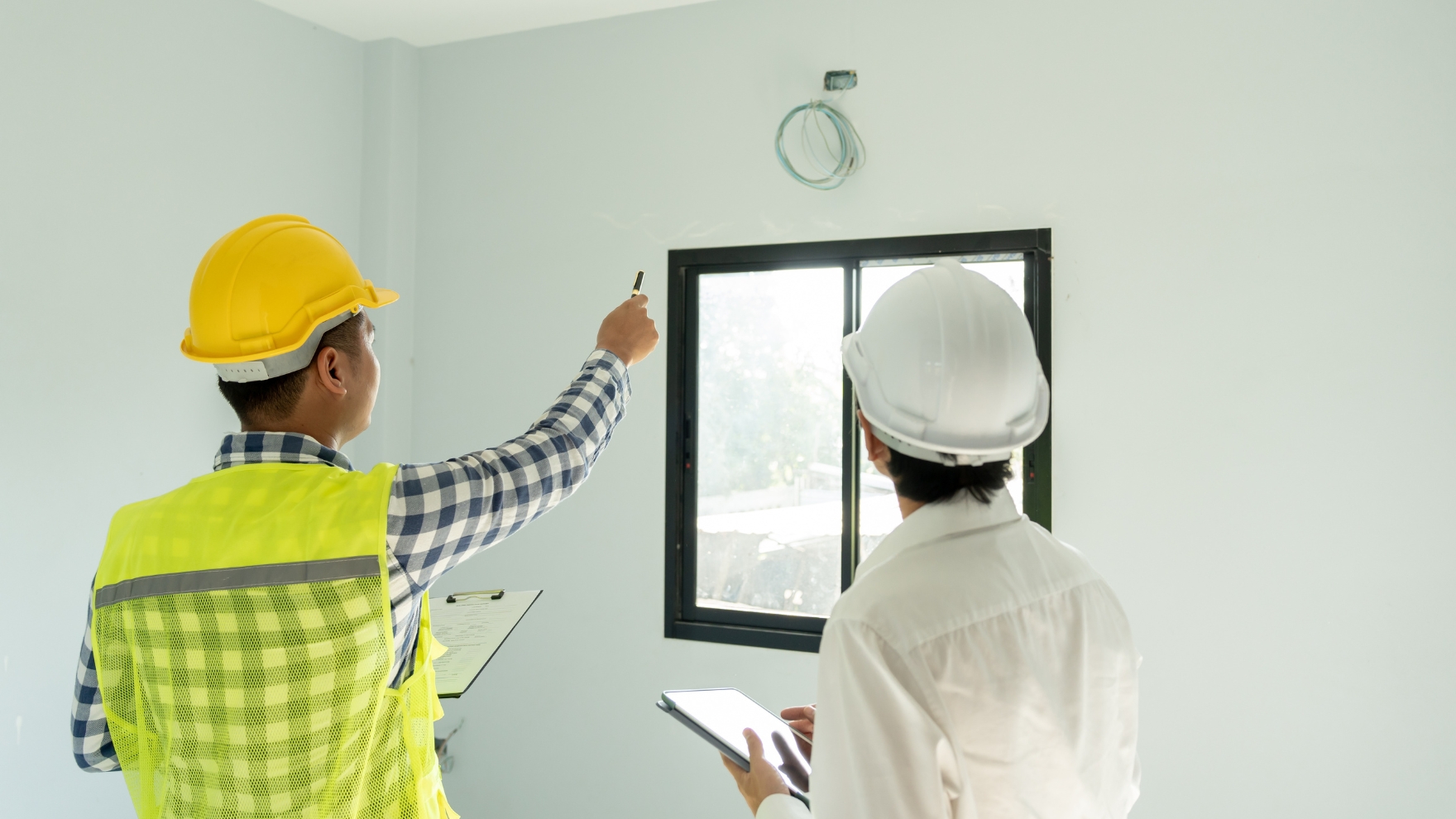
Fresh paint, new cabinets and trendy fixtures can make a flipped house look like a turnkey bargain, but inspectors know that cosmetic upgrades sometimes hide rushed or unpermitted work. When you hire an inspector after a renovation flip, you are paying less for an opinion on the décor and more for a forensic read on what was done behind the walls, under the floors and in the attic.
The most thorough inspectors treat a flip as a high‑risk property type, not a typical resale, and they adjust their checklist accordingly. They look for patterns that suggest speed over quality, compare visible finishes to the age of the structure and dig into permits, structure, systems and moisture history before you commit to closing.
Why flipped homes get extra scrutiny
Inspectors approach renovated flips with a presumption that the work was done to maximize resale price quickly, not necessarily to last for decades. Industry guidance notes that some flippers do not take the time to ensure quality, even when the home is being prepared for purchase, which is why flipped homes require more scrutiny than owner‑occupied resales. When a property shows brand‑new finishes layered on top of an older shell, inspectors look for inconsistencies, such as original windows next to a new kitchen or fresh drywall over an obviously uneven foundation, as early signs that the renovation may have been skin‑deep rather than structural.
Experienced inspectors also treat a flip as a kind of puzzle, piecing together clues from different parts of the house to see whether the story of the renovation makes sense. One inspection firm notes that the good news for buyers is that inspectors are pretty good at looking for clues and, while they have to work harder at putting 2 and 2 together, there are often enough red flags to warn you when a flip is a flop. Another trade source warns that a lack of attention to detail, such as sloppy caulk lines or mismatched trim, can indicate lower quality controls and a desire for quick turnover, which in turn suggests there may be other potential areas of concern that are not immediately visible.
Structure first: foundations, framing and roofs
On any home, but especially on a flip, inspectors start with the structure because everything else depends on it. Multiple guides identify the Foundation as one of the top make‑or‑break items, describing it as the workhorse of a house that must support the home’s weight and keep it level. Inspection checklists of worst‑case scenarios put foundation problems at the top, noting that your inspector will look for cracks, settlement and moisture intrusion as the first area of potential concern. Consumer‑facing breakdowns of why homes fail inspection group these issues under “Top” structural problems, including foundation flaws such as cracks and damaged siding that can signal deeper movement.
Beyond the slab or basement walls, inspectors look at the rest of the load‑bearing skeleton. One widely cited list of major inspection issues highlights “Structural Issues” as a primary category, explaining that structural problems can generally be seen in the attic or crawlspace where framing is exposed. Inspectors check whether beams, joists and trusses are straight, properly supported and free of amateur cuts made to run new ducts or plumbing during the flip. Roofs get similar attention, especially on renovated homes where the interior looks new but the shingles are aging. Buyer checklists for flips flag the roof as an obvious item to evaluate, asking whether there are discolored patches and whether it is older than 25 years, and stressing that while age alone is not automatically disqualifying, it is a cost and risk you need to understand before you pay a flipped price.
Systems behind the shine: electrical, plumbing and HVAC
Once the bones are assessed, inspectors move to the systems that keep the house safe and livable, because these are expensive to correct if a flipper cut corners. Consumer guidance on inspection failures groups these under “Systems,” including electrical, plumbing and HVAC, and warns that defects here can derail a sale. One buyer‑oriented guide explains that inspectors routinely evaluate the electrical panel, wiring type and grounding as part of their top five items, since outdated or overloaded systems are both a fire risk and a sign that renovations may not have been done to current standards. In older homes that have been cosmetically updated, inspectors are advised to check whether knob and tube wiring is still active, and to verify that any new circuits added for modern kitchens or baths were installed correctly.
Plumbing and climate control get similar scrutiny. Practical advice for spotting bad flips urges buyers and inspectors to check out the water and sewer pipes, looking for evidence of old galvanized lines, hasty PVC patches or signs of past leaks around tubs and under sinks. Another renovation‑focused construction guide warns that flippers sometimes rush to install a new heating system in a hurry, which can leave you with undersized ductwork, poorly vented exhausts or units that are not matched to the home’s actual load. When a renovation involved moving bathrooms or kitchens, experts recommend confirming that any changes to the plumbing, electrical or structural layout were done with proper permits and inspections, rather than hidden behind new tile and drywall.
Moisture, insulation and what is hiding under finishes
Water is one of the most expensive problems to fix, so inspectors on flips are trained to look past fresh paint for signs of past moisture damage. One inspection firm that specializes in rejuvenated properties notes that a home with previous moisture issues can be costly to repair, so some flippers try to hide or disguise the problem rather than address it. Inspectors respond by scanning for staining at baseboards, around windows and in basements, checking for musty odors and using moisture meters where surfaces look suspiciously perfect. They also pay close attention to bathrooms and laundry areas, where poor ventilation can trap humidity behind new tile or vinyl.
Insulation is another hidden element that can reveal how seriously a flipper took the work. A former building official who inspected home flips reports that some renovators would have the wall open and not put insulation in before they closed it back up, because insulation is invisible to buyers once the drywall is on. That kind of shortcut can leave you with high energy bills and uncomfortable rooms despite brand‑new finishes. Construction‑side advice on spotting flips stresses that the best way to understand what you are buying is to spend time inspecting them, including attics and crawlspaces, where you can see whether insulation is continuous and whether air sealing was done properly. Inspectors often treat any attempt to block access to these areas, such as painted‑shut hatches or heavy storage piled in front of panels, as a reason to be more skeptical of the renovation story.
Permits, paperwork and the limits of a visual inspection
Even the best inspector is limited by what can be seen and safely tested in a few hours, which is why documentation matters so much on a flip. Seasoned buyers and inspectors repeatedly advise you to get permits pulled for any major work, especially when a house’s price has jumped sharply in a short time. One discussion of a flip that went up $250,000 in less than three years includes the blunt recommendation to “Get” permits pulled and verify that the work passed municipal review. Another renovation guide urges you to search for any permits on completed work whenever a home looks like it has been renovated, particularly if changes were made to the plumbing, electrical or structural layout, because those categories typically require formal approval.
Like Fix It Homestead’s content? Be sure to follow us.
Here’s more from us:
- I made Joanna Gaines’s Friendsgiving casserole and here is what I would keep
- Pump Shotguns That Jam the Moment You Actually Need Them
- The First 5 Things Guests Notice About Your Living Room at Christmas
- What Caliber Works Best for Groundhogs, Armadillos, and Other Digging Pests?
- Rifles worth keeping by the back door on any rural property
*This article was developed with AI-powered tools and has been carefully reviewed by our editors.