This home feature becomes a liability over time
Photo credit: Reinhardt and Co/Shutterstock.com
For years you have been told that more square footage, more rooms, and more “character” equal a smarter investment. Yet the very feature that once signaled success, a sprawling, closed-off layout packed with extra rooms, is increasingly turning into a drag on your finances and your future options. As buyers shift their preferences and the cost of maintaining older, oversized properties climbs, the classic forever home is quietly becoming a long-term liability.
The risk is not just about taste or trends. It is about how your home behaves on a balance sheet, how easily you can sell when life changes, and whether the space you love today will trap you tomorrow. Understanding why a certain kind of layout is losing value, and what you can do about it, is now essential homeowner homework.
When your “asset” behaves like a liability
Most people grow up believing that any home they own is automatically an asset, but that is not how serious investors define the term. In a stricter financial sense, assets put money in your pocket and liabilities take money out, a distinction that is at the heart of the “Free Game” framing of Assets vs Liabilities. When you look at your home through that lens, a property that constantly demands cash for taxes, insurance, utilities, and repairs, while generating no income and limiting your flexibility, starts to look less like a nest egg and more like a very expensive hobby.
That mindset shift is echoed in guidance aimed at everyday owners, which stresses that traditional definitions of value are too shallow. One investing explainer notes that, in conventional terms, an asset is simply something that has value, But more sophisticated investors go further and ask whether that thing produces cash flow or at least preserves your ability to move and adapt. When your house is so large, so specialized, or so out of step with buyer demand that it becomes hard to sell or refinance on good terms, it behaves like a liability even if the paper valuation looks impressive.
The closed-plan layout that quietly kills your appraisal
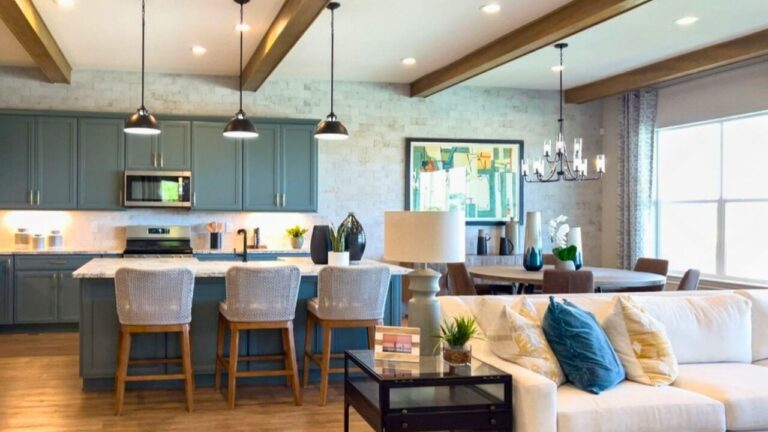
The specific feature that is now tipping many homes into liability territory is the closed, chopped-up floor plan that dominated construction for decades. Real estate professionals are flagging a closed plan as the single design element most likely to drag down value in 2026, because buyers are actively discounting properties that feel dark, compartmentalized, and inflexible. When appraisers look at recent sales, they are seeing open, flowing layouts command stronger prices, which means your warren of formal rooms can cause the number on your appraisal report to come in lower than you expect.
This is not just about aesthetics or the latest social media trend. A closed plan makes it harder for buyers to imagine multiuse living, from hybrid work to multigenerational households, and that disconnect shows up in the offers they are willing to make. When professionals say a closed plan is now the feature most likely to pull an appraisal down, as reported in Real estate coverage, they are really warning you that a layout once considered standard is becoming a structural financial risk.
The boomer “forever home” that no longer fits the market
Nowhere is this shift more visible than in the large, multi-bedroom properties that Baby Boomers once saw as their final stop. Many owners in this generation were sold on the idea of Aging in Place, the comforting belief that they could stay in their beloved home indefinitely, only to find that the five bedroom layout that worked for a full house is a burden when mobility, health, and income change. Reporting on the Aging in Place Myth Collides With Reality describes how Boomers are discovering that the stairs, the distance between key rooms, and the sheer volume of space to heat, cool, and maintain can turn a dream home into a logistical nightmare.
On top of the physical strain, there is a powerful emotional component that keeps people stuck in properties that no longer serve them. As one analysis notes, Let’s be real, there is a deep attachment to the place where They raised their kids, celebrated milestones, and tied their sense of identity to a specific address, which makes it harder to confront the financial and practical downsides of staying. That tension is especially acute in the so called ghost mansions, the five bedroom houses that now sit half empty yet still demand full sized bills, a pattern highlighted in Jan reporting on Boomers’ housing struggles.
When “character” and size turn into unsellable space
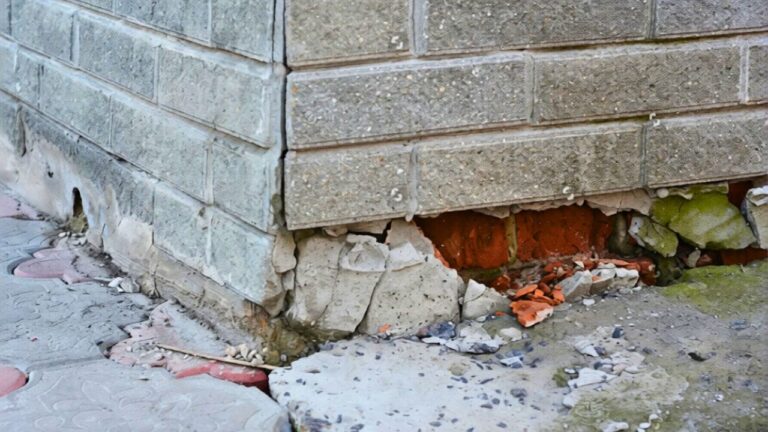
Even if you are not a Boomer, you may be sitting on a similar problem if your home is both large and older, with a layout that locks rooms into rigid, single purpose boxes. Older properties often come with original electrical systems, plumbing, and structural materials that no longer meet modern expectations, and those hidden components can be as much of a liability as the visible floor plan. Inspectors who specialize in heritage housing point out that Older homes tend to feature outdated wiring, aging pipes, and materials that require specialized work, all of which add cost and complexity when a buyer’s inspector starts writing up a report.
That combination of size and obsolescence is already showing up in the market for big family houses. Coverage of the five room forever home trend notes that these properties are becoming an unsellable liability for Boomers, with some listings lingering because younger buyers do not want the maintenance load or the closed, formal layout that defines many of these houses. When a home is too big for current owners, too outdated for new buyers, and too compartmentalized to adapt without major renovation, it stops functioning as a flexible asset and starts behaving like a stranded cost, a pattern underscored in Jan coverage of these ghost mansions.
How to keep your home from turning against you
The good news is that you are not powerless. The same investor logic that treats a house as a potential liability can help you turn it back into a more resilient asset. Start by looking at your layout through a buyer’s eyes and asking whether key living areas feel connected, bright, and adaptable, or boxed in and dated. If your home leans heavily toward the latter, targeted changes like removing a non load bearing wall between a kitchen and dining room, widening doorways, or rethinking how you use underutilized formal spaces can soften the impact of a closed plan that appraisers now see as a drag on value, as highlighted in recent Real estate reporting.
At the same time, you should audit the less visible systems that can quietly turn character into liability. If your property falls into the Older home category, a preemptive inspection of electrical, plumbing, and structural elements can surface issues before a buyer uses them to negotiate a steep discount, a concern raised in Jan guidance on aging houses. Finally, revisit your long term plan with the same clarity investors bring to Assets PUT and TAKE decisions: if your home is consuming more money, energy, and freedom than it returns, it may be time to right size into a space that works with your life instead of against it, a shift that aligns with the investor focused advice in Jul analysis of when a home becomes a liability.
Like Fix It Homestead’s content? Be sure to follow us.
Here’s more from us:
- I made Joanna Gaines’s Friendsgiving casserole and here is what I would keep
- Pump Shotguns That Jam the Moment You Actually Need Them
- The First 5 Things Guests Notice About Your Living Room at Christmas
- What Caliber Works Best for Groundhogs, Armadillos, and Other Digging Pests?
- Rifles worth keeping by the back door on any rural property
*This article was developed with AI-powered tools and has been carefully reviewed by our editors.