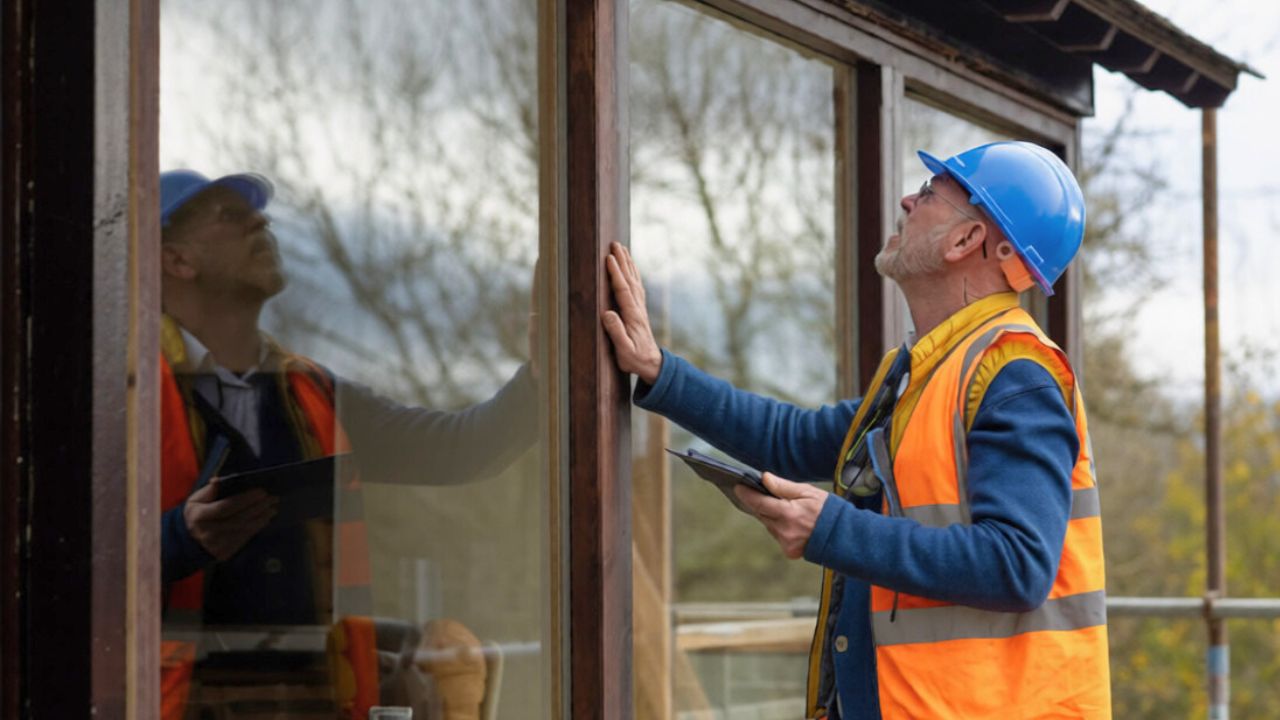
What inspectors notice immediately in aging homes
Photo credit: SolStock/istock.com
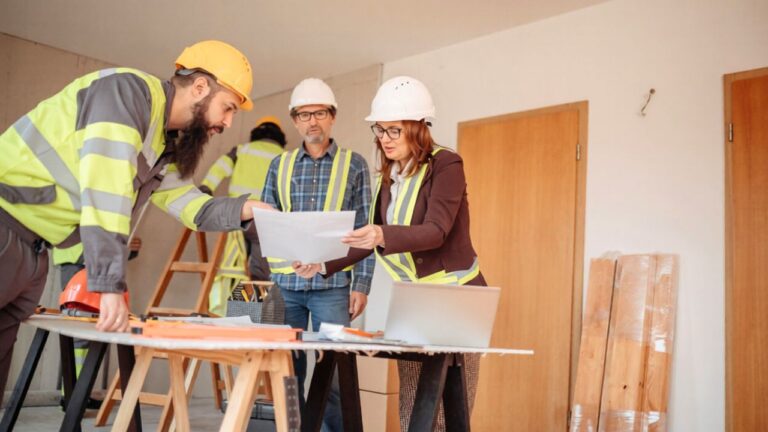
Inspectors walking into an aging home do not start with the charming trim or original hardwoods. Their eyes go straight to the systems and surfaces that reveal how safely the structure has handled decades of use. Within minutes, they are scanning for clues that point to hidden costs, from structural movement to outdated wiring and moisture damage. Understanding what they see first helps you spot problems earlier and prioritize repairs before they derail a sale or your budget.
Instead of treating an older property as a mystery box, you can learn to read it the way a professional does. The same red flags that show up in formal reports are visible to any careful buyer or owner who knows where to look and what those details really mean.
Foundation movement and structural red flags
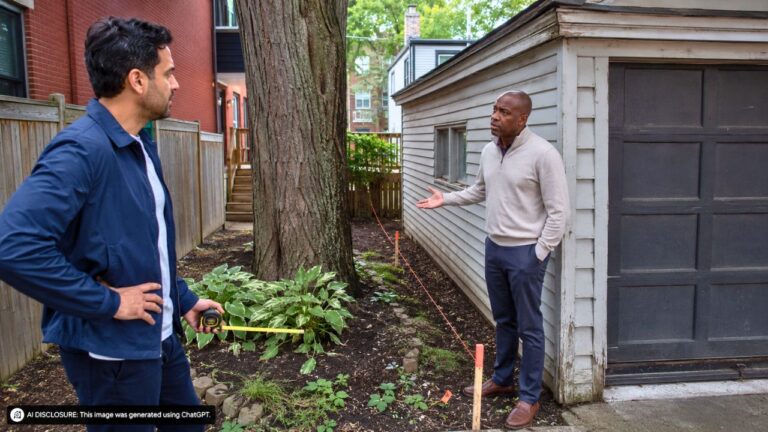
For an inspector, the story of an older home starts with how it meets the ground. Subtle shifts in the Foundation can signal serious structural issues that are expensive to correct and can affect every other system in the building. You will see inspectors pause at exterior corners, scan along the base of walls, and study any visible concrete or masonry for cracks that widen, step, or change direction, all of which can indicate that the house is settling unevenly rather than simply aging. Inside, they connect those exterior clues to sticking doors, sloping floors, or gaps between trim and walls, which are classic signs that the structure is moving instead of resting in place.
Professionals treat these patterns as part of what one expert describes as Structural and Foundation Issues, not cosmetic flaws. When those cracks combine with poor drainage, such as soil sloping toward the house or gutters dumping water at the base of walls, inspectors see a double warning: the structure has already been stressed and the conditions that caused it are still active. That is why Key Takeaways from inspection data consistently put foundation cracks, drainage problems, and structural shifts at the top of the list of reasons homes fail. In an older property, those early observations often determine whether the rest of the inspection is about routine maintenance or about negotiating around a major repair.
Roof, moisture and hidden mold
Once inspectors are satisfied the house is standing properly, their attention jumps upward to the roof and any signs of water intrusion. Aging shingles, missing flashing, and soft spots around chimneys or vents are not just maintenance notes, they are potential entry points for leaks that can quietly damage framing and insulation. Reports on common inspection failures highlight Roof damage as a leading reason older homes stumble in the process, because a compromised roof often means there is already hidden deterioration below the surface.
Inside, inspectors follow the water trail. They scan ceilings for stains, check around windows and in basements for efflorescence or damp patches, and pay close attention to bathrooms and kitchens where plumbing and poor ventilation intersect. Specialists who focus on older properties emphasize the need to Check for Hidden Mold Colonies, especially in homes that have seen multiple owners and patchwork repairs. Insurance inspections also flag Mold or mildew as a key risk factor, because it affects both health and insurability. In an aging home, a faint musty odor in a closet or a slightly discolored baseboard can be the first hint of a much larger moisture problem that an inspector will not ignore.
Outdated electrical and basic safety systems
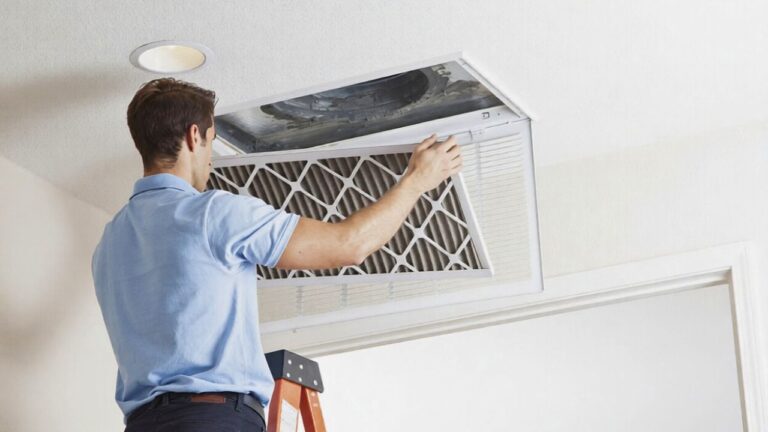
Even if the structure and shell look solid, inspectors in older homes quickly turn to the wiring and safety basics that protect you from fire and shock. Many properties built before modern power demands were never designed for central air conditioning, multiple televisions, or a kitchen full of high wattage appliances. As one specialist on older properties notes in a section labeled Electrical System Woes, Many older homes still rely on outdated panels, limited circuits, or ungrounded outlets that are not compatible with current safety expectations. Inspectors test outlets, open service panels, and look for signs of amateur modifications, because overloaded or improperly altered systems are a common source of both inspection failures and insurance concerns.
At the same time, they are checking the most basic life safety features. Guidance on what inspectors always look for emphasizes Basic safety items such as smoke alarms, carbon monoxide detectors, and proper handrails, regardless of the home’s age. In older properties, those elements are often missing, outdated, or installed in the wrong locations. Professionals who focus on senior living environments stress that One of the biggest concerns is eliminating hazards that can cause Falls, which means inspectors are also watching for loose stair treads, poor lighting, and missing grab bars. In a historic or simply older home, those safety upgrades are rarely original, so their presence or absence tells an inspector a lot about how thoughtfully the property has been modernized.
Historic quirks, materials and environmental risks
When a home is not just old but truly historic, inspectors know to slow down. Guidance for these properties advises that The Inspection should Set aside extra time, because you are dealing with unfamiliar construction methods, layered renovations, and materials that may no longer be standard. Inspectors are alert to environmental items inside and outside the house, including older paints, insulation types, and site conditions that can affect air quality and safety. They also pay attention to how original features, such as plaster walls or antique windows, have been maintained or altered, since poorly executed updates can create new problems while trying to solve old ones.
In these homes, you are often learning new things about how the building was assembled at the same time the inspector is. Guidance aimed at buyers of older properties notes that Inspecting Old Homes can reveal The Secrets You Might Uncover, from concealed moisture damage behind decorative paneling to improvised structural fixes hidden in attics and crawl spaces. Inspectors are trained to be alert to these surprises, but they also recognize that some quirks are simply part of the building’s character rather than a defect. The key distinction, and what they are assessing in those first minutes, is whether the historic charm is supported by sound construction or masking conditions that could become serious safety or financial liabilities.
Aging in place, trip hazards and insurance eyes
As more owners plan to stay in their homes longer, inspectors are increasingly looking at aging properties through the lens of long term livability. Specialized evaluations described as What Is an Aging in Place Home Safety Inspection use an audit approach to review both the condition of the property and the everyday risks it presents. Experts who focus on seniors emphasize that One of the biggest concerns is preventing Falls, which means inspectors immediately notice loose rugs, uneven thresholds, narrow stairways, and cluttered entry points where someone might struggle to manage keys and belongings. They also look at outlet placement, lighting levels, and bathroom layouts to judge how easily the space can be used by someone with limited mobility.
Insurance companies bring a similar but financially focused perspective when they send someone to evaluate an older home. Guidance on How to prepare for a home insurance inspection notes that the inspector may arrive with little notice and will be looking for conditions that increase the likelihood of claims, from deteriorated roofs and railings to visible mold or mildew. They are not just checking boxes, they are deciding how risky the property is to insure and at what price. When you combine that perspective with the safety focus of aging in place specialists and the structural priorities of traditional inspectors, a clear pattern emerges. In an aging home, the first things professionals notice are the ones that affect whether the building is safe to live in, practical to maintain, and viable to insure, long before anyone comments on the charm of the original woodwork.
Like Fix It Homestead’s content? Be sure to follow us.
Here’s more from us:
- I made Joanna Gaines’s Friendsgiving casserole and here is what I would keep
- Pump Shotguns That Jam the Moment You Actually Need Them
- The First 5 Things Guests Notice About Your Living Room at Christmas
- What Caliber Works Best for Groundhogs, Armadillos, and Other Digging Pests?
- Rifles worth keeping by the back door on any rural property
*This article was developed with AI-powered tools and has been carefully reviewed by our editors.