The hidden danger behind finished walls
Photo credit: Studio Romantic/Shutterstock.com
Behind every freshly painted wall and neatly tiled bathroom, there is a layer of your home you rarely see and almost never think about. That hidden space can quietly collect moisture, dust, and aging materials that turn a cosmetic project into a genuine health risk. The danger behind finished walls is not just about surprise repair bills, it is about what you and your family may be breathing, touching, and living with every day.
What really hides behind “finished” walls
When you look at a smooth sheet of drywall, you are seeing only the final skin of a much more complicated system of framing, wiring, plumbing, insulation, and air gaps. If any part of that system fails, problems can spread out of sight for years before you notice a stain or a soft spot. Inspectors who specialize in hidden home hazards describe finding everything from slow plumbing leaks to rodent tunnels and crumbling insulation inside walls that looked perfectly normal from the living room side, which is why a detailed inspection is often recommended before major remodeling.
Those concealed layers also tend to trap what you cannot see in the air. Dust from deteriorating materials, spores from unseen mold, and fibers from old insulation can accumulate in cavities and then escape through tiny cracks, outlets, or holes in floors and ceilings. Guidance on hidden home hazards notes that you might never spot these issues directly, yet they can still affect indoor air quality and aggravate asthma or allergies long before any visible damage appears.
Moisture, mold, and the myth of a “dry” basement
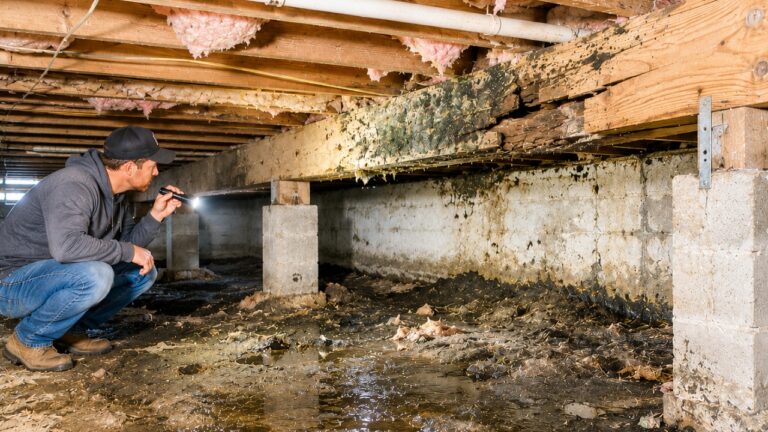
Water is the most common trigger for trouble behind walls, especially where concrete, wood, and insulation meet. Even if your basement floor looks dry, moisture can seep through foundation walls and become trapped behind finished framing, particularly when studs and drywall are installed directly against concrete. Specialists who document finished basement walls warn that this design leaves no room for air circulation, so any condensation or minor seepage can soak into insulation and studs, creating a perfect environment for mold growth that you will not see until it is advanced.
Similar problems show up behind exterior siding. When cladding is installed without proper flashing or drainage gaps, rainwater can slip behind the boards and stay there, rotting sheathing and feeding mold that eventually migrates indoors. Reporting on moisture problems behind siding links these hidden leaks to structural damage and degraded air quality, especially when gaps, poor flashing, or clogged drainage channels let water in but do not let it back out.
Mold colonies you never see (until it is too late)
Once moisture is present, mold does not need much encouragement to spread behind walls, under floors, and around window openings. You may only notice a few discolored spots on paint or caulk, but those surface clues can be the tip of a much larger colony feeding on drywall paper and wood framing. A widely shared warning from Jun about Mold points out that these organisms often hide behind walls and floors, where they are hard to detect and can release spores into the air even when the visible surface looks minor.
Bathrooms and basements are especially vulnerable because they combine frequent humidity with limited ventilation. Guidance on Mold and Mildew Exposure in bathrooms notes that once you start pulling off tiles or removing old backer board, you may uncover extensive mold that has been thriving behind the waterproof finishes. Community discussions about black mold emphasize that a musty smell or subtle staining can signal a much larger hidden problem, and that disturbing these areas without proper protection can release a concentrated burst of spores into the room.
Old materials, new health risks
Not every threat behind your walls is alive. Many older homes still contain legacy materials that were once standard and are now known to be hazardous when disturbed. Asbestos is a prime example. It can be present in insulation, joint compounds, or attic materials that sit quietly for decades until a renovation cuts into them. Reporting on attic hazards explains that Asbestos, While it may not actively harm people if it remains intact, becomes dangerous when fibers are released, since inhalation is linked to serious lung disease that can appear many years later.
Old paint is another sleeper risk, especially in homes built before modern regulations restricted lead content. That faded, cracking coating on your walls or trim may look purely cosmetic, but guidance on Old Paint Might Be Hiding Something Dangerous notes that deteriorating layers can contain lead that becomes hazardous when sanded, scraped, or pulverized into dust. Once airborne, those particles can settle on floors and toys, where children are especially vulnerable to exposure that can cause serious health problems if the paint is disturbed without proper containment.
DIY demolition and the dust you breathe
Home improvement shows often make demolition look like the fun, easy part of a project, but tearing into finished walls is where many hidden hazards are first released. When you cut or smash drywall, you create fine dust that can carry not only gypsum but also residues from old joint compounds, paint, and any contaminants that settled on the surface over time. Safety guidance on home demolition highlights drywall dust as a particular concern, noting that it can irritate lungs and eyes and is easily spread throughout a house by air currents and HVAC systems if not contained.
Bathrooms add another layer of risk when you start pulling down tile or shower walls. Advice on Bathrooms explains that moisture-prone spaces often hide mold and mildew behind seemingly solid finishes, so demolition can suddenly expose you to spores and bacteria that were previously sealed away. Broader guidance on Potential Hidden Dangers in home renovation warns that disturbing older materials can also release toxic substances, with lasting effects on wellbeing if you work without proper respiratory protection, containment, and cleanup practices.
Like Fix It Homestead’s content? Be sure to follow us.
Here’s more from us:
- I made Joanna Gaines’s Friendsgiving casserole and here is what I would keep
- Pump Shotguns That Jam the Moment You Actually Need Them
- The First 5 Things Guests Notice About Your Living Room at Christmas
- What Caliber Works Best for Groundhogs, Armadillos, and Other Digging Pests?
- Rifles worth keeping by the back door on any rural property
*This article was developed with AI-powered tools and has been carefully reviewed by our editors.