Why older homes demand different upkeep rules
Photo credit: Susan Law Cain/Shutterstock.com
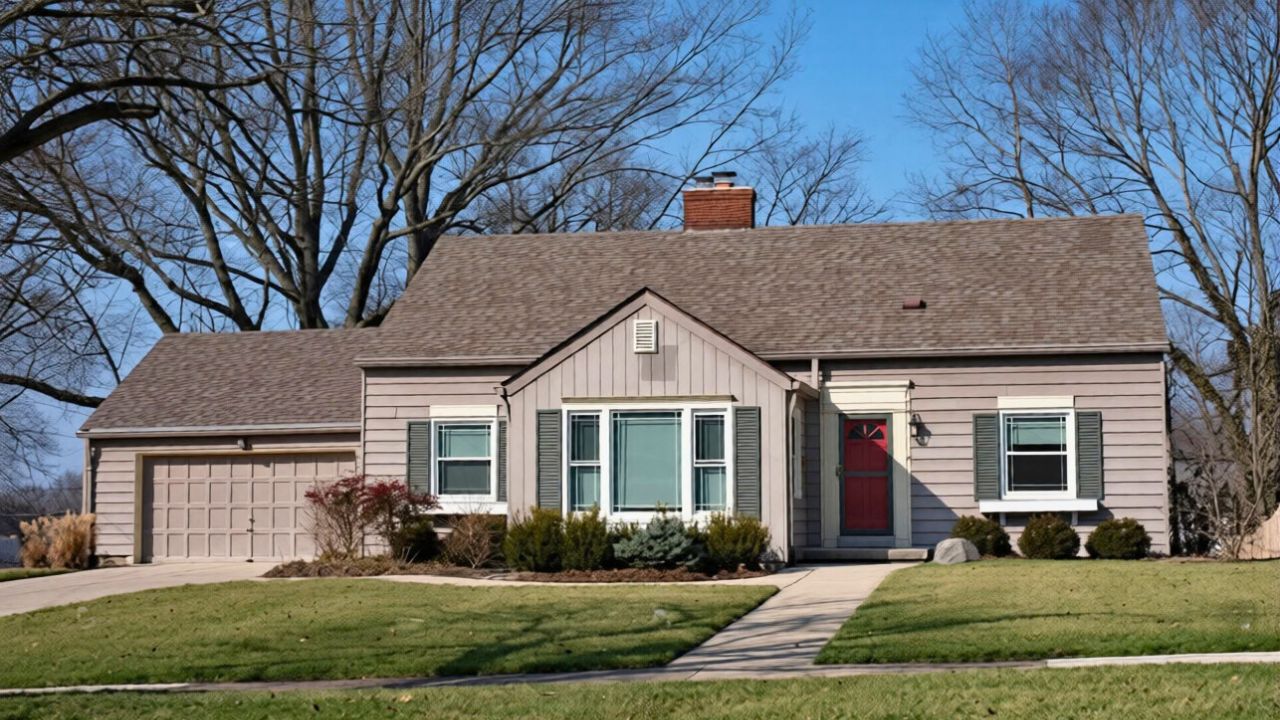
Across the United States, the typical house is no longer fresh construction but a veteran of several decades of weather, wear, and quick fixes. As properties age, the rules for keeping them safe and livable shift from light-touch upkeep to a more strategic, preventive mindset. If you own or are eyeing an older home, you are not just buying character, you are inheriting a set of maintenance obligations that look very different from those of a new build.
Understanding why older homes demand their own playbook can help you budget realistically, prioritize the right projects, and avoid turning a charming property into an expensive money pit. The differences start with the bones of the building and extend all the way to your insurance bill.
The aging bones problem: why wear and tear compounds
Every house has a finite lifespan for its core components, and once a property crosses a few decades, those lifespans start to converge. Roofs, plumbing, wiring, windows, and foundations all age at once, which is why older homes often face stacked repair needs rather than isolated fixes. Reporting on Aging Homes notes that the median home in the U.S. is more than 40 years old, and expert Erb points out that many of these properties rely on older systems that require more frequent attention and do not always align with current building codes. That reality helps explain why annual maintenance costs can now exceed $10,000 for some owners, especially when deferred repairs finally come due.
By contrast, new construction tends to cluster big expenses further into the future, which is why analyses of the Costs of Old and New Houses at a Glance consistently find that Older houses typically incur higher maintenance and repair bills, while New homes trade higher upfront prices for lower early upkeep. Owners of century properties echo this pattern in first hand accounts, where one homeowner with a 62 year old house notes in a Comments Section that the structure’s “bones” are solid but ongoing repairs are part of the deal. The core lesson for you is that age multiplies maintenance, even when the underlying construction is sound.
Outdated systems, modern safety standards
Older homes were built to the rules and technology of their time, which can leave you juggling safety upgrades alongside routine repairs. Electrical systems are a prime example. Guidance on Electrical Wiring in older properties warns that legacy circuits may not meet modern safety standards, and Outdated wiring can pose significant fire risks if it is overloaded by today’s appliance heavy lifestyles. Similar gaps show up in plumbing, where galvanized pipes corrode, and in structural elements that were never designed for current seismic or wind codes.
Newer construction avoids many of these pitfalls by starting with up to date materials and code compliant layouts, which is why new home buyers are often told they can expect greater efficiency and fewer surprise expenses from a newly built property. That does not mean an old house is inherently unsafe, as long running structures can be remarkably resilient when properly maintained, a point underscored in reporting that notes, To the contrary of popular fears, age alone rarely makes a house collapse. The real issue for you is whether critical systems have been updated to what is acceptable by today’s safety standards, or whether you are inheriting decades of patchwork fixes that now need a comprehensive overhaul.
Hidden structural and moisture risks
Beyond visible wear, older homes often conceal structural and moisture problems that only surface during major work or after a failure. Renovation specialists stress that verifying the foundation is one of the most critical steps when you buy an older property, since hidden cracks, settling, or water intrusion can drive some of the costliest repairs. Guidance on common problems in remodeling older homes highlights foundation integrity, drainage, and basement moisture as recurring trouble spots that can lead to mold and long term structural damage if ignored.
Owners of very old properties describe how this plays out in practice. In one discussion about a Victorian era house, Many contractors reportedly suggested tearing out original redwood elements and replacing them with concrete, arguing that modern materials would be easier to maintain. Another homeowner who bought a 100 plus year old property admits, But they proceeded anyway, valuing the mature trees and established neighborhood that come with an Old house. For you, the takeaway is that structural and moisture issues in older homes are rarely quick fixes, and decisions about preserving original materials versus replacing them can significantly change both cost and character.
Why your budget and insurance look different
Because older homes face more frequent and complex repairs, the standard budgeting shortcuts often fall short. A common rule of thumb for typical single family properties is the “1%” guideline, where The Balance suggests the 1% Rule, meaning you set aside 1 percent of your home’s purchase price for annual maintenance. However, specialists caution that the purchase price does not always reflect true upkeep needs, especially for aging properties, and note that However you may need to budget more when systems are near the end of their life. Real world checklists for buying a house that is more than 40 years old urge you to ask, Here, How old are the major mechanicals like the Furnace and air conditioner, and what is the condition of the Sewer line, because each of these can represent a five figure surprise.
Insurance pricing also reflects the extra risk that comes with age. Analyses of Homes and their insurance rates explain that older houses often cost more to insure because their materials are harder to replace and their systems are more likely to fail, which increases the chance and size of claims. By comparison, Homeowners Insurance on new construction can be cheaper, with some estimates suggesting that Insurance for new homes may cost up to a third less than for comparable older properties. When you add in the higher energy bills that often come with drafty windows and less efficient systems, it becomes clear that the financial rules for an older home extend well beyond the repair line in your spreadsheet.
Maintenance mindset: from reactive fixes to proactive care
Given these pressures, the most important shift you can make with an older home is mental. Instead of treating maintenance as a series of emergencies, you need a proactive plan that anticipates age related failures. Guidance aimed at Homeowners with Older Properties stresses that Aging systems and materials require consistent monitoring to prevent deterioration, which is why annual inspections and regular roof, gutter, and foundation checks are not optional extras but core parts of ownership. Broader advice on how aging homes require a different maintenance approach emphasizes moisture control, from keeping exterior drainage clear to addressing small leaks quickly, as a way to protect interiors, prevent mold, and extend the life of the structure.
At the same time, you should be realistic about what maintenance can and cannot do. Some older homes were built with materials or layouts that no longer make sense under current standards, and experts on why some Homes need a fresh start note that Electrical systems, plumbing, and safety codes have changed so much that incremental fixes are no longer cost effective. That is why some buyers ultimately choose new construction, citing in one Apr discussion that, Personally, they prefer being the first occupant of a newly built home with modern systems. Even then, you should not assume a new property is maintenance free, as myth busting advice points out that While modern builds are constructed to higher standards, they still need regular care to prevent minor issues from becoming major problems.
Like Fix It Homestead’s content? Be sure to follow us.
Here’s more from us:
- I made Joanna Gaines’s Friendsgiving casserole and here is what I would keep
- Pump Shotguns That Jam the Moment You Actually Need Them
- The First 5 Things Guests Notice About Your Living Room at Christmas
- What Caliber Works Best for Groundhogs, Armadillos, and Other Digging Pests?
- Rifles worth keeping by the back door on any rural property
*This article was developed with AI-powered tools and has been carefully reviewed by our editors.