The fix homeowners regret most
Photo credit: Urbazon/istock.com
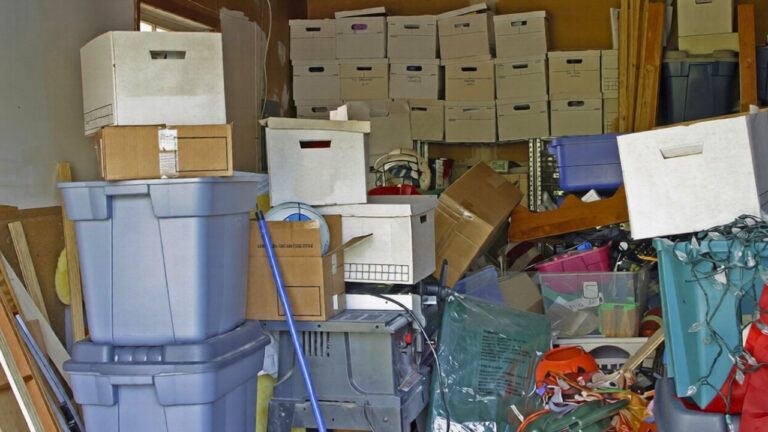
Across the country, you hear the same story from new owners who thought they were making a smart move: the project they were most excited about is the one they now wish they had never started. When you strip away the emotion and look at the data, one pattern keeps surfacing. The “fix” homeowners regret most is not a trendy backsplash or the wrong paint color, it is taking on a property, or a renovation, without fully grasping the true cost and grind of ongoing maintenance.
Regret tends to show up later, when the bills stack up and the shine wears off. By then, you may have already poured savings into upgrades that do little for your comfort or resale value while neglecting the unglamorous work that actually protects your investment. Understanding how and why that happens is the first step to avoiding the same trap.
The real top regret: underestimating maintenance
When you look at what owners say after the dust settles, the clearest throughline is not layout, location, or even price, it is the burden of upkeep. A spring survey from Bankrate found that costlier than expected maintenance was the biggest purchase regret for 42% of homeowners, putting routine and surprise repairs ahead of almost every other complaint. Another national snapshot reported that 45% of American homeowners have regrets about buying at all, with maintenance costs and hidden fees cited as the number one issue.
Those numbers are not abstract. Owners talk about needing to replace a roof, repair aging plumbing, or deal with a failing HVAC system, all within a few years of closing, and often without enough cash set aside. Analysts like Mark Hamrick of Bankrate have warned that these costs pile up quickly, especially when you are already stretched by a high purchase price. When nearly half of owners in separate surveys say they have at least one major regret about their home, and maintenance costs consistently top that list, it is hard to escape the conclusion that the most painful “fix” is buying or renovating without a realistic plan for what it will take to keep the place running.
How surprise issues turn a dream home into a money pit
Regret often starts before you even pick up a hammer. Many buyers discover only after moving in that the property has problems that were not obvious during showings. Research on buyer remorse has found that a large share of recent purchasers ran into surprise property issues, and that a home requiring too much maintenance is a major driver of dissatisfaction. In the same work, the second most common reason for regret was that the home did not meet all their needs, with 24% of buyers saying they realized too late that the layout, size, or features were wrong for their lifestyle.
Personal accounts echo the data. In one widely shared story, a first time owner said they trusted the seller’s assurances that everything was in good shape, only to learn later that a sewer line had to be dug up at significant cost, a classic example of how hidden defects can turn into budget breaking repairs. Collections of homeowner stories gathered earlier this year are full of similar themes, from undisclosed moisture problems to aging electrical systems that needed immediate upgrades after closing. When you combine those surprise repairs with a house that never truly fit your daily routines, the “fix” you regret most can be the purchase itself, especially if you stretched financially to make it happen.
The silent cost of delaying basic upkeep
Even if your inspection was solid and the house fits your life, you can still back yourself into a corner by putting off routine work. A national survey titled Nearly a Third of Homeowners Regret Delaying Maintenance, and Want To Do Better found that nearly a third of owners specifically regret waiting too long on basic tasks. The top three regrets in that research focused on things like ignoring small leaks, skipping regular HVAC service, and letting minor exterior damage linger until it became structural. In other words, the work you postpone because it feels boring or non urgent is exactly what comes back to haunt you.
Separate reporting on homeowner regrets has reached the same conclusion. One investigation into purchase remorse noted that maintenance costs top the list of complaints, and that the best defense is to prioritize emergency savings and a regular upkeep schedule. When you delay, small issues like clogged gutters, hairline foundation cracks, or slow drains can evolve into roof leaks, water intrusion, and sewer backups that cost thousands to fix. At that point, you are not just paying for repairs, you are also paying for the earlier decision to treat maintenance as optional.
When flashy upgrades backfire on value
While neglecting maintenance is the most common and costly regret, a close second is pouring money into the wrong kind of renovation. Design professionals have been warning that some of the most Instagram friendly projects can actually drag down resale value or make your home harder to sell. A breakdown of nine renovations that can devalue your home highlights classic missteps, such as installing a large custom swimming pool that dominates a small yard, or highly personalized built in features that future buyers see as expensive to remove. Another guide to Home Improvements That Rarely Pay for Themselves Some points out that luxury finishes, over the top landscaping, and niche hobby rooms often fail to recoup their cost and can even reduce value in certain markets.
Video explainers on Top Home Upgrades to Avoid, framed around how to Save Money and Avoid Regrets, flag common traps like gourmet outdoor kitchens that sit unused most of the year, or spa style bathrooms that require constant cleaning and specialized repairs. Other analyses of Built In Electronics warn that elaborate built in speakers, media walls, and custom lighting systems can age quickly and turn off buyers who prefer flexible, wireless setups. When you invest heavily in these kinds of projects while leaving aging systems or basic finishes untouched, you risk ending up with a house that looks impressive in photos but feels dated, high maintenance, and out of step with what the next owner actually wants.
Design choices that age badly
Even when you are not knocking down walls, smaller style decisions can create long term frustration. Recent design commentary has highlighted the “biggest design regrets” that owners report after living with their choices for a few years. One widely shared breakdown noted that, as the New year begins, Some of the most popular updates, like all white interiors with little storage, wall to wall open shelving, or ultra dark paint in small rooms, can lower perceived value or make spaces feel less livable. The core issue is not that these ideas are inherently bad, it is that they often ignore how you actually use your home day to day.
Homeowner stories collected earlier this year reinforce that point. People talk about ripping out bathtubs for giant showers only to miss having a tub for kids, pets, or resale, or removing closets to create “minimalist” lines and then scrambling for storage. Others regret choosing high maintenance materials that stain, chip, or scratch easily, turning every dinner party into a stress test for their countertops and floors. When you chase a look without considering function, you create a different kind of fix to regret later, one that may not be as expensive as a new roof but still costs real money and energy to undo.
Like Fix It Homestead’s content? Be sure to follow us.
Here’s more from us:
- I made Joanna Gaines’s Friendsgiving casserole and here is what I would keep
- Pump Shotguns That Jam the Moment You Actually Need Them
- The First 5 Things Guests Notice About Your Living Room at Christmas
- What Caliber Works Best for Groundhogs, Armadillos, and Other Digging Pests?
- Rifles worth keeping by the back door on any rural property
*This article was developed with AI-powered tools and has been carefully reviewed by our editors.