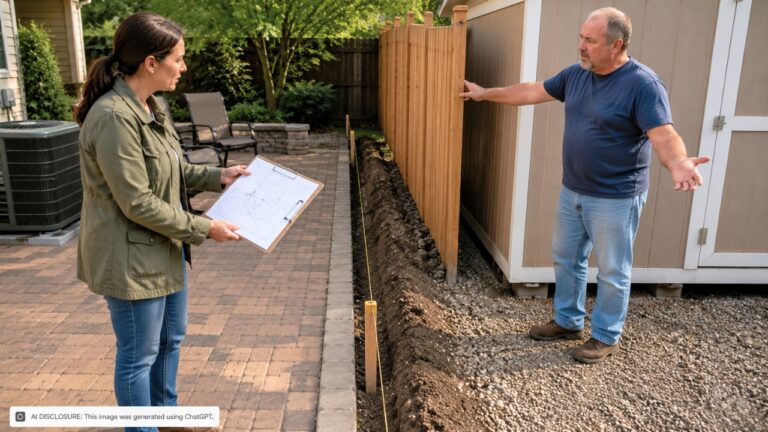
The home repair record insurers ask for but homeowners rarely keep
Photo credit: Baru Cameragirl/Shutterstock.com
Insurers increasingly expect you to keep a meticulous paper trail of what happens to your house, from emergency fixes to long planned upgrades. Yet the one record that can make or break your next claim, a clear history of repairs and improvements, is the one most homeowners never assemble until it is too late. Treating that history as a living file, not an afterthought, can protect your coverage, your premiums, and your ability to recover after a disaster.
Instead of thinking of documentation as something you scramble to produce after a storm or leak, you are better off treating every repair invoice, contractor estimate, and set of photos as part of a permanent dossier on your home. When you do, you are speaking the language your insurer and its data vendors already use to judge your risk, and you gain leverage in a system that quietly keeps score on your claims for years.
Why insurers care about a repair history you rarely see
Behind every homeowners policy sits a network of data that tracks how often you file claims and what kind of damage your property has suffered. Insurers feed those details into specialty databases such as the Comprehensive Loss Underwriting, which functions like a credit bureau for property losses. Your file can influence whether a company will write you a policy at all, how much you pay, and how it views any new claim that comes in.
What those systems do not automatically capture is whether you actually fixed the problems that led to earlier claims, or whether you invested in upgrades that reduce future risk. That is where your own repair record becomes critical. If you can show that you replaced a roof, upgraded old plumbing, or remediated water damage properly, you are not just proving that past claims were resolved, you are giving the insurer a reason to treat your home as less risky than the raw loss history might suggest.
The quiet shift toward mandatory home fixes
In many markets, you are no longer dealing with a passive insurer that simply waits for claims. Carriers are increasingly telling policyholders to make specific repairs or upgrades as a condition of keeping coverage, especially in regions facing severe weather and high rebuilding costs. Guidance aimed at homeowners notes that Most people are surprised to learn that ignoring those directives can lead to nonrenewal or tougher terms the next time you file.
Those demands are not abstract. Reporting on current market practices explains that carriers are asking you to replace aging roofs, repair damaged siding, or swap out outdated systems to reduce the likelihood of a claim, and that these requests Often arrive shortly before renewal, with a specific list of items the company wants addressed. If you comply but do not keep a clear record of what you did and when, you lose the ability to prove that you met those conditions if a future adjuster or underwriter questions the state of your home.
What your insurer expects you to keep after a claim
Once you have lived through a burst pipe or kitchen fire, it is tempting to toss the paperwork as soon as the contractor leaves. Insurers, however, expect you to maintain a detailed archive of what was damaged and how it was repaired. Checklists for policyholders emphasize that you should Provide detailed item descriptions, including the Brand, model, age, and condition of damaged items, and then Gather purchase receipts for damaged property and any documentation for jewelry, art, or collectibles.
When the loss involves the structure itself, you are also expected to hold on to contractor estimates, invoices, and proof that the damage came from a covered event. Guidance for homeowners spells out that Yes, In Some Situations, you will be asked for a written contractor estimate, Invoices and receipts, and Proof the damage resulted from a covered event. If you cannot produce those records years later, you may struggle to show that the repairs were done properly or that you did not pocket part of the claim payout.
The overlooked file: proof you actually fixed the damage
Insurers do not just care that you were paid for a loss, they care that the underlying problem is no longer a threat. That is why specialists urge you to keep a dedicated file of proof that repairs were completed after a Homeowners Claim, not just the initial claim paperwork. Advice directed at policyholders stresses the Importance of Keeping after a Homeowners Claim, including a record of improvements you have made to your property.
That same guidance drills down into the basics: you should Maintain Receipts for, Retain receipts for all materials and labor, and store any completion certificates or inspection reports. Parallel versions of the advice repeat that The Importance of Keeping Proof of Repairs after a Homeowners Claim is not just about one incident, it is about building a long term record that shows you consistently fix what breaks, which can be invaluable if a later adjuster suspects pre existing damage or deferred maintenance.
How poor records can sink a supplemental or repeat claim
The risk of a thin paper trail becomes painfully clear when you need to reopen a claim or seek additional funds. Attorneys who work with policyholders describe how, after events like Hurricane Wilma, they received a wave of calls from homeowners and public adjusters whose supplemental claims were failing because they could not document what they had already spent. One detailed account warns that Hurricane Wilma claimants were being tripped up simply because they had not kept every invoice and receipt from time to time.
The lesson is blunt: if you cannot show exactly what you paid to repair earlier damage, your insurer can argue that you were already fully compensated and deny any supplemental request. That same warning is repeated in a second analysis of how Failure To Keep A Record Of Repair Expenses May Lead To problems with your supplemental claim, which again cites Hurricane Wilma and notes that While you might assume the insurer has its own records, the burden often falls on you to prove every dollar you spent.
Why photos and videos belong in your permanent home file
Paper receipts and estimates tell only part of the story. Visual evidence of what your home looked like before and after a loss can be just as important, especially when you are dealing with water, smoke, or mold. Legal guidance on water damage stresses that Photographs and Videos are One of the most important forms of documentation you can provide, because they capture the extent of the loss and any deterioration resulting from the water exposure.
That advice is echoed in broader property damage checklists, which describe how you should follow a Step 2 directive to Take Detailed Photographs of every affected area. Visual documentation is described as imperative in property damage claims, with a recommendation to include the date and time on the pictures so there is no dispute about when they were taken. If you store those images alongside your invoices and receipts, you create a narrative that shows not only that you repaired the damage, but also that the work addressed the full scope of the problem.
Home improvements that quietly change your risk profile
Not every entry in your repair record has to start with a disaster. When you remodel a kitchen, replace windows, or install a new roof, you are changing both the value of your home and the way insurers view its risk. Specialists in coverage planning advise you to treat these upgrades as insurable events in their own right, and to capture What to Document, including Detailed descriptions of the improvements, Dates of completion, Costs of materials and labor, and Copies of contracts or permits.
That guidance is repeated in a second breakdown of documenting home upgrades, which again highlights that you should keep Detailed notes on the work, record the Dates of completion, and track the Costs of every component so you can prove the new replacement value of your property. A parallel version of the same advice underscores that Detailed records of Dates of and Costs of improvements can help you secure appropriate limits and avoid being underinsured if a major loss occurs.
How long your claims follow you, and why proof of repairs matters
Even after the last contractor leaves, your claim does not disappear from the industry’s memory. Guidance for homeowners explains that Once the claim has been settled, repairs have been finished and items have been replaced, you may believe that the claim is complete, but insurers can still use that history to raise your rates, decline to renew, or even deny a future claim. One breakdown notes that Once the claim is on your record, it can influence how a company views any new loss.
Separate consumer guidance quantifies that impact, explaining that How long a Home insurance claim stays on your record is typically between five and seven years, and that repeated claims during that window can trigger higher premiums or coverage restrictions. If you can show that you fully repaired earlier damage and invested in improvements, you are in a stronger position to argue that your risk has changed, even if the raw claim count in a database has not.
Building the repair record insurers wish you had
Turning your scattered paperwork into the kind of record insurers quietly expect does not require specialized software, but it does require discipline. Start by creating a single digital and physical folder for every incident and project, and drop in estimates, invoices, photos, and inspection reports as you go. When you file a claim, follow the same structure that legal and insurance checklists recommend: Photographs and Videos, One of the most important forms of documentation, should sit alongside your receipts and contractor paperwork so you can reconstruct the full story years later.
Then, treat every improvement as part of that same narrative. When you upgrade a system or finish a renovation, capture the What to Document guidance by saving Detailed descriptions, Dates of completion, and Costs of materials and labor in a dedicated file, as outlined in the Dates of and Costs of documentation advice. If you also follow the Step 2 recommendation to Take Detailed Photographs and Videos of the finished work, as described in Step based claim guides, you will have the kind of comprehensive home history that can shorten disputes, support supplemental claims, and help you negotiate with an insurer that already keeps its own quiet scorecard on your property.
Like Fix It Homestead’s content? Be sure to follow us.
Here’s more from us:
- I made Joanna Gaines’s Friendsgiving casserole and here is what I would keep
- Pump Shotguns That Jam the Moment You Actually Need Them
- The First 5 Things Guests Notice About Your Living Room at Christmas
- What Caliber Works Best for Groundhogs, Armadillos, and Other Digging Pests?
- Rifles worth keeping by the back door on any rural property
*This article was developed with AI-powered tools and has been carefully reviewed by our editors.