The documentation step that protects homeowners during disputes
Photo credit: Miodrag Ignjatovic/istock.com
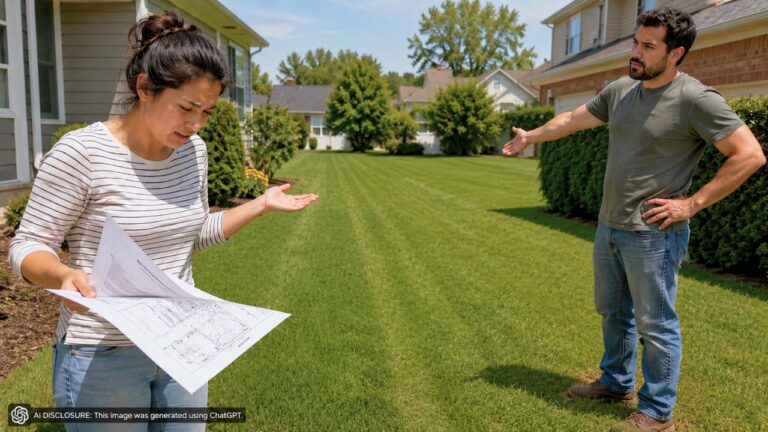
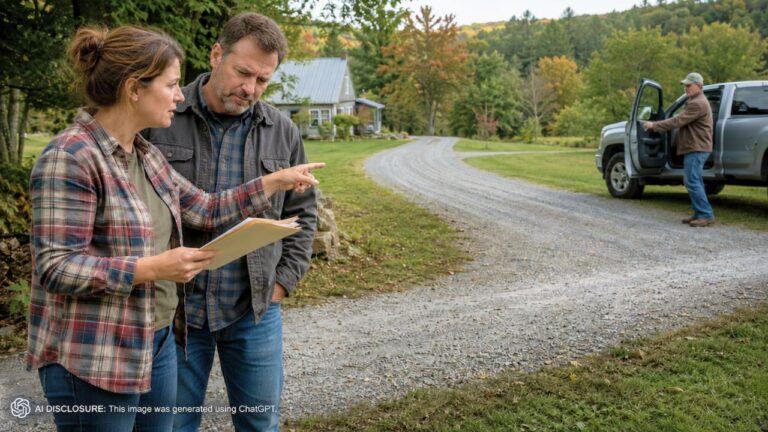
When a home dispute turns adversarial, the side with the clearest paper trail usually controls the narrative. The single most powerful step you can take to protect yourself is to document every promise, problem, and payment in a way that can stand up to scrutiny. Done right, that habit turns a stressful conflict into a fact-driven process where your rights are far harder to ignore.
Instead of scrambling for emails and photos after a leak, crack, or rule violation spirals, you can build a living record from the first sign of trouble. That record is what judges, arbitrators, insurers, and even homeowners association boards rely on when they decide who is credible and who is not.
Why documentation is your real insurance policy
In any home dispute, you and the other side are telling competing stories about what happened, when it happened, and who is responsible. Documentation is the step that turns your version from a story into evidence. Detailed notes, photos, contracts, and correspondence show patterns over time, reveal broken promises, and anchor your memory to specific dates and facts instead of vague impressions.
Lawyers who work with homeowners repeatedly stress that thorough records are your best protection in negotiations or in court, whether you are dealing with a contractor, an insurer, or an association board. In construction conflicts, for example, one firm describes how thorough documentation can shape the outcome of litigation by showing exactly what work was promised and what was delivered. The same logic applies when you are arguing over a denied claim or a violation letter: the better your records, the harder it is for anyone to rewrite the past.
The core habit: document everything, from day one
The most important shift is mental, not technical. You treat every significant interaction about your home as something you may need to prove later. That means you stop relying on hallway conversations, quick phone calls, or verbal assurances and instead create a written record of what was said, what was agreed, and what you observed. You do not wait for a dispute to explode before you start writing things down.
Attorneys who advise owners in association conflicts explicitly urge you to document everything once tensions surface with a board. That same discipline applies when you notice construction defects or receive a confusing insurance letter. Each time you see a crack widen, a leak reappear, or a deadline slip, you add a dated note or image to your file. Over weeks and months, those small entries become a timeline that can be shared with a lawyer, an adjuster, or a mediator without relying on your memory.
Building a dedicated dispute file that actually works
Once you commit to documenting, structure is what makes your material usable. A dedicated dispute file, whether physical, digital, or both, keeps everything in one place so you can find it quickly and show it to others without hunting through old inboxes. At a minimum, you should group contracts, change orders, invoices, photos, letters, emails, text message screenshots, and your own notes into clearly labeled folders tied to the specific issue or project.
Guidance for association conflicts recommends that you maintain a dedicated and organize all association documents, correspondence, and notes of conversations with HOA representatives in one system. The same approach works for any dispute: you create a central hub for the problem, then add visual evidence like photographs or video clips to show damage, repairs, or unsafe conditions. When the time comes to explain your position, you are not just telling a story, you are opening a well-organized dossier.
Turning conversations into written proof
Most home disputes are born in conversations, not contracts. A board member tells you a fine will be waived, a contractor promises to fix a leak at no charge, or an adjuster assures you that a claim is covered. If those assurances stay verbal, they are almost impossible to enforce. Your job is to convert every important conversation into something written that you can point to later.
One practical way to do that is to send a short follow up email or text that recaps what you understood, such as, “Thank you for meeting today, my understanding is that you will repair the roof by Friday at no additional cost.” Association guidance encourages owners to keep time-stamped notes of interactions and to cite the specific rule or ARC guideline that is being discussed. When you pair those notes with copies of emails and letters, you create a written trail that shows not only what was said, but also how the other side responded over time.
Using photos, videos, and estimates to prove loss
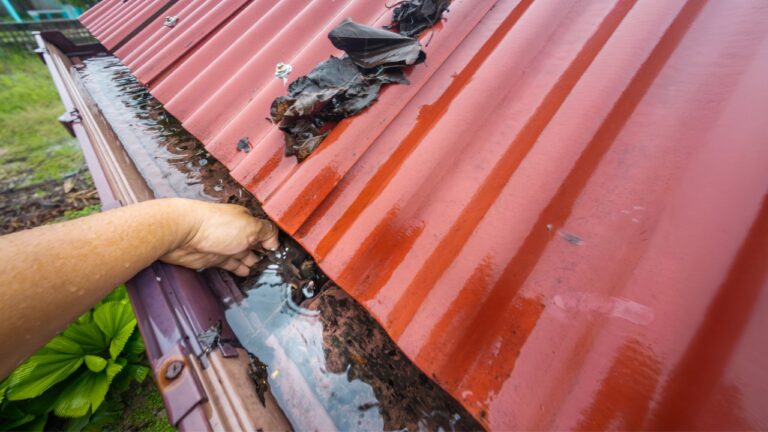
Words alone rarely capture the full scope of property damage or construction defects. Visual evidence and financial documents fill that gap. You should photograph and, when helpful, record video of any issue as soon as you notice it, then repeat that process as conditions change. Wide shots show context, close ups capture detail, and including a recognizable object or a smartphone timestamp can help establish scale and timing.
In insurance conflicts, lawyers describe how proof of loss depends on detailed records of damage, repairs, and expenses. That proof is much stronger when you pair images with contractor estimates, receipts for temporary fixes, and inspection reports. Guidance for association disputes similarly urges owners to photograph or video issues as part of building a strong case. When you combine visuals with written estimates from licensed professionals, you give insurers, boards, or judges a concrete basis to understand the scale of your loss instead of asking them to imagine it.
Documentation in construction disputes: from contract to punch list
Construction and renovation projects are fertile ground for conflict, which is why your documentation should start before the first tool comes out of the truck. The foundation of your protection is a detailed written contract that spells out scope, materials, timelines, payment schedules, and warranties. If the agreement is vague, you are already at a disadvantage when delays, cost overruns, or defects appear.
Attorneys who represent property owners emphasize that having a well-drafted, is the best early protection, long before any bricks are laid or walls are painted. Once work begins, you continue the record by keeping a project log that notes site visits, change orders, weather delays, and any safety concerns. If you later need to pursue Jan or another legal remedy, that log, combined with photos and correspondence, helps show exactly how the project unfolded and where the contractor fell short.
Documentation in HOA conflicts: rules, notices, and board meetings
When your dispute involves a homeowners association, the rulebook itself becomes part of your documentation. You should start by pulling your CC&Rs, bylaws, and any ARC guidelines, then marking the specific provisions that the board says you violated or that you believe the board is ignoring. Keeping a copy of those pages in your dispute file makes it easy to show how your position lines up with the governing documents.
Association law guidance stresses that effective HOA dispute start with a careful review of the rules before you take action. Practical checklists for owners advise you to document the issue with time-stamped notes and images, then cite the specific rule or ARC standard you believe applies. When you attend board meetings, you can follow the approach described in Jan’s homeowner empowerment guidance by arriving with written notes instead of relying on memory or a phone screen. After each meeting, you add your own summary of what was discussed and any commitments the board made, so you are not dependent on official minutes that may gloss over key points.
Documentation in insurance disputes: claims, denials, and bad faith
Insurance conflicts are uniquely paperwork heavy, which makes your own record keeping even more important. From the moment you suffer a loss, you should track every step of the claim: when you notified the insurer, which adjuster visited, what they inspected, and what they said about coverage. Keeping a log of calls and emails, along with copies of every letter and form, helps you spot inconsistencies and delays.
Guidance for Florida policyholders explains that state law gives you the right to sue when insurers violate their duty of good faith. To exercise that right, you need a clear record of how the insurer handled your claim, including any lowball estimates, missed deadlines, or shifting explanations for denial. Lawyers recommend keeping photos, receipts, and estimates in digital folders so you can quickly share them with counsel or regulators. When you combine that with the detailed proof of loss described in other insurance guidance, you are far better positioned to challenge an unfair outcome.
How to keep your documentation organized and credible
Good documentation is not just about volume, it is about clarity and credibility. You strengthen your position when your notes are dated, factual, and free of speculation. Instead of writing “the contractor is a scammer,” you write “on April 3, contractor did not arrive for scheduled 9 a.m. appointment and did not respond to two follow up texts.” That kind of neutral, specific language is more persuasive to judges, mediators, and boards.
Practical guides for owners suggest simple systems that you can maintain over months, such as a chronological log, labeled folders, and consistent file names for photos and documents. In association disputes, one recommended step is to thoroughly document all interactions and issues, then organize them so you can quickly show a pattern of conduct. When your file reads like a calm, methodical account rather than an emotional diary, it becomes a powerful shield in any dispute over your home.
Like Fix It Homestead’s content? Be sure to follow us.
Here’s more from us:
- I made Joanna Gaines’s Friendsgiving casserole and here is what I would keep
- Pump Shotguns That Jam the Moment You Actually Need Them
- The First 5 Things Guests Notice About Your Living Room at Christmas
- What Caliber Works Best for Groundhogs, Armadillos, and Other Digging Pests?
- Rifles worth keeping by the back door on any rural property
*This article was developed with AI-powered tools and has been carefully reviewed by our editors.