What to check before turning breakers back on after an outage
Photo credit: Zhuravlev Andrey/Shutterstock.com
When the lights finally flicker back after an outage, the instinct is to rush to the panel and flip everything on. That impulse can cost you appliances, damage wiring, or even put you in the path of a serious electrical fault. A few deliberate checks before you reset anything dramatically lower the risk.
By walking through your home, inspecting your electrical panel, and restoring power in a controlled sequence, you protect both your equipment and your safety. The goal is not just to get the power back, but to bring it back in a way that your wiring, breakers, and major appliances can handle.
Start by confirming the source of the outage
Your first step is to figure out whether the problem is inside your home or on the utility side. Look outside to see if neighboring houses, streetlights, or shared hallway lights are dark. If only your home is affected, you are likely dealing with a tripped breaker or a blown fuse, which means your next move is at the panel rather than waiting on the grid. Guidance on checking breakers stresses this basic distinction before you touch anything.
If the entire block is dark, your focus should shift to staying safe and protecting equipment until the utility restores service. Emergency planners urge you to Be Prepared for that scenario with flashlights, charged phones, and a plan for refrigeration, rather than immediately worrying about the panel. Once you know whether the outage is local or widespread, you can decide if you should call the utility, an electrician, or simply move carefully to your breaker box.
Reduce the load before power comes back
Before you reset any breaker, you want your circuits as lightly loaded as possible. Walk through your home and switch off lights, televisions, computers, and countertop appliances. Electrical pros emphasize that you should Turn Off Lights before you attempt a reset, because a sudden surge from everything starting at once can trip the breaker again or stress the wiring.
Utilities echo that advice at a larger scale, urging customers to unplug or switch off major loads like air conditioners and electric ranges while crews work on Restoration. That same logic applies inside your home: a lighter initial load gives you more control as you bring circuits back, and it protects sensitive electronics from the spikes that can accompany an abrupt return of service.
Inspect the panel for obvious danger signs
Once you reach the breaker box, pause before you touch it and use your senses. Look for scorch marks, melted plastic, or discoloration on the cover or around individual breakers. Specialists describe Key Indicators of a Failing Electrical Panel, including visible burn marks and excessive heat generated by electrical current, as red flags that the equipment may be unsafe.
Smell and sound matter too. Any burnt or fishy odor, or crackling and buzzing noises, fall under the Unusual Smells and Sounds that experts list as Any sign of internal arcing or overheating. If you notice those conditions, do not reset anything. Step away, keep the panel door closed, and call a licensed electrician, because energizing a damaged panel can escalate into fire or shock.
Identify which breakers actually tripped
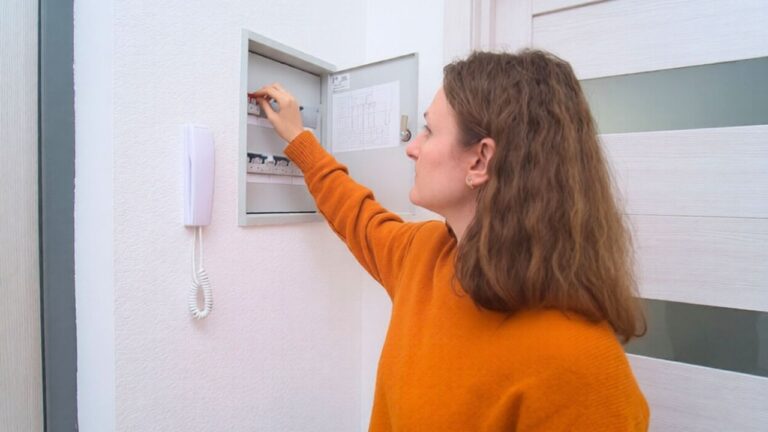
With the cover open and no danger signs present, your next task is to find the specific breakers that moved. A tripped breaker usually sits between the ON and OFF positions or feels loose compared with the others. Utilities that explain How to Reset Your Breakers advise you to Find the panel, then scan for any handle that is not aligned with the rest.
Some guides recommend starting at the main breaker, especially after a full-house outage, and then moving to individual circuits. Technical instructions on How to reset a circuit breaker stress that you should Follow a clear sequence: Locate the main, verify its position, and only then address the smaller breakers. That methodical approach helps you avoid missing a partially tripped handle that could later surprise you with a sudden restart.
Use a safe technique to reset each breaker
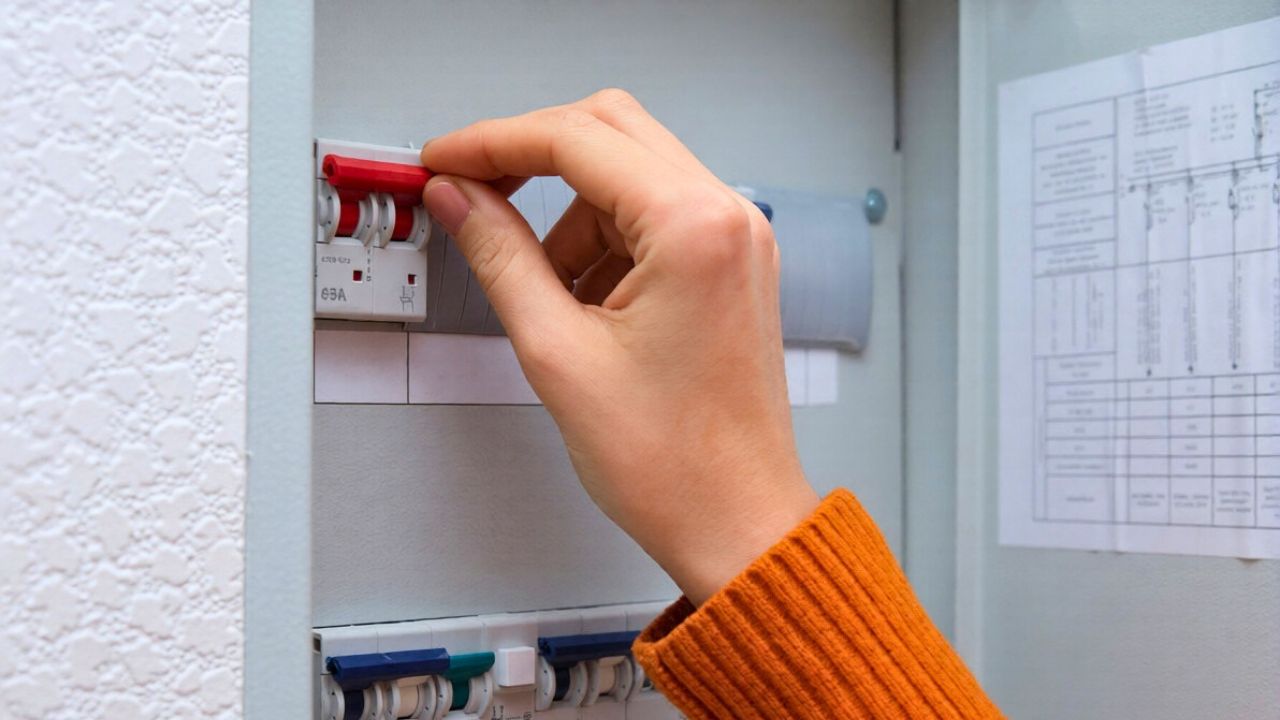
Once you know which breakers tripped, the way you move them matters. The standard technique is to push the handle firmly to OFF until you feel or hear a click, then move it back to ON in one smooth motion. Step-by-step guides on Quick Steps to reset a breaker emphasize that this full OFF reset is essential, because a half-hearted nudge can leave the internal mechanism in limbo and fail to restore the circuit.
Safety-focused instructions on Instructions for Safely a Breaker also advise you to stand to the side of the panel, not directly in front of it, and to use only one hand on the switch. When you Open the Electrical Panel and Locate the Tripped Breaker, you should Start with protective gear if you have it, such as safety glasses, and avoid touching the metal parts or wiring behind the breaker switches. If a breaker immediately trips again, stop resetting and treat that as a sign of a deeper fault rather than a challenge to overcome with more force.
Bring circuits back gradually, not all at once
After you reset the main and any tripped branch circuits, resist the urge to flip every switch and plug in every device at the same time. Instead, restore power in stages, starting with essential lighting and low-demand outlets. Detailed walkthroughs on Key Takeaways on breaker use note that Circuit breakers are designed to protect against overloads, so easing your system back into operation helps you avoid triggering that protection again.
Utilities that focus on Protect your sensitive equipment recommend waiting a few minutes before you restart big loads like air conditioning units, then turning them on one at a time. Home outage checklists that cover HVAC system restart advise that if your system behaves oddly or fails to start, you should switch it off and contact a professional rather than repeatedly cycling breakers, a point underscored in Minutes of Critical Power Outage Safety Tips.
Protect appliances and electronics from surges
Power returning after an outage can arrive with voltage fluctuations that are rough on motors and circuit boards. To shield your home, unplug or power down refrigerators, freezers, window units, and entertainment systems before the grid comes back, then reconnect them gradually. A cooperative that tells members that Your power reliability is a priority also urges you to Unplug major appliances to protect them from surges while crews from Nueces Electric Cooperative work on lines.
Emergency planners add practical steps like filling containers with water in your freezer to help food stay cold, advice that appears in official Be Prepared guidance. Those same checklists encourage surge protection for electronics and caution against carrying candles or oil lamps when you move around a dark home. Taken together, these measures mean that when you do reset breakers, the devices on the other end of those circuits are less likely to be hit by the worst of the returning power.
Watch for signs your panel or circuits are failing
Even if the power comes back, your breakers may be telling you something about the health of your system. If they trip frequently, especially on the same circuits, that can signal Overloaded Circuits or a panel that is undersized for your current electrical demands. Service companies warn that if you notice these warning signs a breaker is going bad, it may be time to replace or update the entire panel rather than simply resetting it after every storm.
Other red flags include burn marks, discoloration, or a warm panel cover, which specialists list as reasons to call a professional immediately. One detailed breakdown that starts with Here are seven signs explains Why Your Electrical Panel Matters and notes that Breakers Trip Frequentl when internal components are deteriorating. Industrial control experts add that when Then that power runs through devices like power relays, contactors, soft starters, and variable frequency drives, as outlined in Then, a failing panel can have cascading effects on everything downstream.
Know when to stop and call a professional
There is a clear line between homeowner troubleshooting and work that belongs to a licensed electrician. If a breaker will not reset, trips instantly, or is associated with visible damage or strong odors, your safest move is to leave it off and get expert help. One candid account in a professional group warns colleagues to Stay the f away from that unless you are trained, recalling how a reset at a Sam’s club in Streamwood IL briefly restored power before Nobody in the warehouse realized the deeper fault and the building went dark again.
Consumer guides on Key Takeaways for how to reset the breaker underline that a breaker trips to protect your home from overloaded circuits, short circuits, or ground faults, and that Resetting is safe only when you have removed the cause. If you have any doubt about damaged wiring, water intrusion, or a panel that shows multiple warning signs, treat the outage as a signal to upgrade or repair, not as a puzzle to solve with repeated flips of the same switch.
Build a simple checklist for the next outage
The most effective time to think about your breakers is before the next storm or grid failure. Create a short written checklist and keep it near the panel so you are not improvising in the dark. Outage planners suggest that in the first few Minutes after the lights go out, you should Stay Calm and Assess the Outage, Take stock of which rooms are affected, and decide whether you are dealing with a neighborhood problem or a single tripped circuit.
Your personal list might combine official advice to Be Prepared with utility guidance on how to Reset Your Breakers. That could include steps like checking whether only your home is without power, as shown in Checking Breakers, turning off major appliances from Nueces Electric Cooperative guidance, and following the three-step method that starts with Resetting your breakers. By the time the next outage hits, you will have a calm, repeatable routine that keeps you, your panel, and your appliances safer every time the power comes back.
Like Fix It Homestead’s content? Be sure to follow us.
Here’s more from us:
- I made Joanna Gaines’s Friendsgiving casserole and here is what I would keep
- Pump Shotguns That Jam the Moment You Actually Need Them
- The First 5 Things Guests Notice About Your Living Room at Christmas
- What Caliber Works Best for Groundhogs, Armadillos, and Other Digging Pests?
- Rifles worth keeping by the back door on any rural property
*This article was developed with AI-powered tools and has been carefully reviewed by our editors.