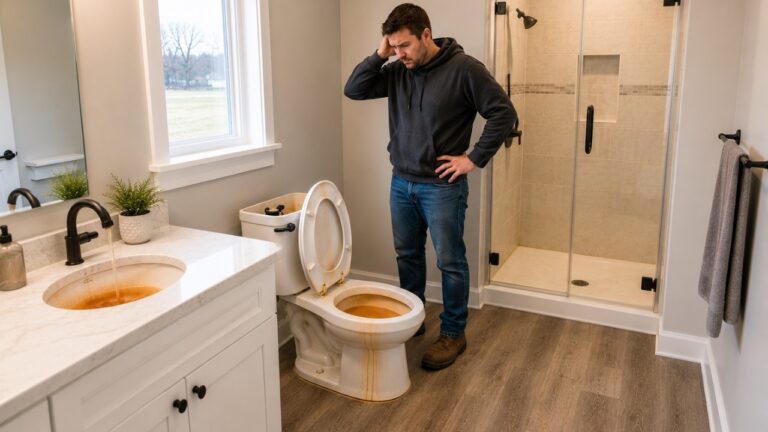
Why insurers now question unpermitted work more often
Photo credit: Ferrantraite/istock.com
Insurers have always cared about risk, but they are now scrutinizing unpermitted renovations with a new intensity. As more claims trace back to work that never passed inspection, companies are tightening underwriting, probing property histories, and using any hint of unauthorized construction as a reason to limit what they pay. If you have done upgrades without sign‑off, or you are thinking about buying a home with mystery improvements, you are squarely in their sights.
Behind that shift is a simple calculation: unpermitted work often hides safety hazards, legal exposure, and valuation problems that can turn a routine claim into a costly dispute. By questioning these projects more aggressively, insurers are trying to push that risk back onto you, the homeowner, whether you realized the work was unpermitted or not.
Why permits matter more to insurers than they used to
From an insurer’s perspective, a building permit is not just paperwork, it is an external check that the work met at least a basic safety standard. When you skip that step, you remove the independent inspection that might have caught an overloaded electrical panel, an undersized beam, or a venting mistake that could lead to carbon monoxide buildup. Guidance for homeowners stresses that permits are necessary for all significant structural, electrical, and plumbing changes, and that avoiding them can create serious safety hazards and legal issues that ripple through every later claim on the property, a point underscored in Key Takeaways from Apr.
Insurers are increasingly aligning their policies with that reality. When they see a finished basement, a second kitchen, or a new bathroom that never appears in municipal records, they infer that no inspector ever verified the framing, wiring, or drainage. That makes the risk profile of your home fundamentally different from what they priced, so they are more willing to carve out coverage, raise premiums, or deny claims tied to those areas. As building codes evolve and climate‑related stresses grow, the gap between inspected and uninspected work becomes more consequential, and insurers are adjusting their questions and investigations accordingly.
The claim denial problem you only discover after a loss
The harshest lesson about unpermitted work often arrives after a fire, flood, or collapse, when you finally file a claim. Policy language typically requires you to maintain the property in a reasonably safe condition and to comply with local law, and unpermitted renovations can give an insurer a ready argument that you failed on both counts. Consumer guidance warns that if you file a claim related to unpermitted work, your insurance company may deny coverage entirely, leaving you to shoulder the full cost of rebuilding, a scenario spelled out in a Sep advisory that bluntly tells you to imagine a fire starting in an unapproved addition and then facing a flat refusal to pay, introduced with the word Imagine.
Insurers are also more willing to dissect the origin of damage. If a burst pipe traces back to a bathroom you added without permits, or an electrical fire starts in a panel that was upgraded off the books, adjusters can argue that the loss stems from work they never agreed to cover. Even when they do not deny the entire claim, they may exclude the affected area, depreciate the payout heavily, or require you to bring everything up to current code before they release funds. The result is a growing gap between what homeowners think their policy covers and what it actually delivers once unpermitted work enters the picture.
How underwriting and inspections are catching more unpermitted work
Insurers are not waiting for claims to uncover hidden renovations. At renewal or when you apply for a new policy, they are leaning on property data, aerial imagery, and in‑person inspections to spot additions and conversions that do not match public records. A video guide from Dec framed by County Office explains that insurers and local governments alike are using these tools to cross‑check what you tell them against what is actually built, and that unpermitted work can directly impact your home insurance coverage.
When discrepancies surface, underwriters now routinely ask for permits, contractor invoices, or inspection reports before they finalize coverage. If you cannot produce them, they may exclude the suspect area, add surcharges, or in some cases decline to write the policy at all. That scrutiny is especially intense for high‑risk systems like electrical, gas, and roofing, where a single hidden defect can trigger catastrophic losses. The more sophisticated their data becomes, the less room you have to assume that unpermitted work will simply go unnoticed.
Real‑world fallout when you try to sell
The insurance questions do not stop with you, they follow the house into every future transaction. When you list a property, buyers, lenders, and their insurers all want to know whether the improvements they see were properly approved. A widely shared story on a home improvement forum titled How Screwed captures the panic of owners who realize, years later, that We Due to unpermitted Work Now face a wall of questions just as We May Be Selling and are left asking What Should they do.
Professional lending guidance reinforces that concern. When you buy a house with unauthorized renovations, you effectively inherit the problem, and the homeowner is liable for penalties tied to past violations. A Sep explainer notes that When you assume ownership, you also assume any outstanding fines from unpermitted work, and that unresolved issues can stop the sale if lenders or insurers refuse to proceed until the work is legalized, a risk highlighted in a detailed Sep breakdown.
Why appraisers and lenders are siding with insurers
As insurers question unpermitted work more aggressively, appraisers and lenders are adjusting their own playbooks. If a finished attic, extra bedroom, or expanded kitchen does not appear in the permit history, appraisers often treat that square footage cautiously or discount it outright. Municipal guidance on the risks of buying a home with unauthorized renovations notes that Financial and Insurance Problems tend to cluster around these properties, and that Appraisers and buyers often discount homes with undocumented work because of the risk and uncertainty, a pattern described in a detailed Financial and Insurance overview.
Lenders, in turn, rely on both the appraisal and the insurability of the property. If the valuation excludes unpermitted space, your loan‑to‑value ratio may spike, forcing you to bring more cash to closing or accept a smaller mortgage. If insurers flag the same work as a coverage problem, some lenders will not fund the loan until you resolve it, because they do not want collateral that could be partially uninsured. The result is a unified front: insurers, appraisers, and lenders all treating unpermitted work as a shared red flag rather than a harmless shortcut.
The “insurance trap” for investors and house hackers
Investors and house hackers are especially exposed to this new skepticism. Many rely on aggressive value‑add strategies, carving extra units out of basements or garages, or adding bedrooms to maximize rent. If those changes are not permitted, they may look profitable on a spreadsheet but fragile under an insurance microscope. A widely circulated reel from Dec warns about The Insurance Trap, explaining that if a fire starts in an unpermitted electrical panel or a leak happens in a bathroom you added without a permit, your insurer can argue that the work was never inspected and cleared for safety, a risk highlighted under the phrase The Insurance Trap.
For landlords, that trap can compound quickly. A denied claim on an unpermitted unit does not just leave you with repair bills, it can also trigger habitability disputes with tenants, lost rent, and pressure from lenders who expect you to keep the property in good condition. If you are counting on short‑term rental income from a converted space, a coverage gap can turn a single incident into a cash‑flow crisis. Insurers know that these informal conversions are common, which is why they are increasingly asking detailed questions about how many units exist, how they are used, and whether the work was ever approved.
Legal liability and code enforcement behind the insurance shift
Insurers are also reacting to the legal landscape that surrounds unpermitted work. When something goes wrong, plaintiffs’ attorneys and code officials look not only at the homeowner but at every party with deep pockets, including the insurer. If a claim involves injuries or extensive damage tied to illegal construction, the company may face pressure to pay even if policy language is on its side. That risk encourages insurers to draw a sharper line up front, making it clear that they will not cover losses linked to work that violated building codes or skipped the permit process.
Local guidance on unpermitted renovations emphasizes that legal and regulatory problems can cascade into difficulty refinancing or selling, and that owners may face orders to tear out or redo noncompliant work at their own expense. A separate advisory from Apr notes that When fixing the issue, it might be best to hire a contractor to examine the existing work so They can estimate the cost of bringing everything up to code and help you avoid going through a complicated lawsuit, advice captured in a practical Apr guide. Insurers watch those enforcement trends closely, because every forced correction or lawsuit is another reminder that unpermitted work is not a theoretical risk.
What happens when you buy someone else’s unpermitted work
Even if you never lifted a hammer, you can still find yourself in conflict with your insurer over unpermitted work. When you buy a home, you inherit its history, including any quiet shortcuts taken by previous owners. If a later claim exposes that a prior owner finished the basement or added a deck without approval, your insurer may argue that the risk was misrepresented at the time of underwriting, especially if the listing or your application failed to mention the improvements. That can lead to coverage disputes at the worst possible moment, when you are already dealing with damage.
Consumer finance guidance makes clear that the homeowner is liable for penalties tied to unpermitted work, regardless of who actually did it, and that outstanding fines or correction orders can derail a transaction or complicate refinancing. Municipal advisories on the risks of buying a home with unpermitted renovation work warn that buyers may face Financial and Insurance Problems long after closing, including higher premiums, limited coverage, and difficulty selling to the next owner. In practice, that means you need to treat permit history as seriously as you treat the inspection report, because insurers increasingly do the same.
How to protect yourself before insurers start asking hard questions
If you already have unpermitted work, your best move is to get ahead of the scrutiny rather than hope it stays hidden. Start by pulling your property’s permit history from the local building department and comparing it to what actually exists. Where you find gaps, consult a licensed contractor or architect about whether the work can be legalized through retroactive permits and inspections. That process can be inconvenient and sometimes expensive, but it gives you a path to bring the home into alignment with both code and your insurance policy, instead of gambling that a future claim will slip through.
For future projects, build the cost and time of permits into your budget from the outset. Guidance from Apr stresses that Taking the chance of skipping permits during a home remodeling can result in serious safety hazards, legal issues, and insurance problems, and that following the permit process prevents all of these problems by ensuring that work is reviewed and approved, a point underscored in Taking the analysis. When you plan a remodel, treat permits as a core line item, not an optional extra, and keep copies of every approval and inspection report in a file you can hand to your insurer, your lender, and eventually your buyer. The more documentation you have, the fewer opportunities insurers will have to question your coverage when you need it most.
Like Fix It Homestead’s content? Be sure to follow us.
Here’s more from us:
- I made Joanna Gaines’s Friendsgiving casserole and here is what I would keep
- Pump Shotguns That Jam the Moment You Actually Need Them
- The First 5 Things Guests Notice About Your Living Room at Christmas
- What Caliber Works Best for Groundhogs, Armadillos, and Other Digging Pests?
- Rifles worth keeping by the back door on any rural property
*This article was developed with AI-powered tools and has been carefully reviewed by our editors.