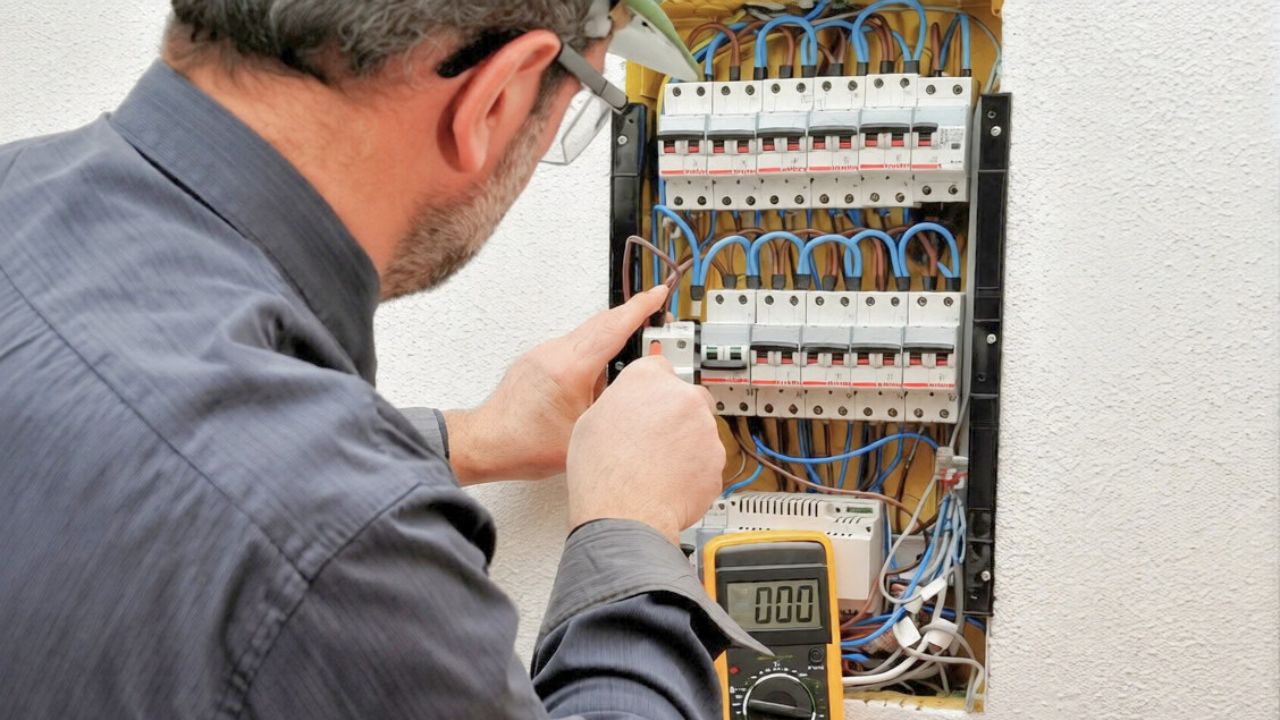
What inspectors expect documented after electrical updates
Photo credit: Francescomoufotografo/Shutterstock.com
When you upgrade wiring, swap out an aging panel, or add new circuits, inspectors are not just glancing at the work and signing off. They expect a paper trail that proves the installation is safe, code compliant, and performed by qualified people. If you understand what needs to be documented before anyone arrives, you can turn inspection day from a source of anxiety into a predictable checkpoint in your project.
That documentation now stretches well beyond a simple permit card. Inspectors want to see how your project aligns with the National Electrical Code, local amendments, utility requirements, and even emerging standards for arc flash and solar interconnections. The more clearly you capture that story on paper, the smoother your approval, resale, and insurance conversations will be.
Why inspectors care so much about documentation
Every electrical update changes the risk profile of a building, which is why inspectors treat documentation as part of core Safety Compliance rather than bureaucratic clutter. They are tasked with Ensuring that your wiring, devices, and equipment meet the National Electrical Code, often shortened to NEC, along with local rules that can be even stricter. That job is impossible if they cannot see what was installed, how it was tested, and who took responsibility for the work, so they lean heavily on written records to verify that your project is not just functional but safe.
Professional Electrical Inspection Services typically combine a visual review with targeted testing to confirm that upgrades and repairs were done correctly, and they expect your paperwork to mirror that process. A visual electrical inspection, for example, checks accessible components for damage, overheating, or improper installation, while test results confirm that protective devices and grounding actually perform as designed, all of which supports overall Safety Compliance. When your documentation clearly tracks those same checkpoints, you make it easier for an inspector to connect the dots and sign off without repeat visits.
Permits, scope of work, and who did the job
Before an inspector even looks at a breaker or junction box, they want to confirm that the project was properly authorized. That starts with permits pulled through Your local building department, which is usually the best resource for understanding which electrical updates require formal approval and what timelines to expect. Many departments now publish Websites that spell out permit thresholds, submittal requirements, and typical review timelines, often within about 10 business days, so your first piece of documentation is proof that you followed that process and did not treat the work as an off-the-books weekend experiment.
Inspectors also look for evidence that the people who touched your system were qualified to do so. Guidance for other regulated trades stresses that it is crucial to have work done by authorized people and that re-inspections depend on being able to show that the work was performed by those authorized people, a principle that carries directly into electrical projects. Having contracts, invoices, or completion letters from licensed electricians, along with any notes on the project scope, helps demonstrate that you did not cut corners on expertise, which is exactly what an inspector wants to see when they review who did the.
Panel upgrades and service changes: the documentation hot zone
When you replace or enlarge a service panel, the paperwork expectations rise sharply because you are altering the heart of the system. Inspectors expect to see a clear description of the SERVICE PANEL UPGRADE, including the new ampacity, panel model, and how many circuits were added or reconfigured. They also want to know that you coordinated with the utility, since many panel projects require you to Call your electricity supply company to schedule an appointment so they can disconnect and reconnect power safely, which should be reflected in your job notes or utility correspondence tied to WHAT you EXPECT DURING a SERVICE PANEL change.
On the technical side, inspectors will often ask for documentation that shows how the new panel was grounded and bonded, and how existing feeders and branch circuits were reconnected. Practical guides to panel work emphasize that the grounding system gets upgraded along with the panel and that Your electrician typically coordinates with the utility company as part of that process, which is why inspectors may ask to see diagrams or notes that explain those changes. If you can hand over a one-page summary of the new layout, grounding details, and any coordination with the utility, you are speaking the same language as the inspector reviewing your SERVICE PANEL upgrade.
What inspectors record about the panel itself
Once the paperwork checks out, inspectors usually head straight for the electrical panel, and they expect your documentation to match what they see. Experienced Inspectors focus first on the panel, checking for secure connections, correct breaker sizes, clear labeling, and proper grounding and bonding, because any mismatch between the panel schedule and the physical layout is a red flag. Your panel directory should be legible, accurate, and updated to reflect new circuits, and if you have a separate load calculation or one-line diagram, inspectors often appreciate seeing that alongside the panel cover.
Video walk-throughs of real-world panel inspections show how quickly problems surface when the panel has been replaced without proper documentation, from mislabeled breakers to missing bonding jumpers. In one example, someone had replaced the electrical panel and left a few things going wrong, which an inspector or experienced electrician could spot immediately once the cover was off. Written notes about how you addressed those issues, along with any manufacturer instructions you followed, help demonstrate that your panel work aligns with the Proper circuits and protective devices that inspectors are trained to look for, which is exactly what checkpoint lists describe when they outline what panel inspections should catch.
Code compliance, testing, and modern safety expectations
Beyond the physical layout, inspectors expect documentation that proves your system meets current code and has been tested, not just wired. Many jurisdictions now lean on Safety Compliance frameworks that emphasize Ensuring all systems comply with the National Electrical Code and local regulations, and inspectors are trained to verify that your upgrades align with those standards. That can include proof that new circuits have the required arc fault or ground fault protection, that receptacles are correctly rated, and that any new equipment is listed and installed per the manufacturer instructions, all of which should be reflected in your notes or test forms.
Testing records are especially important when you are dealing with new circuits, feeders, or grounding systems. Professional testing sequences call for Live testing with the supply connected, including checks of Earth electrode resistance using an earth fault loop tester or similar instruments, and inspectors may ask to see those readings for major upgrades. As the NEC evolves, including The NEC 2026 update that closes the gap between code compliance and real-world safety by expanding arc flash label expectations, inspectors are increasingly looking for documentation that you have considered those requirements before anyone touches energized equipment. Having a simple test sheet that captures continuity, insulation resistance, and key loop measurements, along with notes on any arc flash labels applied, shows that you are treating Live systems with the seriousness they demand.
Inspection reports, EICRs, and how your records fit together
After an inspection, the report you receive becomes part of the documentation inspectors expect to see on future visits, especially if you are layering upgrades over time. In many markets, an Electrical Installation Condition Report, often shortened to EICR, is the formal document that checks whether a property’s wiring is safe for continued use and identifies any remedial work needed within a specified timeframe. That report goes beyond a quick look, capturing test results, observed defects, and recommendations, and inspectors expect you to keep it on file and update your records as you address the items listed in the last report.
There is an important distinction between a full EICR and a simple visual report, and inspectors understand that difference when they review your paperwork. Visual inspections focus on accessible components without intrusive testing, while an EICR includes measured values and coded observations that can be tracked over time, which is why landlords and owners are urged to Relax with an Electrical Installation Condition Report that documents the property’s condition. When you schedule follow up work, electricians often walk through the installation from start to finish, as in detailed EICR demonstrations that show how they look for anything unusual, and inspectors later expect to see both the original report and the completion notes that prove you closed out those findings, which is where How EICRs are structured becomes directly relevant.
Labeling, accessibility, and what must be ready on inspection day
Even the best paperwork will not save you if inspectors cannot physically reach the equipment they need to see. Guidance for For Sellers preparing for home inspections stresses the need to Clean and Declutter, Ensure that all of the home’s systems and components are accessible, and Clear any clutter blocking access panels or mechanical rooms, and the same logic applies to electrical work. Inspectors expect to walk straight to the panel, disconnects, and junction boxes without moving storage bins or furniture, and they will often fail or postpone an inspection if they cannot safely reach those points.
Once they are in front of the equipment, inspectors compare what they see with what your documents claim. Checklists of what an electrical inspector looks for highlight Proper circuits, correct breaker types, and required devices like arc fault circuit interrupters in the final inspection, and they expect your labeling and diagrams to match that reality. If your panel schedule says a breaker feeds the kitchen but the inspector finds it actually controls a bedroom, that inconsistency undermines confidence in your entire record set. Treat inspection day as a step-by-step review where your labels, diagrams, and notes guide the inspector through the system, just as detailed guides to what to expect on inspection day describe how inspectors verify that interior systems are functioning properly and safely, which is why Ensure and Clear access are non negotiable.
Solar, utilities, and the extra paperwork for modern upgrades
As more homeowners add solar, battery storage, and electric vehicle charging, inspectors are seeing projects that involve not just building departments but also utilities and energy regulators. Utilities typically publish Requirements set by your utility provider that spell out what they need to see before approving an interconnection, and those requirements often include one line diagrams, equipment datasheets, and proof that the installation meets safety and performance standards. While the upfront cost of meeting those documentation demands can feel significant, you are effectively investing in your safety and in a smoother relationship with both inspectors and the utility.
Solar specific guidance underscores how unforgiving utilities can be when paperwork is incomplete. Interconnection reviews are frequently delayed or rejected because of Missing or Outdated Technical Specifications Utilities require, such as absent data sheets or mismatched inverter ratings, and inspectors know that those gaps can signal deeper problems. Some plug in photovoltaic systems even require you to Prepare technical documentation in advance, since Full documentation may be required for audits or inspections that go beyond a simple site visit. When you combine that with the need to show that your system history is understood, as detailed in checklists that help an electrician understand your system’s history, it becomes clear that modern upgrades demand a thicker project folder, which is why inspectors now expect to see Missing nothing in your technical package.
Keeping a long term record: from renovations to resale
For inspectors, your documentation is not just about passing today’s visit, it is about building a traceable history of the system. Renovation guidance urges owners to Document and maintain records and to Keep detailed records of all electrical upgrades, inspections, permits, and maintenance activities, because those files become invaluable when you renovate again, troubleshoot a problem, or sell the property. Inspectors appreciate seeing that continuity, since it helps them understand what has changed over time and whether any legacy issues might still be hiding behind finished surfaces.
Like Fix It Homestead’s content? Be sure to follow us.
Here’s more from us:
- I made Joanna Gaines’s Friendsgiving casserole and here is what I would keep
- Pump Shotguns That Jam the Moment You Actually Need Them
- The First 5 Things Guests Notice About Your Living Room at Christmas
- What Caliber Works Best for Groundhogs, Armadillos, and Other Digging Pests?
- Rifles worth keeping by the back door on any rural property
*This article was developed with AI-powered tools and has been carefully reviewed by our editors.