The breaker-panel labeling mistake inspectors keep catching now
Photo credit: Wollertz/Shutterstock.com
Home inspectors are flagging the same problem in new builds and renovated houses alike: breaker panels that are mislabeled, half labeled, or not labeled at all. You might have brand new wiring and shiny devices, but if the directory beside those switches is wrong or unreadable, you are inviting safety risks, failed inspections, and expensive callbacks. The mistake is simple, yet it keeps showing up because labeling is often treated as an afterthought instead of a core part of the electrical job.
If you are a homeowner, builder, or small contractor, you cannot afford to shrug off that directory card. Clear, accurate labels are now a basic expectation of code officials and safety regulators, and they are increasingly using that small sheet of paper as a quick test of how seriously you take the rest of the system. Get it right and you make your life easier for decades. Get it wrong and you hand inspectors an easy reason to say no.
Why inspectors are zeroing in on panel labels
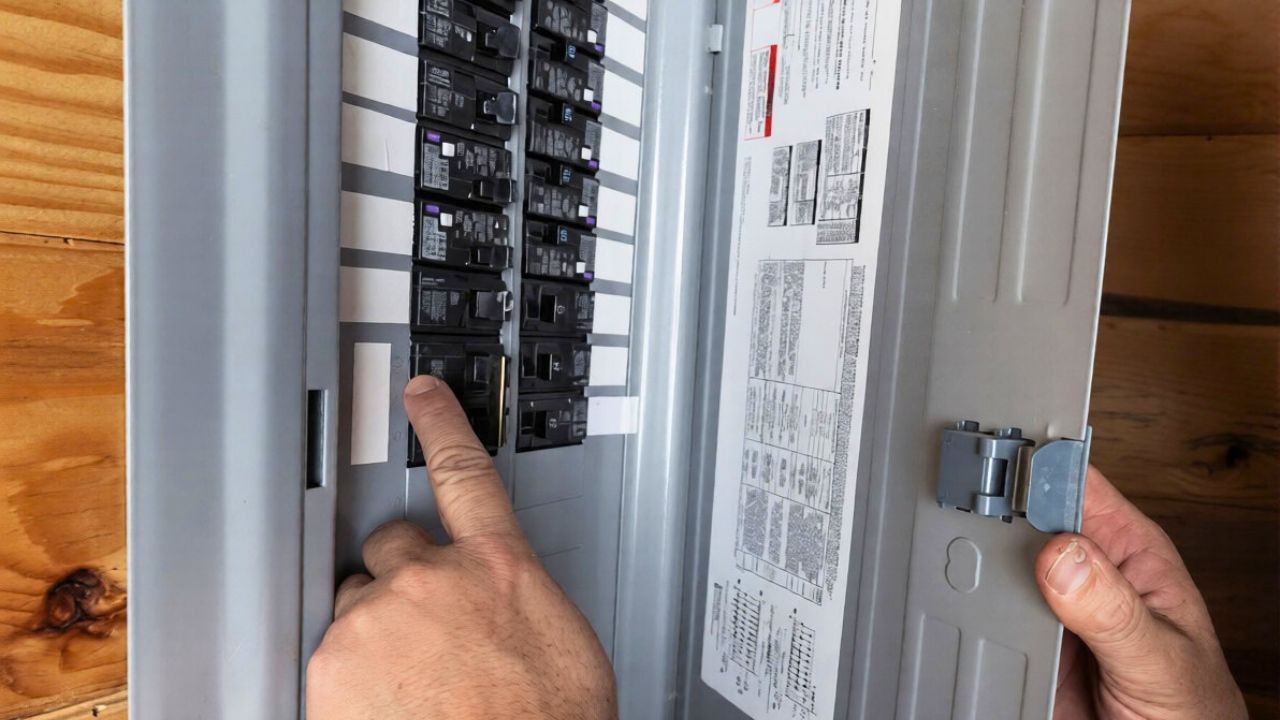
When an electrical inspector walks into a property, the breaker panel is one of the fastest ways to judge whether the rest of the work is disciplined or sloppy. If the cover swings open and the directory is blank, smudged, or full of vague notes like “lights” and “plugs,” it signals that you have not finished the job. Several inspection checklists now treat CIRCUIT BREAKER PANEL as a basic safety item, not a cosmetic detail, because the directory is what lets someone kill power quickly in an emergency.
That focus is not arbitrary. The National Electrical Code, often shortened to the NEC, requires every circuit to be identified so that anyone can tell what each breaker controls without guesswork. Inspectors know that if you have not taken the time to map and mark your circuits, you may also have skipped other code details that are harder to see. That is why a mislabeled or missing directory has become one of the quickest ways to trigger a reinspection, with all the delays and added labor that follow.
The code and safety rules behind those tiny labels
Behind that small cardboard chart is a thick stack of safety rules. The NEC, formally the National Electrical Code, spells out in Article 408.4 m that every circuit must be legibly and durably identified, and that vague descriptions like “Lights” or “Plugs” do not meet compliance standards. The same guidance stresses that labels must stay accurate over time, which means you are expected to update them when you add or move circuits rather than leaving old notes in place.
On the workplace side, The American National Standards Institute and the Occupational Health and Safety Administration also treat panel labels as part of basic hazard communication. Guidance from American National Standards and ANSI, along with the Occupational Health and, calls for electrical equipment to be permanently marked and easily readable so workers can de energize circuits safely. If you are working in a commercial or industrial setting, those expectations are not optional, they are part of the safety training you are supposed to provide.
The labeling mistake inspectors keep catching
The pattern inspectors describe is not just unlabeled panels, it is panels that are labeled badly. You see it in scribbles that say “kitchen” without noting which outlets, or in directories where half the breakers are marked and the rest are left blank because the person doing the work ran out of time. In some cases, the labels are simply wrong, with circuits swapped or mislabeled after last minute changes. That is the breaker panel equivalent of a fake map, and it is exactly what code officials are pushing back against.
Electricians who handle maintenance work say they encounter unlabeled or misidentified panels every day. One discussion of a recent fail inspection describes how maintenance and repair crews routinely spend extra time just figuring out which breaker feeds which circuit because the directory is useless. Another contractor in the same thread argues that, as an electrical professional, you should treat labeling a panel as a necessary and important expense, not a favor, a point echoed again when the conversation continues on page 2 of that exchange.
How bad labels derail an otherwise solid inspection
From a homeowner’s perspective, it can feel petty when an inspector fails a project over a directory card. From the inspector’s side, that card is a proxy for whether the system is safe, functional, and aligned with the National Electrical Code. One inspection guide notes that Its purpose is to confirm that your electrical system is safe, functional, and up to the National Electrical Code, and that Failing this check can lead to costly repairs and significant delays. A mislabeled panel is a visible sign that the system may not be as safe or as carefully installed as it should be.
Inspectors also know that in a real emergency, someone may need to shut off a specific circuit in seconds. If the directory is wrong, they may start flipping breakers at random, which can damage equipment or leave dangerous circuits energized. That is why some inspection groups now emphasize Correct labeling of circuit breakers as an important electrical safety concern, not just a paperwork requirement. When you see it from that angle, the scrutiny makes more sense.
What a compliant, useful label actually looks like
To avoid that red tag, you need to know what inspectors expect to see when they read your directory. At a minimum, each breaker should be clearly tied to a specific area or piece of equipment, not a vague description. Guidance on What goes on an electrical panel label stresses that Circuit identification should mark which room, appliance, or system is controlled, and that Each breaker needs its own clear entry. That means “Dishwasher and disposal” is acceptable, while “Kitchen stuff” is not.
The NEC also expects labels to be durable and located where they are easy to read. One explanation of the rules notes that The NEC specifies that labels should, if permissible, sit next to the corresponding circuit breaker inside the electrical panel, and that poor labeling can slow down troubleshooting or invite unnecessary mitigation costs. In practice, that means you should avoid pencil marks that will fade, and instead use printed labels or permanent marker on a clean, protected directory card.
The DIY shortcuts that keep backfiring
Part of the reason inspectors keep catching labeling problems is the rise of partial DIY electrical work. Homeowners will sometimes add a circuit or swap a breaker, then jot a quick note on the directory without mapping the rest of the panel. Reporting on DIY electrical fixes notes that inspectors keep circling back to home projects that look tidy on the surface but hide deeper issues, including mislabeled or undocumented changes that raise the risk of fire, shock, and failed inspections. When you treat the panel as a suggestion board instead of a formal record, you create confusion for everyone who comes after you.
Inspectors are also reacting to a broader push for more uniform enforcement. In another regulatory context, one update explains that There has been a push for more consistent rules across states to reduce ambiguity by giving inspectors clearer criteria. The same logic is showing up in electrical work, where code officials lean on straightforward items like panel labels because they are easy to verify and hard to argue about. If your directory is sloppy, you are effectively volunteering to be the example of what not to do.
How pros map and label a panel the right way
Experienced electricians rarely leave labeling to the last minute. Many start by methodically turning circuits on and off while a helper walks the house, noting which lights and outlets respond. One set of tips points out that Home improvement guides like The Spruce recommend creating a breaker panel circuit directory that lists each room and major appliance, and that, Apart from providing everyday convenience, this makes it easier to know which circuits need to be turned off during future work.
Some contractors follow a structured process similar to a formal Step by Step Guide on How to Label an Electrical Panel Properly. That approach starts with Shut Off the for safety, then uses a buddy system, a printed template, and durable labels to build a clean directory. The key is that mapping and labeling are treated as part of the installation, not as a rushed scribble after the drywall is painted and the inspector is on the driveway.
Standards from industrial sites that belong in your garage
In commercial and industrial settings, labeling is handled with the same rigor as the wiring itself. The ANSI and the Telecommunications Industry Association have a standard known as The ANSI / TIA 606-B, which sets out a structured framework for labeling electrical and communications systems so that maintenance and troubleshooting are faster and less error prone. While you are not required to follow that exact scheme in a home, the underlying idea is worth borrowing: every component should be labeled in a way that makes sense to the next person who works on it.
Safety guidance also stresses that labels must be permanent and easy to read, not just present. Recommendations from OSHA oriented training call for electrical panels to be clearly marked so workers can identify circuits quickly, and for those markings to be maintained over time. If you adopt that mindset in your own projects, you will naturally move away from pencil notes and toward printed labels or engraved tags that can survive decades of use.
How to double check your work before the inspector does
Even if you follow a careful process, it is easy to transpose two circuits or forget to update a label after a change. That is why some service companies now build a verification step into their workflow. One set of best practices advises that After labeling, you should double check each label for accuracy and readability, confirming that every breaker is correctly identified and that the text can be read without strain. That extra pass takes minutes, but it can save you from an embarrassing correction when the inspector starts flipping switches.
It also helps to think about labeling as part of your overall risk management. Guidance on avoiding wiring mistakes notes that The ANSI / TIA framework encourages you to test circuits and confirm everything functions as expected before you sign off. If you walk through the panel with that same discipline, treating the directory as a living document that must match reality, you will be far less likely to hand an inspector the kind of obvious mistake that leads straight to a failed visit.
Why this “small” detail is worth your time
When you zoom out, the attention on breaker panel labels is part of a broader shift toward clarity and accountability in safety inspections. Inspectors, like the ones who listen to Matt of Texas vent about poorly labeled brand new breaker boxes, are tired of walking into expensive projects that fall short on basics. Their frustration mirrors the “Sympathy for your position, but…” tone you hear from working electricians who deal with unlabeled panels daily. They know that a few extra minutes with a label maker could have prevented hours of detective work later.
For you, the payoff is straightforward. A clean, accurate directory makes troubleshooting faster, keeps you aligned with the NEC, and reassures inspectors that you take safety seriously. It aligns with the expectation that panels be permanently marked and easily readable, as highlighted in electrical labeling guides, and it fits neatly into the broader push from safety organizations for clearer hazard communication. In a world where inspectors are under pressure to apply rules consistently, getting your breaker panel labeling right is one of the simplest ways to stay off their list of repeat offenders.
Like Fix It Homestead’s content? Be sure to follow us.
Here’s more from us:
- I made Joanna Gaines’s Friendsgiving casserole and here is what I would keep
- Pump Shotguns That Jam the Moment You Actually Need Them
- The First 5 Things Guests Notice About Your Living Room at Christmas
- What Caliber Works Best for Groundhogs, Armadillos, and Other Digging Pests?
- Rifles worth keeping by the back door on any rural property
*This article was developed with AI-powered tools and has been carefully reviewed by our editors.