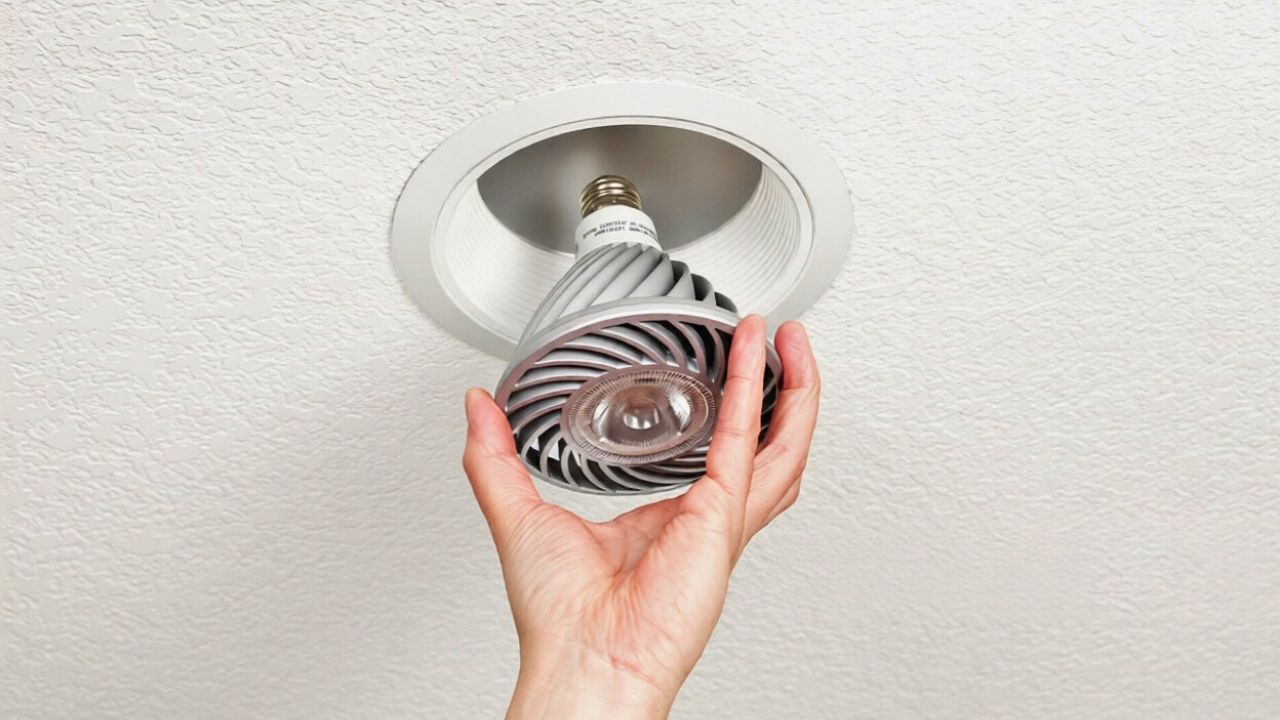
The recessed-light install detail that causes rework later
Photo credit: BanksPhotos/istock.com
The most expensive part of recessed lighting is rarely the fixture in your hand, it is the ceiling you have to fix when something was installed the wrong way. A single sloppy detail in how you cut, place, or support a can light can ripple into sagging trim, flickering LEDs, and messy drywall patches that cost more than doing it right the first time. If you understand where those failures start, you can design your layout and your cuts so you are not paying for rework a year after the dust should have settled.
The core problem is simple: recessed fixtures demand precision in a place you cannot easily see or reach. Once the drywall is up and painted, every misaligned hole, oversized cut, or poorly chosen housing is locked in above your head. The detail that looks like a shortcut when you are rushing through rough‑in is usually the same detail that forces you to open the ceiling again later.
The hidden cost of “just cut the hole”
The most common rework trigger with recessed lighting is an imprecise opening. If you freehand a circle with a jab saw or keep “adjusting” a cut until the can finally fits, you end up with a ragged, oversized hole that the trim can barely cover. That gap might disappear under paint on day one, but as the fixture heats and cools, the trim shifts and reveals the mistake, which is why so many homeowners end up asking for help patching around lights that were supposedly finished. Professional installers avoid this by treating the cut as a finish detail, not a rough one, and by using a dedicated hole saw sized to the specific fixture.
Experienced pros like Mar demonstrate how a 4 3/8 inch hole saw nested in a plastic dust bowl lets you cut clean openings in finished ceilings, keeping debris contained and the circle perfectly sized so the trim sits tight without later patching, as shown when Mar explains how it “cuts the holes instantly, dust free” in a recessed install with no attic access Cuts the drywall. When you skip that precision and instead oversize the opening “just to be safe,” you are baking in future rework, because the only way to hide that mistake later is to float compound around the fixture, sand overhead, and repaint a ceiling that should have been untouched.
The layout detail that ruins ceilings later
Even if every hole is perfectly round, a bad layout can still force you back into the ceiling. The detail that causes the most grief is spacing that looks fine on paper but collides with joists, HVAC runs, or existing wiring once you start cutting. When you discover a joist dead center in your planned location, you either shift the light off pattern, which is obvious every time you look up, or you cut a larger opening to work around the obstruction, which then has to be patched. Both outcomes are preventable if you treat layout as a three‑dimensional problem instead of just drawing circles on a floor plan.
Good planning starts with understanding how far apart your fixtures should be for the effect you want, then confirming that spacing against the structure before you drill. Guidance on how to Calculate Recessed Light accent, task, or general lighting gives you a starting grid, but you still need to probe for joists and obstructions at each planned location. When you skip that step and simply trust the tape measure, you are setting yourself up for the kind of last‑minute compromises that leave you with extra holes to patch and a pattern that never quite looks intentional.
No‑attic installs and the temptation to oversize
Rooms with no attic access are where the worst rework usually starts, because you are fishing cable blindly and trying to work through small openings. The temptation is to cut larger holes “just this once” so you can reach a hand in, pull wire, or angle a remodel can into place. That shortcut is exactly what leads to the telltale halos of joint compound around recessed trims a year later, when someone finally decides they cannot live with the gaps. If you plan the wiring path and the sequence of cuts, you can keep the openings tight and still get the cable where it needs to go.
Installers who specialize in these conditions, like Mar in a project where a room starts with only a switched lamp and no overhead lighting, show how you can route new cable, add a switch leg, and set multiple fixtures without ever turning each opening into a hand‑sized access hatch, even when there is no attic or prior wiring Mar can reach. The key detail is discipline: you cut only where a fixture will live, you use fish tape and strategic first and last holes to pull cable, and you resist the urge to “open it up a bit” for comfort. Every extra inch you cut now is a square of drywall you will be sanding overhead later.
The wrong can for the ceiling you actually have
Another detail that quietly guarantees rework is choosing a housing that does not match your ceiling type or insulation. If you install a non‑IC can in a ceiling that is later packed with insulation, you can end up with overheating, nuisance shutoffs, or even a fire risk, which forces you to pull fixtures and sometimes cut larger access holes to swap housings. The same problem shows up when you use new‑construction cans in a finished ceiling where remodel housings would have avoided extra framing cuts and patches. Matching the can to the actual conditions above the drywall is not a spec sheet nicety, it is a repair‑avoidance strategy.
Modern remodel housings like the 4 inch units from Sunco are explicitly described as AIR TIGHT and IC RATED, thermally protected, and designed to be installed in the ceiling surrounded by insulation without creating a hot spot that cooks your LEDs or trips thermal sensors, which is why the product literature emphasizes that these cans are meant to be installed in the ceiling surrounded by insulation AIR and still stay safe. If you ignore those distinctions and treat every can as interchangeable, you may not see the problem on day one, but you are almost guaranteeing a future visit to pull down trims, replace housings, and repair the ceiling scars that work leaves behind.
Trim sag, flicker, and the detail you skipped
Even when the holes and housings are right, small installation shortcuts can show up later as sagging trims and flickering lamps. If you do not seat the springs correctly, fail to push the can lip flush with the drywall, or leave the lamp slightly loose in the socket, the fixture can move every time the house flexes or someone changes a bulb. Over time that movement opens hairline cracks in the paint, exposes gaps around the trim, and creates intermittent electrical contact that shows up as a flicker you cannot ignore. Those symptoms are not random, they are the visible result of a detail that was rushed during install.
Common issues like Sagging Trim, loose housings, and intermittent power are cataloged as some of the Most Common Recessed Lighting Problems, with sagging described as a fast way to ruin the clean look that made you choose recessed fixtures in the first place Most Common Recessed. Troubleshooting guides that walk through five steps to fix can light problems emphasize checking for loose trims, poor connections, and misaligned housings so you can correct the underlying detail instead of just swapping bulbs, which is why they frame the process as making electrical problems easier for everyone by starting with the basics Whether. If you build those checks into your initial install, you avoid the return trip to fix what a few extra minutes would have prevented.
Drywall repair: the rework nobody budgets for
The detail that most homeowners underestimate is not electrical at all, it is drywall. Every extra exploratory cut, every misaligned hole you abandon, and every oversized opening you “plan to patch later” becomes a separate repair project with its own time and cost. Ceiling patches are especially unforgiving, because light rakes across the surface and highlights every ridge and divot. When you are working overhead, even a small patch can take multiple rounds of compound and sanding to disappear, which is why tradespeople groan when they see a ceiling peppered with test cuts around recessed fixtures.
On forums where pros and serious DIYers trade advice, you can see the frustration in threads where people ask for help after recessed lighting leaves them with a ceiling full of scars, and the Comments Section fills with reminders that you cannot just smear “spackle” and expect a seamless finish Comments Section. Others admit that when they had attic access and used 4 inch round old work boxes, the job was “a snap” and left a neat clean opening that did not require patching, a contrast that underlines how much extra work comes from unnecessary cuts Honestly. If you treat every cut as permanent and plan accordingly, you keep your ceiling out of the repair queue.
Cost, labor, and why rework hits your wallet twice
Recessed lighting has a reputation for being pricey, and the main reason is not the cost of LEDs, it is the labor involved in cutting into existing ceilings and running new wiring. When you have to pay someone to come back, set up dust protection again, open the ceiling, and then repair and repaint, you are effectively buying the same job twice. That is why the small decisions you make about layout, hole size, and housing type have an outsized impact on your budget, even if they seem trivial when you are standing on the ladder.
Cost breakdowns point out that Recessed lighting is often expensive due to the high labor costs involved in installation, especially when cutting into existing ceilings and running new wiring, and that any additional trips to fix mistakes only multiply that expense Recessed. When you factor in the painter who has to feather out the repaired area and the disruption of moving furniture and covering floors again, the “little” rework triggered by a sloppy detail can rival the original install cost. Spending a few extra minutes to get the detail right is not perfectionism, it is financial prudence.
Ceiling systems, acoustics, and alignment you cannot fix later
In commercial spaces and finished basements, recessed fixtures often share space with acoustical ceiling systems, where panels, grids, and lights all have to align. The detail that causes rework here is cutting or placing fixtures in a way that interrupts the pattern of acoustic panels or forces awkward notches in tiles. Once the grid is up, a misaligned can means you either live with a ceiling that looks improvised or you pull panels, shift grid lines, and recut tiles, which is a level of rework that can disrupt an entire room.
Guidance for these ceilings stresses that Recessed lighting fixtures work well with acoustical ceilings when properly matched in size and type, and that you must Ensure the fixtures you choose do not interrupt acoustic panel alignment or compromise the system’s performance Recessed. If you ignore that and treat the grid as an afterthought, you end up recutting tiles and adjusting hangers just to make the lights look intentional. In spaces where sound control matters, that kind of rework can also degrade acoustic performance, forcing yet another round of adjustments.
Design choices that either prevent or guarantee callbacks
The one detail to get right: plan for the ceiling you want to keep
Maintenance checks that keep small issues from becoming big repairs
Like Fix It Homestead’s content? Be sure to follow us.
Here’s more from us:
- I made Joanna Gaines’s Friendsgiving casserole and here is what I would keep
- Pump Shotguns That Jam the Moment You Actually Need Them
- The First 5 Things Guests Notice About Your Living Room at Christmas
- What Caliber Works Best for Groundhogs, Armadillos, and Other Digging Pests?
- Rifles worth keeping by the back door on any rural property
*This article was developed with AI-powered tools and has been carefully reviewed by our editors.