The proof homeowners need when damage happens during a renovation
Photo credit: BearFotos/Shutterstock.com
When a renovation goes sideways, the argument that follows rarely turns on how bad the damage looks in person. It turns on what you can prove. Insurers, contractors and, if it comes to it, judges all rely on the same thing: a clear record of what your home looked like before the work started and exactly what changed when something went wrong.
If you are about to open up walls or tear out floors, you need more than a mental snapshot of your house. You need a paper trail and visual record strong enough to survive an adjuster’s scrutiny and a contractor’s pushback, so you can show precisely what was damaged, when it happened and who should pay for it.
Why proof matters more during renovations than everyday damage
Renovation damage is uniquely contested because there are at least three players with money on the line: you, your contractor and your insurer. Each has a different incentive to argue that a cracked foundation, warped floor or ruined cabinetry was either pre‑existing, an unavoidable side effect of the project or someone else’s responsibility. That is why guidance on How to Document Property Damage stresses early Assessment and safety checks, because the first version of events often becomes the official one. If you cannot show that a problem appeared only after demolition or installation, it is easy for others to argue it was always there.
Insurers also draw a hard line between sudden, accidental loss and gradual deterioration or poor workmanship. Renovation‑specific advice notes that Document the damage when a burst pipe or shattered window interrupts a project, because those events may be covered even when shoddy shortcuts are not. Without proof that a loss was sudden and tied to a specific incident, you risk having it reclassified as wear and tear or a construction defect, which can move it outside the protection of your Valid and Active.
Document your home before the first hammer swings
The most powerful evidence you can have when something goes wrong mid‑project is a detailed record of what your home looked like before work began. Renovation insurance specialists urge you to Document Your Property by walking room to room, filming video and taking still photos of walls, ceilings, floors and valuables. You are told to Take close‑ups of finishes and fixtures and to Save receipts and appraisals, so you can later show both condition and value.
That baseline is especially important for surfaces that are easy to blame on “existing conditions.” Flooring experts recommend that Before beginning renovation work that might affect floors, you document flatness and other existing conditions, which later helps distinguish pre‑existing deficiencies from construction‑induced damage. The same logic applies to hairline wall cracks, aging windows or older roofs: if you capture them clearly at the start, you can prove whether a later fracture or leak is new or simply more visible.
Know who should pay: contractor coverage versus your policy
When a contractor damages your home, the first question is not emotional, it is structural: whose insurance is supposed to respond. Consumer guidance on Contractors Must Be explains that a licensed professional is expected to carry liability coverage and may also be bonded, which is designed to protect you if their work causes property damage. Separate advice on Understanding Contractor Liability notes that this coverage typically includes limits between 1,000,000 and 2,000,000 dollars for accidental damage or injuries tied to their operations.
Your own insurer still matters. Guidance that asks Does your policy respond to contractor damage explains that Homeowners coverage may pay for sudden damage to your home and belongings caused by construction work, while also helping with temporary fixes or accommodations. Renovation‑focused insurers add that Understanding Contractor Liability means knowing when to press the contractor to open a claim under their policy and when to involve your own carrier, which may then pursue reimbursement from the builder’s insurer behind the scenes.
Capture the scene immediately when something goes wrong
Once damage occurs, the clock starts running on your ability to prove what happened. Claims specialists emphasize that Initial Steps After should focus on safety first, then on preserving evidence before anything is moved. They warn that When you delay, memories blur and cleanup efforts erase key details, and What you do in those first minutes can make or break the claim.
Legal guidance on documentation is even more blunt. You are told to Start Immediately After, because Waiting can result in lost evidence and disputes over causation. Public adjusters echo that advice, urging you to Tip the balance in your favor by creating a contemporaneous record that shows a clear, unbroken chain from the incident to the loss, which later supports How you file for home restoration costs.
Photographs, video and notes: the core evidence set
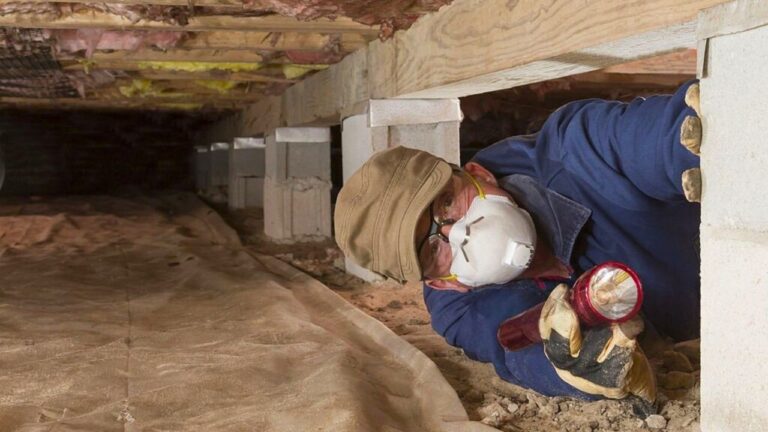
Visual evidence is the backbone of any renovation damage claim. Multiple legal and insurance guides start with the same instruction: Step 1 is to Take Photos from Every Angle as soon as it is safe. Another guide on how to Take Photos notes that, Although this step seems obvious, many people fail to do it properly, and urges you to Photograph wide shots, close‑ups and context like water lines or debris patterns.
Other practitioners recommend at least six “good ways” to document a loss, starting with Apr guidance to Take detailed Photographs that show both the damage and the surrounding area. Video walkthroughs add another layer, especially if you narrate what you are seeing and when it happened, a technique echoed in advice that Gather Evidence You can later use if an insurer or contractor denies the injury ever occurred. Written notes, timestamps and even smartphone location data help tie those images to a specific day and place.
Preserve the scene and paper trail for insurers and courts
Once you have your photos and video, the next proof you need is restraint. Accounting and claims experts advise that Here the rule is simple: Don not change the condition of damaged property until an adjuster has inspected it, and You should keep receipts for emergency repairs, hotel stays and meals. Deck repair specialists echo that you should not start cleaning up until you have photos, warning that You need to show how bad the damage was so insurers can use your images to estimate costs.
On the legal side, attorneys outline what evidence helps in a dispute with an insurer. One firm’s analysis of What Evidence Helps in a Property Damage Lawsuit an Insurer highlights photos, repair estimates, expert reports and correspondence as key, and notes that a detailed Property Damage La timeline can be another critical form of evidence. Policy advocates add that a strong claim file must show a Valid and Active, proof of loss and documentation of any theft or vandalism, all of which depend on the records you keep from day one.
Dealing with the contractor: notice, negotiation and complaints
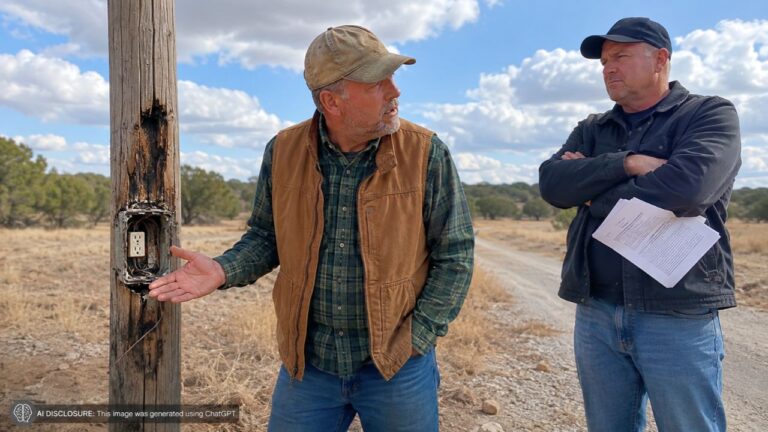
Even the best documentation will not help if you never put the contractor on formal notice. Property damage lawyers advising on What to do when a Contractor Damages Your say that Before you talk to anyone or touch anything, you should take photos, and After you document the scene, you should notify the contractor in writing and give them a chance to address it. Another firm that answers How Do you Document Property Damage by a Contractor stresses that Strong documentation is essential if you later need to file a complaint with a licensing board.
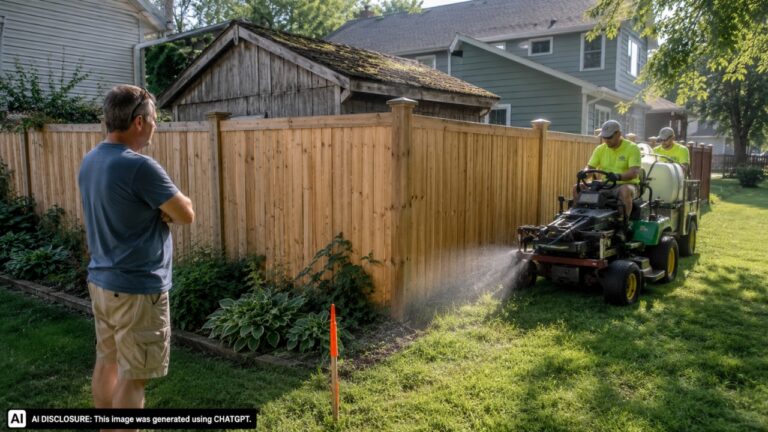
Disputes can escalate quickly when a contractor denies responsibility. One insurance‑defense analysis describes how a property owner may complain in an email that a contractor damaged a fence, and how that allegation can trigger the builder’s insurer’s duty to defend, a scenario outlined in guidance on five things to do when a claim is denied. Consumer resources on What happens if your contractor denies fault explain that you may ultimately have to sue their insurer, but that process still rests on the same foundation: contemporaneous photos, written notice and a clear record of the damage.
Working with insurers: from first notice to potential lawsuit
Once you have notified the contractor, you also need to bring your insurer into the loop in a way that satisfies policy conditions. Claims guides break down Immediate Assessment and as the first step, followed by a detailed inventory of damaged items and any areas that pose ongoing risk, which helps show that the loss was an unforeseen event rather than neglect. Public adjusters advising on How to file an insurance claim for home restoration urge you to Document early and build a comprehensive view that supports your claim.
If your carrier or the contractor’s insurer pushes back, the quality of your evidence becomes even more important. Litigation‑focused guidance on Property Damage La disputes explains that when an insurance company denies a claim, photos, expert opinions and repair estimates are central to challenging that decision. A separate overview of Gather Evidence You need for house insurance claims underscores that you should record and document the injury you have suffered, because that record may be crucial if the homeowner, contractor or insurer later denies that the injury ever occurred.
Future‑proof your renovation: planning, storage and checklists
The best time to think about proof is before demolition starts. Renovation insurance specialists advise that Assets During Renovations should be protected with pre‑project photos, updated coverage and even changes to locks or codes after work is complete. Home insurance guides on remodeling suggest specific topics for that first meeting with your builder, noting that Dec advice on What to discuss with Your general contractor includes verifying their insurance and clarifying who is responsible if a worker is injured or a neighbor sues you for liability.
Once you have your documentation, you need to keep it safe. Renovation‑damage guidance recommends that you Store photos in so you can access them even if your devices are lost or damaged, and then share them with your agent so they can assess the situation and propose a solution. Disaster‑preparedness experts echo that there is a lot you can do well ahead of a storm or project, with one video on Oct planning explaining that there’s a lot of advance work a homeowner can do, whether by creating a digital home inventory or backing up key records offsite.
Like Fix It Homestead’s content? Be sure to follow us.
Here’s more from us:
- I made Joanna Gaines’s Friendsgiving casserole and here is what I would keep
- Pump Shotguns That Jam the Moment You Actually Need Them
- The First 5 Things Guests Notice About Your Living Room at Christmas
- What Caliber Works Best for Groundhogs, Armadillos, and Other Digging Pests?
- Rifles worth keeping by the back door on any rural property
*This article was developed with AI-powered tools and has been carefully reviewed by our editors.