The final walk-through step homeowners skip and regret later
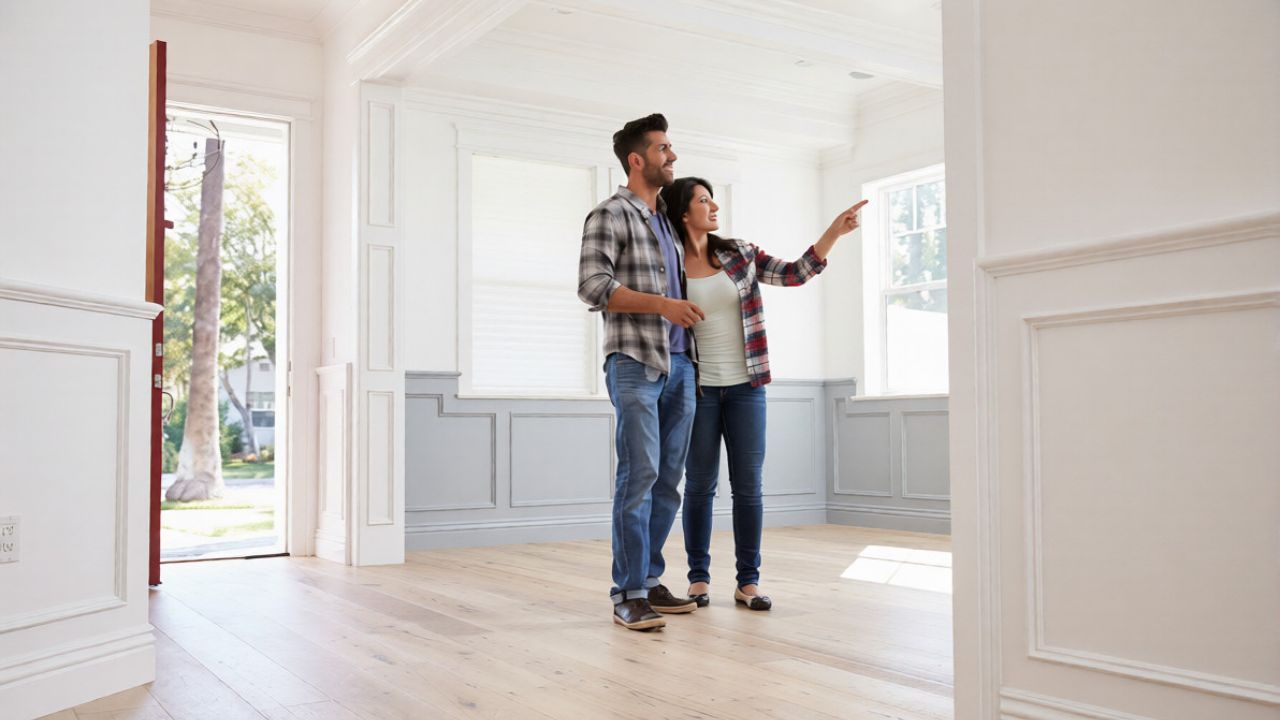
Photo credit: Monkey Business Images/Shutterstock.com
You only get one chance to see your future home in its true, move-in condition before the keys change hands, and most buyers treat that moment as a box to tick instead of a safeguard. The step they skip, or rush through, is not the paperwork or the loan, it is the slow, methodical final walk-through that confirms the seller delivered what you paid for. When you cut that corner, you are gambling with repairs, hidden damage, and even whether the seller has actually moved out.
Handled correctly, that last visit is less about admiring paint colors and more about protecting your cash, your timeline, and your sanity. It is where you verify that promises made during negotiations survived the chaos of moving trucks and utility shutoffs, and where you still have leverage to insist on fixes before you become the homeowner on record.
Why the final walk-through is not a formality
By the time you reach closing, you have toured the property, survived inspections, and signed a small forest of disclosures, so it is tempting to assume nothing meaningful can change in the final days. In reality, the period between inspection and settlement is when movers scrape walls, contractors open up ceilings, and sellers quietly swap appliances or leave junk behind. That is why professionals repeat that the final walk-through is your last line of defense, not a ceremonial victory lap. One detailed guide notes that buyers often treat this visit as a formality, even though it is the final opportunity to confirm the home is in the expected condition and to avoid lingering regrets that can haunt your investment long after closing.
When you slow down and treat the walk-through as a serious inspection, you give yourself one more chance to catch problems while the seller is still obligated to act. Industry advice stresses that it is at this stage you confirm that agreed repairs are complete, that no new damage has appeared, and that the property is free of unexpected belongings or debris. A statewide trade group underscores that this check, often dismissed as optional, is in fact key to preventing expensive surprises and to helping buyers protect their investment, a point it drives home by warning that the step many people skip is the one they later wish they had taken more seriously in Often.
The step buyers rush, skip, and regret
Ask recent homeowners what they would do differently and a pattern emerges: they did not give the final walk-through enough time or attention. In one discussion aimed at first-time buyers, the moderator Jun points out that buyers often overlook several important details during this last visit, especially when emotions and excitement are running high and everyone is eager to get to the closing table. That same conversation notes that while you may feel pressure from your schedule or from the seller, cutting the walk-through short is exactly how you miss small but costly issues like damaged fixtures, missing window coverings, or a garage full of trash that will be your problem the moment you sign.
Real estate agents who work with first-time buyers describe this as the one step people regret rushing, not because it is dramatic or cinematic, but because it is where preventable headaches slip through. One agent, realdylserrano, calls out that this moment is not “planned” in the sense of being scripted, it is where real life intrudes and you discover whether the home you are about to own actually matches what was promised. In a widely shared clip, that agent warns that this is the one step buyers regret rushing and emphasizes that it is not about being paranoid, it is about avoiding the quiet, expensive surprises that show up after closing, a point underscored in a video that bluntly labels this as the step buyers regret when they treat it as optional in Not.
What a thorough walk-through is actually for
If you think of the walk-through as a second home inspection, you will miss its real purpose. You are not hunting for brand-new defects to renegotiate the price, you are confirming that the seller delivered what you already agreed to buy. That means checking that negotiated repairs are complete, that the property has not deteriorated since inspection, and that the systems and appliances you relied on in your offer still function. One detailed explainer frames it bluntly: in a word, YES, a final walk-through is necessary, because it is your last chance to make sure everything has been left as agreed and to catch any switch that might have occurred, such as a seller swapping out a high-end appliance for a cheaper model, a risk highlighted in YES.
Agents who walk buyers through this step emphasize a few core goals. First, you verify that all negotiated repairs are complete and done to a reasonable standard, not just patched over. Second, you confirm that no new damage has appeared since the inspection, whether from movers, storms, or last-minute DIY projects. Third, you ensure that the home is vacant or occupied only as agreed, with no surprise tenants, relatives, or storage left behind. One practitioner-focused breakdown of why the final walk-through matters stresses that it protects you from repairs that were not completed, new damage or surprises, appliances, heat, plumbing, and electric not working, and seller belongings still inside, a list that appears in a detailed post titled Why the Final Walkthrough Matters and is linked through the phrase Why the Final.
The checks buyers most often miss
Even when you do show up for the walk-through, it is easy to focus on cosmetic details and forget the unglamorous systems that cost the most to fix. In a group discussion led by Jun, experienced buyers warn that people often overlook several important checks, including running every faucet, flushing toilets, testing every light switch, and confirming that the heating and cooling still work. They note that while you may be distracted by paint colors or furniture ideas, the smart move is to methodically test plumbing, electrical, and appliances, because those are the items that can quietly fail between inspection and closing, leaving you with a repair bill the moment you move in, a pattern summed up in the reminder that buyers often overlook these basics in Buyers.
Agents in competitive markets add a more detailed checklist. One North Dallas specialist, posting in Jan, lays out MUST-do checks before closing, starting with a clear question: Repairs Completed. Make sure all negotiated repairs have actually been finished, not just promised. That same guidance urges you to verify that all appliances are present and working, that windows and doors open and lock properly, and that the property is free of new leaks or water stains. The advice is tailored to North Dallas, but the principle travels: treat the walk-through as a structured test of systems and promises, not a casual stroll, a point captured in a video that opens with the phrase Here are the MUST-DO checks before closing on your North Dallas home and is linked through the words Here.
Real-world horror stories from rushed walk-throughs
The risks of a rushed or skipped walk-through are not theoretical, they show up in the lived experiences of homeowners who now warn others away from their mistakes. In one widely discussed thread about biggest regrets, a buyer explains that they did not have the exact situation of a post-closing allowance to stay, but they did have the surprise of the sellers not having moved out the way everyone assumed. The buyer describes arriving to find belongings still in place and a messy handoff that could have been avoided with a more assertive final visit. Their blunt takeaway is captured in their closing line, Bottom line: Never trust sellers, a sentiment that has resonated with many and is documented in a post linked through Jan.
Another buyer recounts trying to do a final walk-through only to discover that the seller was not moved out and seemed unaware of how close closing was. In that case, the buyer’s realtor stepped in and told the seller that they would return for another walk-through at noon, one hour before closing, and that if the sellers were not out by then, the buyers would delay signing. The message was clear: the walk-through is leverage, and you can use it to insist that the seller finish moving and cleaning before you take ownership. That story, shared in a community where buyers trade hard-earned lessons, is captured in a post that begins with the phrase Our realtor tells him that we are going to come back for another walk-through tomorrow at noon and is linked through Our.
Utilities, timing, and the “everything worked yesterday” problem
One of the most frustrating surprises buyers face is discovering that utilities have been shut off or mismanaged just before closing, making it impossible to test systems properly. In a cautionary story shared in Jul, a buyer explains that apparently only one half of the couple selling the home got the news about closing, and the other half had the water turned off without telling their soon-to-be buyers. The result was a final walk-through where toilets could not be flushed and plumbing could not be tested, and when problems later surfaced, the costs fell on the buyers after signing. That experience is summed up in a post that opens with the word Apparently and ends with the bitter note that the fallout landed on the new owners, a reminder captured in Apparently.
To avoid that trap, you need to coordinate timing and utilities deliberately. Guidance aimed at buyers notes that you should expect a final walk-through to take at least half an hour, and potentially a few hours if the house or property is large, and that it is important to take this time before you are the homeowner so you can still insist on fixes. That same advice stresses that you should confirm utilities are on so you can test systems under normal conditions, not guess based on how things looked during inspection. The recommendation to budget real time for this step and to plan around utility shutoffs is laid out in a detailed explainer that notes you should Expect a final walkthrough to take at least half an hour or a few hours if the house or property is large, a point linked through Expect.
How much leverage you really have at the walk-through
Many buyers assume that once they reach the walk-through, their only choices are to accept the home as-is or blow up the deal entirely, but the reality is more nuanced. Legal guidance explains that it is tough to end your purchase agreement because of a final walk-through unless there is a big change in the property’s condition, but that does not mean you are powerless. Instead, you and your agent can document issues, push for last-minute repairs, request credits, or delay closing until the seller addresses serious problems. One law firm notes that while backing out entirely is difficult, you can use the walk-through to insist that the seller make necessary repairs, a point captured in a discussion that opens with the question Can You Back Out and is linked through Can You Back.
Agents echo that the walk-through is less about renegotiating the whole deal and more about enforcing what is already in writing. One widely shared video, posted in Jan, calls the final walk through the one step buyers often skip that can cost them big and stresses that it is your last line of protection before you sign. The creator urges buyers to treat this moment as a checkpoint where you verify that the seller has honored every term, from repairs to personal property, and to be prepared to pause closing if something major is wrong. That message is encapsulated in a clip that describes the final walk through as the one step buyers often skip that can cost them big and is linked through Jan.
Why new construction buyers are not off the hook
How to structure a walk-through that protects you
Like Fix It Homestead’s content? Be sure to follow us.
Here’s more from us:
- I made Joanna Gaines’s Friendsgiving casserole and here is what I would keep
- Pump Shotguns That Jam the Moment You Actually Need Them
- The First 5 Things Guests Notice About Your Living Room at Christmas
- What Caliber Works Best for Groundhogs, Armadillos, and Other Digging Pests?
- Rifles worth keeping by the back door on any rural property
*This article was developed with AI-powered tools and has been carefully reviewed by our editors.