The permit responsibility question that needs a clear answer in writing
Photo credit: Rafmaster/istock.com
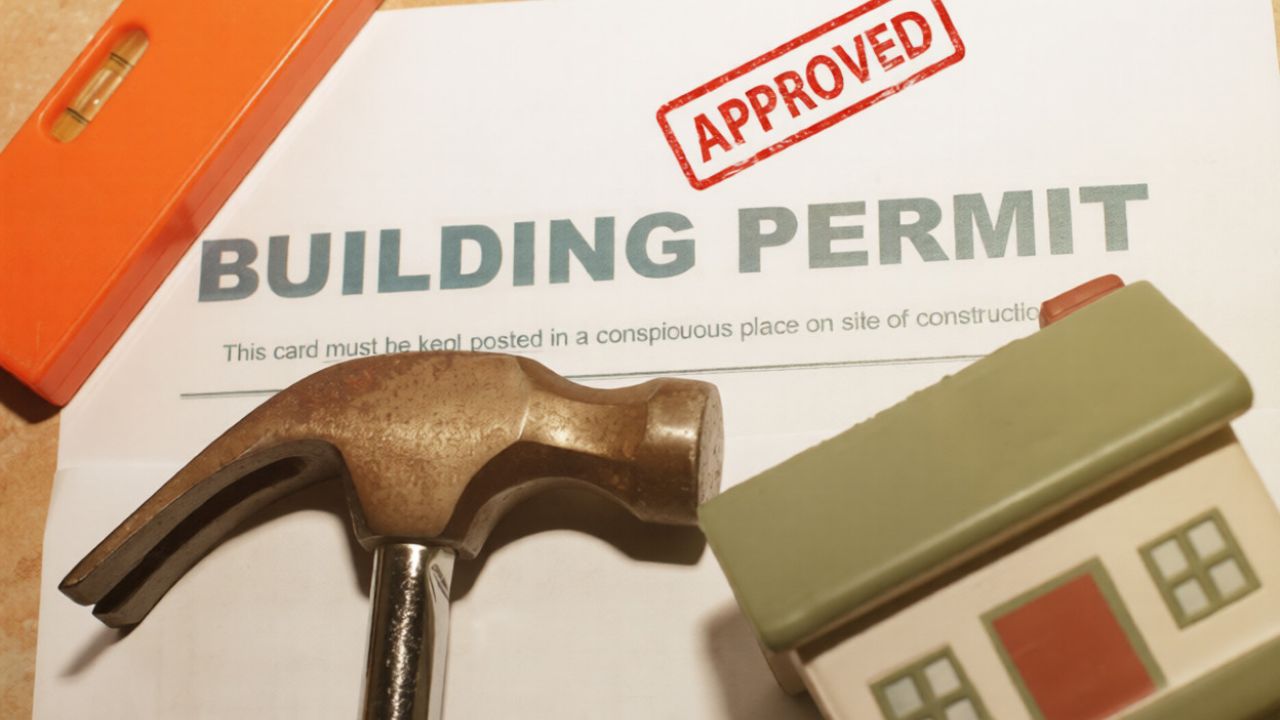
On any construction or remodeling job, the most expensive mistake is often not a blown budget or a delayed delivery, but a missing permit. When the paperwork is not handled correctly, you can be left facing fines, stop‑work orders, and even problems selling your home. That is why the question of who is actually responsible for permits needs a precise, written answer before anyone swings a hammer.
If you are hiring a contractor, you cannot afford to treat permits as background noise. You need to know who pulls them, who pays for them, and who is on the hook if the city says the work is illegal. The only real protection is to lock that responsibility into your contract in clear language that matches how your local building department operates.
Why permits matter more than you think
Permits are often framed as red tape, but they exist to keep you, your family, and your investment safe. Local building codes set minimum standards for structural strength, electrical systems, plumbing, and other essentials, and permits trigger inspections that verify the work meets those rules. Municipal guidance on safety standards stresses that building permits ensure compliance with these minimum safety measures, from fire protection to proper ventilation.
Permits also protect the long‑term value and legality of your property. Regional portals that explain the main reasons for getting permits highlight that your home or business is an investment, and unpermitted work can undermine both resale value and insurability. Another overview of building code compliance notes that every jurisdiction has its own rules and that permits help you avoid legal trouble when you embark on a construction project.
The legal bottom line: the owner is ultimately on the hook
Even when a contractor promises to “handle everything,” the law rarely lets you, as the property owner, walk away from responsibility. A detailed breakdown of who is responsible for obtaining permits in construction makes the point bluntly: property owners ultimately bear responsibility for ensuring all required permits are in place. Local governments see you as the constant party in the transaction, even if contractors come and go.
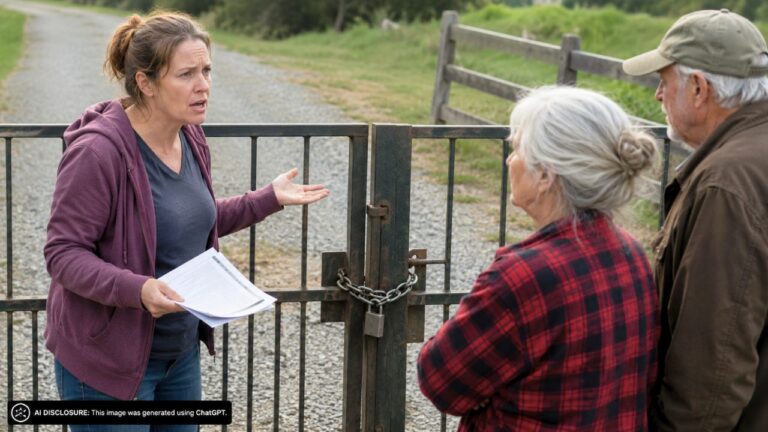
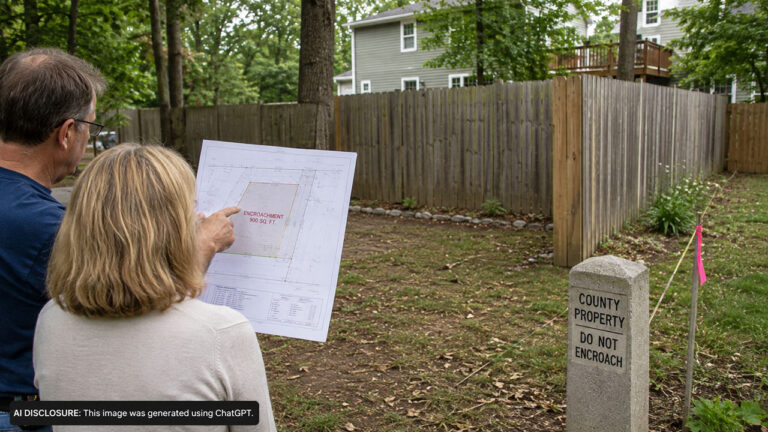
Some city FAQs spell this out in plain language. In McDonough, Georgia, the official answer to what happens if work is done without a permit is that the owner of a property is responsible for what transpires on that property. That means if your contractor skips the permit, the city still looks to you for fines, corrections, or even demolition of noncompliant work.
Best practice: the contractor should pull the permit
While the legal burden lands on you, the practical work of securing permits is usually handled by the contractor. Industry guidance on who pulls permits is clear that your contractor should pull the permit and that a refusal to do so is a red flag. The reasoning is straightforward: the party designing and performing the work is best positioned to navigate code requirements and answer technical questions from inspectors.
Some municipalities go further and label this a formal best practice. One city memo on best practice for permits states that the contractor should pull the permit because the party doing the work is responsible for code compliance and for scheduling inspections. When the contractor is the named permit holder, inspectors know exactly who is accountable for correcting deficiencies, which gives you leverage if the job fails an inspection.
Owner permits versus contractor permits: how the rules actually work
Even if the contractor usually handles it, many states allow you to pull your own permit as an owner‑builder. In Michigan, for example, guidance on Contractor Permits and Homeowner Permits explains that state law allows homeowners to obtain permits to work on their own homes. The same document warns you to make your contractors responsible for getting an approved inspection on your project, which hints at the risk of putting your name on paperwork for work you are not personally performing.
Other jurisdictions echo that choice but attach conditions. In Fayetteville, Georgia, the FAQ titled Can I do the work myself explains that home owners are allowed to obtain permits on the residence in which they live, while contractors licensed by the state can also pull permits if they provide their license information and, in owner‑builder cases, a completed Owner‑Builder Statement. That structure gives you flexibility but also makes clear that once you choose to be the permit holder, you are treated as the responsible party for code compliance.
What local governments say about “who pulls permits”
City and village FAQs are often the clearest window into how officials expect you and your contractor to behave. In Shorewood, Wisconsin, the official page labeled Who is responsible for obtaining permits notes that it is common for contractors to obtain permits on behalf of property owners. At the same time, it reminds you to confirm who will be doing so before hiring a contractor or starting a project, which is a polite way of saying that silence on this point is a risk you should not take.
Other municipal sites reinforce the same message with more detail. The broader McDonough FAQ on permits explains that the Community Development department can issue stop‑work orders and penalties when work proceeds without approval. Meanwhile, the Town of Amherst’s explanation of what a building permit is emphasizes that it gives you legal permission to start construction, including on electrical, plumbing, heating, and air‑conditioning systems. Taken together, these local voices make it clear that officials care less about who stands in line at the permit counter and more about whether the right permit exists at all.
The contractor’s perspective: liability, logistics, and red flags
From the contractor’s side, pulling the permit is not just a courtesy, it is a way to control risk and workflow. A detailed industry explainer on Who Is Responsible notes that, in most cases, the contractor should be the one dealing with the building department because they understand the technical scope and can respond to plan review comments. A companion discussion of contractors who do not pull permits frames that refusal as a warning sign that the company may be unlicensed, uninsured, or planning to cut corners.
Some building departments explicitly encourage you to push this responsibility back onto the professionals you hire. The White Lake Township guidance on Homeowner Permits tells you to remember to make your contractors responsible for getting an approved inspection on your project, which is only realistic if they are also the ones named on the permit. A separate best‑practice memo from Idabel, Oklahoma, on Best practice reiterates that the party doing the work should pull the permit because they are responsible for code compliance and for coordinating with inspectors.
When you pull the permit yourself: power and risk
Despite the warnings, you might still be tempted to pull the permit yourself, especially if a contractor offers a discount in exchange. A practitioner’s analysis of Pros and Cons versus Contractor Issued Permits explains that when you act as an owner‑builder, you gain control over the project and can sometimes save on contractor markups, but you also assume full responsibility for the quality and legality of the work. The same source notes that when a contractor issues the permit, they are the ones directly accountable to the building department for code compliance.
Online discussions among practitioners and exam candidates underline how easy it is to misread this responsibility. In one forum thread titled Shikha July, participants debate an exam question about who secures the permit when an architect notes that the city is behind on issuing approvals. The confusion in that exchange mirrors what happens on real projects when contracts are vague: each party assumes someone else is handling the paperwork until a delay or violation exposes the gap.
How to get the responsibility in writing
Given the stakes, you should treat permit responsibility as a core business term, not a footnote. Consumer guidance on who pays for building permits advises you to clarify in the contract whether the contractor will obtain the permit and whether the fee is included in the bid or billed separately. The same advice stresses that if your contractor will not pull the permit, the responsibility falls on you, which is precisely the scenario you want to avoid unless you are intentionally acting as an owner‑builder.
Legal practitioners who focus on construction fraud urge you to formalize this in writing. A checklist on how to protect yourself from contractor fraud in Florida tells you to verify contractor credentials, get everything in writing, monitor the project, and be cautious with payments. Translating that into permit language means specifying who will apply for the permit, under whose name, by what date, and what happens if the permit is denied or delayed. If the contractor is responsible, your contract should also require them to provide copies of the issued permit and all inspection reports.
What happens if no one pulls a permit
If everyone assumes someone else handled the paperwork, the fallout can be severe. The McDonough FAQ on Frequently Asked Questions explains that the Community Development department can issue penalties when work proceeds without a permit, and that the property owner is responsible for what happens on the property. Another municipal explanation of Permits Protect warns that faulty construction and unsafe conditions can lead to serious damage, especially during a flood or severe storm, which is exactly the kind of risk unpermitted work can hide.
Even if nothing goes wrong immediately, unpermitted work can haunt you later. Regional guidance on why permits are notes that permits help protect public health, safety, and welfare, but they also protect property value by creating an official record of compliant work. A Quora discussion titled Never pull your own permit captures a hard truth: either the homeowner or contractor can pull the permit, but if you do it and something goes wrong, you, the homeowner, are ultimately responsible. That is why the only safe path is to decide, document, and verify permit responsibility before the first day of work.
Using clear roles to keep your project safe and compliant
Once you understand how much rides on a simple piece of paper, the path forward is less about bureaucracy and more about risk management. Construction specialists who explain Construction permits emphasize that they play a vital role in ensuring safety and compliance and in building trust and reputation in the industry. Municipal overviews of Here are some key reasons why building permits are required, and town FAQs on What is the benefit of getting a building permit, all point in the same direction: permits are your proof that the work on your property meets the standards your community has set.
To make that protection real, you need to align your contract with local expectations. City FAQs on Who is responsible for obtaining permits, regional guidance on Untitled homeowner versus contractor roles, and professional breakdowns of Contractor Issued Permits all converge on a simple rule: decide who will pull the permit, make sure that party is qualified to do it, and put that commitment in writing. If you follow that rule, the permit responsibility question stops being a trap and becomes one more tool you use to keep your project safe, legal, and fully under your control.
Like Fix It Homestead’s content? Be sure to follow us.
Here’s more from us:
- I made Joanna Gaines’s Friendsgiving casserole and here is what I would keep
- Pump Shotguns That Jam the Moment You Actually Need Them
- The First 5 Things Guests Notice About Your Living Room at Christmas
- What Caliber Works Best for Groundhogs, Armadillos, and Other Digging Pests?
- Rifles worth keeping by the back door on any rural property
*This article was developed with AI-powered tools and has been carefully reviewed by our editors.