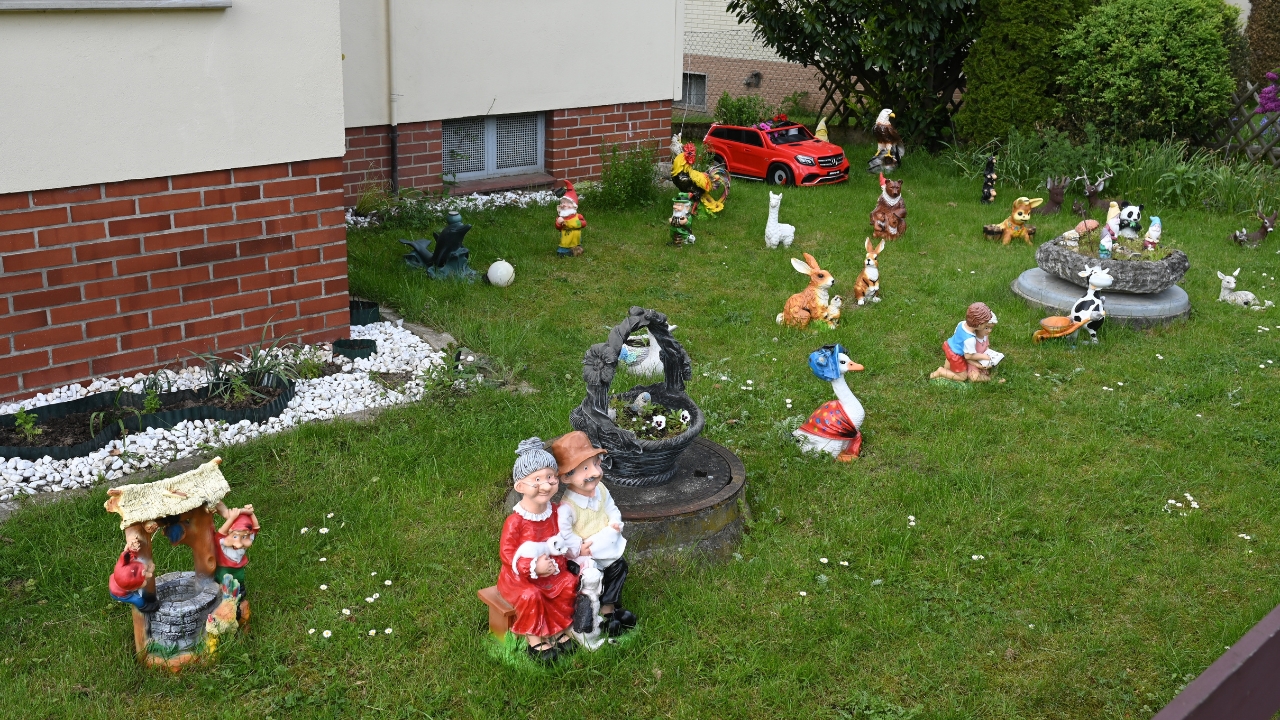
The front yard feature that annoys neighbors more than people realize
Photo credit: hydebrink/Shutterstock.com
Your front yard is the first thing your neighbors see every day, and it shapes how they feel about living next to you long before anyone trades small talk at the mailbox. The feature that quietly irritates people more than most homeowners realize is not a single statue or stray weed, but a cluttered, overlit, overdesigned frontage that spills noise, glare, and mess into everyone else’s line of sight. When you treat the space facing the street as a private stage instead of a shared backdrop, you turn curb appeal into a constant low‑grade annoyance.
That tension shows up in complaints about garbage, harsh lighting, noisy water features, and aggressive hardscaping that might look bold from your porch but feels oppressive from next door. If you want to be the neighbor people are glad to live beside, you have to see your front yard the way they do, then edit back the one feature that ties all those frustrations together: visual and sensory clutter that never lets the block exhale.
The real front yard offender: clutter in plain sight
When people talk about difficult neighbors, they often mention loud parties or barking dogs, but the daily friction usually starts with what sits in front of the house. Piled planters, mismatched ornaments, plastic storage bins, and leaning tools can turn a small patch of lawn into a permanent eyesore that everyone on the street is forced to look at. That kind of clutter reads as disregard, and it quietly signals to your neighbors that their view and their property values matter less than your convenience.
Research into neighbor gripes consistently puts visible mess near the top of the list, with top pet peeves centering on how a property looks from the curb. When you add in front yard decor that is too large, too numerous, or simply out of scale with the house, the effect multiplies. Designers warn that a display that might feel playful to you can quickly cross into visual noise for everyone else, especially when it is permanent rather than seasonal, a point echoed in guidance on front yard decorations that bother nearby homes.
Why neighbors care more than they say
You may assume that what happens on your side of the property line is your business alone, yet your front yard sets the tone for the entire street. A tidy, restrained landscape makes the block feel cared for, while a chaotic one can drag down the mood and even the perceived value of surrounding homes. People who have invested heavily in their own properties are especially sensitive to a neighbor whose front yard looks neglected or overdone, because they know buyers judge a neighborhood by its weakest link.
Surveys of neighbor complaints show that Garbage and other visible debris rank as the number one frustration, with respondents noting that whether trash is overflowing, left out too long, or simply stored in the wrong place, it quickly becomes everyone’s problem. That same instinct applies to front yard clutter and overbearing decor, which can make an otherwise pleasant street feel shabby. Even if your neighbors never say a word, they are clocking every broken planter, faded plastic chair, and half‑finished project each time they pull into their driveway.
Lights, noise, and motion: when “features” become irritants
Many of the trendiest front yard upgrades are designed to grab attention, but the very qualities that make them dramatic for you can make them exhausting for the people next door. Motion‑activated floodlights that flare on every time a car passes, bubbling fountains that gurgle late into the night, and crackling Fire Pits that send smoke drifting across the street all add to a constant sensory buzz. What feels like ambiance from your porch can feel like intrusion from a neighbor’s bedroom window.
Real estate professionals have flagged Fire Pits, Motion Lights, and elaborate Water Features as some of the Landscaping Features That, especially when they are oversized or poorly maintained. Video advice on 10 landscaping features that irritate nearby homes echoes that pattern, warning that what starts as a fun upgrade can quickly become a neighborhood sore spot if it shines into windows, splashes onto sidewalks, or runs at all hours. The common thread is not the feature itself, but the way it spills light, sound, or smoke beyond your property line.
Decor overload: when personality tips into visual chaos
Personal touches in the front yard can be charming, but there is a tipping point where personality becomes clutter. A single sculpture or a pair of planters can frame an entry, while a lineup of figurines, flags, and novelty signs can make the space feel like a yard sale that never ends. Neighbors are unlikely to complain about one bold choice, yet they notice when every square foot of lawn and porch is occupied by something demanding attention.
Design experts caution that Overly bright or flashing exterior lights, Indoor furniture dragged outside, and decor that is simply too numerous is a miss in terms of both style and neighbor relations. Lists of landscaping features that frustrate nearby homeowners also point to yard elements that dominate the view, from towering structures to oversized ornaments. The more your front yard reads as a personal billboard, the more likely it is that the people across the street are quietly wishing you would edit.
Hardscaping extremes: gravel, bare yards, and heat
In the name of low maintenance or water savings, some homeowners strip their front yards down to rock, concrete, or artificial turf. While that might simplify your weekend chores, it can create a harsh, heat‑reflecting landscape that feels unwelcoming to everyone else. A yard dominated by stone or bare dirt also tends to collect windblown trash and weeds, which only amplifies the sense of neglect.
Contractors warn that Gravelscaping is one of the Landscaping Mistakes Neighbors, noting that Trees cool properties and neighborhoods while expanses of rock do the opposite. When you remove shade and greenery, you are not just changing your own microclimate, you are raising temperatures on the sidewalk and in adjacent yards. That kind of hardscaping can be as annoying as clutter, because it makes the block feel hotter, harsher, and less livable for everyone who walks or lives nearby.
Trees, water, and “natural” features that cross the line
Not all front yard friction comes from artificial decor. Trees, ponds, and other natural elements can be just as contentious when they are placed without regard for neighboring properties. A large tree planted too close to the property line might look beautiful from your porch, but its roots and branches can threaten your neighbor’s driveway, roof, or fence. Likewise, a small ornamental pond can become a mosquito magnet if it is not properly maintained.
Guides to Trees Near Property note that Large trees can add beauty, shade, and privacy to your yard. However, trees planted too close to property boundaries can drop leaves and branches into a neighbor’s space and even damage structures. The same resource on Landscaping Features Your points out that Fire Pits and similar elements can be more acceptable when you choose a cleaner‑burning option and keep them away from your neighbor’s property. In many areas, Certain water garden, hot tubs, and other installations can even trigger complaints to a local authority if they create noise, odor, or drainage problems.
When clutter becomes a rulebook problem
Even if your immediate neighbors stay polite, your front yard can still land you in trouble with people who have more formal power. Homeowners associations and city inspectors are not just concerned with structural safety, they also enforce standards meant to protect curb appeal. That means the same clutter, overgrown beds, or improvised storage that annoys the family next door can also violate written rules.
Guidance on Approval Tips Before to Your Curb Appeal explains that most HOAs provide design guidelines or a rulebook that specifies what is allowed in front yards and often require you to submit a formal request for approval before adding major features. Advice on whether you Need a Permit for a Fence notes that City or County Rules are the first place to check and that Local ordinances may require separate approval for front yard structures. Even seasonal habits like leaving leaf piles at the curb can be regulated, with fall cleanup guidance reminding you that Don‘t forget HOA or city rules: Some neighborhoods limit leaf piles or require bagging, so it is often better to make your compromises inside the garden beds.
What neighbors can formally complain about
Beyond informal irritation, there is a growing list of front yard choices that neighbors can challenge through official channels. Persistent noise from water features, smoke from Fire Pits, and lighting that shines directly into windows can all be framed as nuisances rather than mere stylistic differences. In dense neighborhoods, even the layout of your garden beds or the placement of a shed can become a flashpoint if it affects drainage or access.
Legal and design experts point out that Theoretically, your neighbors can complain about anything in your garden design if they are determined enough, but certain issues have clearer grounds. Guidance on Certain water garden notes that hot tubs, ponds, and similar installations can be reported to a local authority if they create noise, safety, or hygiene concerns. When your front yard clutter includes any of these elements, you are not just risking side‑eye from across the street, you are inviting letters, inspections, and potentially fines.
How to dial it back without losing character
The good news is that you do not have to strip your front yard of personality to keep the peace. Start by editing: remove broken items, limit decor to a few intentional pieces, and group plantings so the eye has places to rest. Replace harsh spotlights with softer, downward‑facing fixtures, and set timers so your lighting supports safety without turning the block into a stage. If you love features like Fire Pits or fountains, keep them in the backyard where they are less likely to intrude on your neighbors’ daily routines.
Think of your front yard as a shared backdrop rather than a private gallery. When you choose cleaner‑burning options for Fire Pits, keep Large trees away from your neighbor’s property, and maintain any Water Features so they do not overflow or stagnate, you are following the same common‑sense principles highlighted in lists of top neighbor pet and secretly hated features. A front yard that is edited, maintained, and mindful of where light, sound, and clutter travel will not just look better in photos. It will feel better to live next to, which is ultimately the measure that matters most on your street.
Like Fix It Homestead’s content? Be sure to follow us.
Here’s more from us:
- I made Joanna Gaines’s Friendsgiving casserole and here is what I would keep
- Pump Shotguns That Jam the Moment You Actually Need Them
- The First 5 Things Guests Notice About Your Living Room at Christmas
- What Caliber Works Best for Groundhogs, Armadillos, and Other Digging Pests?
- Rifles worth keeping by the back door on any rural property
*This article was developed with AI-powered tools and has been carefully reviewed by our editors.