The landscaping choice that makes buyers assume maintenance issues
Photo credit: Kevin Ford/istock.com
Buyers rarely walk away from a property because of one plant or one stone path. They walk away because the yard tells a story about how the rest of the home has been treated. The fastest way to trigger that suspicion is a yard that looks like it will be a headache to own, which is why a single landscaping choice can quietly convince buyers that maintenance problems are lurking everywhere.
If you are preparing to sell, you are not just decorating the front of your house, you are managing expectations about how hard the property will be to live in. The right choices suggest care, simplicity, and order, while the wrong ones hint at deferred repairs, surprise costs, and weekends lost to yard work.
The real red flag: high‑maintenance landscaping
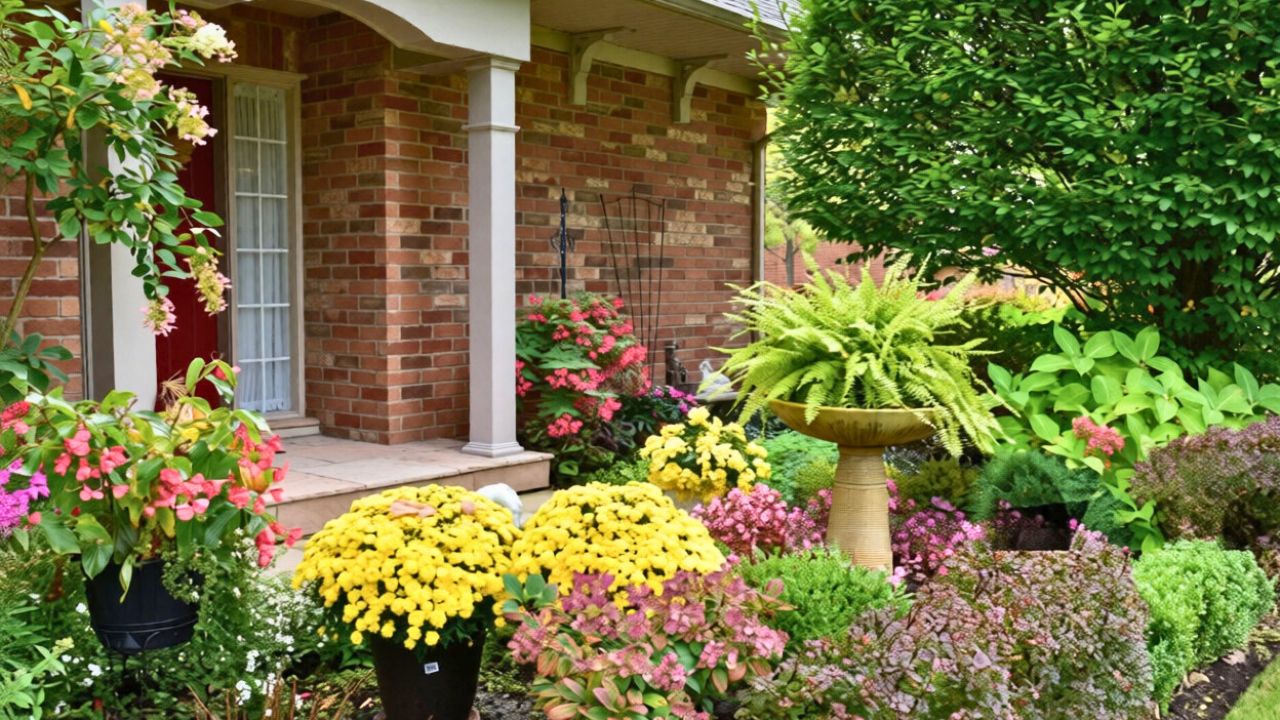
The landscaping choice that most reliably makes buyers assume broader maintenance issues is a high‑maintenance yard. When a front garden is packed with exotic plants, intricate beds, and specialty features that clearly demand constant attention, buyers often conclude that the current owner either spends every spare hour outside or, more worryingly, has already fallen behind. Industry guidance notes that elaborate designs and unusual species can quickly shift from asset to liability when they start to look tired, and that perception easily bleeds into doubts about the roof, the HVAC system, or the plumbing behind the walls.
Real estate professionals warn that landscaping mistakes are among the most visible signals buyers use to judge how a property has been cared for. When you layer in high‑maintenance landscaping, like exotic gardens that need specialized care, the risk is even sharper, because any slip in upkeep turns what should be curb appeal into an eyesore. Once buyers see that kind of visible overreach outside, many assume the same pattern of ambitious projects and incomplete follow‑through exists inside.
Why curb appeal shapes assumptions about upkeep
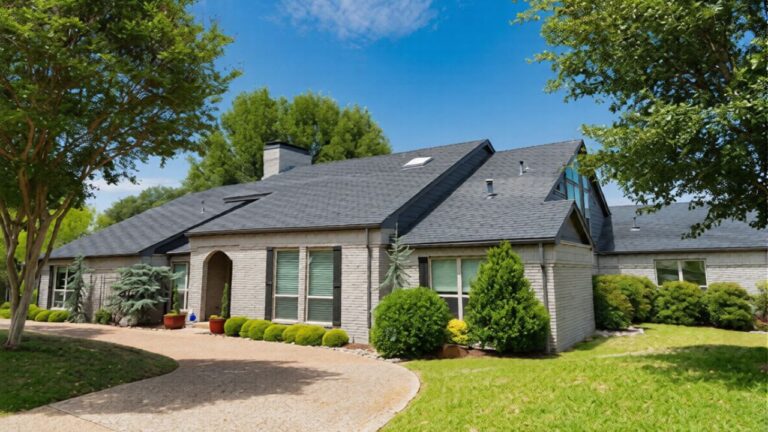
By the time a buyer steps out of the car, they have already started building a mental checklist of how much work your property will require. A neat, straightforward yard suggests that you handle routine tasks on schedule and that the home is likely in similar condition. A complicated or neglected landscape, on the other hand, primes buyers to look for problems, from peeling caulk around windows to stains on the ceiling that might indicate leaks.
That snap judgment is why landscaping is treated as a core part of preparing a home for sale rather than an optional cosmetic upgrade. Guidance for sellers stresses that buyers read the lawn and beds as a proxy for overall care, and that a tidy, low‑stress yard can support a higher asking price. Other experts frame it in terms of online photos, noting that curb appeal counts heavily in how buyers shortlist homes, and that a clean, manageable front yard helps your property stand out before anyone has seen the interior.
When “too much garden” becomes a liability
There is a clear difference between a well‑edited planting plan and a yard that looks like a botanical collection. Dense beds filled with rare perennials, roses that need constant deadheading, or vegetables sprawling across the front lawn can be impressive, but they also telegraph hours of weekly work. For buyers who travel often, work long hours, or simply do not enjoy gardening, that level of commitment feels like an ongoing bill they did not ask for, which can push them toward a simpler competing listing.
Advisers who work with sellers flag high‑maintenance gardens as a common misstep, especially when they rely on specialized plants that are finicky or expensive to replace. Guidance aimed at homeowners preparing to list notes that when preparing your for sale, you should weigh not only aesthetics but also the environmental impact and any local restrictions that might make certain plantings harder to maintain. If your garden looks like it requires a manual to operate, buyers may assume the rest of the property does too.
Neglect, patchy lawns, and the “what else is wrong?” effect
On the other end of the spectrum, a yard that looks tired or half‑finished can be just as damaging as one that is overdesigned. Patchy grass, bare soil, and beds overrun with weeds suggest that routine tasks have been postponed, which naturally raises the question of what other maintenance has been deferred. Even if the interior is spotless, buyers may mentally discount your asking price to cover the work they expect to find behind the scenes.
Landscaping specialists point out that neglecting regular lawn is one of the most common ways homeowners undercut their own property value. Another analysis notes that landscaping features that are poorly maintained, from cracked edging to faded hardscape, can drag down perceived value even if they were expensive to install. When the grass is thin and the beds are messy, buyers often assume the interior usually matches the exterior, which is not the association you want as they walk toward the front door.
Overbuilt hardscapes and cluttered outdoor rooms
Hardscaping can be a smart investment, but only when it feels proportional to the house and easy to live with. A yard dominated by stone, concrete, or elaborate outdoor kitchens can read as cold and impractical, especially if there is little green space left. Buyers may see a maze of retaining walls, built‑in seating, and custom fire features and immediately start calculating repair costs if any of it fails, or removal costs if they prefer a simpler layout.
Contractors who repair and redesign yards warn that oversized patios and stonework can be a problem when spacious patio or installation overwhelms the lot or hides the home’s character. Real estate guidance on buyer turnoffs also notes that some lawn and landscape, such as oversized decks or elaborate play structures, can deter buyers because they see future removal costs that range from hundreds to well over 1,000 dollars. When your outdoor space looks like a project site instead of a calm extension of the home, it feeds the narrative that the property will be work, not respite.
Water features, pools, and insurance red flags
Water features are another classic example of a choice that can quietly undermine buyer confidence. Ponds, fountains, and complex irrigation systems require regular cleaning, winterizing, and repairs, and they can raise concerns about leaks or mosquito problems. For families with young children, open water also introduces safety worries that may be expensive to mitigate with fencing or covers.
Consumer advice notes that water features like ponds and bird baths can actually cause a home’s value to go down if buyers see them as maintenance traps. Regional agents add that many buyers view above‑ground pools as temporary and high‑maintenance, even in markets such as Florida where in‑ground pools are expected. Insurance specialists also remind shoppers that when looking for, features like pools and certain trees can have a major impact on your home insurance premium, which adds another layer of cost to what might already feel like a risky yard.
Mulch, trees, and plant placement that hint at hidden problems
Even relatively simple choices like mulch and tree placement can shape how buyers read your maintenance habits. Fresh, well‑spread mulch frames beds and protects soil, but when it is piled against siding or tree trunks, it suggests shortcuts and can even cause damage. Similarly, trees planted too close to the house or driveway may look charming now but raise questions about root intrusion, cracked pavement, or branches scraping the roof in a few years.
Real estate guidance highlights that one key way enhances a yard is by creating a clean, finished look that turns a good first impression into a lasting one, as long as it is applied correctly. Insurers and landscape experts also caution that homeowners should, as one advisory from Mutual Assurance Society puts it, carefully consider the mature sizes of trees and shrubs before planting them near structures. When buyers see oversized trees crowding the foundation or power lines, they often assume expensive pruning or removal is coming due, and that assumption can color how they view the rest of your maintenance record.
How buyers connect yard work to overall home care
What ties all of these reactions together is the way buyers connect visible outdoor effort to invisible indoor systems. A yard that is both attractive and manageable suggests that you have a realistic approach to upkeep, which usually reassures buyers about everything from gutter cleaning to furnace servicing. In contrast, a landscape that is either overbuilt or obviously neglected tells them that your priorities may not align with long‑term durability, and they start looking for evidence of that pattern in every room.
Analysts who track resale value note that signals to homebuyers that you have taken care of the property when the lawn and beds are in good condition, while unkempt landscaping makes them suspect there are hidden issues with your property. Home improvement research adds that curb appeal is, over‑the‑top landscaping can backfire, and that buyers tend to favor simple, clean designs that feel easy to maintain. When you keep that psychology in mind, it becomes clear that the safest strategy is a yard that looks well cared for, not one that tries to impress with complexity.
Practical steps to reset a buyer‑friendly landscape
If your current yard leans toward the high‑maintenance end of the spectrum, you do not need to strip it bare, but you should edit it with a buyer’s workload in mind. That often means reducing the number of plant varieties, simplifying bed lines, and replacing fussy species with hardy, region‑appropriate options. You can also scale back or remove features that scream “project,” such as half‑finished ponds or oversized raised beds that dominate the front yard.
Seller checklists often recommend starting with basic cleanup and then addressing the most visually dominant issues, such as thin, sparse grass or crumbling edging, before you worry about smaller details. Regional experts also encourage you to review any specialty gardens or unusual plantings against local expectations, drawing on advice like here in Florida where buyers expect certain features and dislike others. By the time you are done, your goal is a landscape that looks intentional, healthy, and, above all, easy to live with, so buyers see a well‑kept property rather than a long list of chores waiting for them on move‑in day.
Like Fix It Homestead’s content? Be sure to follow us.
Here’s more from us:
- I made Joanna Gaines’s Friendsgiving casserole and here is what I would keep
- Pump Shotguns That Jam the Moment You Actually Need Them
- The First 5 Things Guests Notice About Your Living Room at Christmas
- What Caliber Works Best for Groundhogs, Armadillos, and Other Digging Pests?
- Rifles worth keeping by the back door on any rural property
*This article was developed with AI-powered tools and has been carefully reviewed by our editors.